Our Professional Japanese-to-English Subtitle Translation Course is on Udemy!
Learn the fundamentals of subtitling, common pitfalls unique to Japanese-to-English translation, and how to start working as a subtitle translator:
https://t.co/yUiogeR0ho
Virtual reality. Genuine fear.
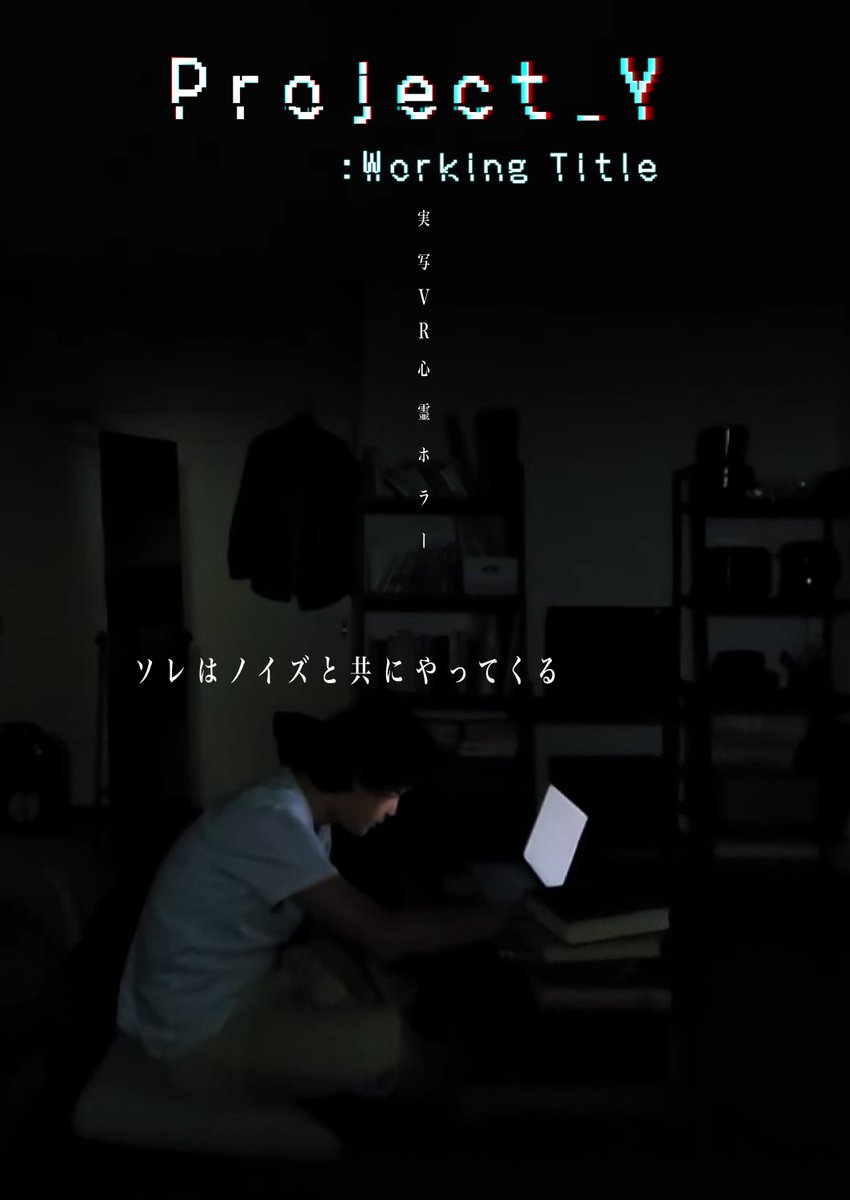
"Project_Y: Working Title". An interactive J-horror experience with English subtitles by Forecross.
Available now on iOS and Meta Quest.
https://t.co/XWj1fW6ouY
https://t.co/3DyAB83vxV
360° Live Action VR Horror
NOW ON SALE 好評発売中
App Store JP
https://t.co/KEgOg9be5d
App Store EN
https://t.co/ubKIxDd36S
Meta Store
https://t.co/3mvLBKODns
#PJ_Y#心霊ホラー
★間違えがちな英語表現★
「大丈夫ですか?」
誤: "Are you okay?" (常に使う)
正: "Is everything okay?" / "Are you alright?" / "Do you need any help?"
理由: 「Are you okay?」は、相手が身体的または感情的に辛い状態にあるときに使う表現。それ以外の場合は、適切な表現を選ぶと自然
★間違えがちな英語表現★
「もうすぐ終わる」の表現
誤: "It’s almost finished."
正: "It’s almost done." / "We’re almost there." / "It’ll be over soon."
理由: 「done」の方が日常会話でよく使われます。また、進行中の状況を表現する場合、「almost there」などのフレーズが使われることも。
★間違えがちな英語表現★
「暇です」の使い方
誤: "I'm free."
正: "I don’t have any plans." / "I’m available." / "I have some free time."
理由: 「I'm free」だけだと少し冷たく感じられることがあるため、「I’m available」の方が丁寧で、より自然に聞こえます。
★間違えがちな英語表現★
「よろしくお願いします」の英訳
誤: "Please take care of it."
正: "I appreciate your help." / "Thank you in advance." / "Looking forward to working with you."
理由: 「よろしくお願いします」は依頼や期待を込めた表現で、英語では「感謝」を強調することが一般的
★間違えがちな英語表現★
「お疲れ様です」の英訳
誤り: "I'm tired."
正解: "Good job!" / "Thank you for your hard work!" / "Keep it up!"
理由: 「お疲れ様です」は相手の労をねぎらう言葉であり、自分の疲れを伝える表現ではありません。英語では、感謝や労いの気持ちを表現することが多いです