Mobile-friendly isn’t just a shrinking layout.
Easy taps, readable text, fast loads, no annoying pop-ups — test your site on your phone and see it like a visitor would.
A blog can be a client magnet.
Write helpful, local posts your audience searches for, optimize them, and end with a clear CTA.
It builds trust *and* gets you found on Google.
SEO gets visitors. UX turns them into clients.
Clear navigation, fast loads, mobile-friendly design, and personality-filled copy build trust and make them care.
Google’s new AI Mode remembers past searches, shaping future results.
Photographers need content that fits into ongoing user journeys—coherent, consistent, and relevant beyond single keywords.
AI can make images, but it can’t build trust.
Share your process, tell your story, connect.
Your site isn’t just a gallery—it’s your handshake. Make it count.
Your favicon shows in search results and browser tabs — and can boost clicks.
Keep it simple, high-contrast, and clear at tiny sizes.
Small detail, but in a crowded SERP, every edge counts.
AI search is changing the game.
It’s not enough to rank on Google — your site needs to be *referenced* by AI tools.
AI-friendly, well-structured, widely published content that future-proofs your visibility.
Social traffic is tanking.
SEO brings visitors with intent — but only if your site is fast, engaging, and client-focused.
Great photos + modern UX = higher rankings, more clients, long-term growth.
Your site shouldn’t just showcase images—it should sell your services.
Clear positioning, strong testimonials, fast speeds, and SEO content turn visitors into inquiries.
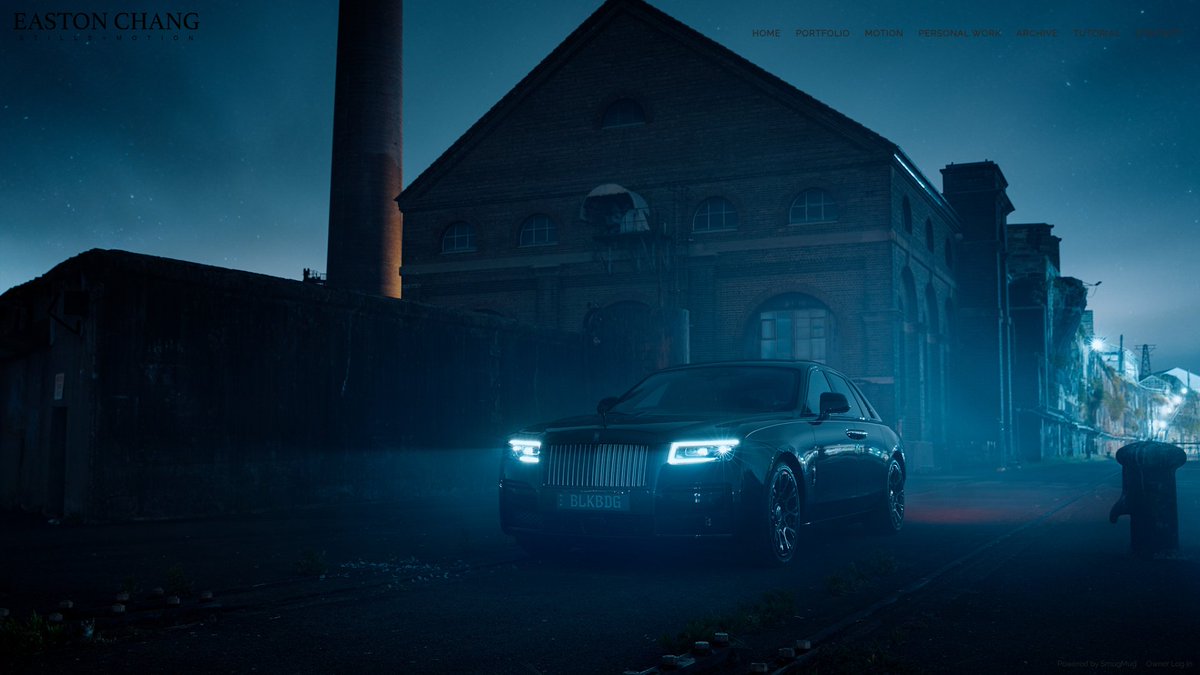
If you're keen on having a full screen slideshow on your home page, make sure that the color you use in the logo and the navigation menu contrasts well against ALL of the slideshow images.
Otherwise, they may not be visible (= usable) at times.
So this example is not OK.
Stop saying “I want to be #1 on Google.”
Be specific: which keywords matter for your business?
Rank for “\[specialty] photographer in \[location]” — not just your name.
Goals + keyword research = a real SEO strategy.
If your site’s been around a while, SEO issues might be quietly killing traffic.
Audit titles, broken links, alt-tags, speed, and indexing.
Fix them once, and your site drives visitors for years—no extra effort.
Most photographers make their site copy too dense.
Your website isn’t an essay — it’s a sales tool.
Use short paragraphs, headings, bullet points, and white space so visitors (and Google) love it.
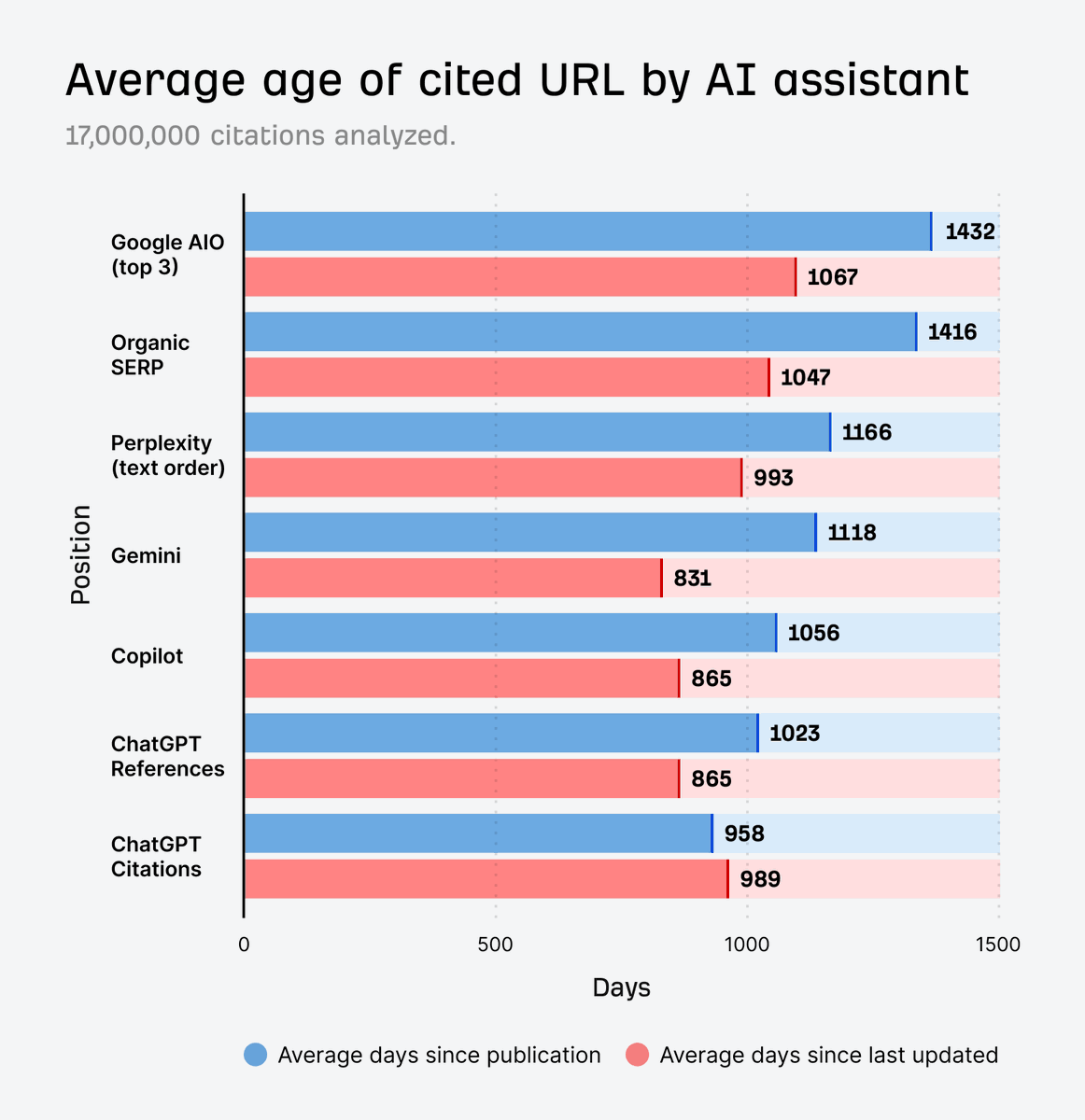
AI assistants cite content that’s 25.7% fresher than Google’s results.
If you’re not updating your site regularly, you’re missing AI-era visibility.
Fresh blog posts, homepage tweaks, and image captions = more citations.
How many galleries should your portfolio have? Aim for 5–7 focused galleries with 20–30 of your best images each. Keep it curated, not overwhelming. Your website isn’t a dump—it’s your highlight reel.
“As a rule, people don’t like to puzzle over how to do things. If people who build a site don’t care enough to make things obvious, it can erode confidence”.
Steve Krug – “Don’t Make Me Think”
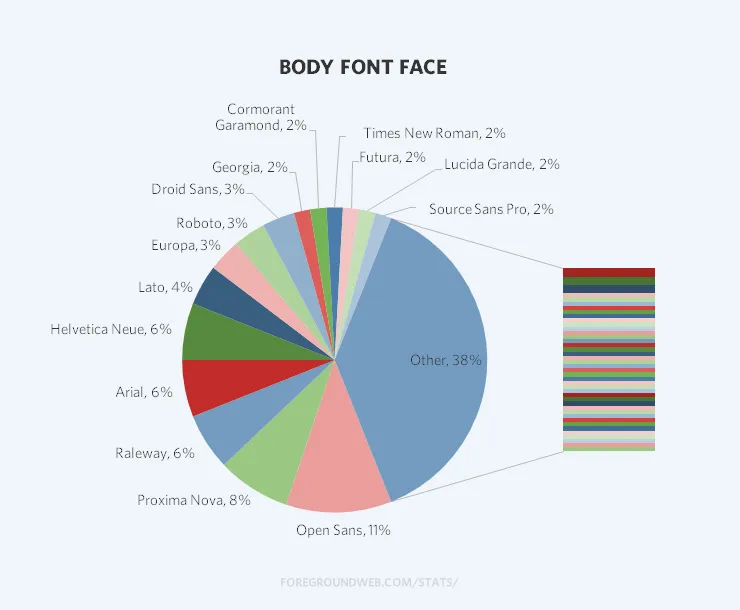
Fonts aren't just decoration—they shape how people feel on your site. Nearly 50% of top photography sites use Google Fonts. For body text, go with a clean sans-serif (like Open Sans) at 17px+. No tiny text. No clutter. Let your photos and words breathe.