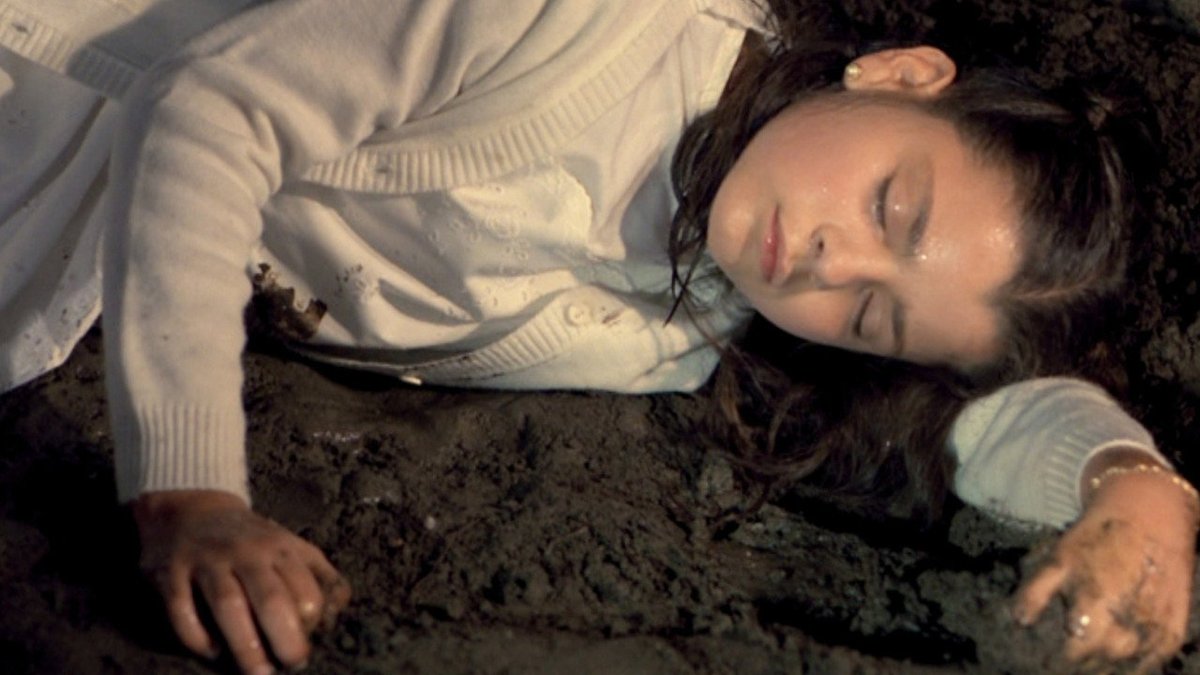
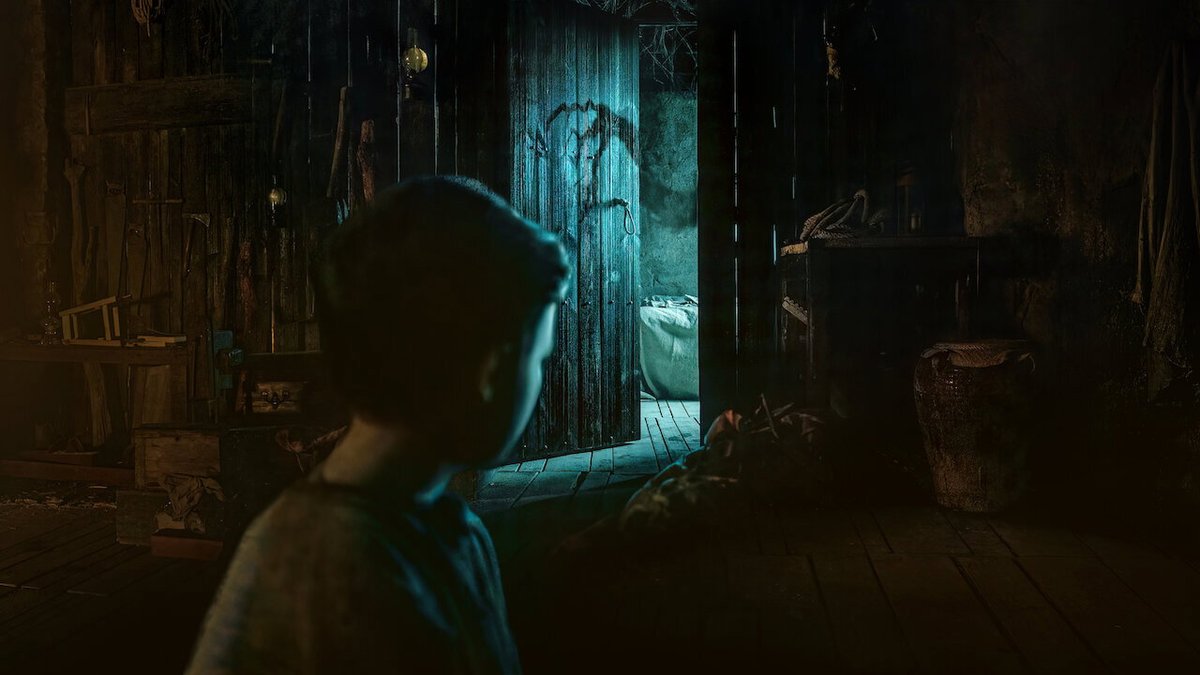
Poison for the Fairies is one of the cruelest films ever made about childhood, and what makes it genuinely disturbing is that there is no supernatural element. Everything that happens is the result of one child's psychological control over another. The horror is entirely human
Dial Code Santa Claus and The Wasteland both trap a child and parent in an isolated space with something merciless closing in, and both films understand that the horror lives in the parent's helplessness as much as the threat itself. Dial Code Santa Claus goes full action-survival with Thomas rigging the house into a booby-trapped gauntlet, which gives it a relentless, almost kinetic energy the Spanish film never attempts. The Wasteland earns its dread through atmosphere and psychological erosion, the moors swallowing every hope of rescue. I prefer Dial Code Santa Claus, the sustained cat-and-mouse through that house is more inventive and breathless than anything else either film does
A rope ritual filmed for views becomes an unbreakable curse in The Rope Curse, and that pivot from clout-chasing to supernatural dread is exactly where the film finds its bite. By anchoring the horror inside the logic of livestreaming, it weaponizes the audience's own voyeurism against them, making every viewer complicit in the disaster unfolding on screen. The curse doesn't just punish the couple for performing the ritual; it punishes them for turning something genuinely dangerous into content, which gives the supernatural threat a moral weight that keeps it unsettling long after the credits roll
DID YOU KNOW: Gêmeas was directed by Andrucha Waddington, who was primarily known as a commercial director at the time. It marked a sharp pivot into psychological horror that Brazilian cinema had rarely attempted with this level of craft
The 1980s were genuinely the golden age of extreme Japanese horror exports. Virus laid the groundwork for apocalyptic dread on a scale most Western studios wouldn't touch, and by the end of the decade Guinea Pig: Mermaid in the Manhole was pushing body horror into territory that still feels transgressive today
Pitch-black comedy: What if killing zombies was just boring office work, and falling in love was the real horror?
Night 26/31 of 31 Nights of Foreign Horror: Cemetery Man (Italy, dir. Michele Soavi)
Die Farbe is the entry point for German horror. Shot almost entirely in black and white with isolated color seeping in as the alien contamination spreads, it translates Lovecraft's most unfilmable story better than any big-budget attempt. If cosmic dread is what you're after, this is where you start
South African horror carries wounds that policy created and folklore inherited. These films reach into Tokoloshe myths, haunted farmlands, and bodies still paying for history's debts.
The Pool is a masterclass in doing everything with almost nothing. Two people, one location, one crocodile. Thai horror proving you don't need a budget to build unbearable tension
A text message from a dead number is all it takes to unravel everything you thought was safe about being alone. 4bia is a Thai anthology that treats isolation not as atmosphere but as architecture, building each of its four segments around a specific, suffocating kind of loneliness, whether it belongs to a housebound woman reaching through her phone into the dark, a royal court confronting a corpse that refuses to stay still, or a group of campers whose friendship becomes the worst place to hide
If you liked I Saw the Devil, start with these three. 1. Revenge (2017, France): Your thirst for revenge will cost you everything you once were
2. The Golden Glove (2019, Germany): One man's obsessive hunt for a killer hollows him out completely
3. Creepy (2016, Japan): Chasing a psychopath, you lose sight of who you used to be
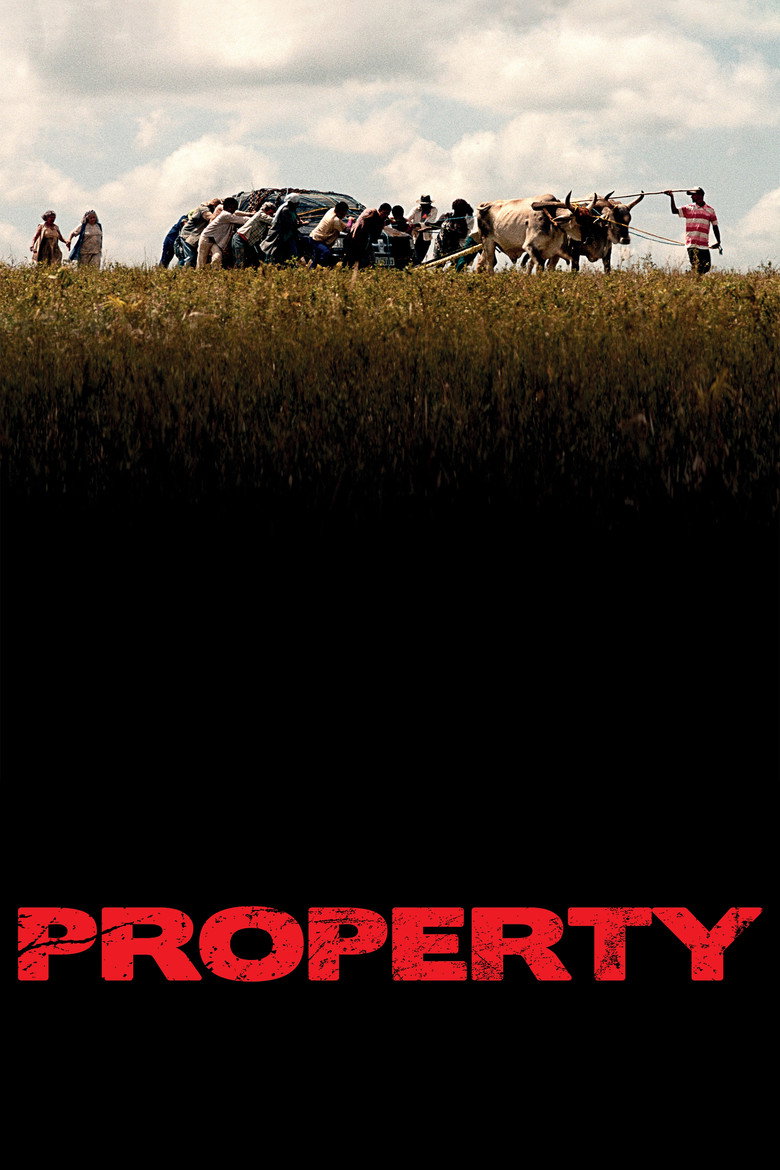
Property is one of the most suffocating class-war thrillers to come out of Brazil in years. The armored car becomes this perfect symbol of privilege turned prison, and the film never lets you forget whose side the glass is really on
Amsterdamned II arriving in 2025 is a reason to revisit the Netherlands horror scene. Between that, Code Blue, and Kristen, there's a real throughline of restraint and dread that defines Dutch genre filmmaking
The man who poses corpses for a living just watched one pose itself
Night 25/31 of 31 Nights of Foreign Horror: Post Mortem (Hungary, dir. Péter Bergendy)
Where to watch: Philo, AMC+, Shudder · Free: Fawesome, Pluto TV, YouTube Free
O Barão doesn't announce its horror. It seeps through the inspector's body gradually, the way the baron's estate colonizes him physically before it colonizes his mind. Portuguese body horror at its most insidious
Room 213 clocks in at under 90 minutes and wastes none of them. This Swedish summer camp ghost story moves fast, keeps the atmosphere genuinely uneasy, and knows exactly when to pull the rug out. Short, sharp, effective
Hard Labor is not a conventional haunted house film and that's exactly what makes it work. The horror is inseparable from the financial desperation Helena is living through. The store itself feels cursed because her situation already is
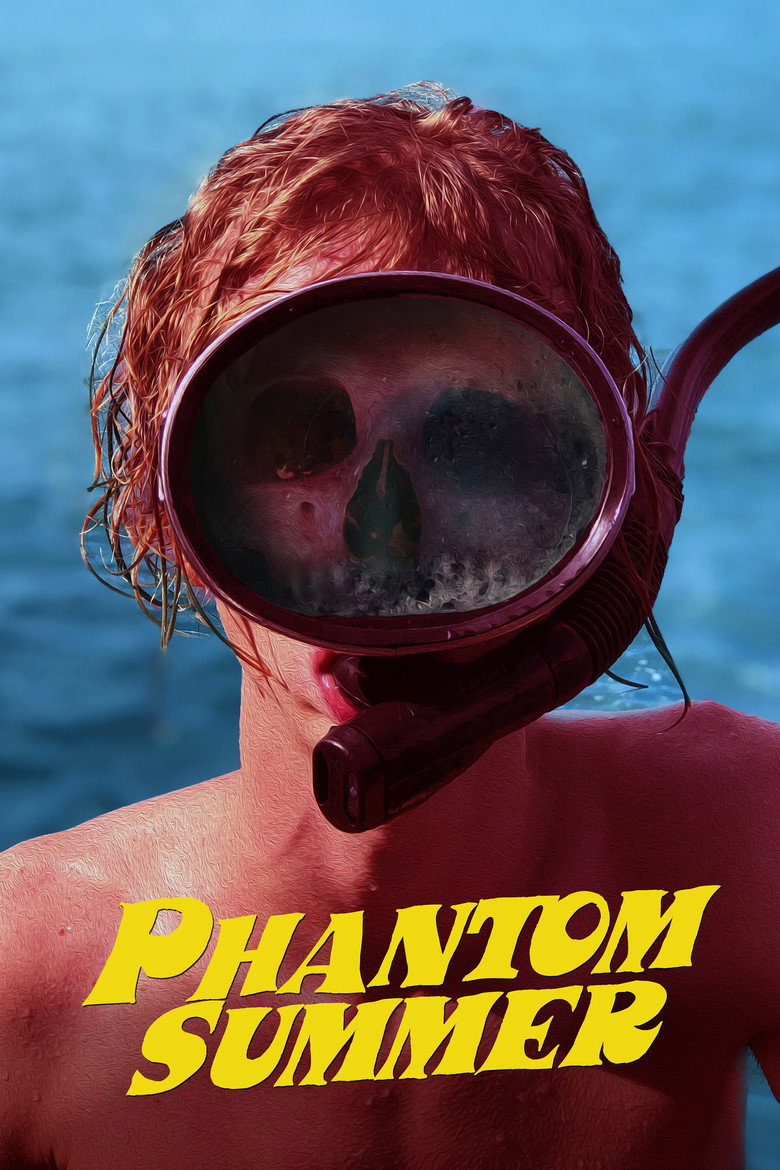
Phantom Summer earns its runtime, but you have to meet it halfway. The first hour is all sun, sand, and the specific anxiety of being young and not knowing what you want. Sit with that discomfort and the horror that follows lands much harder
Three nightmares, three legends, and one tiny box that will ruin you forever
Night 24/31 of 31 Nights of Foreign Horror: Three... Extremes (Hong Kong / Japan / South Korea, dir. Fruit Chan & Takashi Miike)
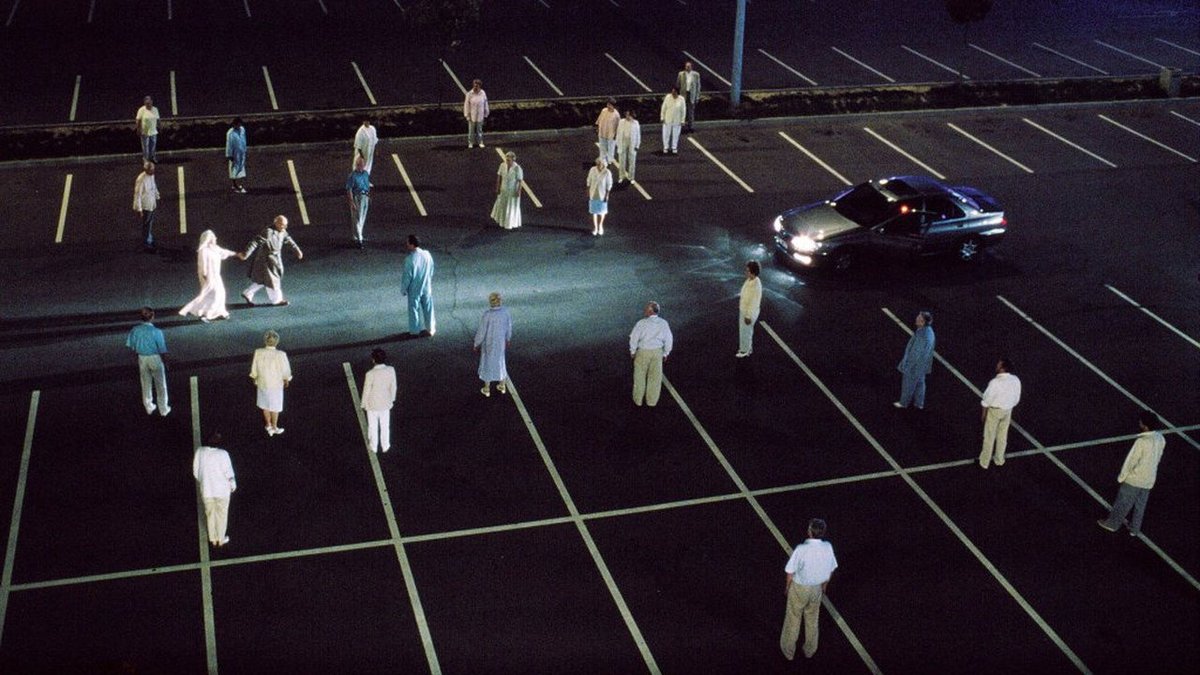
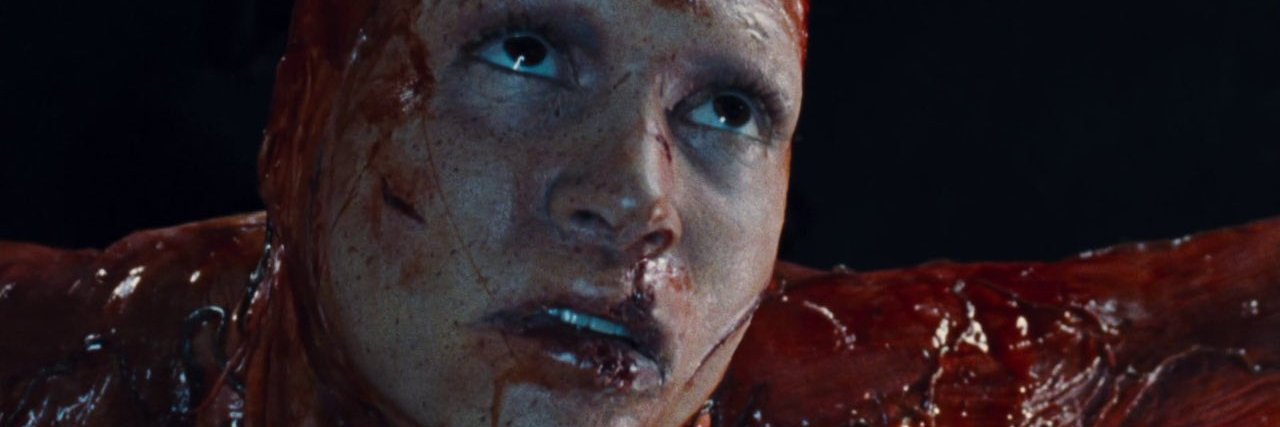
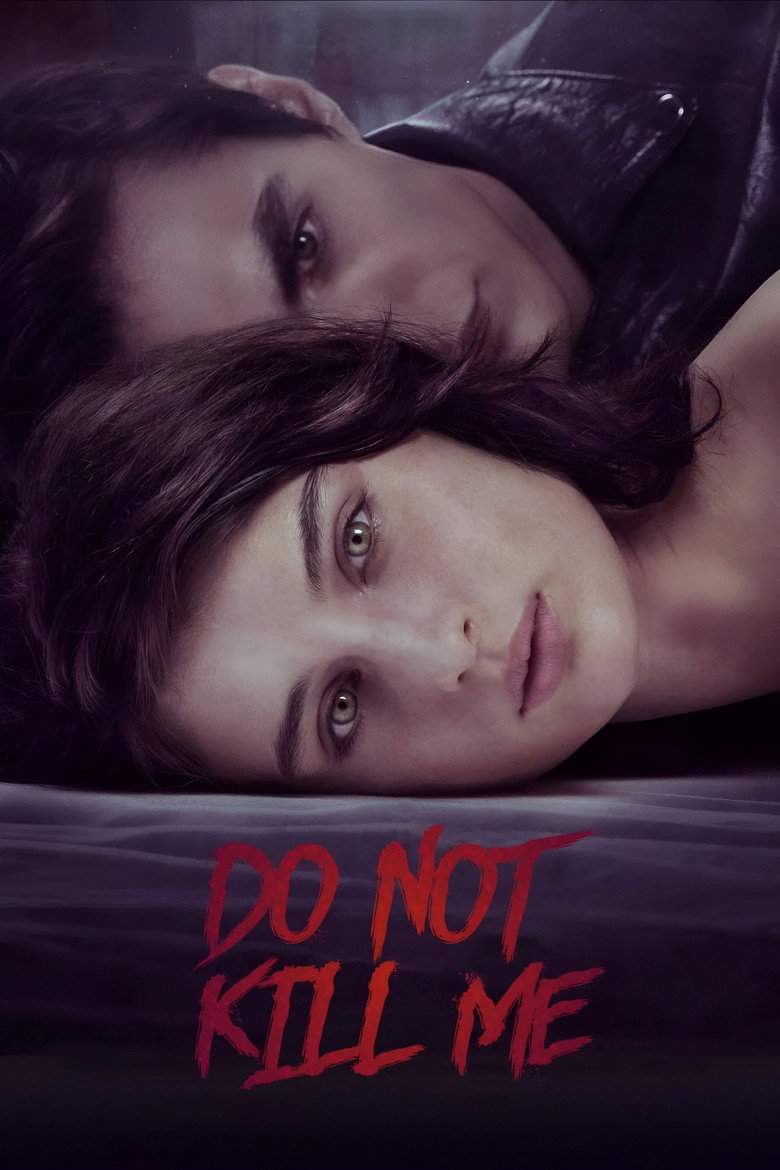
Les Revenants and Don't Kill Me both treat resurrection as a slow, uncomfortable reintegration rather than a horror spectacle, and that restraint is what makes both films work. Les Revenants builds its dread through the community's fracturing response to the returned, whole relationships collapsing under the weight of grief and resentment. Don't Kill Me leans harder into the visceral, Mirta's hunger giving her return a physical urgency that Les Revenants never quite reaches. I prefer Les Revenants, the scene where Camille sits at the dinner table and her family pretends normalcy is the most quietly devastating thing either film does