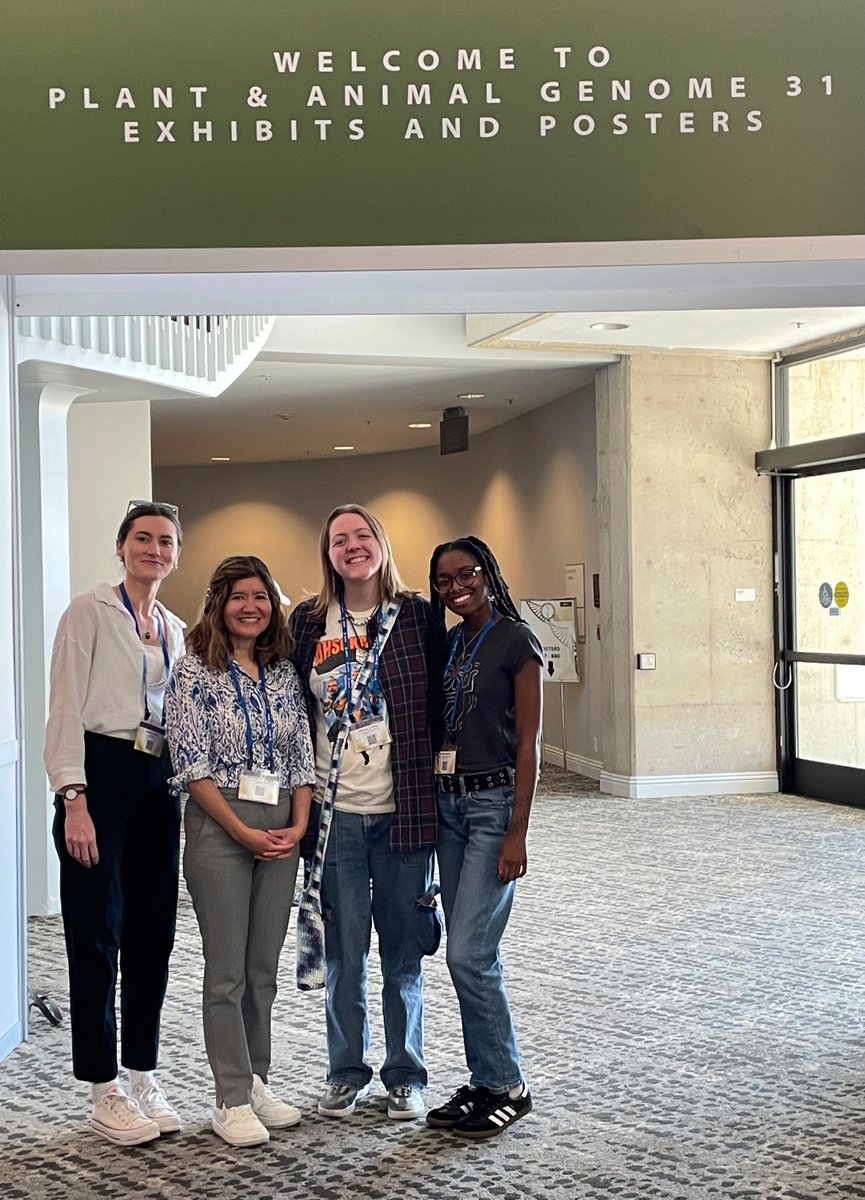
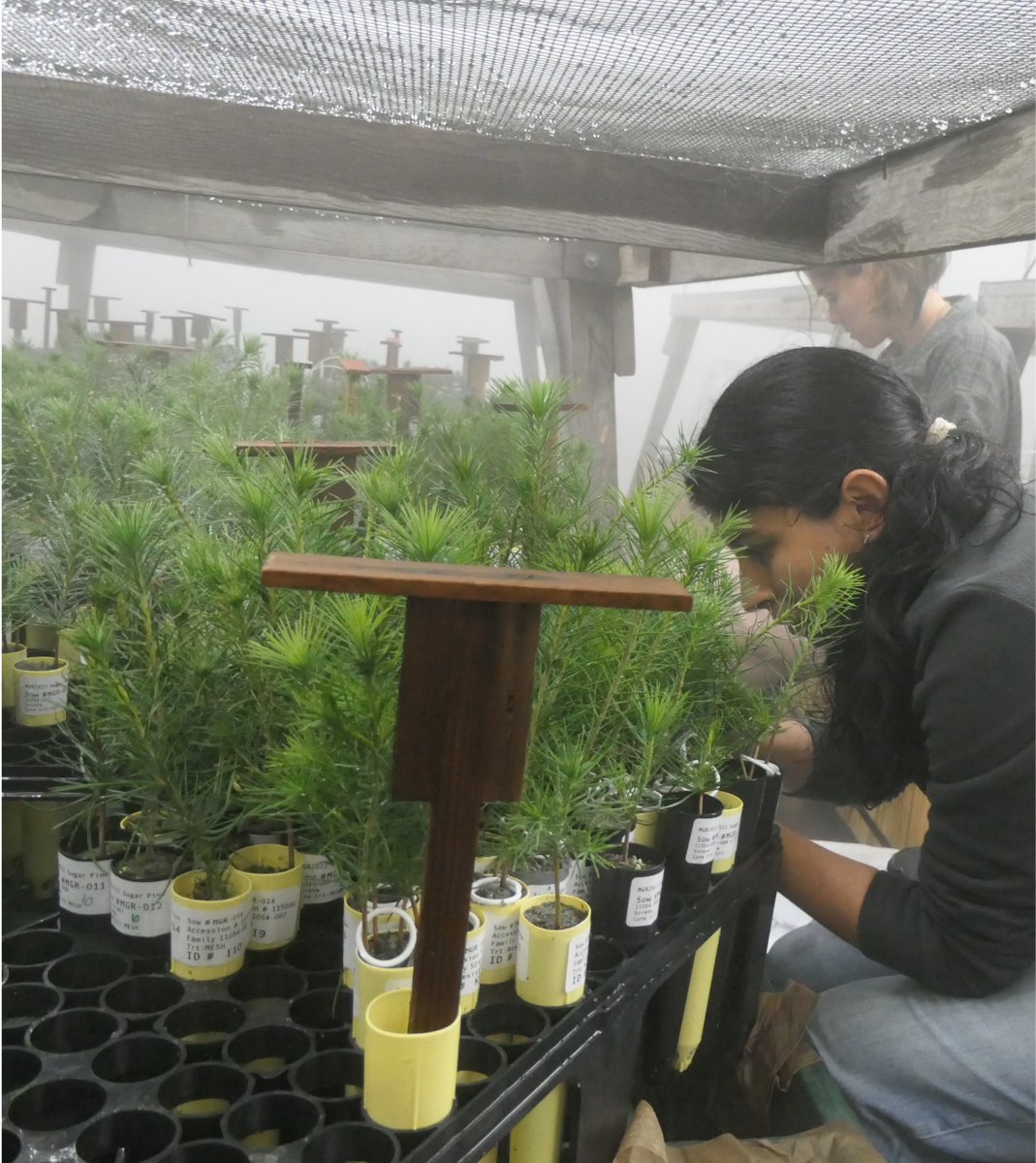
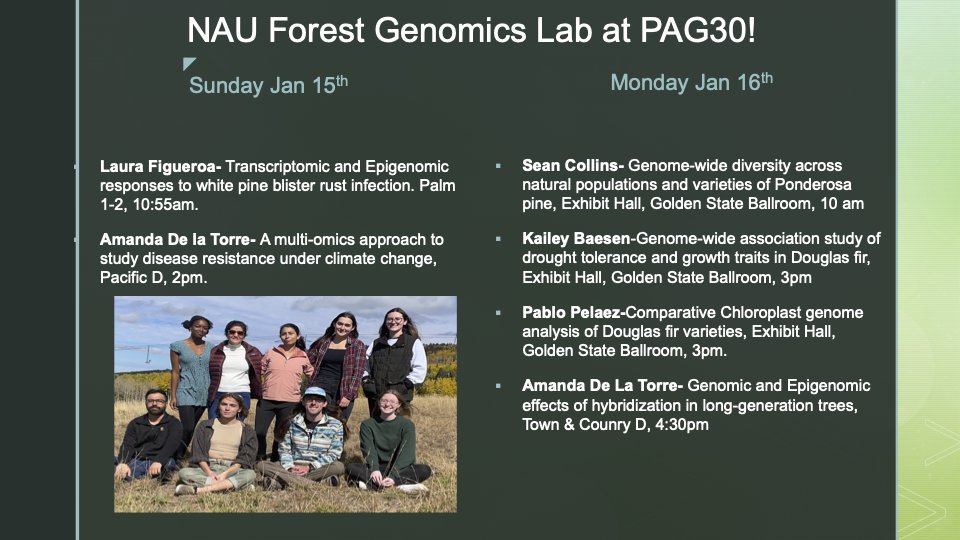
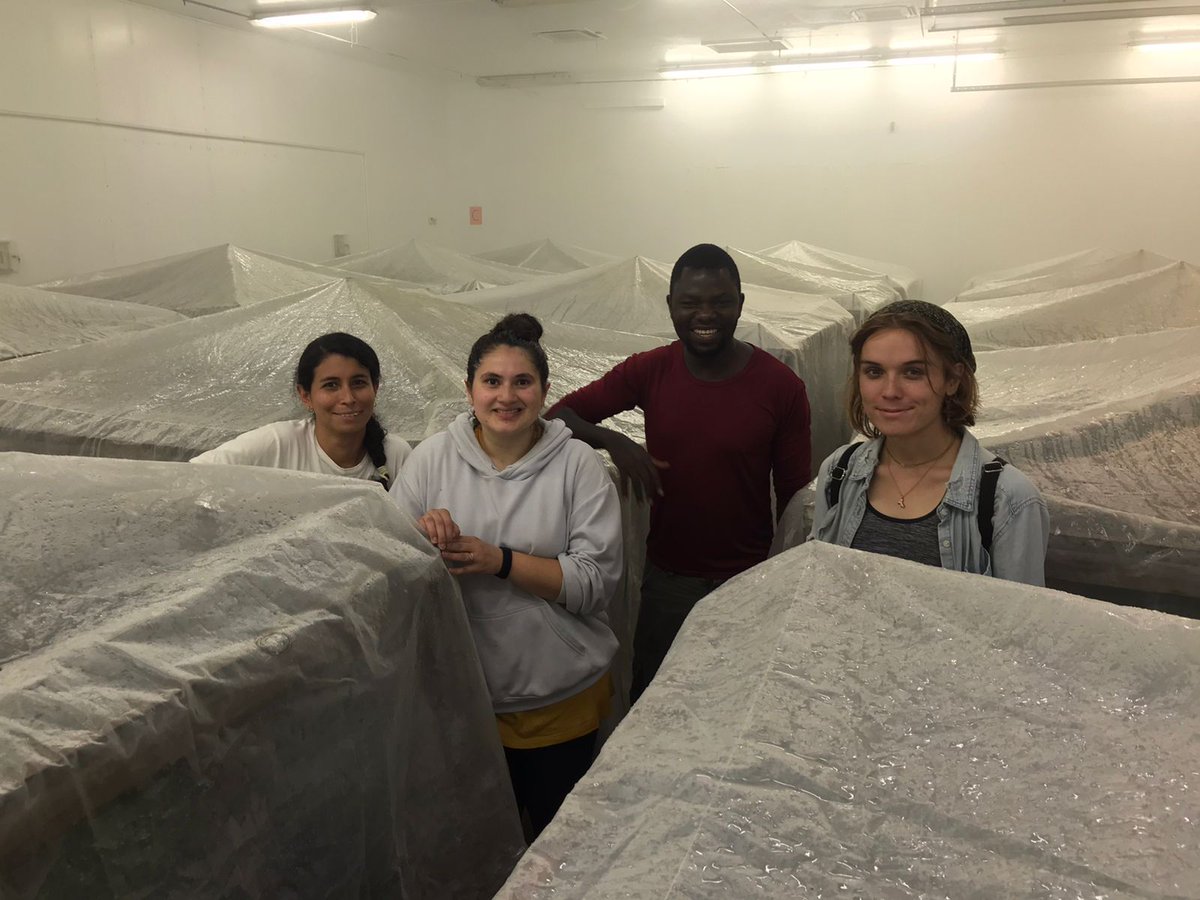
The Forest Genomics Lab is at the #PAG31 conference in San Diego! We are giving 6 presentations to showcase our lab's research projects in population genomics, genomics of drought stress and epigenomics of disease resistance.
👏🏾Good news on the
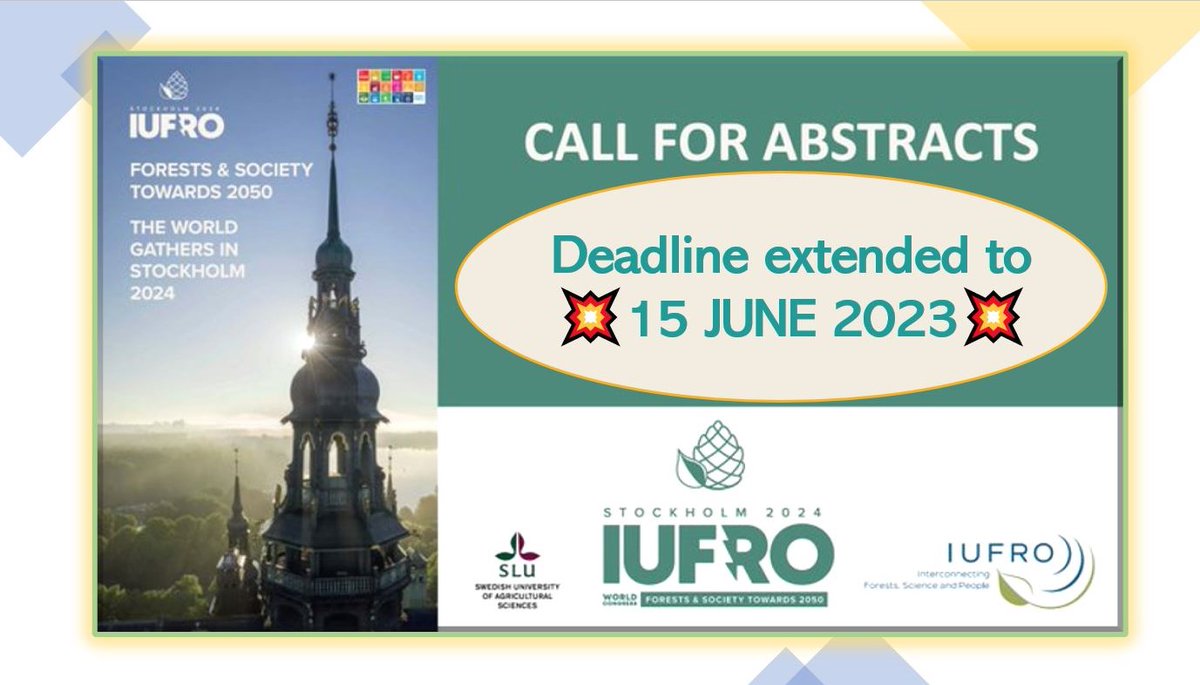
👩🏽🔬XXVI IUFRO World Congress👨🏾🔬
🇸🇪Stockholm, Sweden 🗓️23-29 June 2024
📰The deadline for abstract submission has been extended to 1⃣5⃣ June 2023!
⏭️ https://t.co/x9JQQo2cMA
#IUFRO2024
Congratulations to Isabella Qualls for receiving the Hooper Undergraduate Research award at NAU! @NAU_UGResearch Isabella will be working on estimating differences in disease resistance among populations of the endangered species whitebark pine
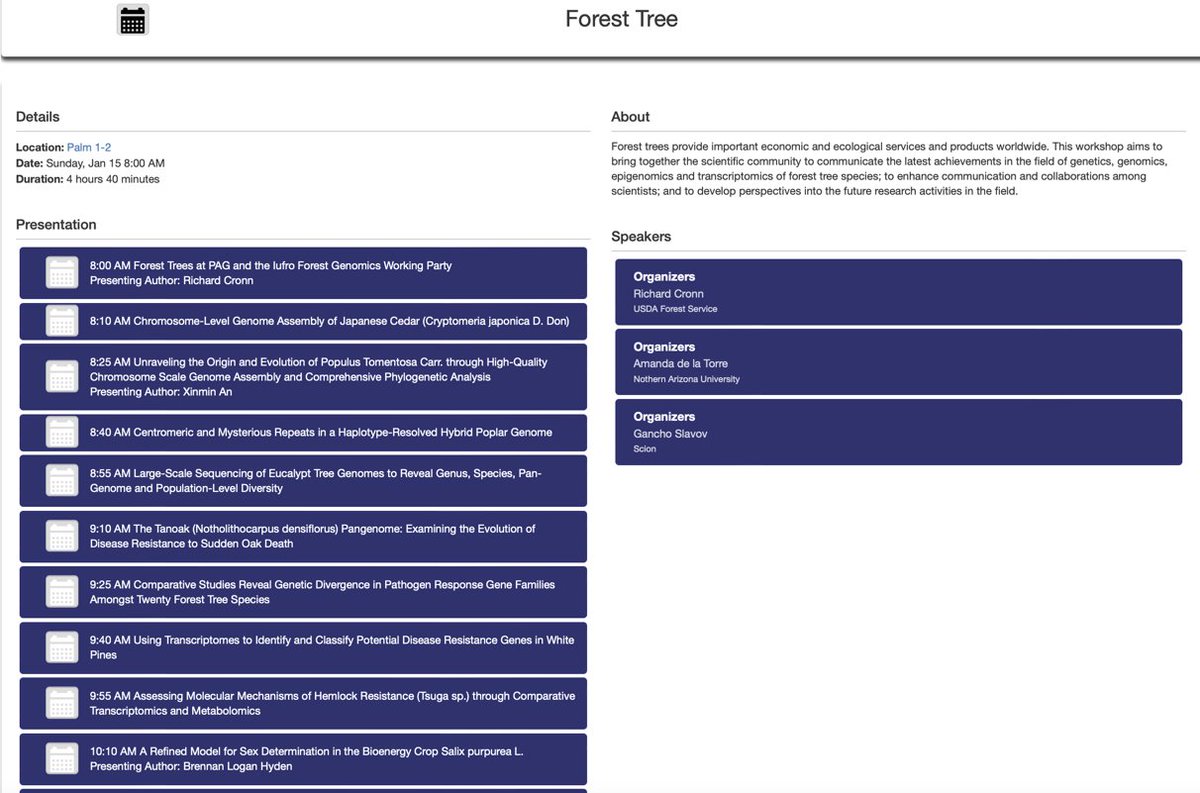
The NAU Forest Genomics lab is at #PAG30! Our group will give 3 talks, 3 posters and organize 1 workshop. Topics range from transcriptomics and epigenomics of disease resistance, to hybridization and population genomics.
Four Fall2023 Graduate #fellowships (M. Sc) available at SoF! Interested in plant conservation/ecology/physiology and genetics? join us at the forest genomics lab! https://t.co/vDjNGZsRyC
candidates must be American citizens from underrepresented groups in STEM. Deadline:Jan15th
Our lab is hiring a postdoctoral researcher to work in Conservation Genomics of the endangered species whitebark pine. Please look for position 606828 in "Current opening" in the link below. Deadline is January 2nd. Please RT!
https://t.co/4rSi05NQr7
Our lab is hiring a postdoctoral researcher to work in Conservation Genomics of the endangered species whitebark pine. Please look for position 606828 in "Current opening" in the link below. Deadline is January 2nd. Please RT!
https://t.co/4rSi05NQr7
How flowering plants beat bloom-free gymnosperms to world dominance? An interesting @newscientist article by @PennySarchet that comments on some of the results of our work on contrasting rates of molecular evolution between gymnosperms and flowering plants.
I’ve recently had the pleasure of diving into a question I’d always wondered about: why are flowering plants so hugely successful? And why did they so rapidly displace the gymnosperms, which dominated Earth during the time of the dinosaurs?
https://t.co/Jp2tIjY1Qi
Today we welcome Pablo Pelaez, a new postdoc in our lab. Pablo will be working in our recently funded @NSF CAREER grant in hybridization, epigenomics and stress tolerance in Douglas fir
Our lab is proud to be involved in this new collaborative effort to train Latinx undergraduates in Forest Science research @nau_cefns @NAUResearch, thank you @USDA_NIFA for the support!
Sean took some very nice pictures of his field work this summer. The first generation (F1) Douglas fir hybrids are 49-years old and growing beautifully in Idaho!
We welcome Sean Collins as a new PhD student in our group. Sean will be working on estimating species' genome-wide diversity and the genomic basis of drought tolerance in Ponderosa pine.
We are hiring a postdoc to work on a NSF-funded project in plant genomics, epigenomics and hybridization for 2 years. If interested, please go to https://t.co/4rSi05NQr7
and look for "Staff Openings", position #606354
We are hiring a postdoc to work on a NSF-funded project in plant genomics, epigenomics and hybridization for 2 years. If interested, please go to https://t.co/4rSi05NQr7
and look for "Staff Openings", position #606354