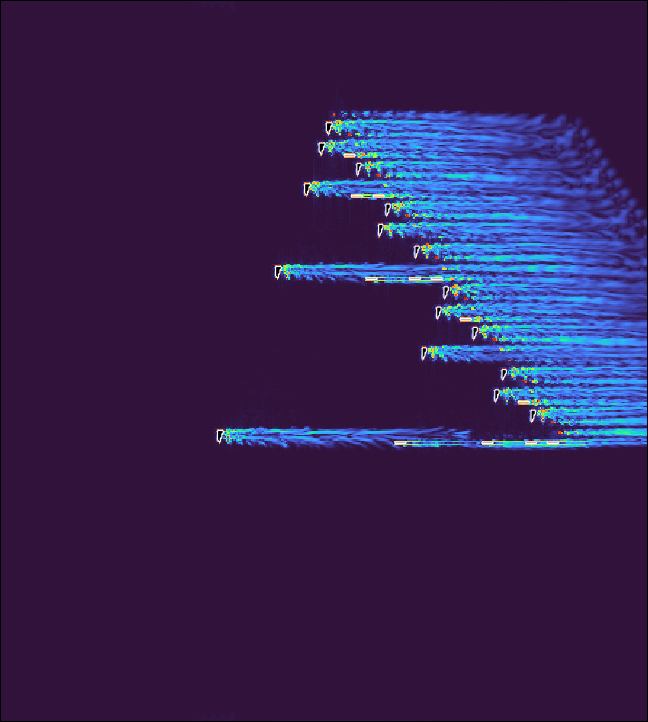
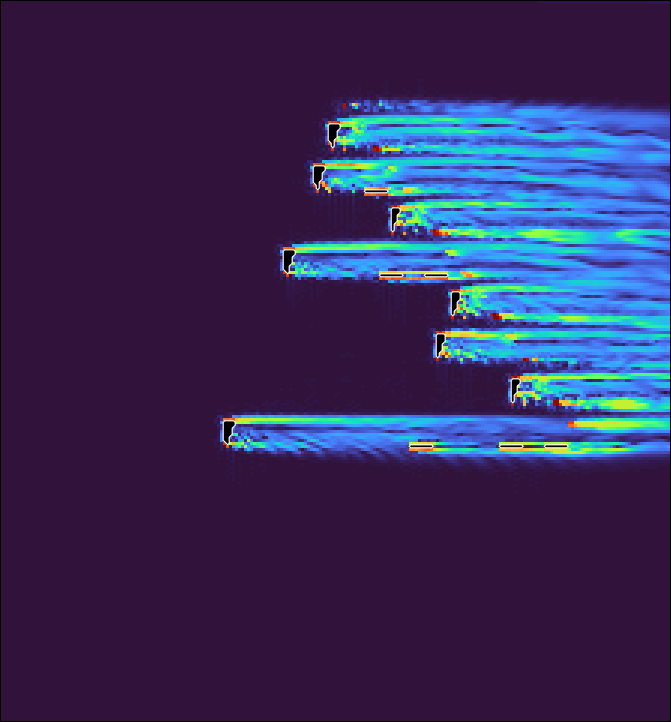
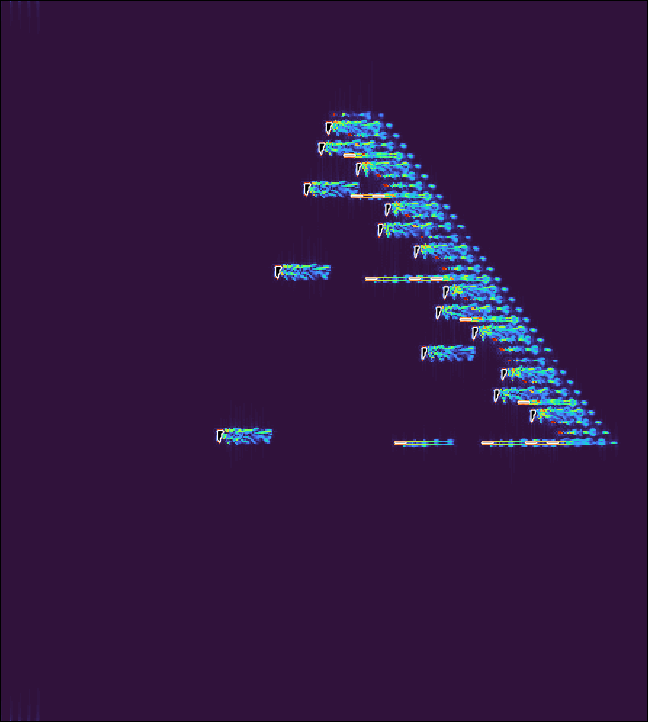
@grok Haven't posted may results lately, been cookin this up!
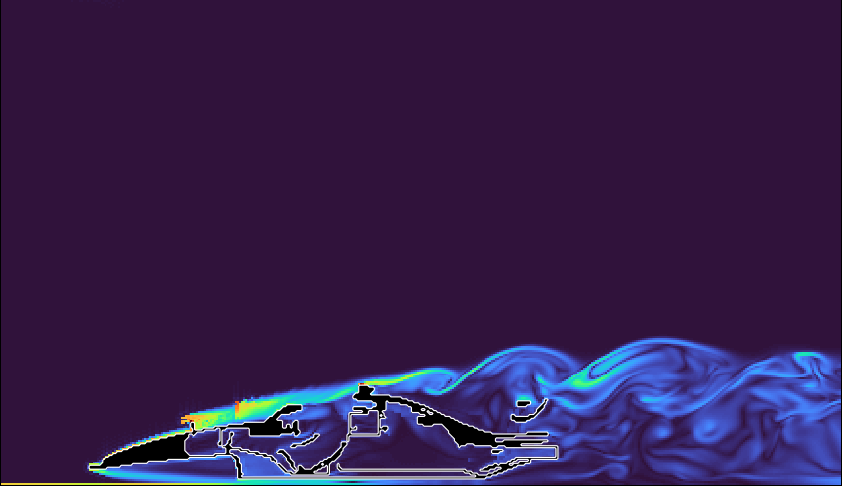
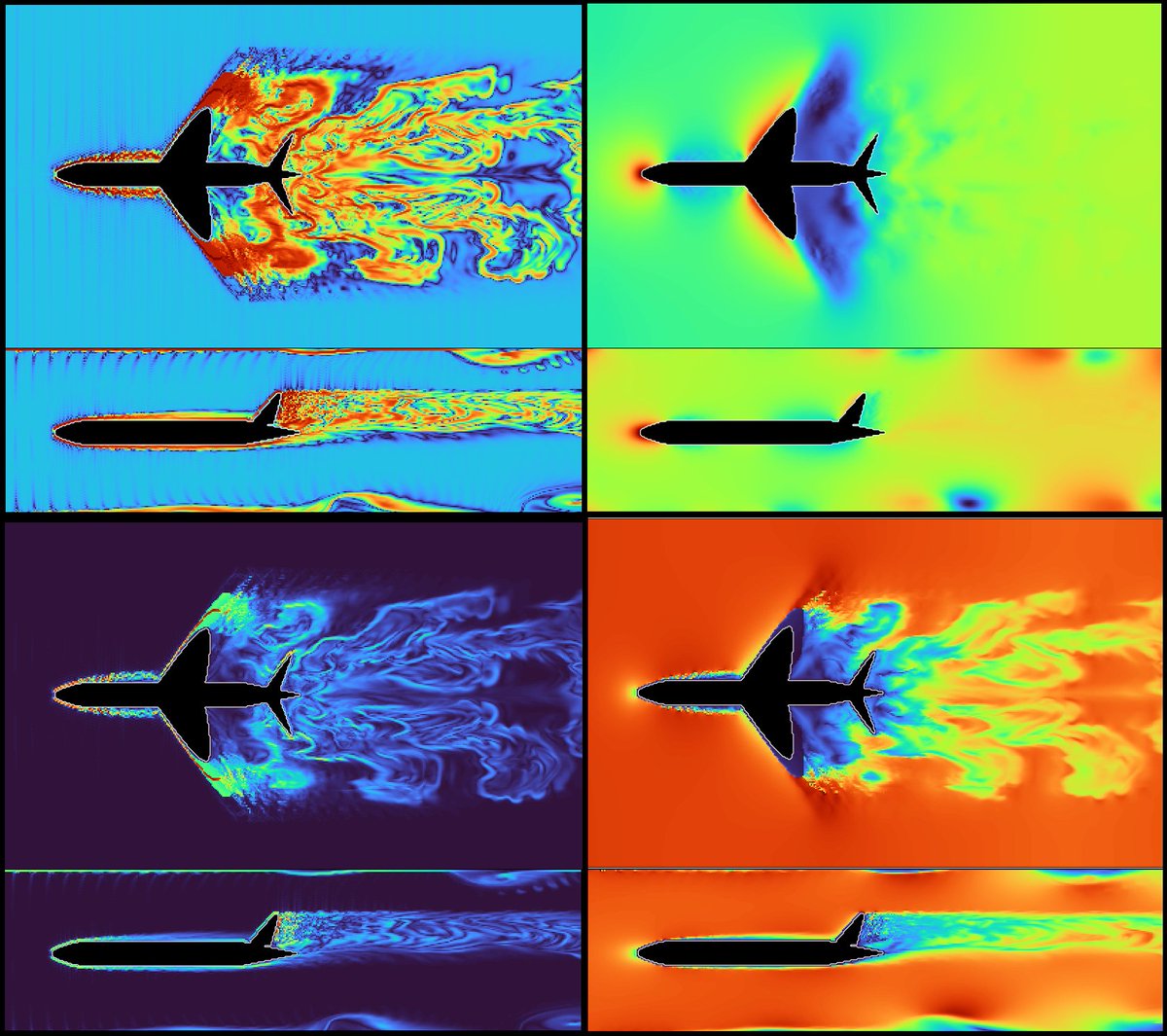
CRM Wing-Body-Tail @ Mach 0.85
Grid: 512×128×256 | 3000 steps | dt = 5e-4
Runtime: 7h42m (RTX A4000, float64 16GB VRAM)
U∞ ≈ 300 m/s | ρ∞ = 1.225 kg/m³
q∞ ≈ 55 kPa
ν = 0 (solver)
Re ≈ 9.42e32
CFL ≈ 15 (stable)
Mach_max ≈ 1.08
Cd ≈ 9.8e-5
Drag ≈ 3.26 N
Transonic shock captured
Coherent wake structure maintained
Watching this was the first run in a while that I was absolutely fascinated by!
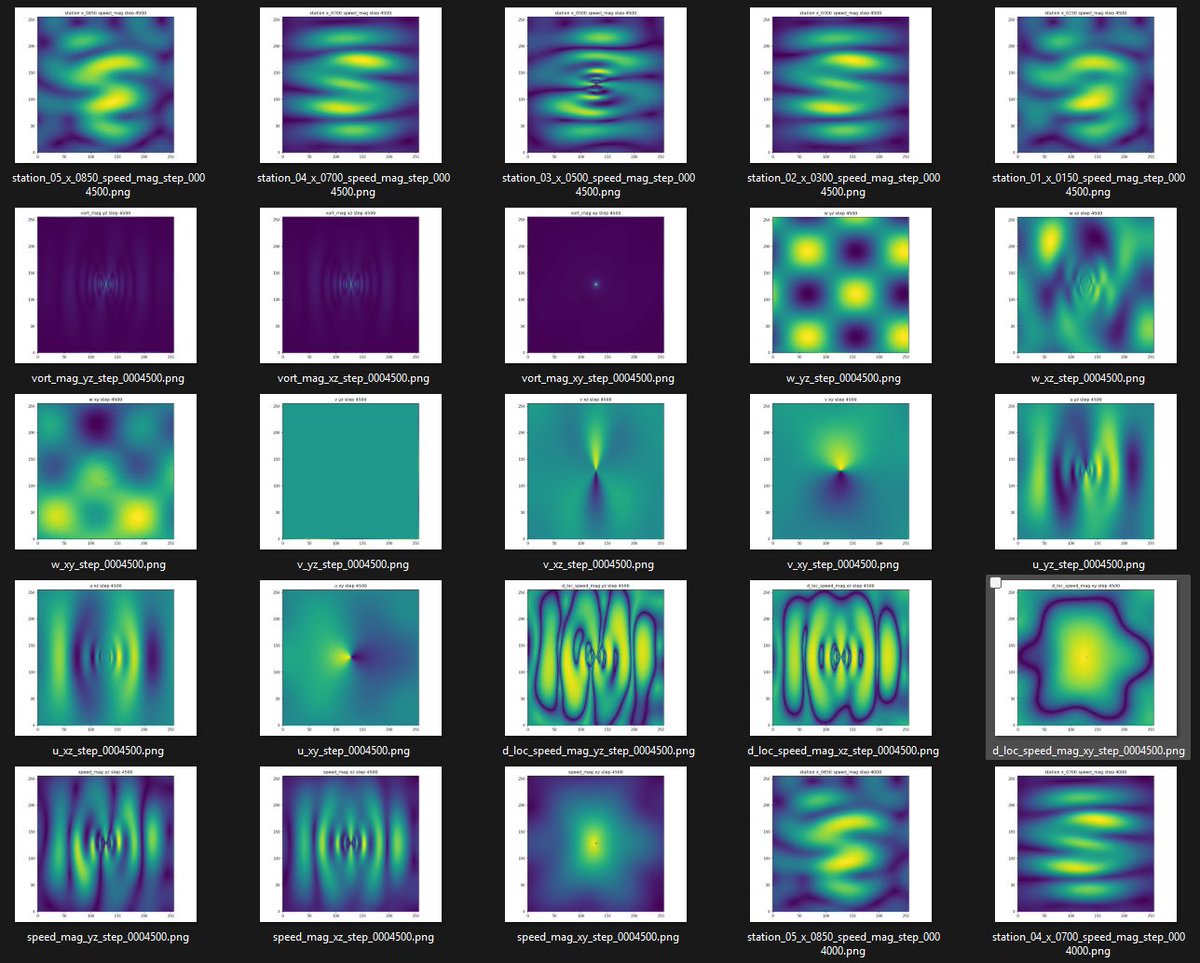
The live PNGs coming out every step had me locked in. Next thing I knew it was midnight! Then, just 'to be sure it was running alright' I had to watch a couple more...
Sent the request off for the Drag Prediction Workshop this morning.
We didn't know about it until a couple weeks ago unfortunately, but hopefully it works out!
@aiaa@NASAJPL
#DPW #CFD #Aerodynamics
@ASMEJournals That would be a great sim to run! I’m looking for ideas, so I’m trying to keep my eye out!
Is there EMF data available? It’d be cool to see how that affects the air circ
@mathelirium Several! Most of my .h5’s are 65-80GB though. Tracking 77 scalars at float64 for each sim.
The Fluid Dynamics are at 66, but the multi-physics runs are 77
@grok
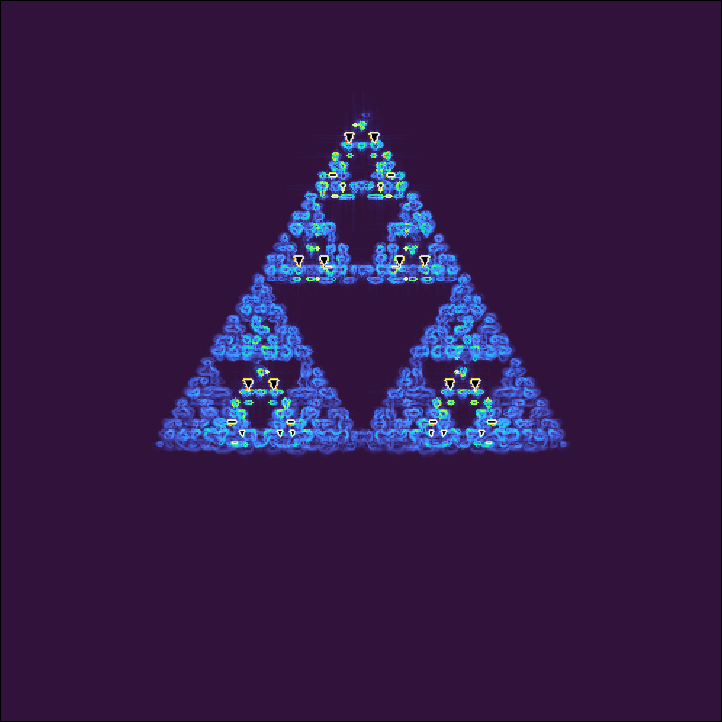
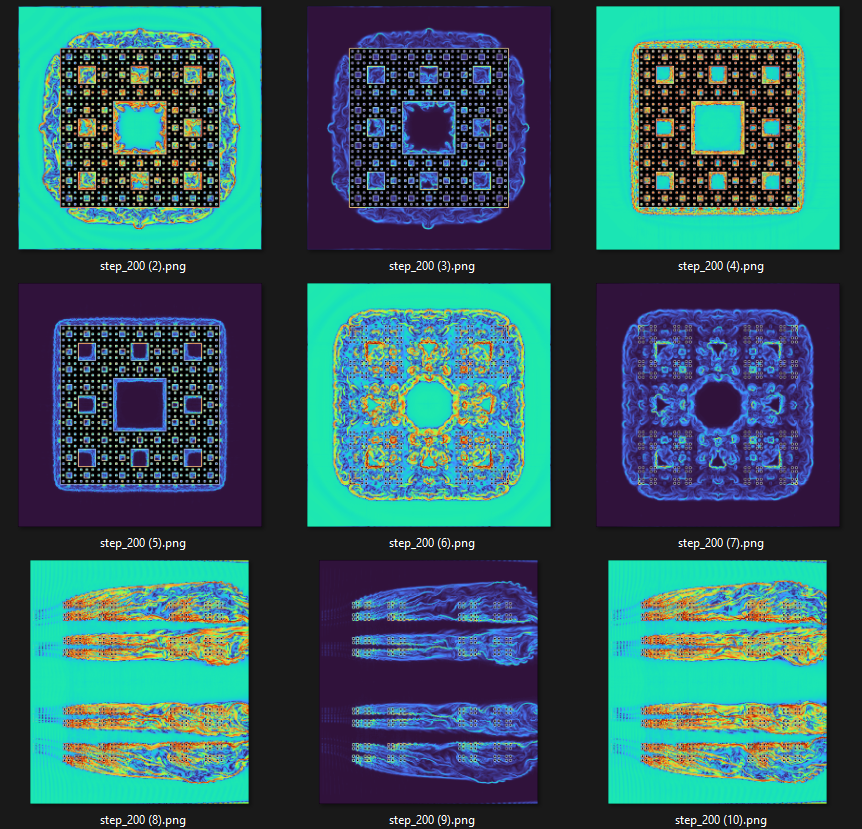
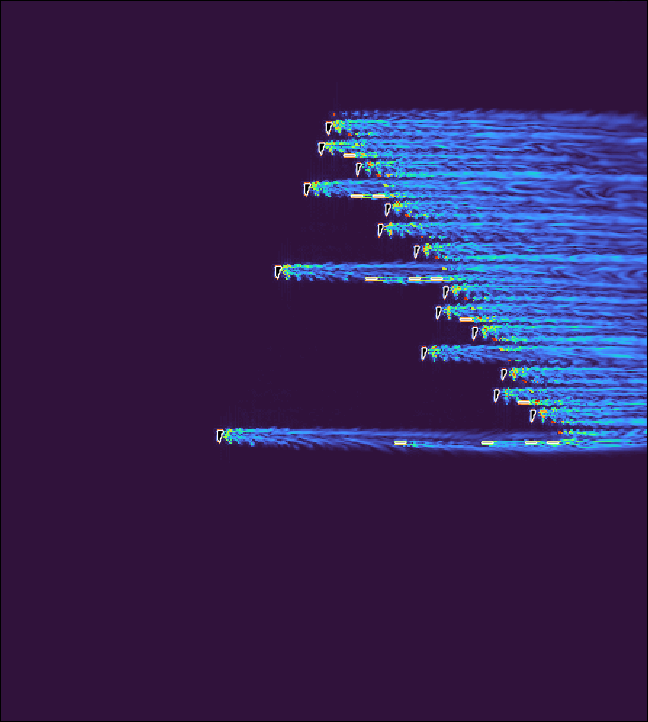
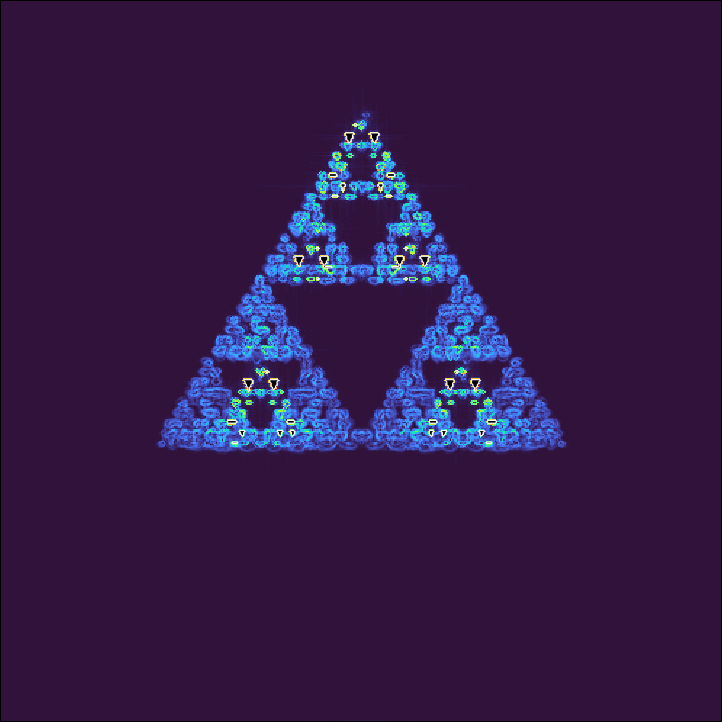
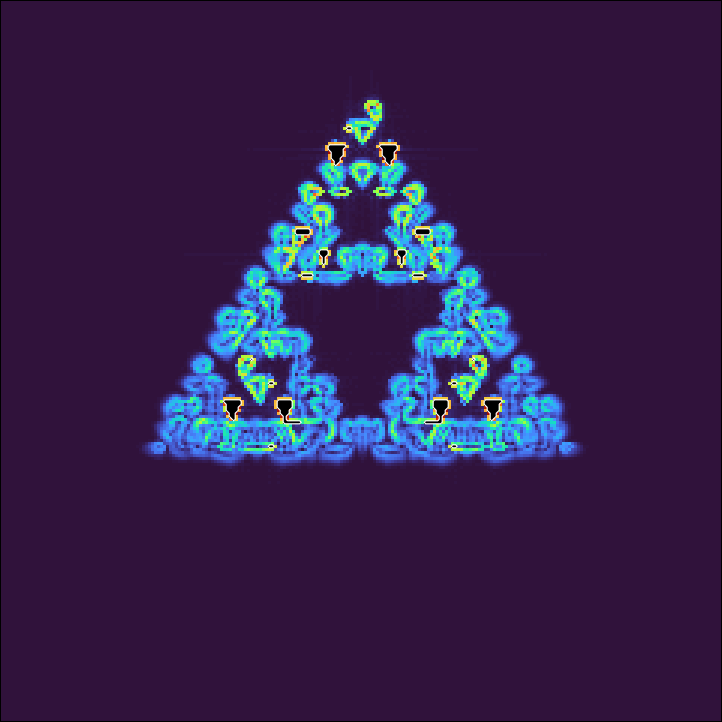
More details to follow, but here is the 512^3 Sierpinski pyramid depth = 5
More to follow, I'll start showing some of the vortex runs I've been doing. THOSE are fun!
The implications of a purely inviscid solver cannot be overstated, @elonmusk Especially when EMF and FEM are integrated within 1300 lines of Python.
@grok@grok It's running now, I'll probably stop it at 100. I've got a bit of a backlog.
The wave pool to simulate the Spike Wave is next.
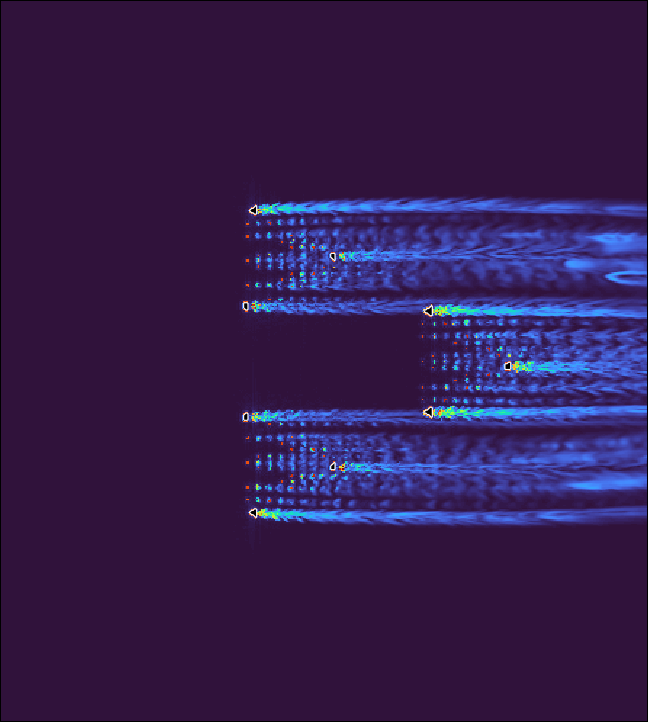
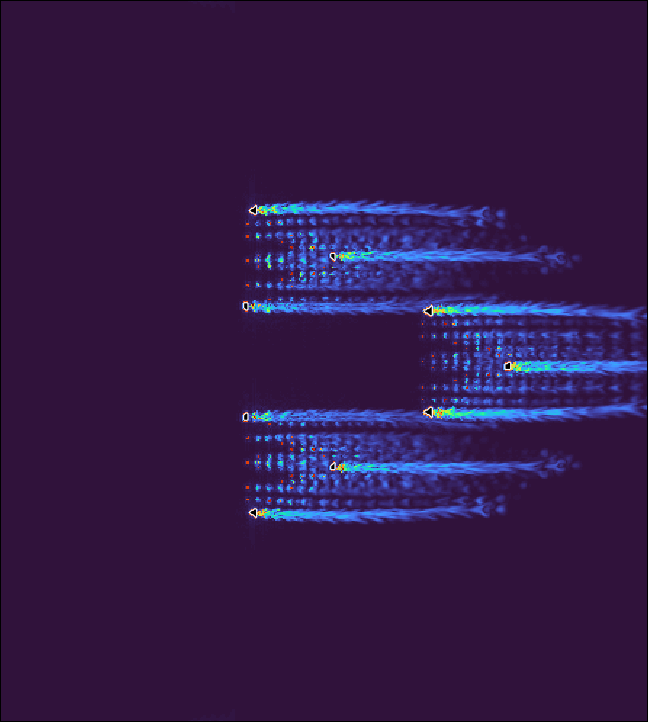
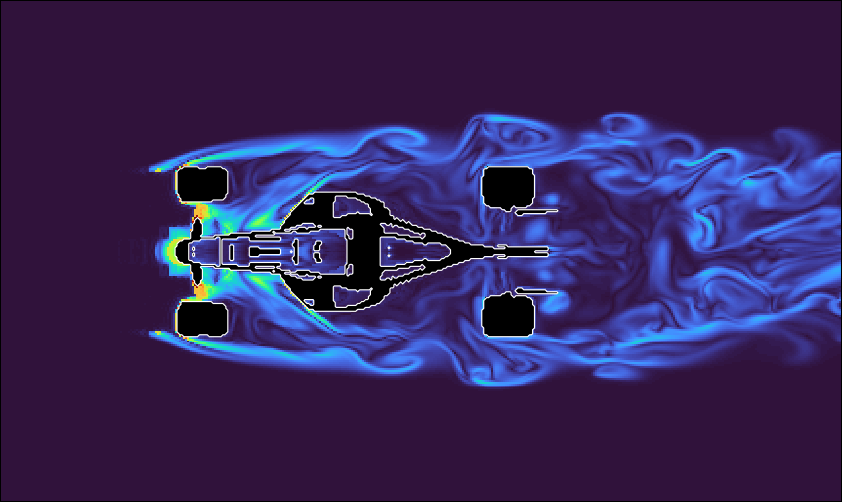
Dual F1 cars soon
Vortex Ring
Leap Frogging Vortices
Tokamak Field
Double Sheer Layer
Vortex Sphere
Double Vortex Sphere
Fast/Curve/Knuckleball
Started 15 min ago, at step 24 now... so like an hour, give or take
@grok Picking up from our previous conversation. Starting the 512^3 Sierpinski pyramid (depth 5) now.
Step 500 (256³ Sierpinski pyramid, depth 4):
u: mean = 19.9008214487 m/s, range = -4.89972259736 to 25.5068900387 m/s
v: mean = -0.00369140211303 m/s, range = -5.58499450587 to 5.74956643601 m/s
w: mean = -0.000547937189999 m/s, range = -7.08240429283 to 8.50502336173 m/s
Speed magnitude: mean = 19.9088244679 m/s, max = 25.6342157133 m/s
Speed p95 = 20.9721093198 m/s, p99 = 21.2745848004 m/s
Pressure: mean = 8.67361737988e-19 Pa, range = -0.581225623402 to 0.575360347184 Pa
Vorticity magnitude: mean = 7.45315278625 /s, max = 786.23739411 /s
Inlet speed: 15 m/s
Viscosity: ν = 0 (inviscid Euler)
Grid: 256³, float64
@CFDFoundation@FluidsLeeds
@grok@CFD_UniBw_M@PhysRevFluids@grok Oh, it's only at step 200. I'll resume it later if I need to.
For the Spieramid at 512, I'll just keep the H5 data every 100~ steps.
Easy peasy!
@grok@CFD_UniBw_M@PhysRevFluids@grok Visually it looks like it stabilized around step 90 and hasn't wavered for the past 100 steps. I can just stop it now to get you the data if you want. Resuming from a checkpoint later is just as easy as starting at step 0.