@cobbo3 And that's just the start. Come 2028 , there are 34 Senate seats up for reelection. 15D/19R.They gain super majority if they flip 4 more seats, they neutralilse the filibuster.
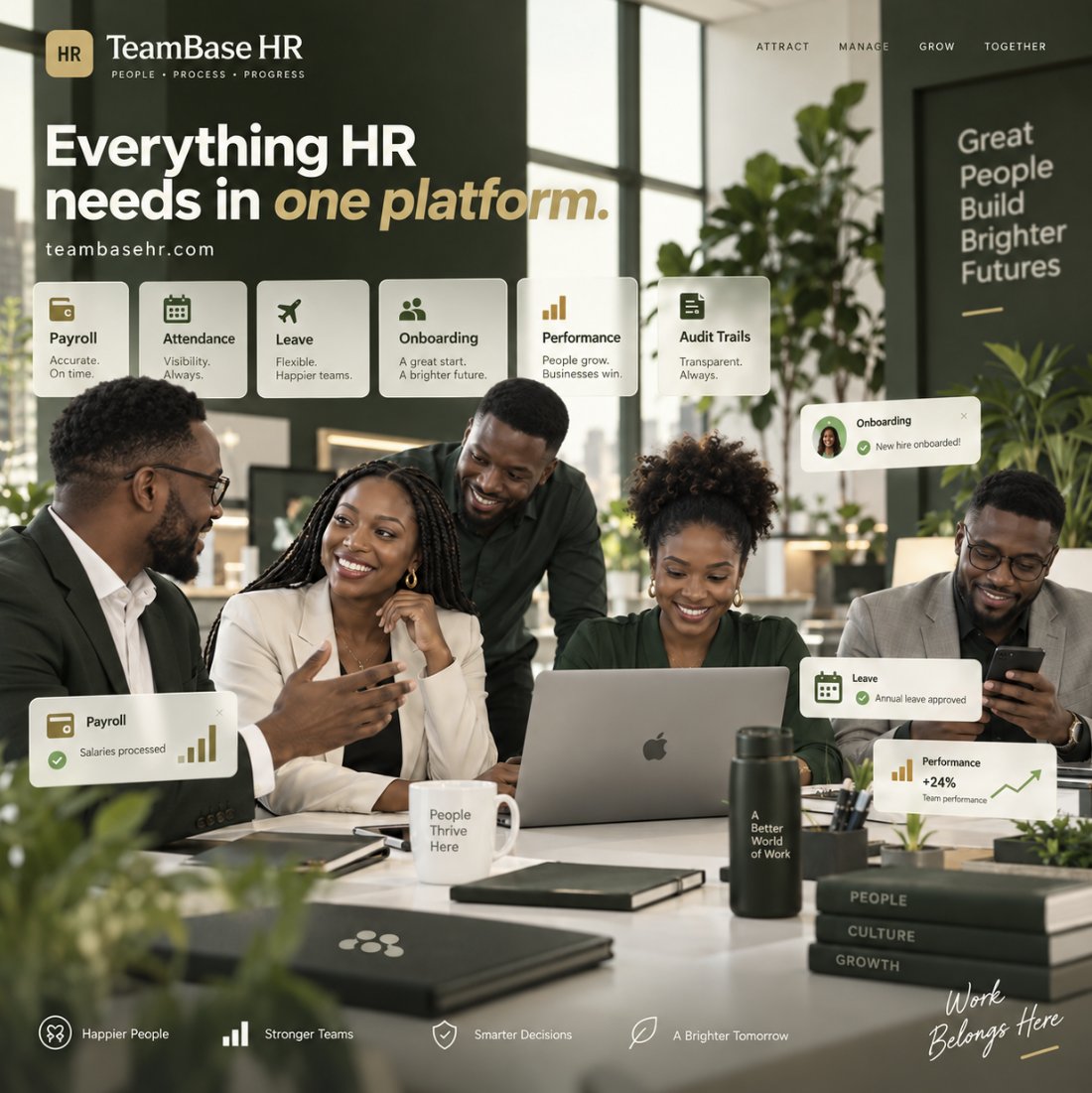
Good people management shouldn't be something only big companies can afford.
TeamBase HR is free for small teams of up to 10 people: employee records, leave and attendance, and a team dashboard. No card, ever.
https://t.co/SCKgHxTYjP
@KakandeAlex Unrealized gains are not revenue, they don't meet the definition of revenue. But also they can't be disturbed as dividends or profits. IFRS limits such distributions to only realized gains. I don't think you meant revenue
Good M&E is how we find out whether our work actually helped anyone. Learning to do it well shouldn't depend on who can pay for a course.
So the core MEAL courses on M&E Learn are free, for anyone who wants to start or get better at this work.https://t.co/RTZ9fHUwLS
So NSSF just declared a 22.53% dividend. But when a bank pays more interest on deposits than it earns from lending, then there is a bigger story. So let’s scratch a little, shall we?
First, according to NSSF, 76.5% of its assets are in fixed income in form of government bonds, while 18.4% is in equities and only 5.1% in real estate. So which government bonds are performing so well? 76.5% of the entire fund is a lot, especially when you are paying a 22.53% return. US 10-year TIPS pay about 2.8%, and Ugandan 10-year bonds pay about 15%. Neither comes anywhere near 22.53%, so the gap is being covered somehow.
The 18.4% investment in equities made large unrealized gains, and the fund decided to pay those unrealized gains out as dividends. Enron made something similar. It booked future profits(unrealized) on long term contracts, so its reported earnings looked strong but there was no cash.
Anyhow, announcing such a high rate is good optics for the minister, the NSSF management, until the unrealized gains reverse, or until the overconcentration of 76.5% in junk bonds catches up with them. Uganda’s bonds are rated B3 by Moody’s, B- by S&P, almost CCC tier, which is the same level as Angola and Argentina.
When a government pays 15% on its treasury bonds, it means the bonds are very risky but, domestic investors like state pension funds may still buy them. With less international borrowing and donor funding reduced, its politically right for a state pension fund to support government operations by willingly taking on very high risk junk bonds in return for a very high yield. Domestic banks also have an incentive to buy these junk bonds and earn 15% rather than to lend to SMEs. In the end, it's an internal money cycle, taxpayers pay high interest on the junk bonds, get taxed again, and the money goes around. When the loop becomes unsustainable and the cycle breaks, NSSF will shift the resulting losses onto the savings of future workers.
Skuulmaster Parents app in action, exactly what parents would see. Exam grades, report cards, fees paid and outstanding, , announcements and messages, all on their phones, instantly.
Okay! Allow me to be a bit graphic here.But I will keep it clean, I promise.
So let's say you have a romantic arrangement. You agree on terms. You have full consent before. But then midway thru, something happens and consent is withdrawn. Can you say that "Look!! Because I have already paid you, the show must go on" or the law requires that you stop the moment consent is withdrawn?
@oscarmoses19 @iam_igumira@bruno_KUg@CounselAllanVic Agreed!! Except that now the legal guardian(father) has decided to withdraw consent of use of the child's content. Can the manager continue to profit off of the child's content without the parents consent?
That part is okay, the manager played right I believe. But going forward (regardless of the past) he can't refuse to hand over the account login credentials whose content is 100% the identity, image and performance of the child. He can't continue to profit from the content of a minor child. Unless he has express consent from the legal guardian.
Except that when it involves a minor, child protection laws kick in. The manager may have created the account but the content belongs to the minor( with consent from the legal guardian) it's the child's image, his name, his performance, his identity. This is why you see pictures of minors are blurred. The moment the legal guardian (parent) withdraws consent, continued use or storage will automatically land you in legal trouble. The manager has an uphill battle explaining to court that he is not a child abuser/ exploiter especially if he is seen as profiting from the minor's online presence
Think of it in terms of child support for example. The custodial parent is given money monthly on the child's behalf, not directly to the child. Parent doesn't have to account for it, they can spend it as they see fit. Sad reality!! Because the law assumes the the parent's spending decisions will be in the best interest of the child
Right!! I agree, but see, the law doesn't treat the parent as harshly as it would for the non-parent. The case against the parent is mostly civil but that against the manager is considered criminal. Also the parent is the legal guardian (they can legally make financial decisions on the minor's behalf) which might give the father a pass unfortunately. Courts tend to be lenient to parents of minors, but tend to look at non-parents as exploiters
@sanyukatv You can't enter an agreement with a minor. Even if the child consents to the agreement. In the eyes of the law, it's seen as child exploitation.
The reason you don't just to media without a lawyer. The manager is self incriminating himself. Whereas he created the account, the content is owned by the tengteng(minor) because its his image, his name, his performance, and he is a minor. If parental consent has been withdrawn, the manager is deemed to have exploited the child's labor and image. So he may get into a bit of legal exposure.Partly why, YouTube has very strict policies on use of minors