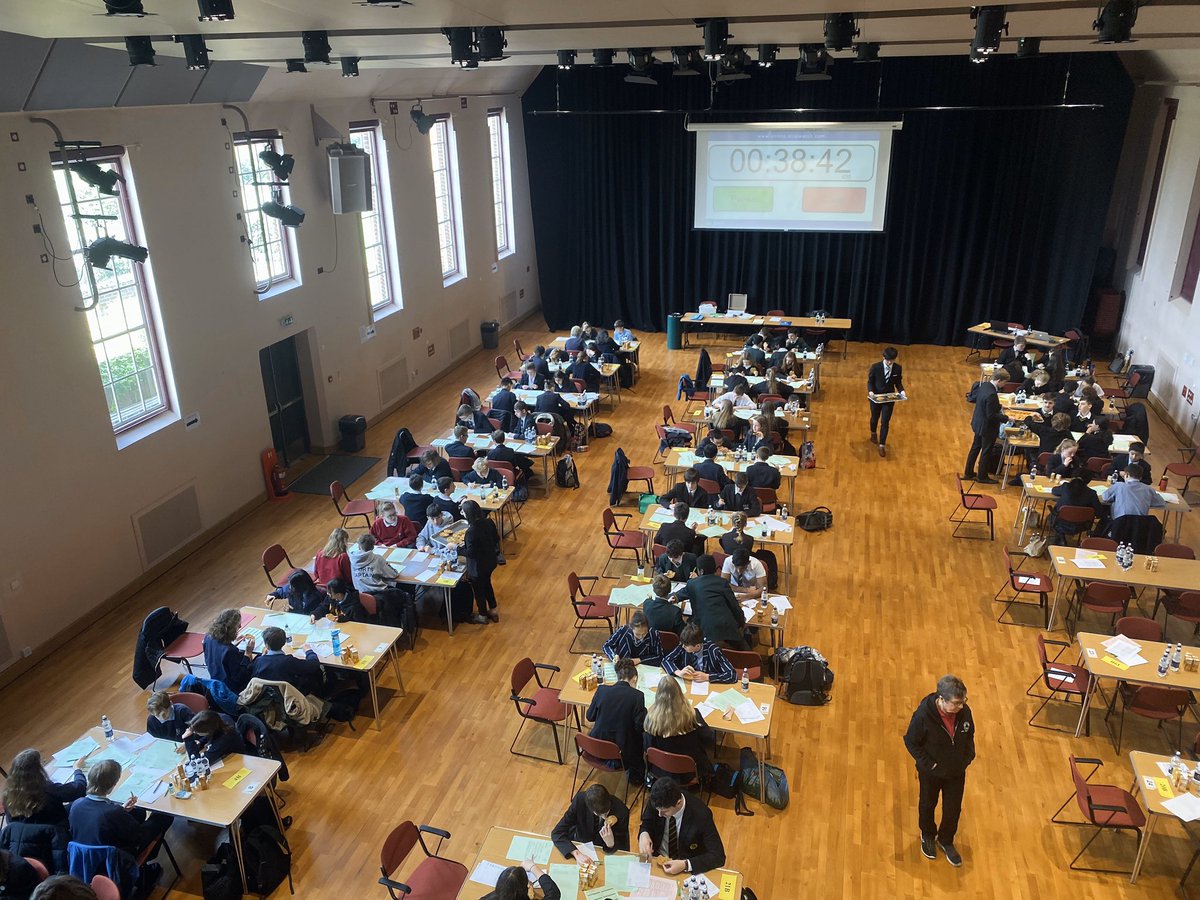
Congratulations to Titanic Investments, Arthur O., Ben S., Tom C. and Theo S., who have reached this year's final of the Student Investor Challenge! The initial trading competition attracted over 30,000 students and 10,000 teams.
Read more: https://t.co/jqGti9No0q
Super sleuthing today for Year 9s as they try and work out who murdered the Principal of Saxtead College, Mrs South. 😱 Scientific, maths and language skills needed. WHO? WHY? HOW? #CSI@FramCollege
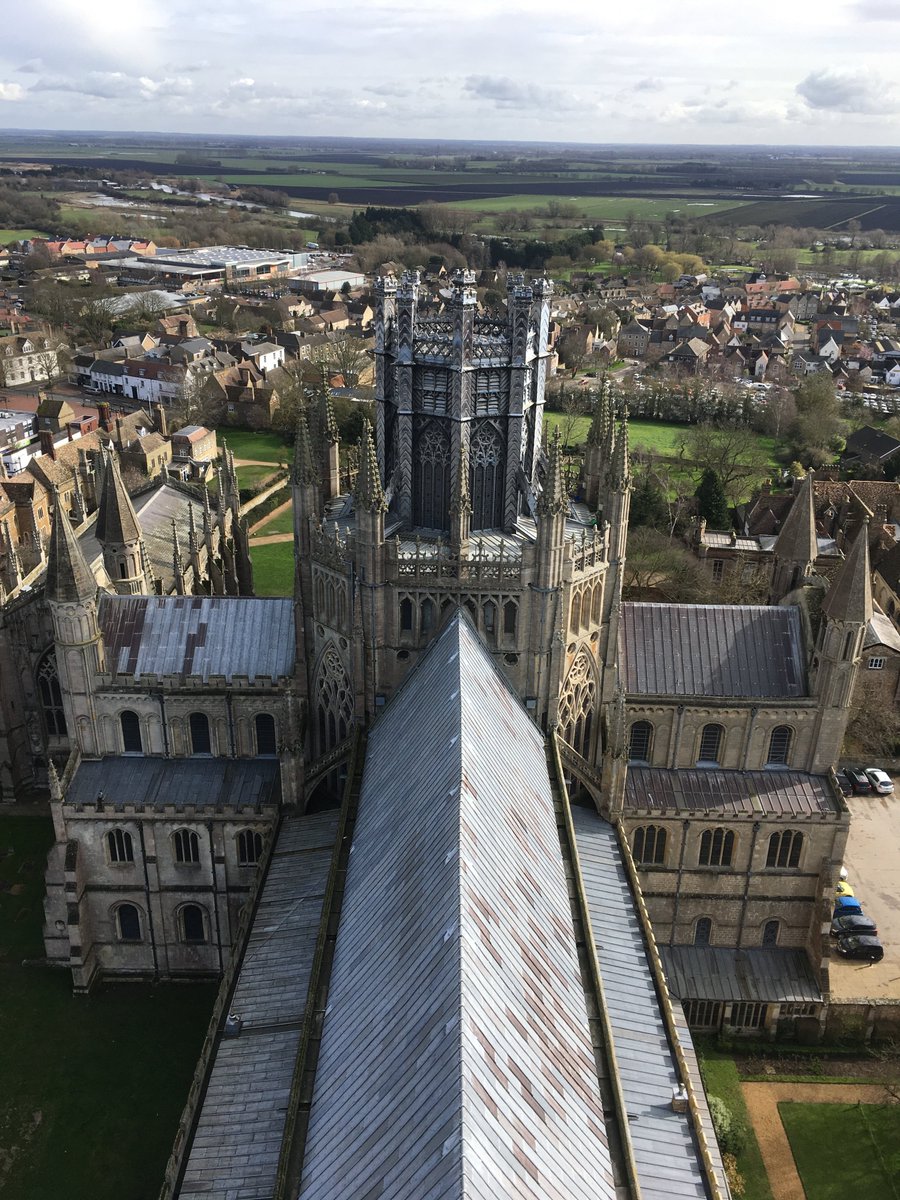
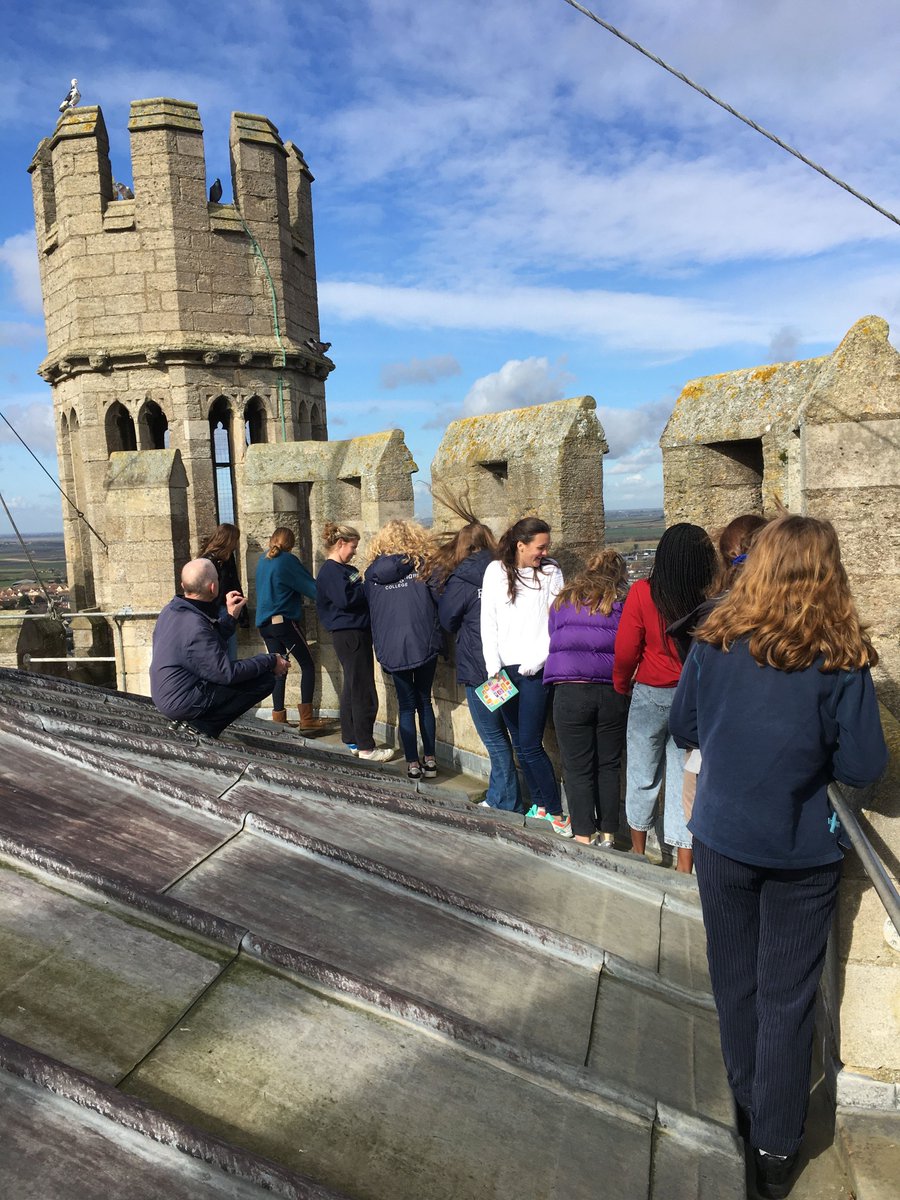
GCSE Religious Studies students spent the day exploring the beautiful and edificial Ely Cathedral, including climbing all 66 metres to the top of a windy West Tower. They gained valuable insight and ideas which will benefit them in their exams.
On Tuesday Year 12 Biology pupils were able to attend the Schools' Day at the Babraham Institute. The event involved students working alongside researchers on world-leading bioscience taking place at the Institute followed by PhD students giving informative talks on careers (1/2)
After completing the ABE activities, Year 13 Biologists completed a ‘Puzzle Room’ activity which revisited some of the key techniques covered; specifically micropipetting, electrophoresis and bioinformatics BLAST alignment. (1/4)
@TSNphil@ABEProgOffice @STEM_UH
@TSNphil@ABEProgOffice @STEM_UH Students had to draw a calibration curve, interpret results from gel electrophoresis and recognise single nucleotide polymorphisms by comparing 2 DNA sequences to find the code to unlock Archie who was trapped in a toolbox. (3/4)
@TSNphil@ABEProgOffice @STEM_UH
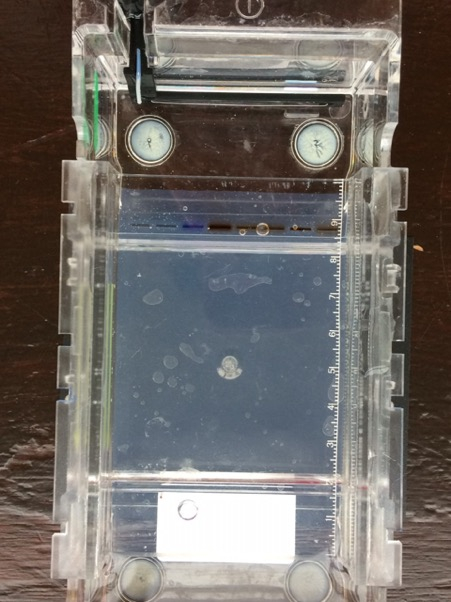
Year 13 visualised the size of the PCR product, made yesterday, from a red bacterial colony using agarose gel electrophoresis, allowing the size of the DNA product (which is dependent on the genotype) to be correlated with the colour of the transformed bacteria (the phenotype).
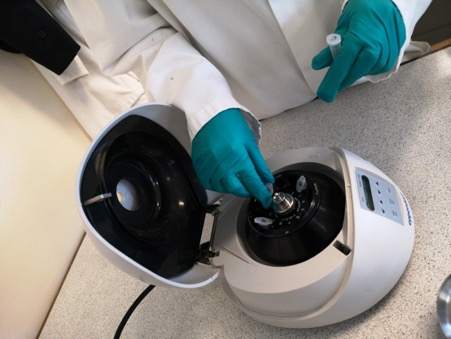
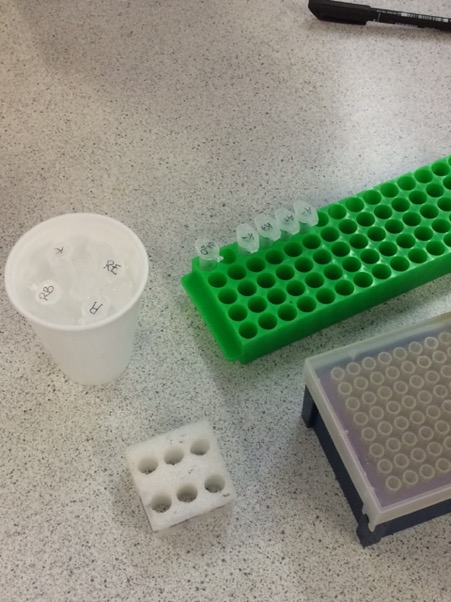
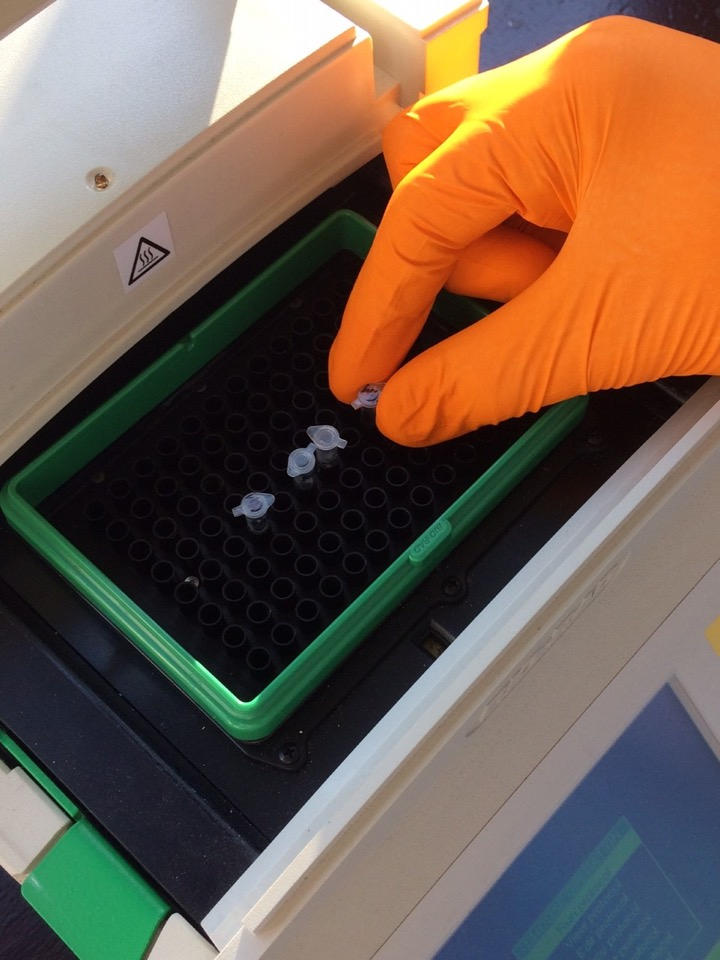
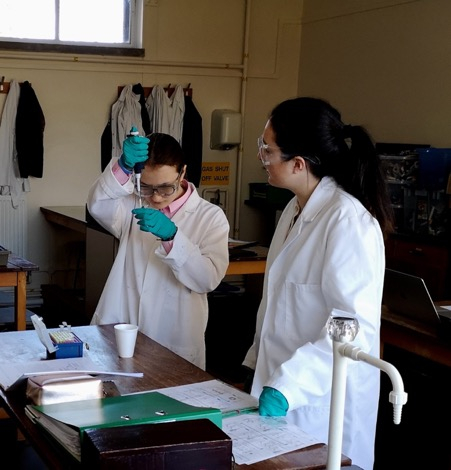
Today Year 13 Biologists explored one of the many uses of the polymerase chain reaction (PCR), learning about the enzyme DNA polymerase, sequence specific primers and thermal cycling. @TSNphil @STEM_UH @ABEProgOffice#BiotechExperience
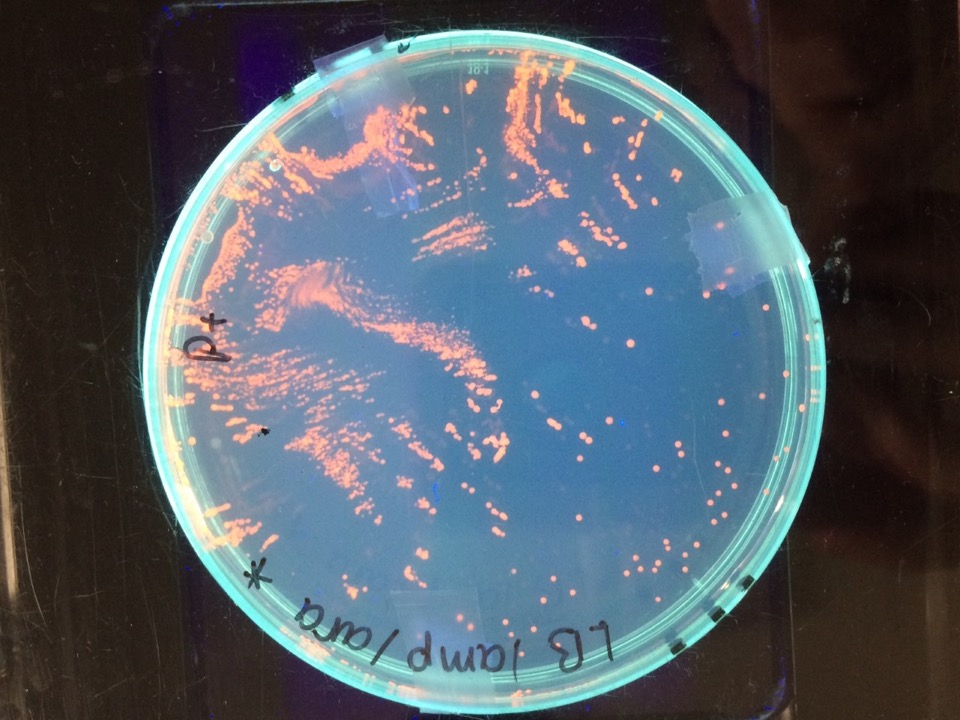
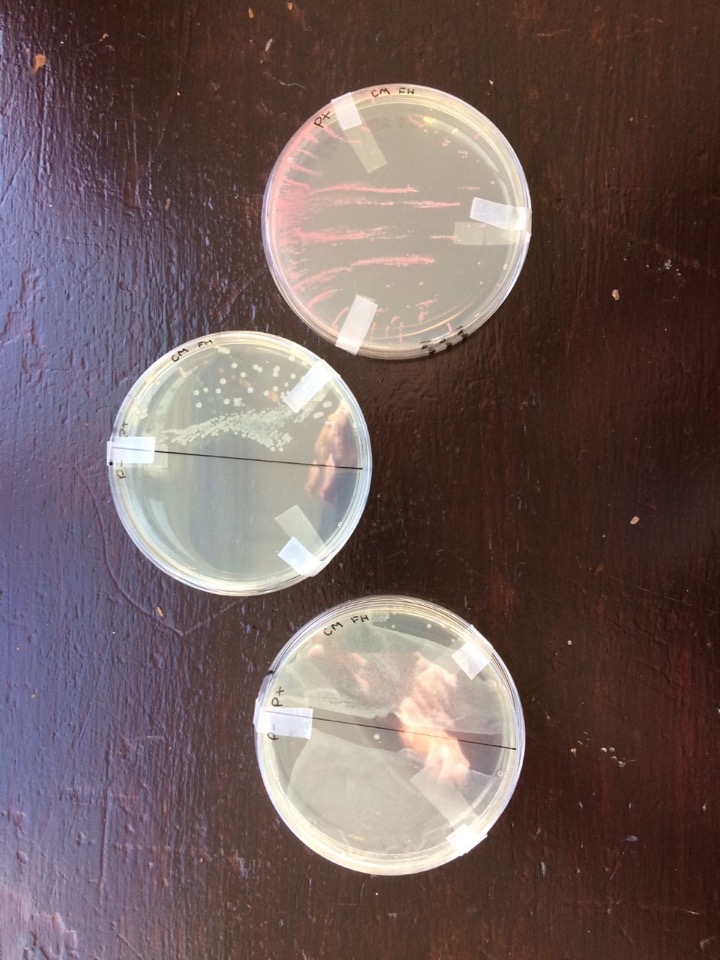
Successfully transformed bacteria that have been supplied with the activator arabinose will also turn red when placed on the UV transilluminator @TSNphil@ABEProgOffice @STEM_UH #BiotechExperience (3/3)
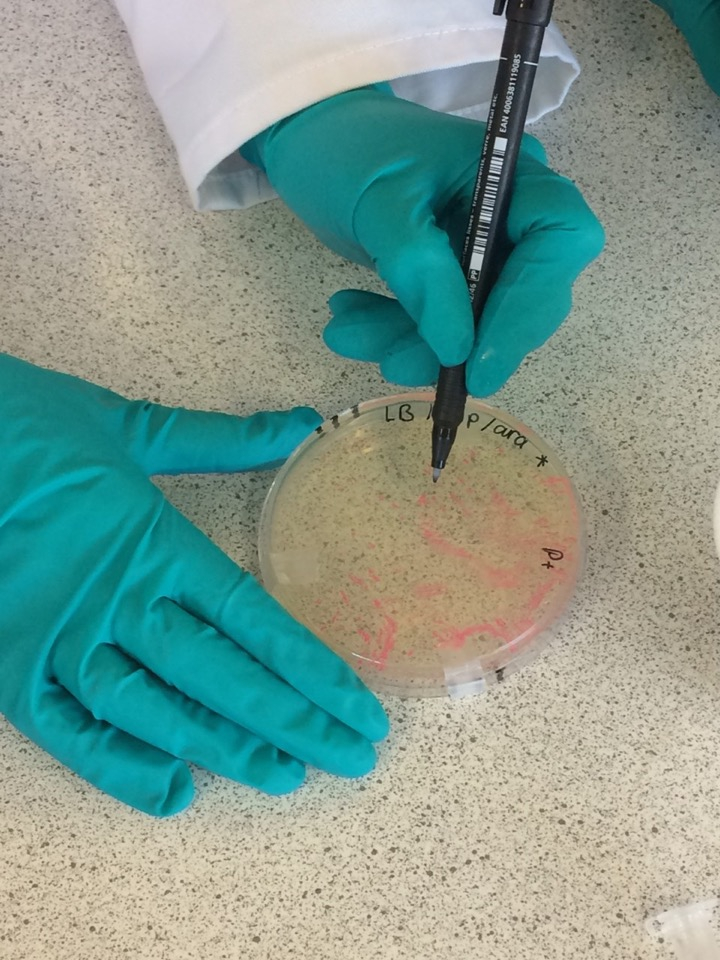
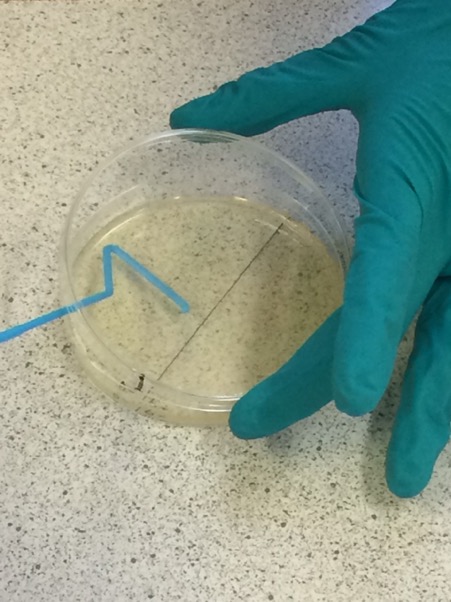
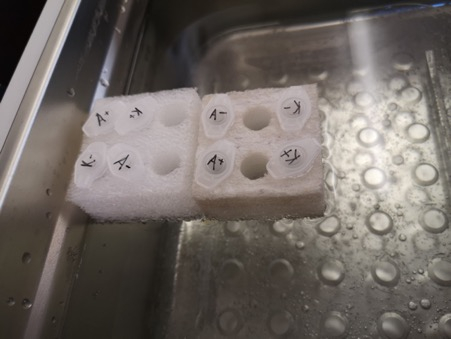
Due to the Year 13’s being successful in making the recombinant plasmid, it was time to introduce the plasmid into bacterial cells, E. coli, using a procedure known as bacterial transformation. (1/3)
The students will be able to identify the bacteria that have been successfully transformed by using antibiotic resistant genes as selectable markers. (2/3)
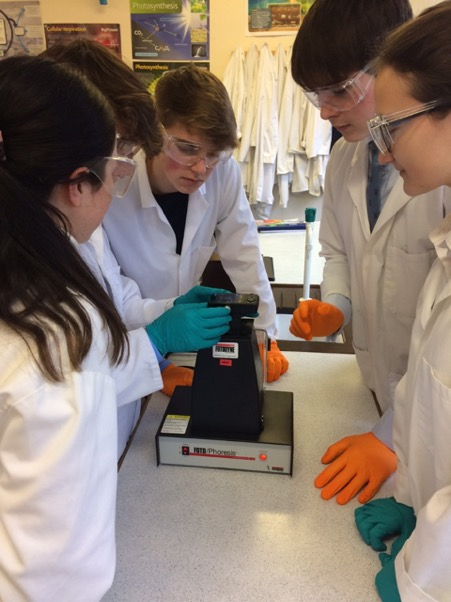
Year 13 Biologists have had success in making their recombinant plasmid. Their gels were visualised Friday using a UV transilluminator #biotech#biotechexperience@TSNphil@ABEProgOffice @STEM_UH
Have Year 13 been successful in making their recombinant plasmid? Well today they are a step closer to finding out by using agarose gel electrophoresis and then staining the DNA bands. The gels will be visualised tomorrow using a UV transilluminator @STEM_UH @ABEProgOffice
Year 13 learnt about an essential tool which is used in genetic engineering; DNA ligase. They used this to catalyse covalent bond formation between the linear fragment with sticky ends. Aiming to make the recombinant plasmid pARA-R containing both the rfp gene and the ampR gene
Year 13 students worked on the first stage of creating a recombinant plasmid for production of the red fluorescent protein (rfp). They used restriction digestion with two enzymes (BamHI and HindIII) to create linear DNA fragments from 2 known plasmids @ABEProgOffice @STEM_UH