24 September 1968: Kingdom of Swaziland delegation captured being inaugurated as the 141st member of the United Nations via Security Resolution 257. The admission was sponsored by a group of nations including Ethiopia, Canada, India, and the United Kingdom.
Chancery Building, Mbabane, 1992. This page is transitioning from a one-person endeavor into a legally registered, professionally structured entity with a dedicated team that will expand & safeguard Eswatini’s digital history. Regular posting resumes August 1st, 2026.
@sizo_dideo Spot on. The layout and tone read like an unexamined colonial-era account, centering settler 'hardships' while framing indigenous land rights as a mere footnote to concessions. Museums and public archives urgently need updated, critical curation that reflects our true history....
“1875–1889 in Swaziland: European settlers endured harsh terrain, ox‑wagons & buggies for transport, relied on Swazi labor to build wooden‑walled huts instead of grass domes—while high child mortality revealed the brutal cost of frontier life under King Mbandzeni’s concessions.”
@sihle_matsebula Economic Displacement in Europe (For British Colonists): The English-speaking prospectors who arrived in the 1880s were driven by 19th-century European industrial impoverishment, landlessness, and the global "gold rushes" (seeking fortune in places like Barberton and Forbes Reef)
@sihle_matsebula Many were semi-nomadic pastoralists. The high plateau of the Transvaal (Platteland) suffered severe, freezing winters with poor nutrient grass. The lower, warmer middleveld and Lubombo ranges of Swaziland offered vital seasonal grazing for their sheep and cattle.
@sihle_matsebula Escaping British Imperial Rule (The Great Trek): Following the British takeover of the Cape Colony in the early 1800s, thousands of Boer families (Voortrekkers) migrated into the interior. They were resisting British land laws/anglicization/taxation/1834 abolition of slavery.
According to history sources, its not clear why Mhlopekazi left Swaziland but it is recorded that he met Shepstone in modern-day KwaZulu-Natal around 1859. Interestingly Theophilus Shepstone nickname was "Somtseu", a name he was given by the Zulu people.
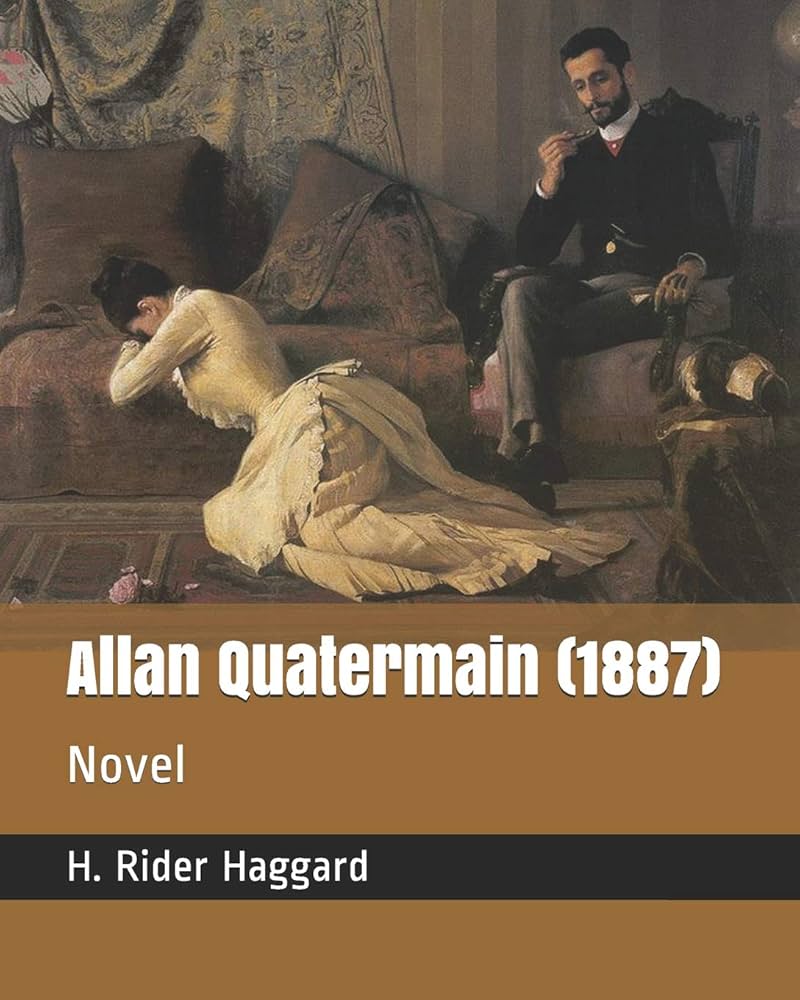
This novel titled Allan Quatermain,was published in 1887 written by Rider Haggard. It features a fictional character called " Umslopogaas" in the novel based on a real Swazi man called "Mhlopekazi" born near Mahamba around 1817 and died at 80years in 1897.
Mhlopekazi was actual Theophilus Shepstone head attendant when he tried to annex Transvaal in 1877. Mhlopekazi had a famous axe called "Inkosi-kaas" that is said to have butchered ten man in one battle. He had a huge scar on his forehead & was a fierce-faced" man.
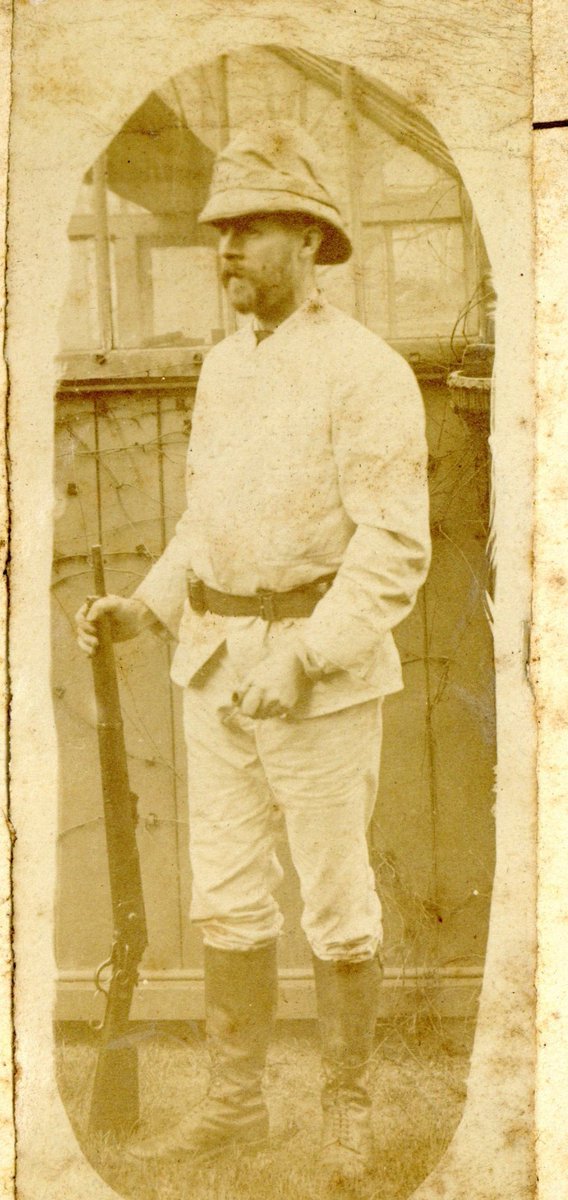
05 September 1888, Allister Miller photo taken near Bremersdorp.
King Sobhuza II filed a lawsuit against him in 1924. Special Court of Swaziland first heard the case before it was appealed to the Privy Council in London, which issued its final judgment on April 15, 1926.
1888-1905, photo of concessionaires with a Swazi local scout. While the white officers in these Allister Miller photo collection had their names or ranks recorded in unit rolls, local African combatants, scouts, and intelligence agents were almost universally cataloged as natives
Early 1970s, Lugogo Holiday Inn. In 1978, Richard West said, ".., most of the weekend tourists are young couples fleeing Johannesburg to find the 'Switzerland of Africa', a place of natural magnificence that inspired Rider Haggard's charming and badly neglected novels.
The "wedding of the year" met its match in 1977. After two high-profile "romantic disasters" with the Matanzima family, Chief Justice Mpondombini Sigcau finally found his bride in Princess Lombekiso, daughter of King Sobhuza II. Very nuanced story....
1880-1890: Global archives list this man as "Boran, General of the Swaziland Army." 0ur historical records have no such name.
From the James Stuart Archives/Hilda Kuper’s genealogies/Duggan-Cronin/J.S.M. Matsebula, "Boran" simply does not exist.
@mwdlamini Nuanced details of Swazi culture and traditions is something else.
There are always this small "fine prints" that tie everything together and are crucially in any context....
1923, Swaziland: Alfred Martin Duggan-Cronin’s 1923 study of material culture, framed by liguma entryways. The symmetry captures the balance of the timbita (clay pots) & early 20th-century architectural textures, documenting a masterclass in everyday poise and indigenous craft.
Maidens seated at the royal reception for the British Royal Tour, Goedgegun (Nhlangano), Swaziland, March 1947. Photographed by Constance Stuart Larrabee.
@bhekisisagoje In 1924, King Sobhuza II took Alister Miller to court over colonial land theft.
Miller claimed outright ownership of Swazi land under British decrees, but Sobhuza argued Swazi law strictly forbids permanent land sales—a King holds land in trust, never to alienate it.