SmartBallot : Towards credible and Transparent Ballot
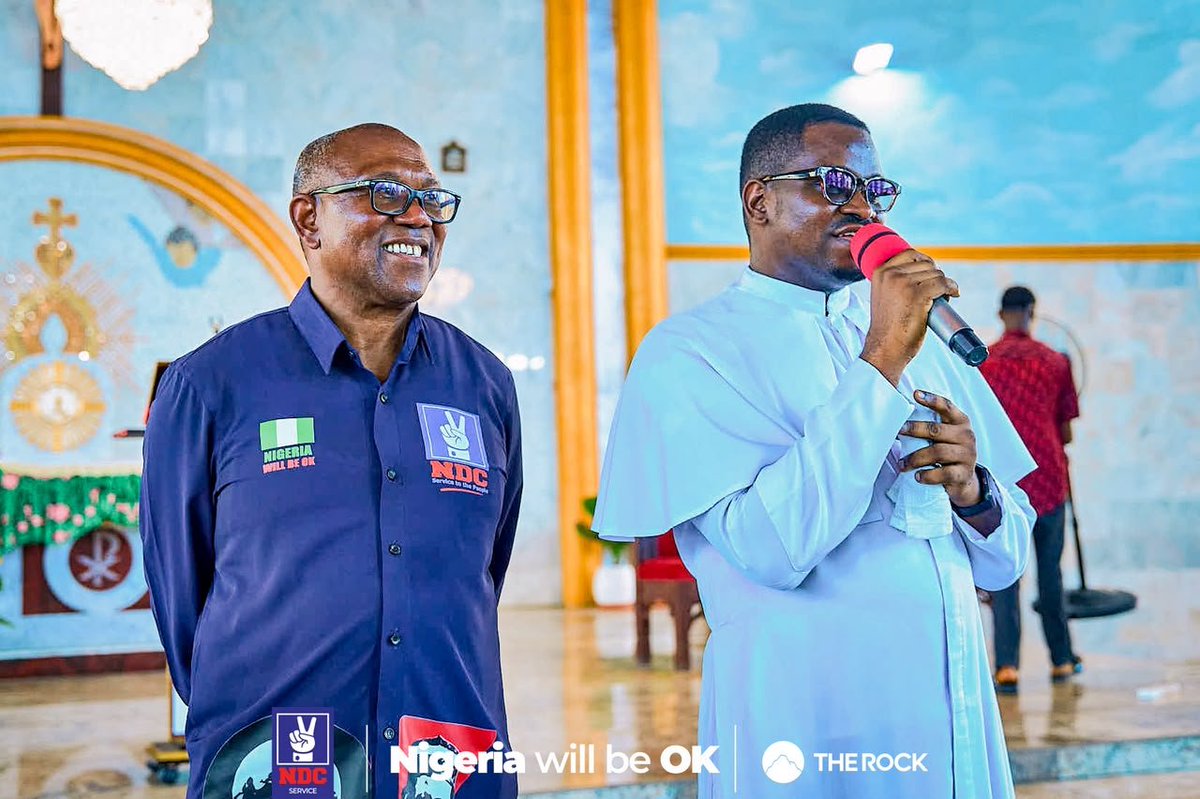
I have consistently believed that technology, combined with the creativity and resourcefulness of young Nigerians, can help reinforce our democracy and advance free, fair, and credible elections.
I am pleased to endorse SmartBallot (https://t.co/YgbAq2cLxE), a platform developed to facilitate grassroots mobilization, civic engagement, and election monitoring.
I urge our supporters and NDC candidates to register on SmartBallot and examine how its tools can assist them in organizing their communities, coordinating voters and polling unit agents, expanding grassroots engagement, and supporting transparent election monitoring.
Through the effective use of technology and collective action, we can reinforce our democratic institutions and help ensure that every vote is counted.
Credible elections require preparation, active participation, and peaceful vigilance. Let us make full use of every available resource to create a more organized, engaged, and empowered electorate.
A New Nigeria is Possible. -PO
NIGERIANS, GO AND VERIFY (7)
LIFTING THE VULNERABLE : ANAMBRA’S BLUEPRINT FOR POVERTY ALLEVIATION AND SUSTAINABLE EMPOWERMENT (2006–2014)
Economic growth that does not translate into improved living conditions for ordinary citizens is incomplete. This is one of our fundamental concerns with President Bola Ahmed Tinubu's government. Development must ultimately be measured by its impact on human lives, particularly those of the poor and vulnerable. This was underpinned by the Anambra Integrated Development Strategy (ANIDS). We believed that infrastructure, education, healthcare, agriculture, and social protection must reinforce one another. Poverty was not merely a shortage of money; it was also a lack of access to opportunities, productive resources, and the basic conditions necessary for a decent life.
Our poverty alleviation strategy, therefore, went beyond temporary handouts. It focused on restoring dignity, creating economic opportunities, and equipping vulnerable citizens with the means to become self-reliant.
Our approach attracted recognition beyond Anambra. In May 2010, Magnus Kpakol, then National Coordinator of the National Poverty Eradication Programme (NAPEP), commended our commitment to poverty reduction, declaring: “We are prepared to support you in the excellent work you are doing in Anambra State.”
1. POVERTY MAPPING: KNOWING WHERE POVERTY LIVES
We recognised that poverty could not be effectively addressed without knowing where it was concentrated and what caused it. We, therefore, undertook a poverty-mapping exercise to identify the most deprived local government areas and communities.
The exercise revealed that some of our poorest communities were also important food-producing areas. Their challenges included poor access to markets, agricultural inputs, electricity, water, and other economic opportunities.
Areas including Anambra West, Orumba South, Awka North, and Ogbaru required particular attention. The findings informed our development priorities, enabling us to direct roads, agricultural support, and social interventions toward neglected communities.
2. EMPOWERING WOMEN, WIDOWS, AND COOPERATIVES
We recognised that rural women, widows, and indigent households bore a disproportionate burden of poverty. Across the 21 local government areas, we provided financial assistance and productive support to thousands of beneficiaries.
Our administration provided financial assistance to support the establishment and expansion of small businesses and farming activities. We also introduced revolving loan schemes to promote enterprise development, economic self-reliance, and improved livelihoods.
We distributed productive equipment, including sewing machines, generators, ovens, cookers, hair dryers, shoe-making machines, and welding equipment. The objective was to help beneficiaries establish sustainable livelihoods rather than remain dependent on government assistance.
We also promoted access to microcredit and cooperative financing to enable small entrepreneurs to expand their businesses, improve their incomes, and create employment.
Our philosophy was simple: rather than merely giving people money to survive today, the government should help them acquire the means to earn a living tomorrow.
3. AGRICULTURE AND FADAMA: MAKING RURAL COMMUNITIES PRODUCTIVE
Agriculture was central to our poverty-reduction strategy because many rural households depended on farming.
Through partnerships with the Federal Government, the World Bank, and other development partners, particularly under the FADAMA programme, we supported farmers with finance and productive assets.
In November 2009, our administration disbursed millions to FADAMA Community Associations across the state. By October 2010, the National FADAMA office was commending Anambra’s commitment. Its National Project Coordinator, Buka Tijjani, represented by Charles Ugwuona, described Anambra as the leading state in the programme.
I accepted Jesus Christ and started putting God first in everything.
It was once a myth, until it wasn't. Man the peace and total sense of victory that comes with it can never fully be explained.
My dear big bro, @ruffydfire ,
It costs approximately ₦100 million to build and equip a functional Primary Healthcare Centre (PHC) in Nigeria today.
That means 10,000 functional PHCs would cost:
₦100,000,000 × 10,000 = ₦1 trillion.
The Tinubu/APC administration claims to have saved ₦15.8 trillion from fuel subsidy removal, in addition to accumulating close to $100 billion in loans.
Yet, just ₦1 trillion would be enough to provide 10,000 functional PHCs across Nigeria, bringing essential healthcare closer to millions of Nigerians.
Under a Peter Obi administration, resources recovered from subsidy removal and our national wealth will not disappear into the pockets of those occupying Aso Rock. They will be deployed for the public good.
Beyond the 10,000 PHCs, HE Mr Peter Obi has also committed to building 40,000 new classrooms to address our out-of-school children crisis, alongside establishing cancer treatment and dialysis centres.
These are achievable priorities if we cut government waste, block leakages and end the theft of public resources.
The issue is not that Nigeria lacks resources; it is how those resources are managed and deployed.
Be assured of my highest regards always.
Idris Zekeri Junior
CHRIST THE KING COLLEGE, ONITSHA: CELEBRATING MY HERITAGE AND ENCOURAGING THE NEXT GENERATION
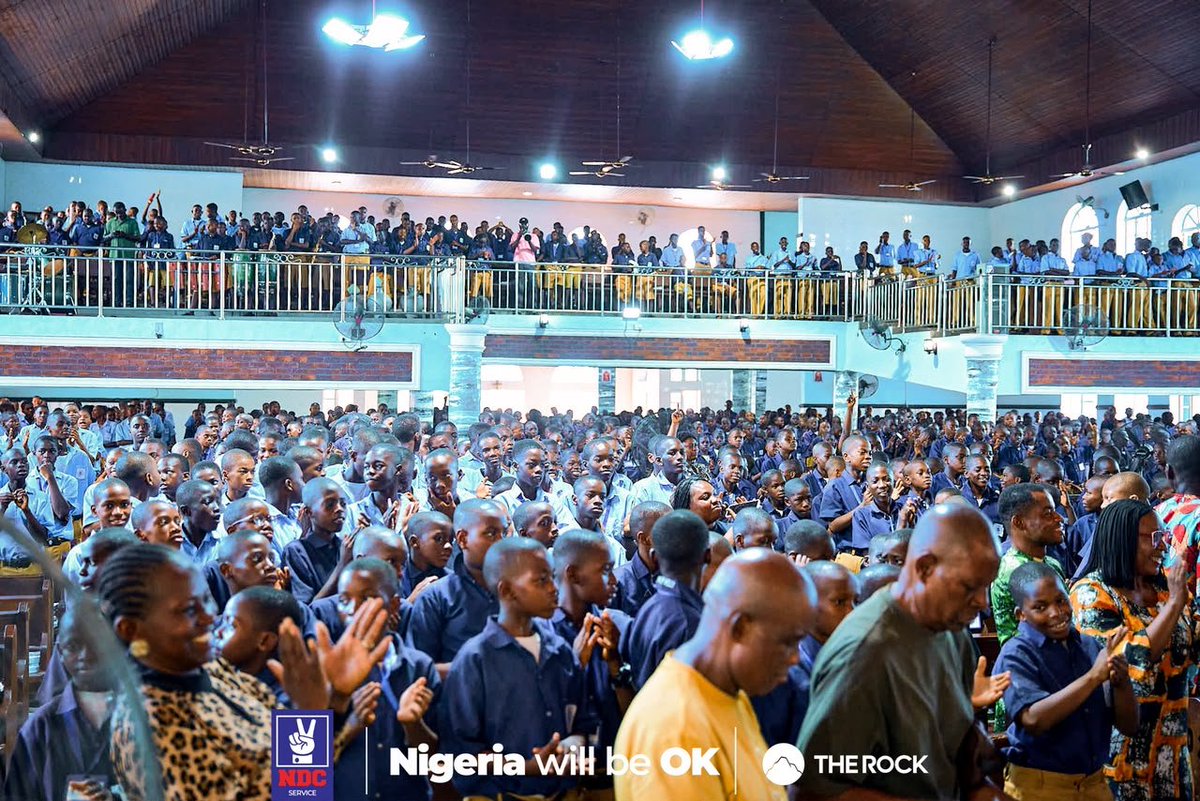
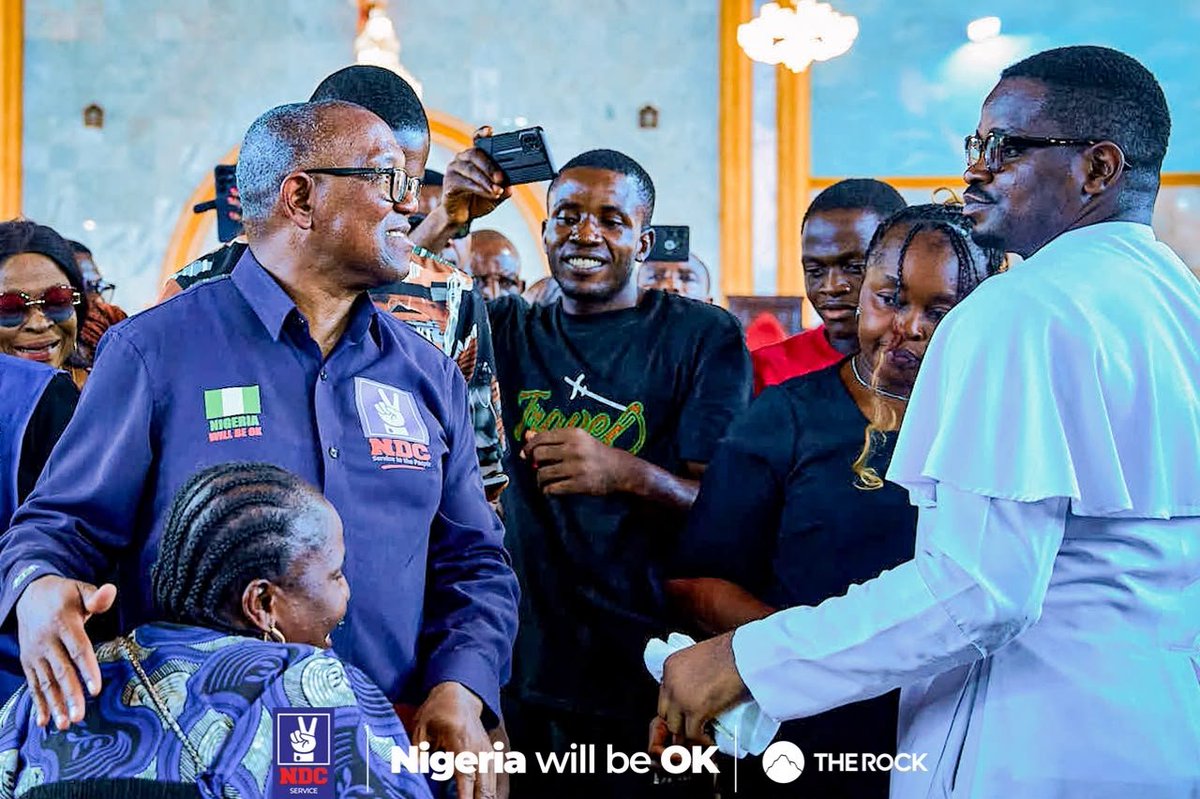
Each year, my alma mater, Christ the King College (CKC), Onitsha, invites me to its celebration of the Feast of Christ the King, scheduled for this Sunday, November 22. Although my demanding campaign schedule will prevent me from attending this year's ceremony, I made a brief visit to the school today while on my way to engage with traders and residents of Onitsha.
It was a warm and memorable visit, and I was graciously received by the School Administrator and Senior Prefect. In my interaction with the students, I emphasised the importance of education, urged them to remain focused and dedicated, and reminded them that Nigeria's future President could emerge from among them.
I also inspected the newly constructed Teachers' House, a project I facilitated with the support of friends to strengthen the school's teaching and learning environment.
CKC remains an enduring part of my life's journey, having shaped my values, discipline and sense of responsibility. I remain grateful for this lasting bond.
Wherever life takes us, the values of our alma mater remain with us. CKC will forever be home. -PO
NIGERIANS, GO AND VERIFY (3)
Building the Future Through Education
Peter Obi
In the first two instalments of this series, I explained how we approached the task of building strong institutions and laying a solid foundation for the development of Anambra State. One of the most important institutions we invested in was education.
For me, education was not a political game or a convenient political promise. Even before I ventured into politics, I had always regarded it as the foundation of meaningful development and the most enduring investment any government can make in its people. I believe that the future of any society depends largely on the quality of its educational institutions, teachers, learning environment, and opportunities available to its young people.
This conviction informed our decision to invest across the entire educational spectrum, from primary schools to universities, technical institutions, and adult education.
Basic and Secondary Education
One of our first major decisions was to return mission and privately owned primary and secondary schools to their original proprietors while retaining government support. We also provided billions of naira to assist in rehabilitating the returned schools, restoring the partnership between government and religious institutions that had historically contributed to educational excellence.
This policy attracted international attention. Professor Paul Collier, the Oxford economist and World Bank consultant, led a World Bank-commissioned study of Anambra’s educational transformation. His team examined our decision to return schools to their original missionary owners while retaining government responsibility for funding teachers’ salaries and supporting infrastructure. The team described the partnership model as a revolution in public service delivery and recommended it as a model that could be replicated by other Nigerian states and developing countries. We believed then, as we do now, that government does not necessarily have to own every institution to discharge its responsibility effectively. What matters is ensuring that every child has access to quality education.
For those who claim that we built no schools, I invite them to verify our records. We constructed five-classroom blocks in virtually all of the 177 communities in Anambra State, one of the most extensive community-based school infrastructure programmes undertaken by any state government. The town union chairmen and community leaders of that period can attest to this.
We also renovated hundreds of dilapidated schools, including some where trees had literally grown through abandoned buildings. Comprehensive Secondary School, Onitsha, and Oraukwu Grammar School are examples.
Beyond infrastructure, we distributed approximately 40,000 computers to schools, including more than 22,500 HP laptops. We equipped secondary schools with Microsoft Academies and connected schools across the state to the internet. We supplied generators, established and stocked libraries, revived school sporting activities, and installed boreholes in over 300 schools, including all girls’ schools. We also provided funding to support sporting activities in all our secondary schools.
These technology investments attracted remarkable international recognition. Mr Fabrice Campoy, Managing Director of the Personal Systems Group at HP Inc., described our procurement and distribution of over 22,500 HP laptops as the biggest project of its kind in the Middle East and Africa. Similarly, Mr Ken Spann, then Country Manager and Head of Microsoft Nigeria, described the establishment of Microsoft Academies in more than 500 Anambra secondary schools as the most extensive deployment of its kind in Africa at the time.
PLAN TO END OBI'S CANDIDACY BY SUBTERFUGE: AN INVITATION TO ANARCHY
Ahead of the 2027 general elections, Nigerians are angry, the polity is overheated and the country is already on a tinder box due to APC's bad governance. This troubling situation must not be further exercabated. A stitch in time, save nine.
We have credible intelligence that some hawks within APC's corridors of power are scheming to use the judiciary to truncate Obi/Kwankwaso candidacy and that of most NDC candidates. Essentially, the mission is to use the technicality of a judicial ruling, perhaps, using even the apex court to stop Peter Obi and Kwankwaso and all NDC candidates from participating in the 2027 elections.
In the National Interest, this MUST NOT happen under any guise.
Our intel indicate that the recent judgment against the leadership of opposition ADC and Atiku Abubakar, is a precursor to a larger, carefully orchestrated plot. The plan is to have Atiku Abubakar restored to the race by the Court of Appeal, only for the Supreme Court to deliver a post-election judgment nullifying his candidature should he win.
Nigerians are already witnesses to the the evolving practice of reassignment of politically sensitive matters involving opposition parties to a recurring group of judges in Abuja. Taking that practice an inch further will likely have dire consequences.
In Peter Obi's case, we have clear indications that jittery Southern governors are now uncertain about delivering their promised landslide votes to President Tinubu, given recent visible pushback from the national electorate against the APC. As things stand, the governors feel that their collective plan to guarantee at the minimum 25% of the votes to the president in the South-East and most parts of the South-South and South West is unraveling fast and will be impossible to achieve with Peter Obi on the ballot.
Consequently, the plot is to deploy preemptive measures that would techinically/judicially exclude Peter Obi from the race, create voter apathy across the South and give the governors a free hand to execute their sinister agenda.
Those agents of destabilisation plotting this dangerous assault on our democracy are hereby advised to perish the thought of testing the resolve of the Nigerian people. They must not trigger anarchy in Nigeria. APC aparrachiks who boast of having 31 governors in their corner should have the courage to face the opposition candidates in a free, fair, and credible elections, rather than resort to judicial manipulation and political subterfuge.
Nigerians are watching, and watching very keenly! And the world is also watching Nigeria.
In the fullness of time, Nigeria will be OK.
LET MY RECORD SPEAK
I just arrived United States this evening to honour an important invitation and participate in a series of engagements beginning at 9am tomorrow morning in Washington DC.
Throughout my election campaigns, I have sought to emphasise policies, ideas, and practical solutions that can deliver the change Nigeria urgently requires and help our nation overcome its current challenges.
Nevertheless, because certain individuals have repeatedly scrutinised my past, even as they appear uneasy about their own records, I have chosen to allow the facts to speak for themselves. Starting today and running for ten days, I will present some of the accomplishments recorded during my tenure as Governor of Anambra State. This series will outline my interventions, achievements and the responsibilities entrusted to me. I have titled it my Record of Service.
In every position I have held, I have consistently given my utmost effort in fulfilling my responsibilities. Although no one can always attain every intended result, I have never been found lacking in dedication or effort. I have always given the task my full commitment.
As campaign activities gather momentum, I will also continue to keep you updated on my daily engagements and other significant developments.
In particular, in light of allegations that I abandoned Anambra State during the erosion crisis, among other assertions, I consider it necessary to present the facts to the public. I have never evaded any responsibility entrusted to me, and I will certainly not shirk my responsibility to help address Nigeria’s challenges.
I am confident that, ultimately, facts outlast allegations, while records carry greater weight than rhetoric.
Let my record speak for itself! -PO
GOOD DAY, MR PRESIDENT: NIGERIANS DESERVE ACCOUNTABILITY
Good day, Mr President.
I congratulate you on spending a night in one of Nigeria’s states outside Lagos and Abuja. I hope you enjoyed the warmth, hospitality, and delicious cuisine of Akwa Ibom, which I am sure is even better than those of the destinations where you have spent over 260 days outside Nigeria since coming into office.
I sincerely hope this visit will inspire you to travel to the remaining 33 states of the federation, spend time with the people and, more importantly, explain what your administration has done with the ₦15.8 trillion saved from the removal of fuel subsidy, the over $100 billion you have borrowed, the increased revenues accruing to the government from taxing Nigerians, and the additional government revenues which your administration celebrated last year as having surpassed its target.
Nigerians deserve to know how many that were pulled out of poverty within this period, how many out-of-school children were returned to school, and how many functional primary healthcare centres you have built. They also deserve to know how much electricity supply has improved, especially given your promise that if you do not fix power, Nigerians should not vote for you. They deserve an explanation of how you have secured the country, which still ranks among the most terrorised countries in the world.
Mr President, Nigerians deserve answers. They deserve to know what has been done with the resources entrusted to your government.
The New Nigeria we want to build will be based on accountability, transparency, and the physical, measurable impact of our public resources on the lives of citizens.
A new Nigeria is POssible. -PO
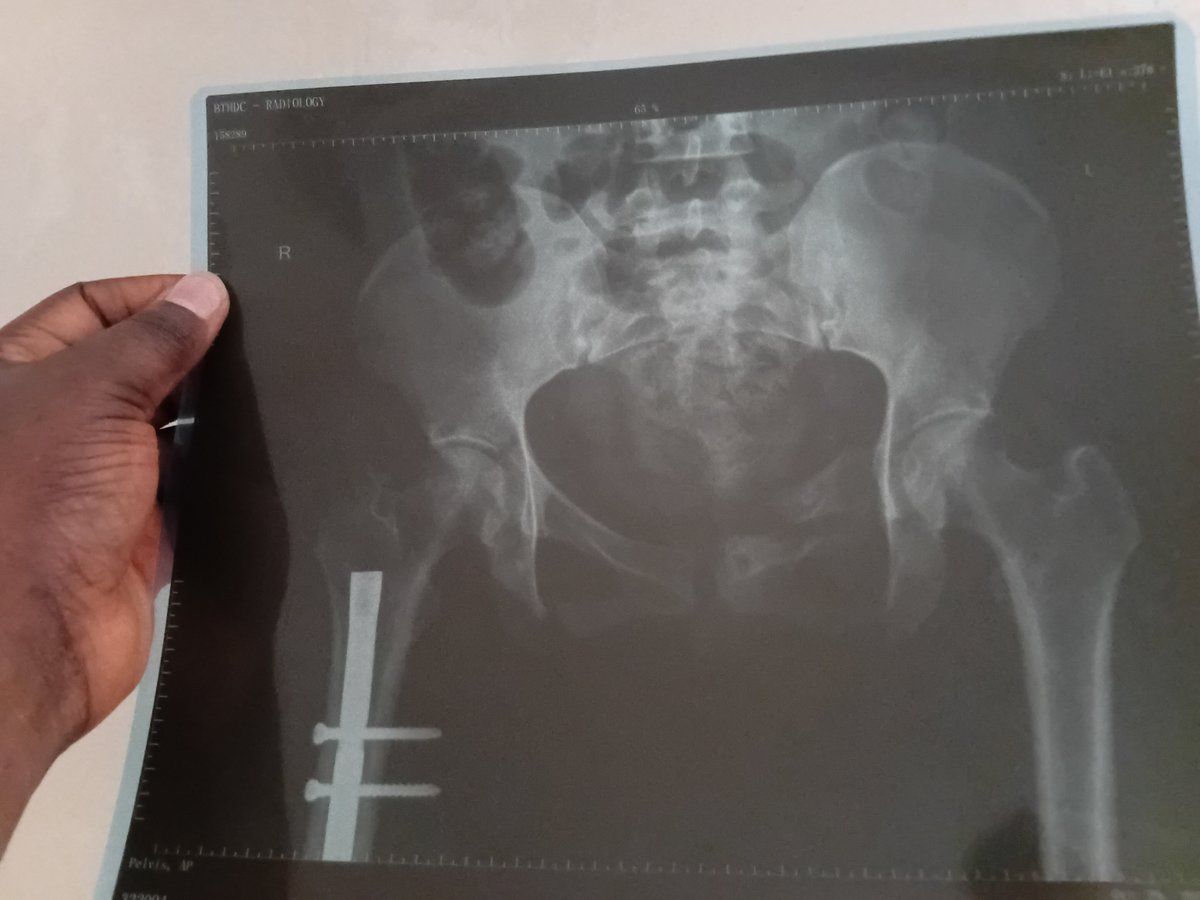
Yes, It was a success!
Yes, it was a success!
The surgery was a success!
There's no words to describe the multiple feelings we had today.
At the end, The surgery was a success!
Thanks to everyone who made this possible.
To everyone who visited, I'm grateful
Thank for every financial support.
You all remember @iam_mcroyal , he was here from 7am till 7pm, all through the process. I'm so grateful 🙏
Now, We move into the recovery phase fully.
NOTHING WILL STOP THIS TESTIMONY
NOTHING WILL STOP THIS TESTIMONY
Some critics aren't satisfied that Jesus never owned a slave; they want to know why He never condemned the institution by name. The answer is that He aimed at the exact thing that built every slave ship, camp, and occupation in history.
Years ago, a friend told me he was disappointed Jesus answered the tax question with "give to Caesar what belongs to Caesar." He thought Jesus missed the cleanest opportunity in the Gospels to condemn the occupation.
That disappointment is ancient. Most who rejected Jesus did so expecting David's son to arrive as a mighty man of valor, a Spartacus to break Rome by force. When He declined the role, they concluded He failed.
Every era has its own horror; the Atlantic slave trade, the Holocaust, the occupations of old, and every era wants God incarnate to speak to the one it finds most unbearable. That standard has no stopping point.
If Jesus owed us an express word on slavery, He also owed one on the porn industry, pharmaceutical profiteering, and the networks of men like Epstein. A God who answers each age's grievances by name only ever speaks to one age at a time.
The method is on full display in the Sermon on the Mount. He takes "You shall not murder" and moves the verdict from the hand to the anger that armed it, takes "You shall not commit adultery" and moves it from the bed to the eye, and answers "an eye for an eye" with the cheek turned and the second mile walked, spoken to a people whose occupiers could compel them to carry a soldier's pack one mile whenever it pleased them.
He starts with the external rule and ends with the interior, so the crowd that came to hear Rome indicted finds itself in the dock beside it.
A Messiah fixing the crowd's gaze on a common enemy feeds the oldest appetite we own. People love to demonize: the slave demonizes his master, the master the occupation, the occupier the barbarian. Each leaves the room cleaner than he entered, like the Pharisee thanking God he is not like other men. Jesus cuts that cycle, commanding love for the enemy and prayer for the persecutor.
Slavery is an atrocity and nothing I say lightens it, yet the diagnosis reaches everyone. The man in chains is a sinner in chains, and the man holding the whip is a sinner holding power. What separates their capacity for malice is frequently opportunity rather than character. A gospel that cured only one side of the chain would be a mere political program.
So Christ went for the root, the absolute rot of the human heart, because atrocities are just localized symptoms of a universal, terminal disease.
It is the same wickedness that sent Cain at his brother before there was a Rome, a Congo, or a Reich. Humanity remains infected, capable of unspeakable depravity the absolute second cultural restraints are removed, and I enter myself first in that indictment.
A Messiah who crushed the occupation would have cured one century of one symptom and left the rot running in every heart cheering Him on. Take away Rome and the heart that built it is still standing, and that heart is what He came to kill.
Politicians who believe you should be frying and selling akara and kwuli-kwuli as a university graduate are enemies of your progress. They do not want to see you grow.