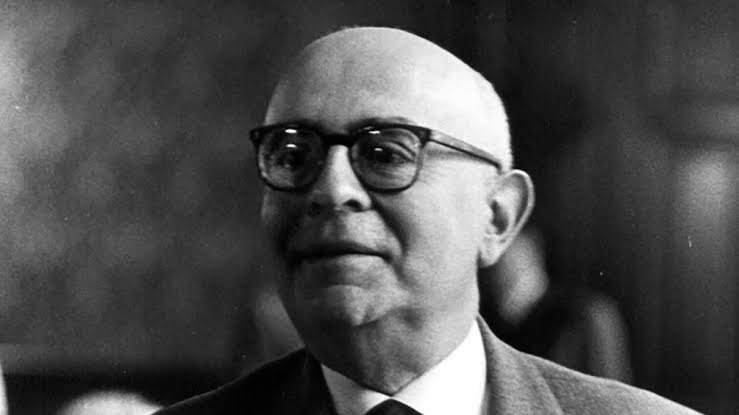
Che cosa sia l’uomo, non si può dire. [...] Egli si strascina mutilazioni subite da millenni come eredità sociale.
(Th.W. Adorno, Dialettica negativa, Torino 2004 [1966], p. 114.)
In Why We Cooperate, Michael Tomasello draws on groundbreaking studies of children & apes to reveal the origins of human cooperation.
Scholars Carol Dweck, Joan Silk, Brian Skyrms, & Elizabeth Spelke respond to his findings and explore the implications.
https://t.co/DLg8wofGFb
“As the old joke goes, when two behaviourists meet, one says ‘How am I?’ and the other replies ‘You are fine. How am I?’”
—Jonathan St B. T. Evans, Thinking and Reasoning
Neurons, especially in cortex, rarely show steady-state firing. Instead, they fire in bursts. This bursting may be key to function.
Distributed burst firing mediates optimized cortical encoding of natural self-motion
https://t.co/VogkN3FlAR
#neurocience
Logic is not the science of how we do think; but, in such sense as it can be said to deal with thinking at all, it only determines how we ought to think; nor how we ought to think in conformity with usage, but how we ought to think in order to think what is true.
Aside from Hayek, Schumpeter etc… where’s the discussion of Pareto? I feel like the Pareto principle is fairly important. And that’s not all… where’s Kaldor’s theory of growth, Arrow-Debreu’s general equilibrium (you discuss Hayek’s)? You mention monopolies briefly, wouldn’t it be worth discussing the works of Sweezy and Kalecki or philosophically speaking? Where’s Alchian, Demsetz and the entire U.C.L.A Property Rights school of Wconomics? (Coase is mentioned). Where’s the fundamental theorems of welfare economics? Where’s Walras and Menger?
«Lasciate che vi dica tutta la verità: se mai il fascismo dovesse arrivare in America, arriverà nel nome della libertà.»
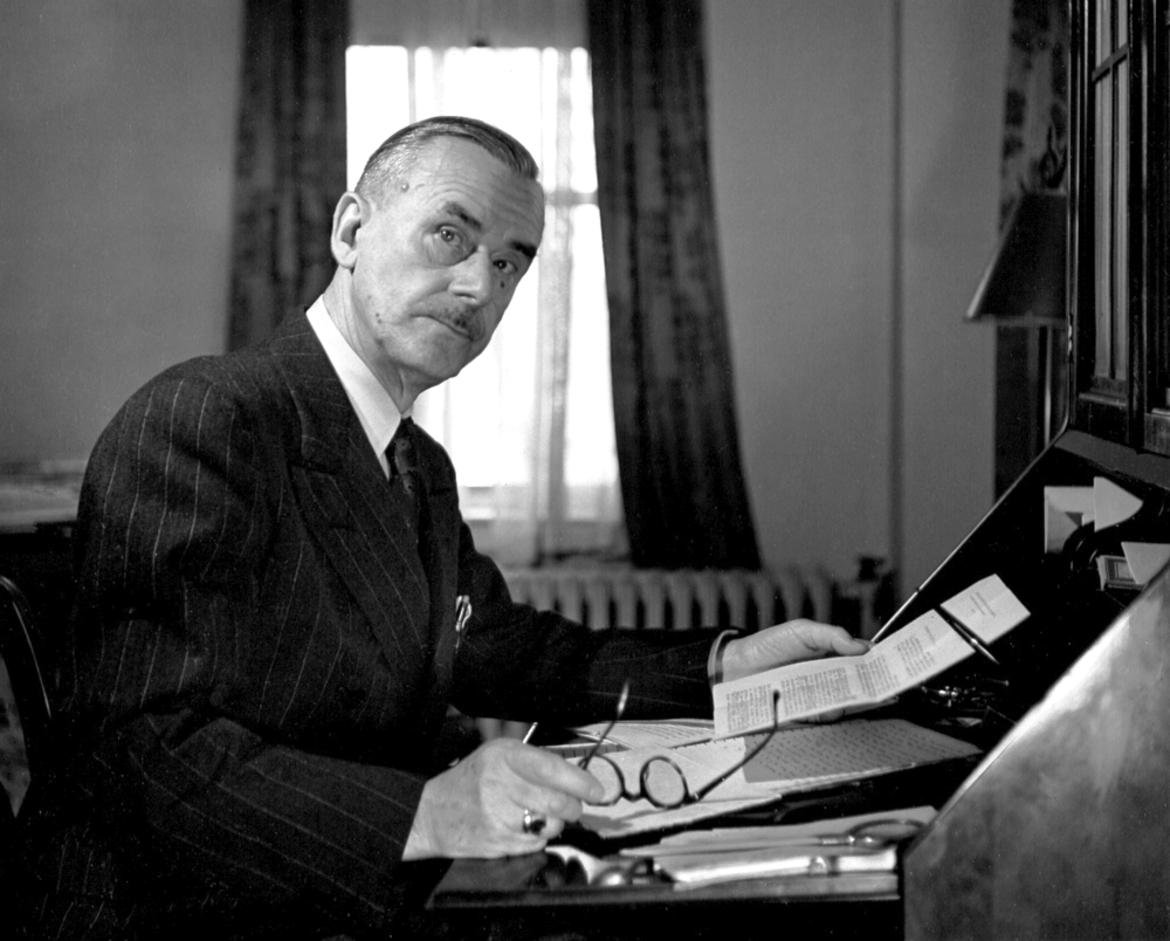
Ricordando Thomas Mann, morto il #12agosto 1955.
A civilization which leaves so large a number of its participants unsatisfied and drives them into revolt neither has nor deserves the prospect of a lasting existence.
Quale che sia la #felicità che viene concessa o saltuariamente tollerata dall'intero sussistente, essa porta sin dall'inizio i segni della propria #particolarità.
(Th.W. Adorno, Dialettica negativa, Torino 2004 [1966], p. 316.)
"Toda felicidade é uma fragmento de toda a felicidade que se recusa aos homens e que eles recusam a si mesmos."
Theodor W. Adorno, "Meditações sobre a metafísica"
In 18th-century Germany, the adjective “aufgeklärt” (enlightened) was often used pejoratively by enemies of the new reform movement, and now it’s the term we use to refer to the entire era. Something to think about.
One ought, every day at least, to hear a little song, read a good poem, see a fine picture, and, if it were possible, to speak a few reasonable words.
Johann Wolfgang von Goethe