"A tribute to the under-appreciated men and women who helped make the world a better place by learning from tragedy."
Kevin Dickinson recommends "Nary a Horse Left Standing" in his list of 5 books to give your brain a workout via @bigthink. https://t.co/s7Rv4l920m
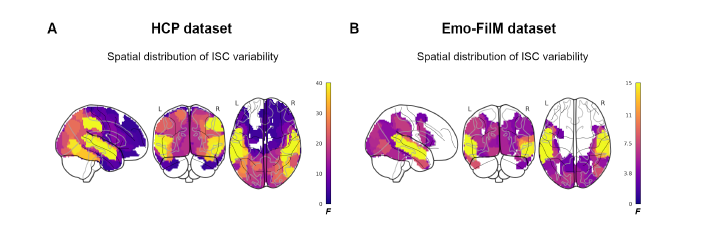
New paper in Imaging Neuroscience by Simon Leipold, Ivan Toni, et al:
Inter-subject correlations and their behavioral associations vary across movies: Implications for generalizability
https://t.co/0lmyUV5ovv
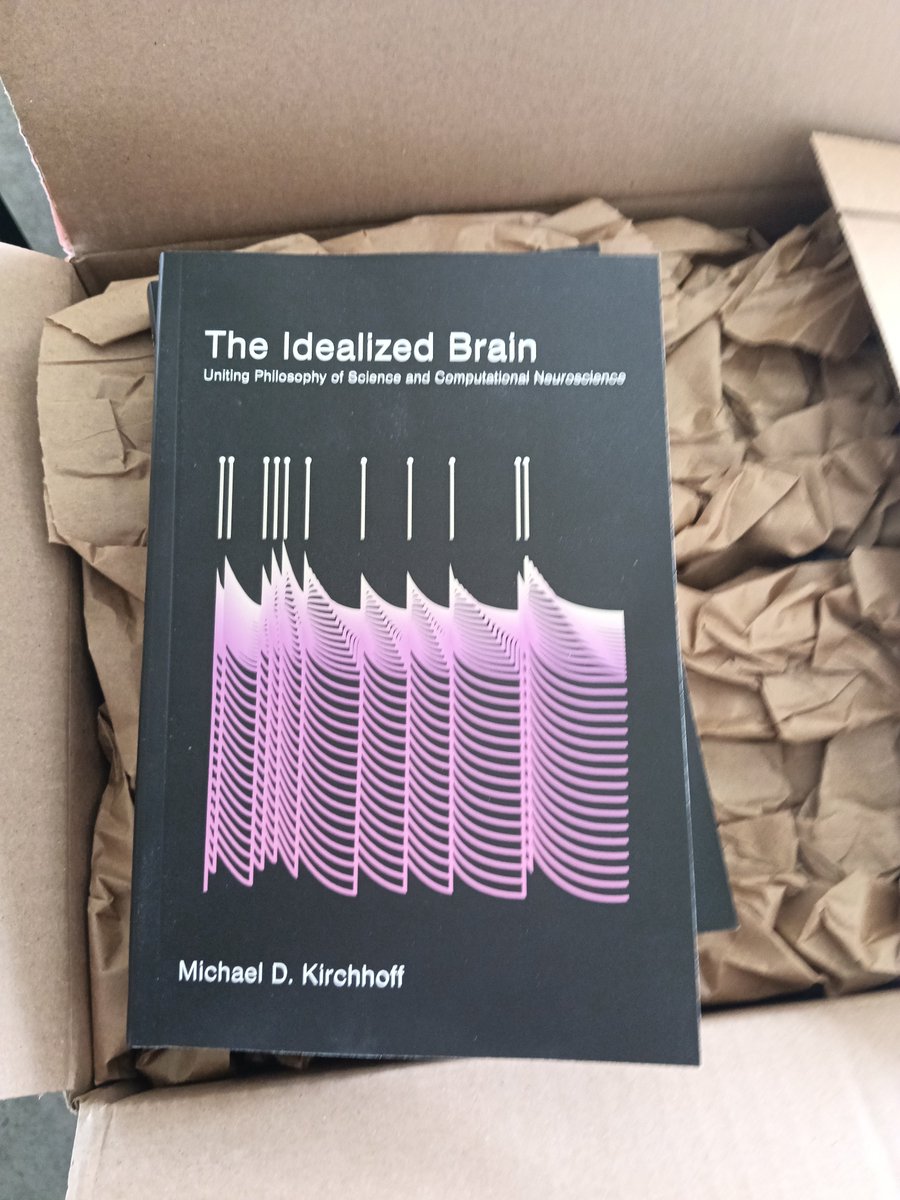
Author copies of 'The Idealized Brain: Uniting Philosophy of Science and Computational Neuroscience' (MIT) have arrived. Exciting! Stay tuned for its official open access release on 15 December 2026. For more information about the book, see https://t.co/2vYKoyFcRR
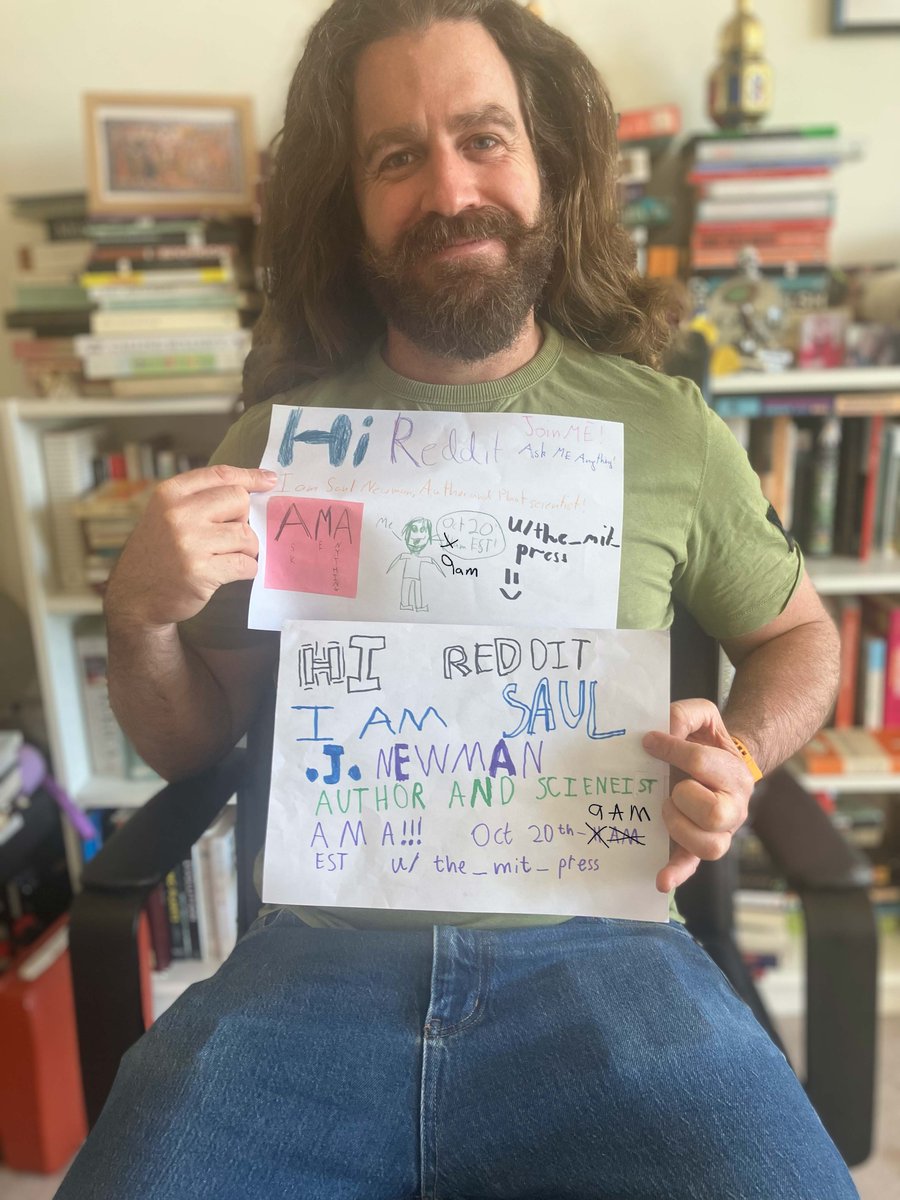
In his new book “Morbid," Dr. Saul Newman argues that “aging science” has fallen under an avalanche of grift and mail-order marketing scams. His AMA starts in just a few minutes. Join him at r/IAmA and ask him anything! https://t.co/DYWgZZbqLQ @reddit_AMA
Groups are not naturally wise or foolish. Their structure decides. In "Goodthink," Damon Centola shows how evenly distributed influence helps groups correct errors, reduce polarization, and make better decisions.
5 insights via @NextBigIdeaClub: https://t.co/sFNuIlYx5L
What makes a toy a good toy? To Jess Uhre Rahbek, who spent years developing a theory of play while studying with @LEGO_Group's in-house design team, it’s all about creating objects that foster “playful tension.” https://t.co/HM2gLUHKhy
"A lot of people feel like there's nothing they can do...There's something everyone can do to make their cyberspace safer." Listen to Francine Berman on @radioopensource discussing her book, BETTER TECH: Putting People First in Cyberspace. https://t.co/t7lx84Bwsn @mitpress
Have you seen our most newest titles?
See what we've recently published or titles that are coming soon via the MIT press catalogue and our website 👀
https://t.co/sERPoFYakq
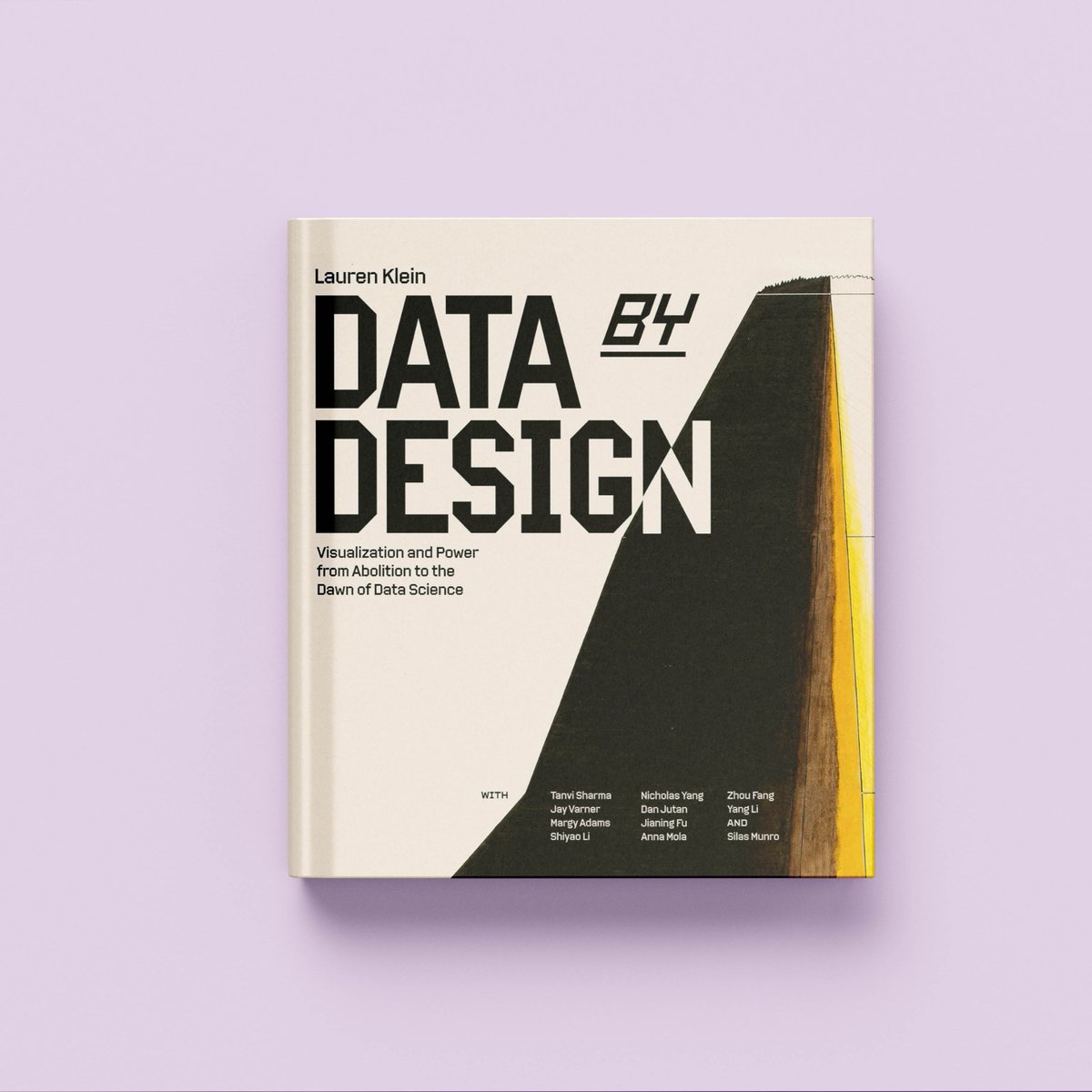
"Essential reading for anyone who has ever looked at a map or a graph. It will change the way you think about information design forever." — @MonaChalabi
"Data By Design" shows how visualization can lead to a more liberatory world. Out Oct 20th: https://t.co/cDYZdSe0tM
In "Morbid," Dr. Saul Newman explores the extraordinary failures of modern aging science and how it has been overtaken by profitable bunk. Join him for a Reddit AMA (@ r/IAmA) on Tuesday, October 20th at 9 am ET!
Awe thrives on human connection, but tech-inspired awe crowds out that human element, "divorc[ing] the observer from the sense of connection with others" as "American Technological Sublime" author David Nye once observed. https://t.co/SeC6EwpTLf
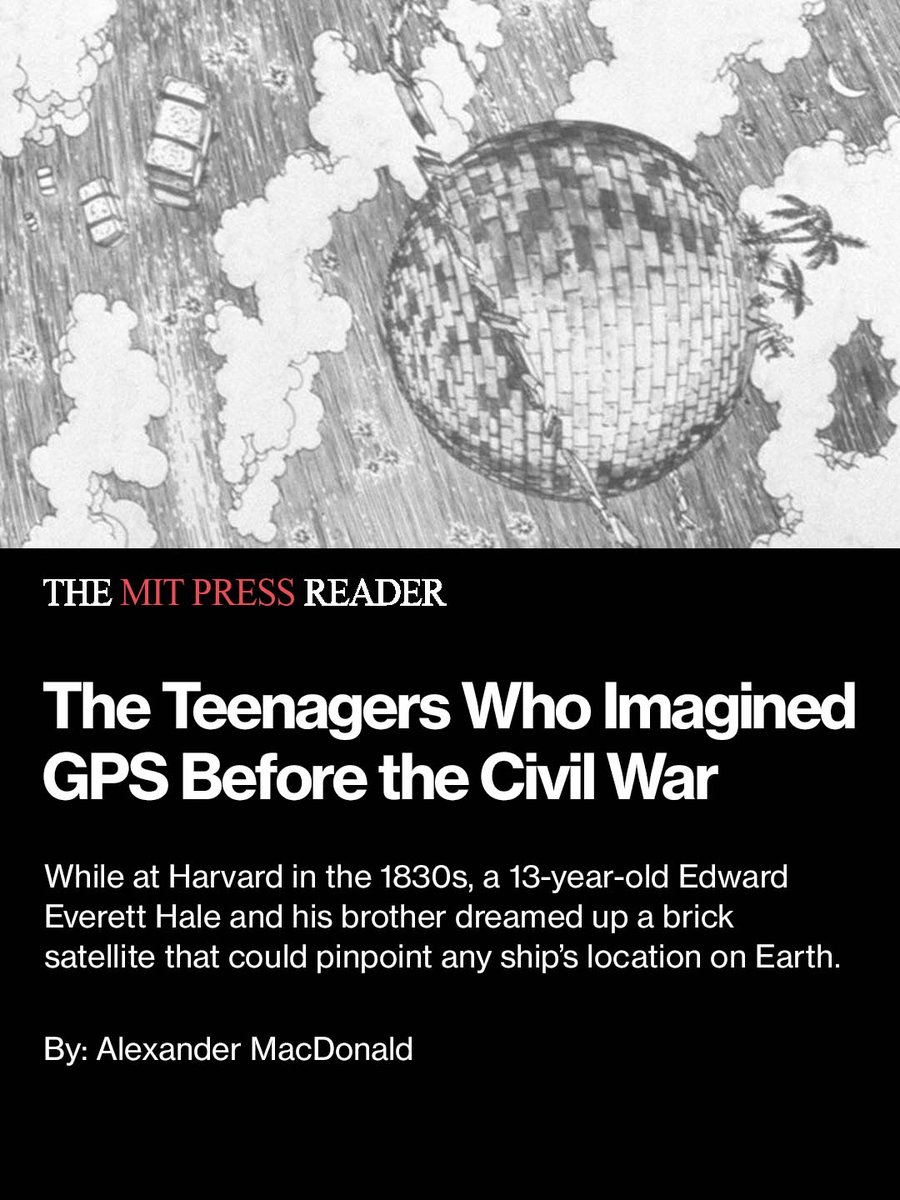
The U.S. Department of Defense conceived GPS in 1973. But as Alexander MacDonald writes, Edward Everett Hale dreamed up the idea of using a satellite to determine one’s position on Earth over a century earlier. https://t.co/4thnHCRu9d
"It’s one thing to be attacked by the fossil fuel industry, and quite another to be attacked by your own side."
@leahstokes and @billmckibben discussed the long, slow process of changing climate policy @lithub: https://t.co/HgI6fjxEzF
"Rhyme is in the DNA of the world we live in."
An interview with "Why Is the World So Beautiful?" author Nicholas Humphrey on Instant Genius @sciencefocus: https://t.co/9fNiRk4GPO
Longevity research has a BS problem: "How impossible ages, lost paperwork, and invented biographies become scientific fact." via @mitpress https://t.co/htTMQ0if3x
Anthropic is right to be warning about self-replicating LLMs.
We published research on self-replicating neural networks at MIT Press. And watching the neural networks self-replicate was one of the most exciting (and terrifying) experiences of my life.
But LLMs are an entirely different breed of AI. They have real-world knowledge with human-like capabilities. And the world is moving faster than ever.
At the same time, this is only the beginning of the exponential.