There is this guy on youtube name GAKHED who films his cats with a 1999 camcorder and in this time of brainrot and toxic internet it's the most calming and soothing thing i've seen.
This is what spring felt like as a kid. ❤️
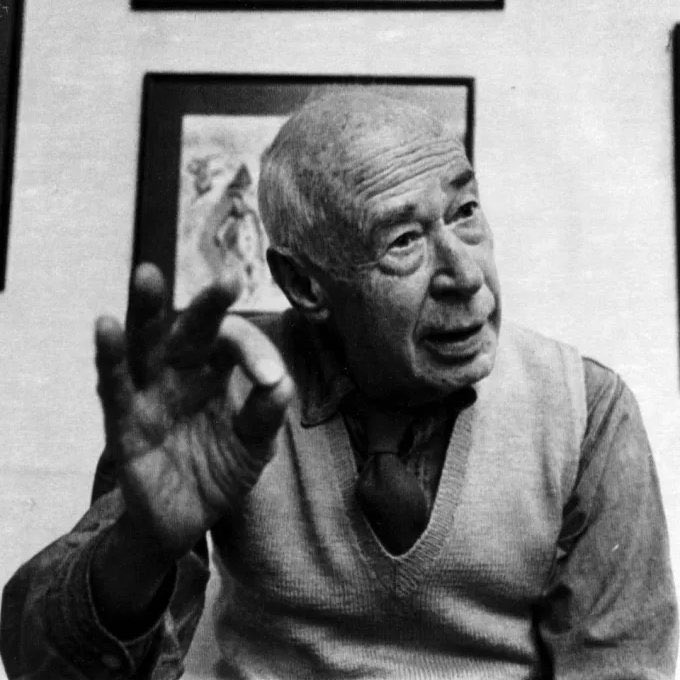
“To be silent the whole day long, see no newspaper, hear no radio, listen to no gossip, be thoroughly and completely lazy, thoroughly and completely indifferent to the fate of the world is the finest medicine a man can give himself.”
― Henry Miller
I've been coding for 40 years. Here are the top 5 things I wish I knew when I started.
1. 90% of the job is debugging and fixing, not creating new code. Which is still fun if you're good at it.
I used to think programming was mostly writing fresh, clever stuff. In reality, most of your time is spent in other people's (or your own past self's) messy code, chasing down why something that "should" work doesn't. Get really good at debugging early. Learn assembly reading, call stacks, and kernel debuggers. It pays off hugely. The best engineers I saw were absolute magicians at this.
2. Manage complexity from day one (ie: don't write slop and "fix it later" if it goes somewhere).
Very early on, I'd hammer out code and refactor afterward. Big mistake. Now I start with clean, skeletal structure (minimalism first) and flesh it out carefully, with AI or not.
Messy code compounds and becomes unfixable. Upfront discipline on architecture, naming, and simplicity saves enormous pain later, especially in large systems like Windows.
3. Tools and processes matter more than you think
We suffered with basic diff/manual deltas instead of modern source control like Git. Branching, testing, and good tooling would have made porting and collaboration way smoother. Invest in your environment, automation, and reproducible builds early. Good tools amplify your output; bad ones (or none) drag everything down.
4. Understand the problem and existing code deeply before writing
Don't jump straight to coding. Map out the problem, study what's already there (you'll inherit a lot), and plan. Low-level knowledge (hardware quirks, alignment issues on different architectures like MIPS/Alpha) was crucial. Also: assert early and often. It forces clarity.
5. People, politics, and "the right tool for the job" beat pure tech arguments.
Brilliant engineers still argue endlessly. Sometimes it's about ego, not merit. Learn to spot the difference and "steer" the conversation rather than "winning" it.
Bonus from experience: Side projects like Task Manager (started at home because I wanted the tool) can become your biggest hits. Ship small, useful things often. If you're just starting, focus on fundamentals, patterns over syntax, and building resilience for the long haul. It's going to be a wild ride, but the fundamentals still matter.
John Coltrane gave Alice Coltrane a harp, not long before his death in 1967.
After losing him, Alice made it central to her music, using it to build the spiritual, otherworldly sound that defined her later career.
Today's Armenian Genocide Remembrance Day commemorates not only the first genocide of the 20th century, but also the first modern government-sponsored one, and that inspired the Nazi horrors. "Never Again" must not ring hollow.
Black Mirror S8E1: In 2027, developers are allocated a daily Claude token allowance by the government. A junior dev burns through his entire month's supply trying to centre a div. His family starve. He is forced to write the code himself. He can't. Society collapses.
If you like Claude Code or Codex, you should seriously consider running Agents locally as well! The latest small models (like Qwen 3.5) made this a real before/after moment - and the gap keeps closing. Local coding agents are faster, with more reliable tool calling capabilities, still private, and cost $0 in API bills.
We made it super easy for you to run a local agent with the 𝚊𝚐𝚎𝚗𝚝𝚜 Hugging Face CLI extension - a one-liner that uses 𝚕𝚕𝚖𝚏𝚒𝚝 to detect your hardware and pick the best model and quant, spins up a 𝚕𝚕𝚊𝚖𝚊.𝚌𝚙𝚙 server, and launches Pi (the agent behind OpenClaw 🦞).
One command to find what runs on your hardware and go straight to a working local coding agent!
You should give it a try! 👇
Tourcoing. Il les rend fous: gares, dépôts, convois, il détruit tout. Il s'y connaît, il est cheminot. Les Allemands se vengent : ils l'arrêtent, violent sa fille devant lui, le déportent. Emile Dubocage tiendra bon pour voir la Victoire. Et le 15 mai 1945, il s'éteindra. 32 ans.
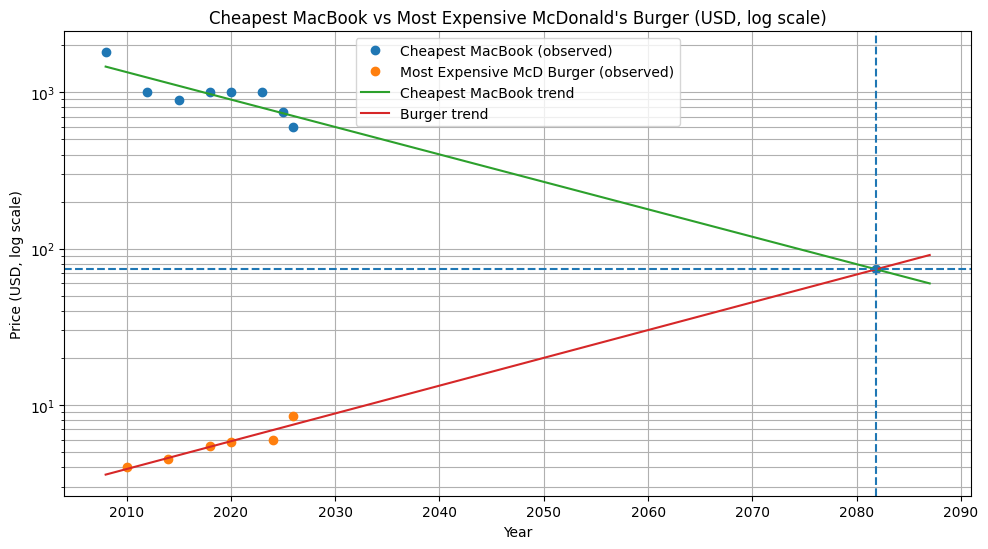
I've plotted the most expensive McDonald's burger and the least expensive MacBook over time. This analysis projects that the most expensive burger will be more expensive than the cheapest laptop as soon as 2081
RIP Robert Duvall (1931-2026)
A lot of you might have a list of favourite Robert Duvall performances; I too have them. But the most memorable one for me is this one in "Invasion of the Body Snatchers" (1978). He features for less than 20 seconds.
The image of him in the swing playing like a kid might be inscribed in my mind probably because of this trivia. This just shows how much of a good guy he was.
The story behind the scene:
Robert Duvall, who had previously worked with Philip Kaufman on The Great Northfield Minnesota Raid (1972), happened to be in San Francisco at the time of filming, and shot his only scene for free. He plays a crazy priest playing on a swing. It's supposed to foreshadow the pod person anomie and alienation we feel later in the movie.
(Source: IMDb)
I am a Ukrainian Nobel Peace Prize Laureate. I have a question.
Why has Trump's year of negotiations been the deadliest for civilians in Ukraine since the full-scale invasion? The number of deaths and injuries has increased by 31 percent compared to the previous year.
Why did Putin not allow himself such brutal strikes on civilian infrastructure under Biden, whom Trump calls “weak,” but totally destroys peaceful cities and disregards the “strong Trump”?
Photo Liz Landers
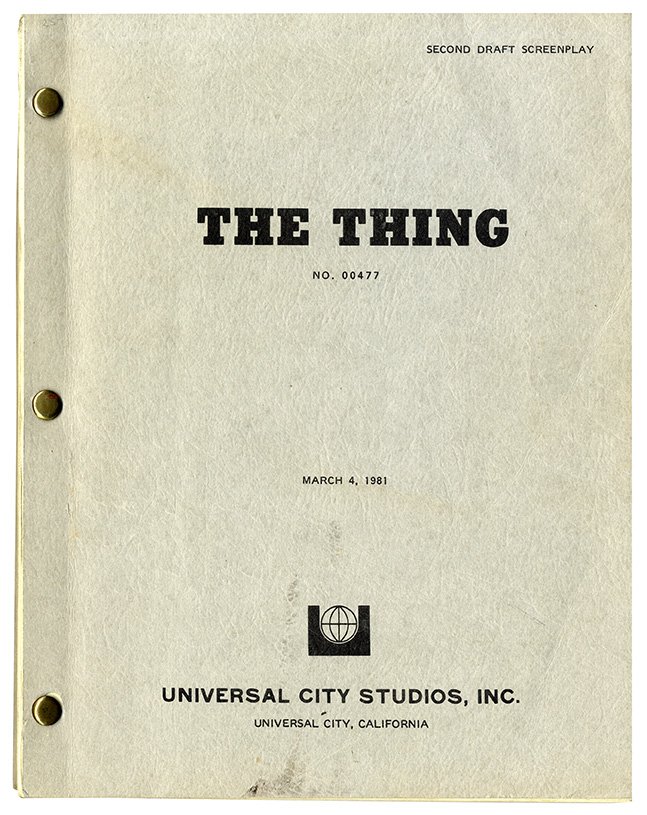
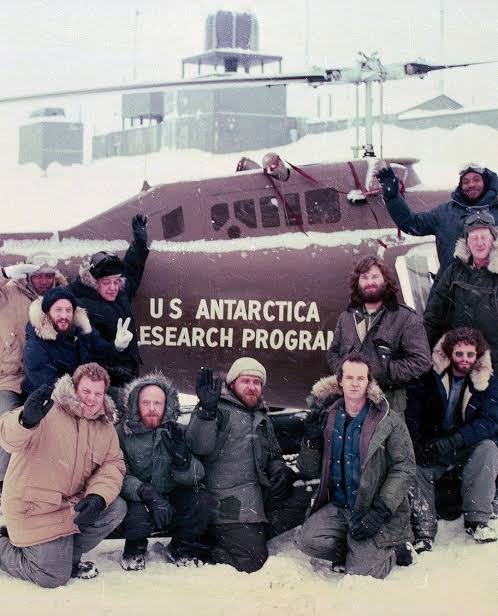
As you may have heard, “The Thing” has been added to the Library of Congress. We made the movie to push against the edges of what we could pull off, and it carries that strain in its bones. Seeing it now treated with the same care and reverence we had making it means a great deal to me and everyone who brought it to life.
I especially want to remember TK Carter, who brought heart and humor into that desolate, frozen place and should be standing here with us today sharing in this recognition.
Thank you to everyone who continues to keep it alive.