The shadow library Anna's Archive acquired a unique collection of 7.5M/350TB Chinese non-fiction books. They are seeking OCR and LLM partnerships, offering a year of free access.
But is Anna entitled to provide this access?https://t.co/B6DsOkN5U2 1/4
#AdvancingWithTheTime
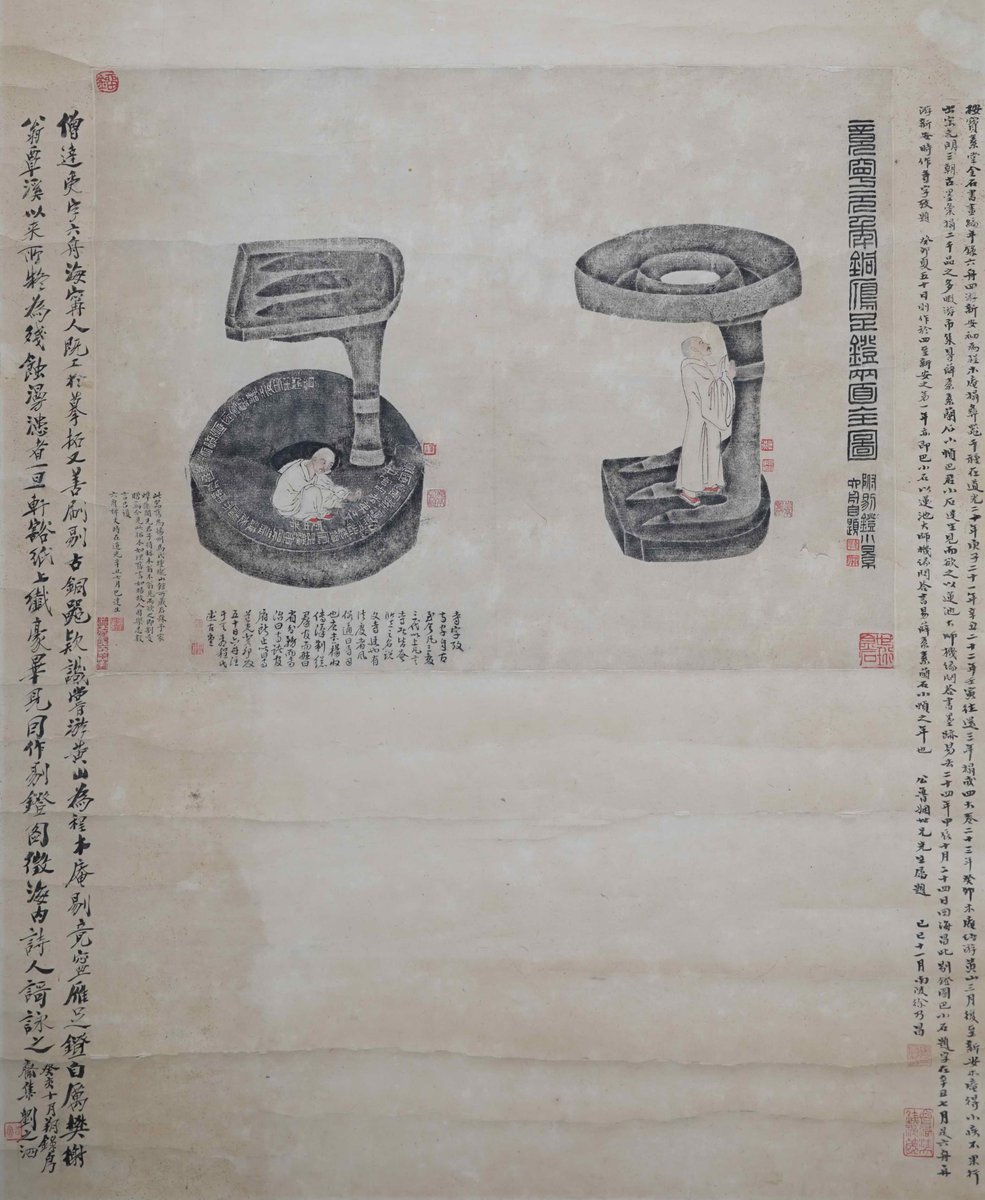
Liuzhou (1791–1858) was excelled at making paper rubbings. The rubbing below that looks like a black and white photo was one of his most famous works. It was taken from a goose foot lamp🪔 made in 33 BCE. The monk in red shoes working on the lamp is Liuzhou.
Bought the exhibit catalogue for our library the first moment it was announced. Now really wondering if our catalogs could have an entry or a note: contains copyright infringement content/contributors unfairly treated. What a disappointment.
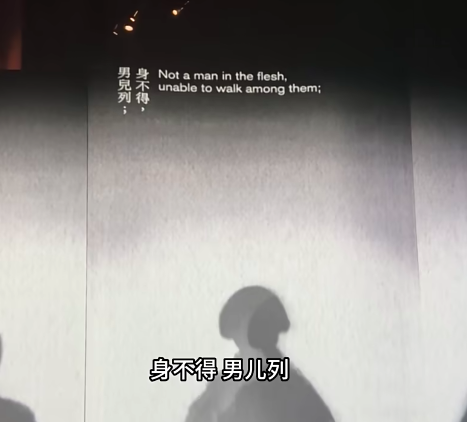
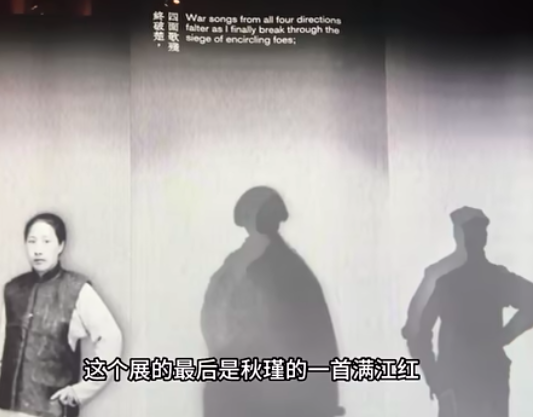
Um, hey @britishmuseum, it's come to my attention that your exhibit "China's hidden century" uses my translations of Qiu Jin's poetry, but you never contacted me for permission. Please note this is a copyright infringement! How are you going to fix this?? #NameTheTranslator
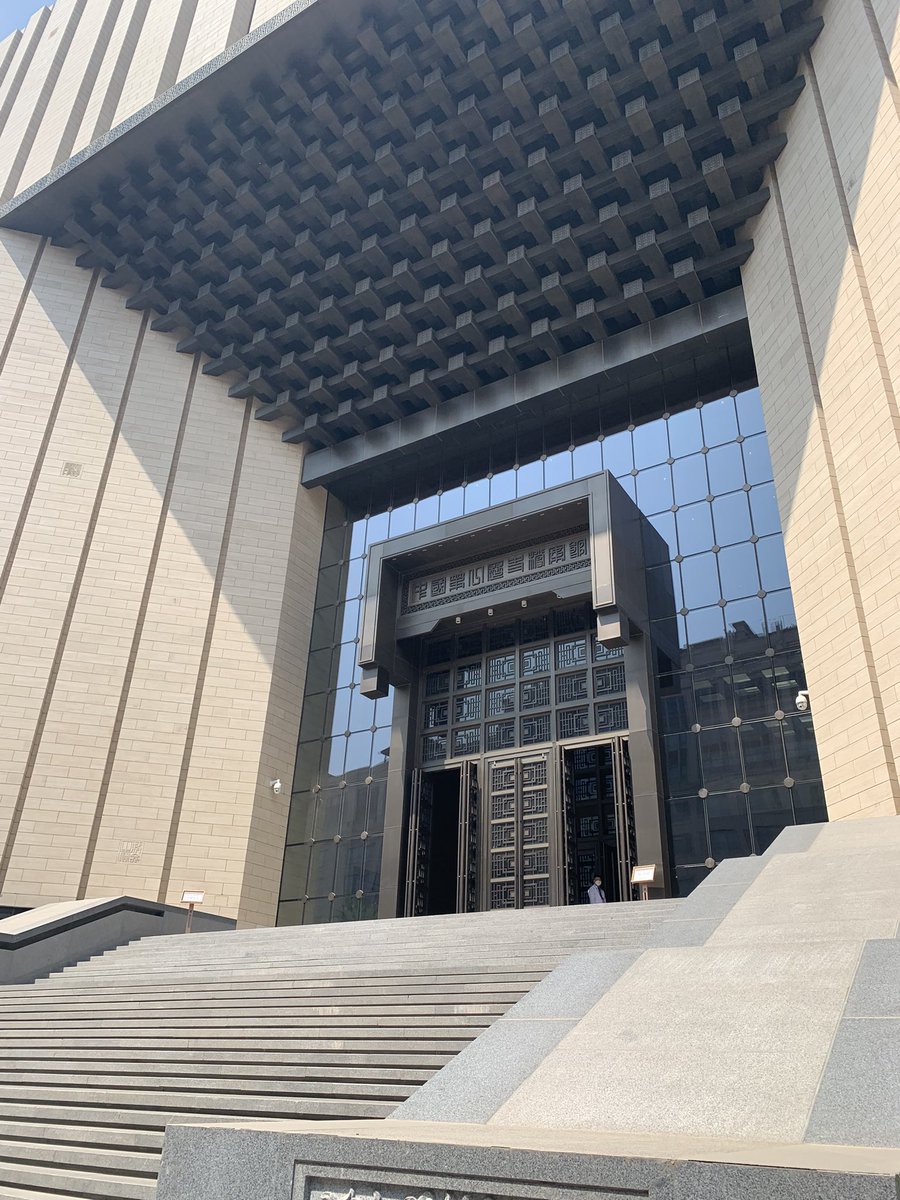
China historians: some hopeful news. I was able to visit the new First Historical Archive today. It’s true that you need a Chinese phone number to make an appointment online, but the new facility is wonderful.
Cynthia Brokaw, '“How to Do Everything Right”: The Daily Use Encyclopedias of the Ming and Qing as Sources for Social History', Singapore Chinese Cultural Centre, 1400–1530 22 Jul, 2023. Both online and in-person.
https://t.co/xrAa7VaoHR
Join librarians as they explore the history of organized labor at the Library with The Class Mark, a publication from the 1930s written by the Library's units of the Communist Party of the U.S.A. and the Young Communist League.
https://t.co/2i2cv97lfy
"At Home in Nature: Technology, Labor, and Critical Ecology in Modern China," a thematic issue of Prism edited by Ben Wang is now available! View the TOC & read "Chapter Eight: Toxic Colonialism, Alienation, and Posthuman Dystopia in Chen Qiufan" for free: https://t.co/ZbVbBd15Ee
Favorite activity on the street to witness and experience in the 90s Taiyuan. Remember a ride during which the driver had to get off and adjust poles so many times.
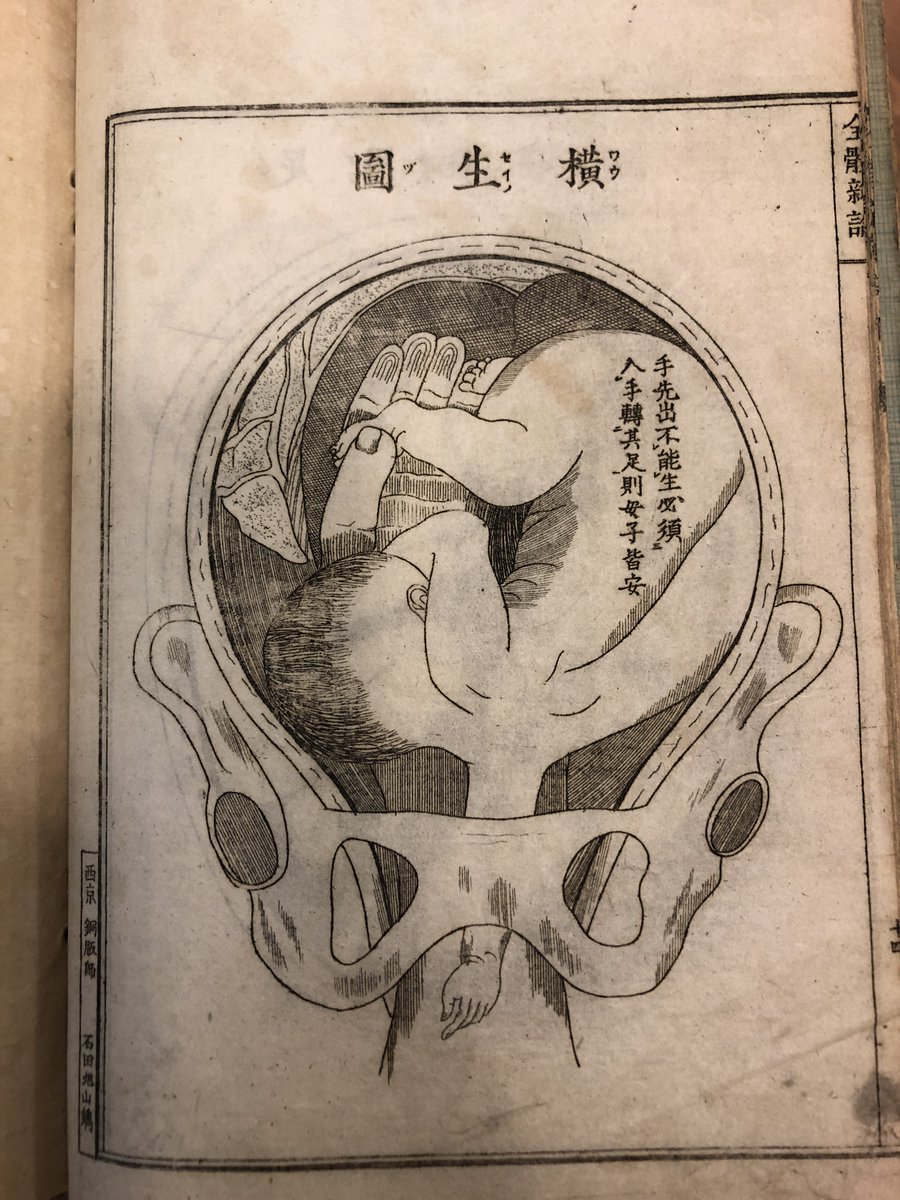
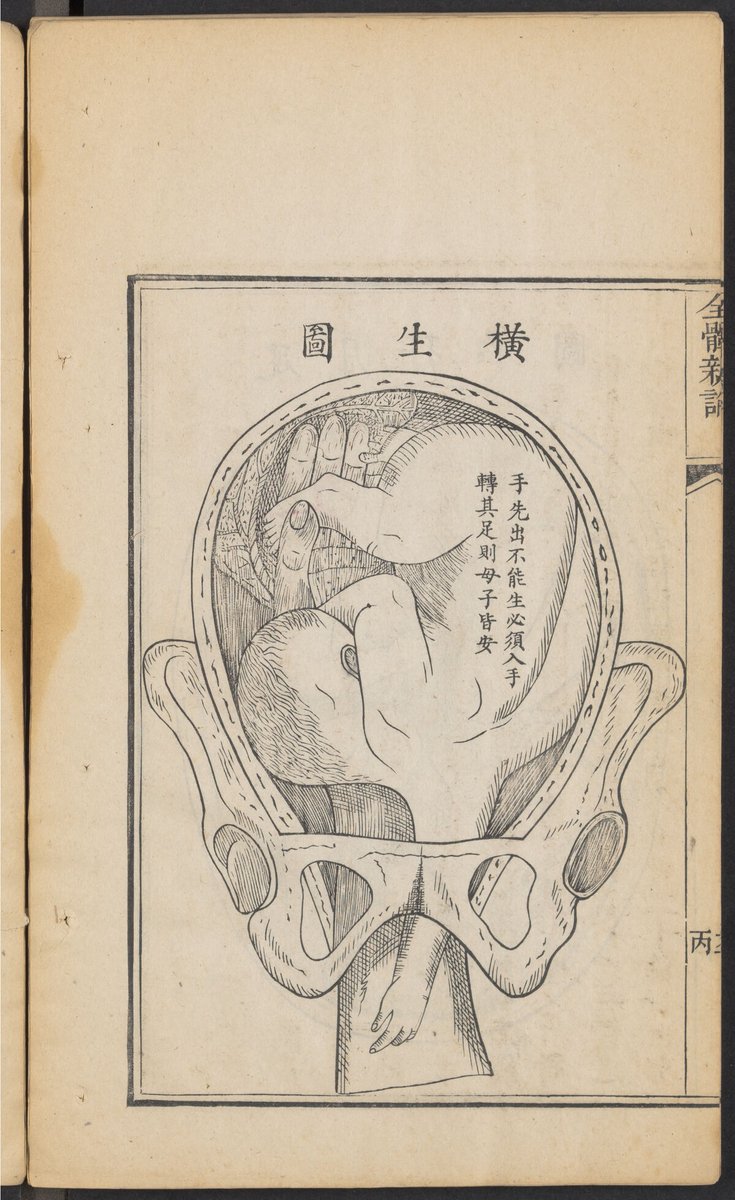
In our collection at @utlibraries, there is a Japanese 1874 remake/translation of the Quanti xinlun by Benjamin Hobson, first published in Shanghai in 1851. The 1874 Japanese edition redid the illustrations with copperplate. Chinese version from Harvard: https://t.co/OSD3tppDIp.
‘Historical Fragments: Making, Breaking, and Remaking’ is tomorrow and there is still time to register to attend online! Sign up by 5pm (BST) today and join us to hear from a fantastic line-up of speakers including a keynote from @CMurray1603.
https://t.co/4PtoB0EjpJ
New Cambridge Element Late Tang China and the World, 750–907 CE by Shao-yun Yang is now free to read for 2 weeks!
https://t.co/SPBSvOHejG
#cambridgeelements#history