On July 21st, one of the most significant historical events is the Apollo 11 moon landing in 1969, where Neil Armstrong became the first person to walk on the Moon.
On July 9th, 1877, the first Wimbledon tournament began, marking a significant event for tennis. This inaugural tournament, known as the Gentlemen's Singles, was held at the All England Croquet and Lawn Tennis Club in Wimbledon, London. The winner of the first was Spencer Gore.
On July 8th 1497, Vasco da Gama embarked on his pioneering voyage from Lisbon, Portugal, to discover a sea route to India. This journey marked a pivotal moment in European exploration and trade with the East.
On July 7, 1898, the United States officially annexed Hawaii through a joint resolution signed by President William McKinley. This event marked a significant step towards Hawaii becoming a U.S. territory in 1900 and eventually the 50th state in 1959.
Paul McCartney met John Lennon for the first time, at a church event in Liverpool, England, where the latter's band was performing; the duo would later form the Beatles, perhaps the most influential band in history.
On July 5, 1996, Dolly the sheep, the first mammal to have been successfully cloned from an adult cell, is born at the Roslin Institute in Scotland. Dolly lived 6 years before been putting down because suffering lung disease.
July 4th is celebrated as Independence Day in the United States, commemorating the adoption of the Declaration of Independence by the Congress in 1776. This declaration announced the thirteen American colonies' secession from British rule and their formation into a new nation.
On July 2nd is the signing of the Civil Rights Act of 1964 by President Lyndon B. Johnson. This landmark legislation outlawed discrimination based on race, color, religion, sex, or national origin in public accommodations, federally funded programs, and employment.
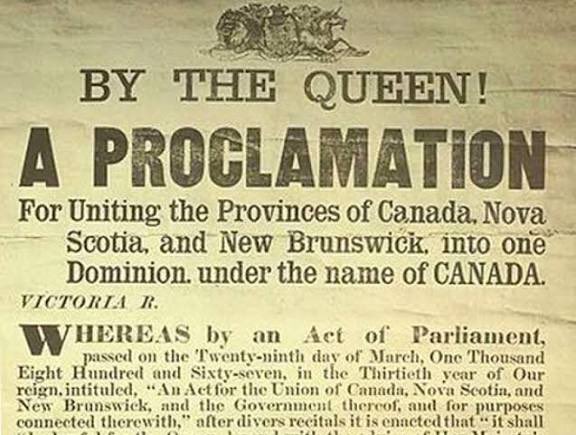
July 1st is primarily known for being Canada Day, the national holiday celebrating the anniversary of Canadian Confederation. In 1867 the Constitution Act, united several British colonies into the Dominion of Canada. And in 1982 Dominion Day was officially renamed Canada Day.
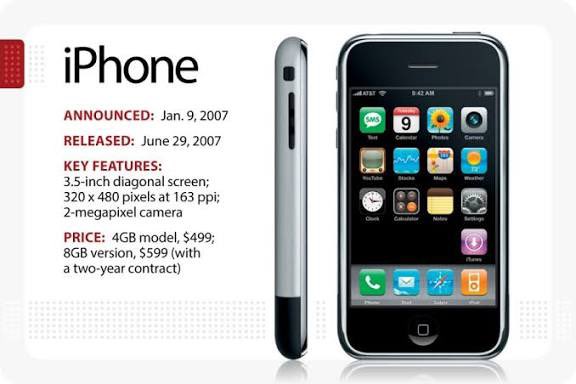
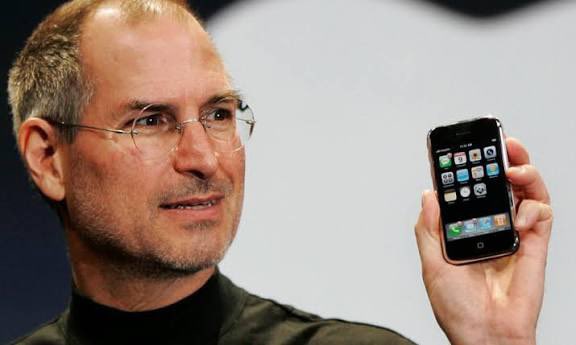
A notable event on June 29th is the release of the first iPhone by Apple in 2007. This groundbreaking device combined a phone, iPod, and internet communicator, transforming the mobile phone landscape and establishing Apple as a dominant force in consumer electronics.
On June 28, 1919, the Treaty of Versailles was signed, officially ending World War I. The signing took place in the Hall of Mirrors at the Palace of Versailles, near Paris. This treaty, among other things, required Germany to pay financial reparations, disarm and lose territory.
Today on June 27, 1954, Russia opens the world's first nuclear power plant in Obninsk. This event marked a pivotal moment in energy production, introducing nuclear power as a new and potentially revolutionary energy source.
On June 26, 1945, the United Nations Charter was signed in San Francisco by representatives of 50 countries, marking the birth of an organization aimed at fostering global peace, cooperation, and human rights. #Kumohistorywatch