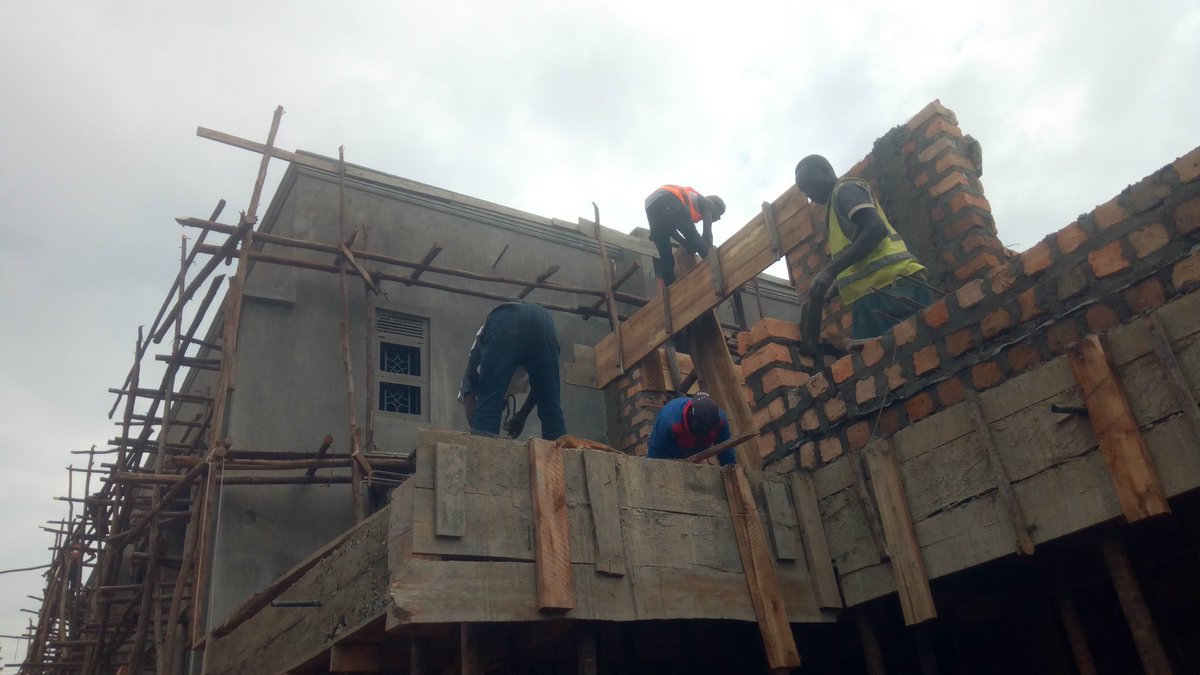
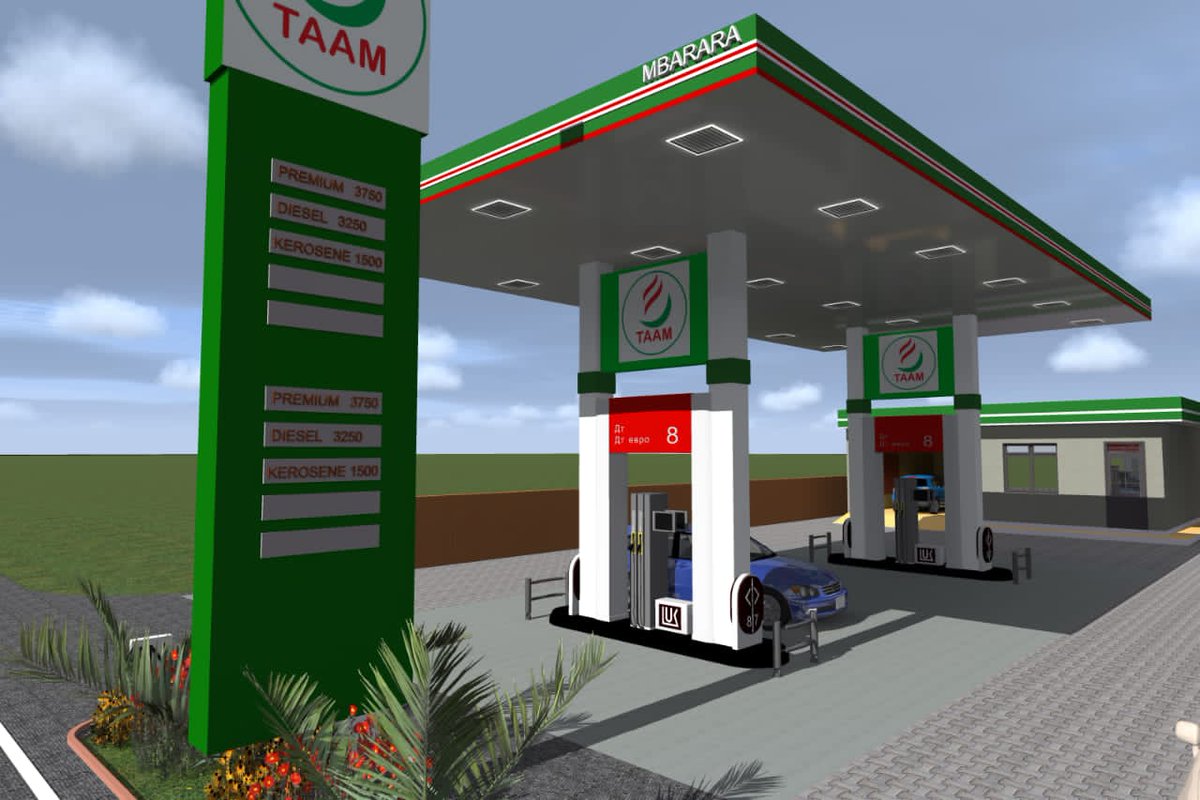
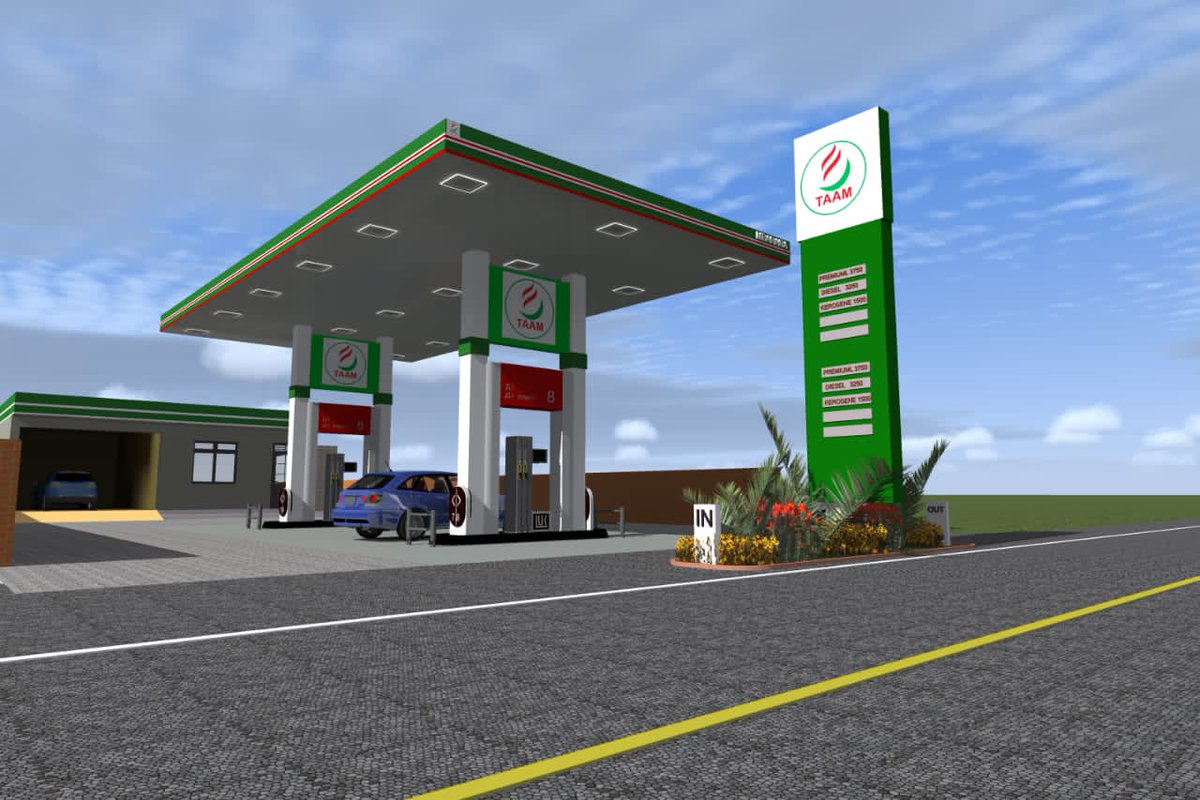
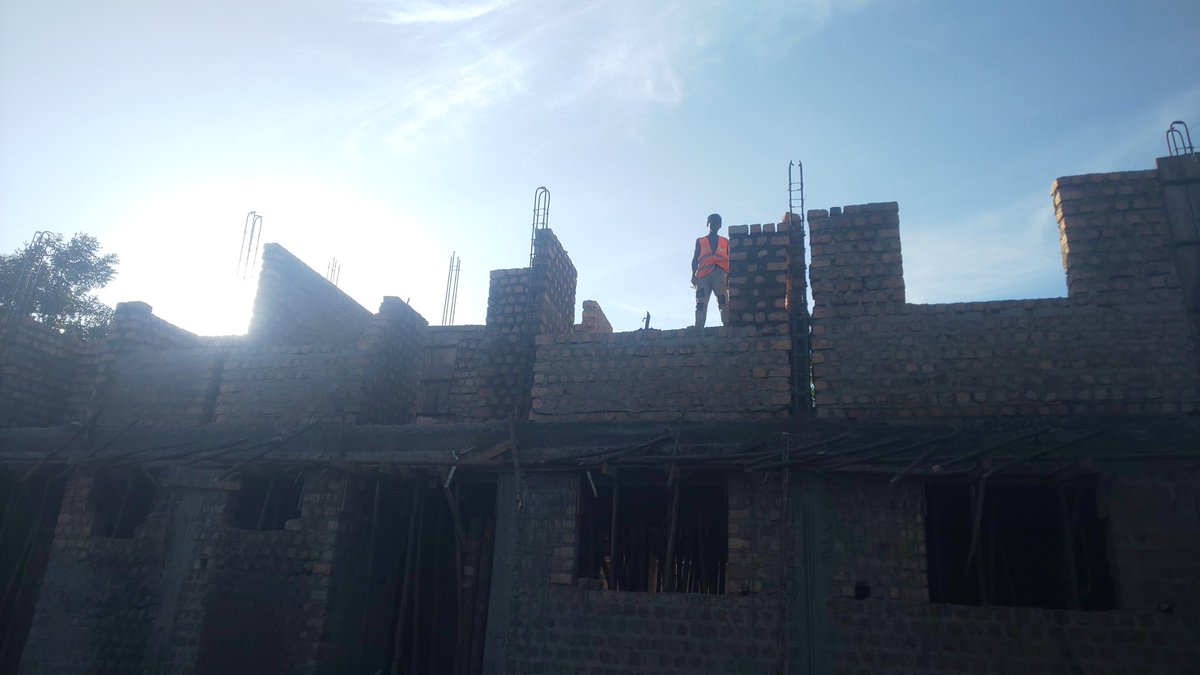
We are experts in Design and Construction of Apartments, Fuel /Petrol Stations, Water Supply Systems, Fabrication and Assembly of Warehouses/Industrial Structures, Material Supplies etc in E. Africa.
Hit us by DM or via [email protected]
Well thought and said Engineer.
The region has totally failed to industrialize.
But my hope is to oneday see a westnile with several operational industrial parks and locals making good use of the available electricity and security to uplift their lives
WEST NILE HAS THE POWER. WHERE ARE THE FACTORIES?
For decades, the loudest demand from West Nile was electricity. Our leaders pressed for it in Parliament, in campaigns and in every meeting with government. We were told the lack of power was the biggest obstacle to our transformation. They were right to fight.
That fight is won. The next one has not started.
West Nile now has about 170 MW of nominal electricity capacity: 145 MW from the national grid, 20 MW of solar and 5 MW of additional hydropower from Nyagak.
Our peak demand is 11 MW.
We use about 6.5% of what we have. On paper, 159 MW sits idle.
As an engineer, let me turn that into factories and jobs. In theory, 159 MW could run any one of these:
• 636 small factories at 250 kW each
• 318 agro-processing plants at 500 kW
• 79 medium factories at 2 MW
• 31 large factories at 5 MW
• 15 heavy industrial plants at 10 MW
That would translate to over 35,000 direct jobs and 40,000 indirect jobs. Overall, 75,000 jobs created.
So I ask our leaders: where is the noise now?
Where are the demands for industrial parks? For special economic zones? Where are the delegations going out to bring factories home?
Electricity was never the goal. It was the enabler. Poles, substations and transmission lines will not lift our people out of poverty. Factories will. Jobs will. Value addition will.
The West Nile Parliamentary Caucus and our regional leaders must unite behind one industrial agenda:
1. Fully serviced industrial parks, special economic zones and export processing zones.
2. Processing what we grow: coffee, cassava, maize, sesame, fruit and edible oil.
3. Manufacturing what our markets buy: construction materials, textiles, pharmaceuticals and consumer goods.
4. Affordable, long-term industrial finance.
5. Technical and vocational skills.
6. Aggressive promotion of West Nile as a place to invest.
But this is not a job for politicians alone. Our business community must carry its share, and I say this as one. Look around our towns. Our money is going into hotels and apartments. Many of us must now shift to building industrial facilities: factories, warehouses and processing plants. If we can build apartments to rent, we can build factory space to rent.
South Sudan and DR Congo are on our doorstep. We should be the factory that supplies them, not the corridor for goods made elsewhere.
Let us stop counting poles, transformers and kilometres of line. Let us count factories, jobs, exports and households lifted out of poverty.
170 MW against 11 MW should wake up every political and business leader in West Nile.
We fought for electricity and we got it. Now we must fight even harder for industry.
Electricity was the means. Industrialization is the goal. Prosperity is the outcome.
Joel Aita
Chairman Joadah Group
Rest in peace to Fr Mark Beard. He was an ardent preacher of the gospel, and a shepherd that cared for his flock so deeply. Hear his words! Pray for him as he also prays for us. Vivat Christus Rex!
Friends, we’ve come to the end of the liturgical year: the great feast of Christ the King. The Anglican theologian N. T. Wright said that the New Testament is an account of what it looks like for the God of Israel to come to reign as king.
What does Christ the king do? He gathers in the tribes, purifies the temple, and deals with the enemies of Israel. This great work of kingship reaches its climax on the cross—and it continues through his Mystical Body, the Church.