In what will certainly become one of the most fundamental speeches of his pontificate, Pope Leo XIV told the Spanish Parliament, before receiving a 7-minute standing ovation: "The defense of human life is neither a partisan issue nor a confessional interest: it is a goal of civilization."
"If life ceases to be recognized as a fundamental value, what future can our societies have?" he said, speaking to a gathering of politicians, many supporting abortion and euthanasia.
"Can a community that casts into the shadows the unborn child, the elderly, the sick, those who suffer in silence, or those who depend entirely on the care of others be called fully just?"
"Every human life must be recognized and safeguarded from conception to its natural end, in every circumstance of its existence. When this certainty is obscured, the most vulnerable are the first victims, and the law loses its deepest meaning: to serve and protect every person."
"For this reason, the moral greatness of a nation is manifested, above all, in its capacity to accompany, protect and love those lives that are most fragile," he said, repeating what John Paul II emphasized decades ago.
Starting his speech he commented that Church's is the "message offered in the spirit of service to the human person."
"When the Church addresses anything concerning public life, she does so while respecting the proper mission of institutions and the legitimate responsibility of those who have received the mandate to legislate," Pope Leo said, emphasizing "the Church offers a reflection born of the desire to serve the common good."
He hailed Spain as country that "has known how to view the human being as more than just a cog in the social, economic or political order. It has recognized the human being as a creature open to truth, endowed with freedom, and driven by a thirst for eternity that no temporal reality can quench -- in a word, as someone whose dignity takes precedence over all utility and to whose service legislative action is subject."
He said it was Catholic orders that "helped to shape a legal and moral consciousness capable of remembering that authority always entails responsibility and that every human being must be recognized as a subject of rights and duties."
"That aspiration continues to resonate today: that dignity, justice and the common good should be the measure of social relations, both at the national and international levels."
Referring multiple times to his "Magnifica Humanitas" encyclical, he said: "When the common good ceases to be a shared horizon, public action runs the risk of fragmenting into partial interests, incapable of safeguarding what belongs to all."
"In this context, the family — the primary human reality and the natural foundation of the community — takes on particular importance," Pope Leo said.
"The family will always be the first school of humanity, where one learns, before anywhere else, the basic grammar of living together: welcoming life, caring for others, forgiving, serving and belonging."
"Human life can never be treated as a commodity," the pope said.
"A law does not attain its true greatness merely by having been formally enacted; it attains it when, in addition to being valid in form, it can stand before the dignity of the person and pass that test without shame."
"I invite you, then, to lift your gaze to the world around you, not to turn away from reality, but to remember that every decision by public authorities affects real people, especially those who have less power to make their voices heard."
"The expanse of one’s vision consists precisely in looking more deeply at what is at stake in every public decision. This is why, alongside technical solutions and legal reforms, a moral renewal is also needed."
Video: Vatican Media
(fragment of speech follows)
Pope Leo XIV making a triumphal entrance to the Royal Palace of Madrid, for his courtesy visit to Their Most Catholic Majesties The King and Queen of Spain.
Today in 1986, Ireland West Airport, aka Knock Airport, was officially opened. Roughly 3.5 miles from Charlestown, Co. Mayo, it was the brainchild of Monsignor James Horan, who had famously invited Pope John Paul II to visit Knock Shrine on his 1979 visit to Ireland.
Monsignor Horan had already overseen the construction of the Knock Basilica, a church with a capacity of 15,000, having the entire cost covered before it was even consecrated.
The Fine Gael-Labour government of the day had little appetite for the airport project. Jim Mitchell, Minister for Communications, dismissed the idea as "ill-advised in the extreme," the site being "far distant from any sizeable town, high on a foggy, boggy hill."
When RTÉ reporter Jim Fahy stumbled across the Horan on that remote hilltop, surrounded by bulldozers and construction workers, and asked what exactly was going on he replied with a wink: "We're building an airport. Now don't tell anybody. We've no money but we're hoping to get it next week or the week after." Fahy asked if he had planning permission. "I'm not sure whether I have permission or not but I'm going ahead anyway, just taking a chance."
The government had supplied a grant of £9.8 million, but the estimated cost ran closer to £13 million. When Fianna Fáil lost the 1982 election, even that funding was cut, the airport left half-finished. He plugged the gap by organising a "Jumbo Draw," a massive national lottery that required a painstaking fundraising tour of Ireland, Australia, and the United States.
Horan was characteristically defiant when reporters pressed him on it. He invoked the charity concert Live Aid in his explanation: "There's Live Aid and Sport Aid and Self Aid. The people of Mayo have been practising self-aid for generations, otherwise they would have disappeared."
The first flight from Knock had actually taken off five months before the official opening, carrying pilgrims from Mayo to Rome in November 1985. But the ribbon-cutting came on 30 May 1986, with a crowd of 4,000 people gathered at Barnacuig to watch Charles Haughey, then leader of the opposition, do the honours.
Haughey had originally provided permission and initial funding when Taoiseach, and late Mayo journalist John Healy had been the one to put Horan in contact with him. Their alliance had proved the key that unlocked everything. Horan himself called it "the greatest thing that has happened in Connacht in the last 100 years and the greatest day of my life."
He was dead within two months. He died peacefully in his sleep on 1 August 1986 in Lourdes, aged 75, worn out by the effort of building the impossible thing. His remains were flown home to Knock, the first funeral to arrive at the airport he had built. Horan was buried in the grounds of the Basilica. The airport, for a time, bore his name: Horan International Airport.
It has since been renamed Ireland West Airport Knock, a somewhat functional title for an institution with a rather extraordinary origin story. By 2016, it had welcomed its ten millionth passenger, a woman named Lorna Conway from Athlone. Aer Lingus had largely kept its distance in the early years, but Ryanair stepped in and proved crucial to keeping the fledgling operation alive.
Buy the Dublin Time Machine a pint and support the DTM Book
https://t.co/U7jtCrOTtb
Tá Fianna Fáil 100 bliain ar an bhfód i mbliana.Beidh an páirtí i mbun ceiliúrtha an deireadh seachtaine seo ag an Ard-Fheis atá ar bun i mBaile Átha Cliath.
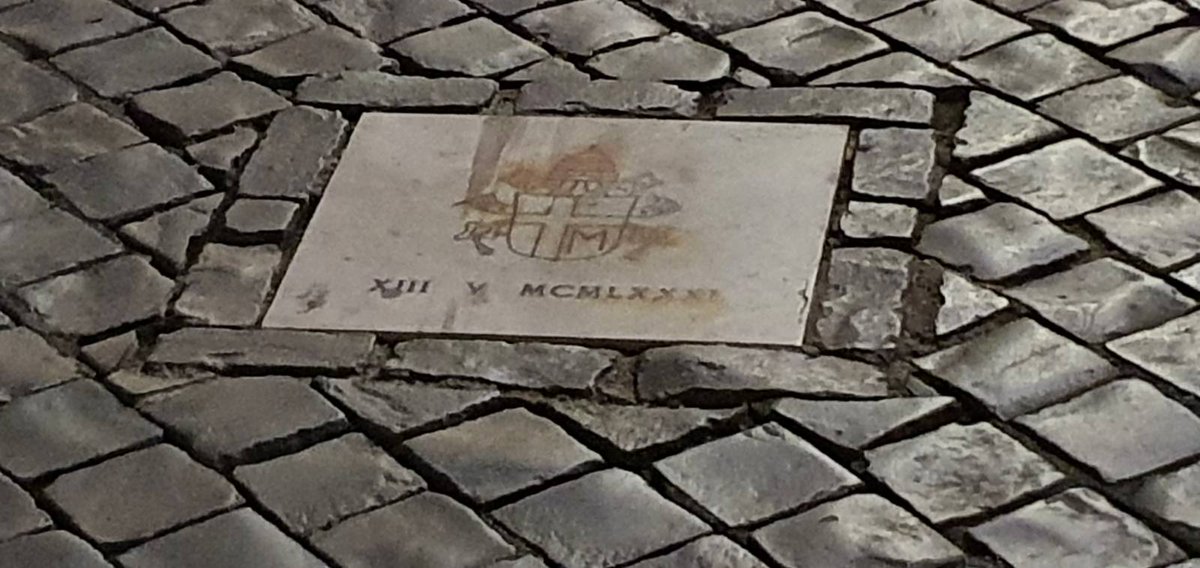
Today marks the 45th anniversary of the assassination attempt on Pope John Paul II, which took place in St. Peter’s Square during a general audience at around 5:19 p.m.
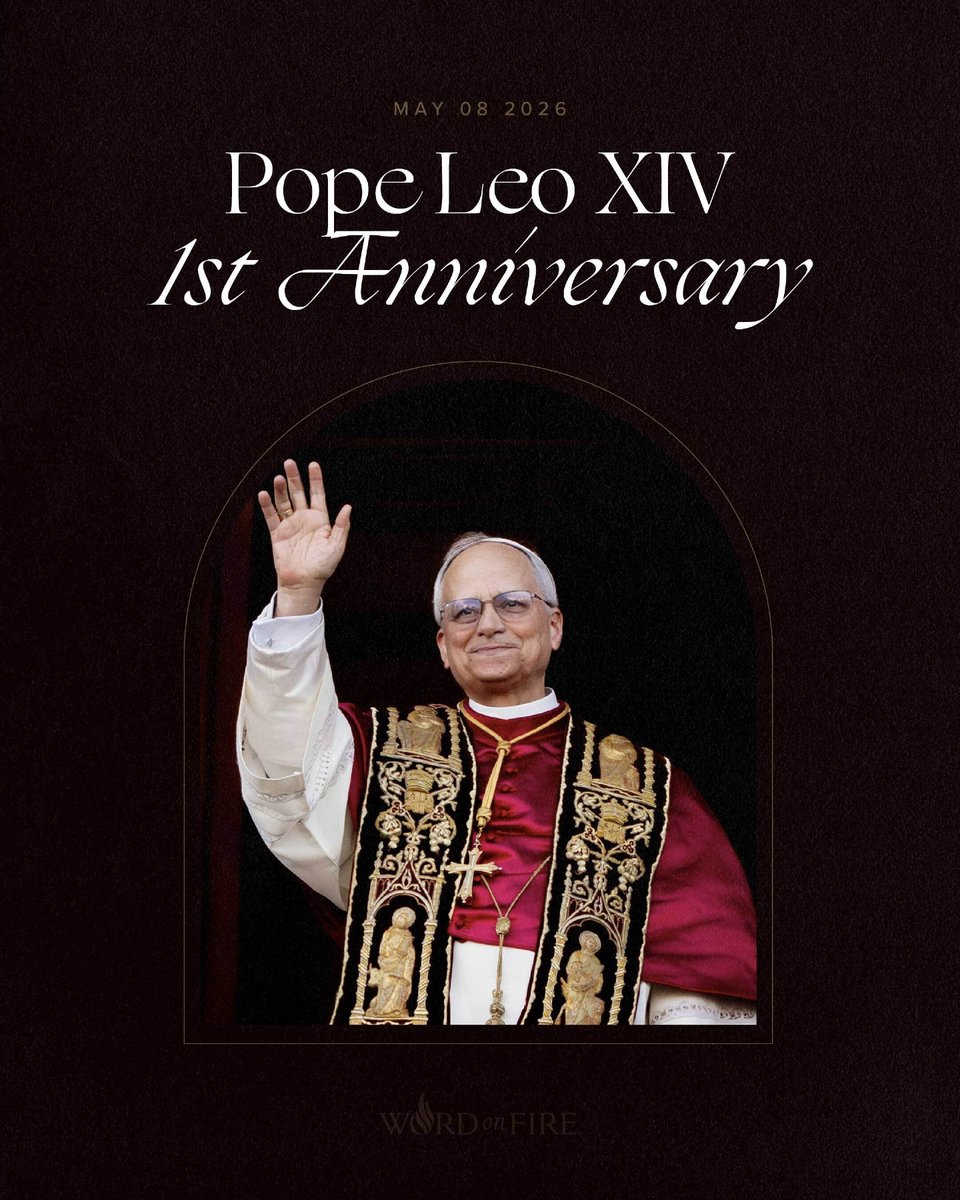
Friends, today marks one year since the election of Pope Leo XIV.
Please join me in thanksgiving for our Holy Father, praying that God will continue to strengthen and guide him in his leadership of the Church.
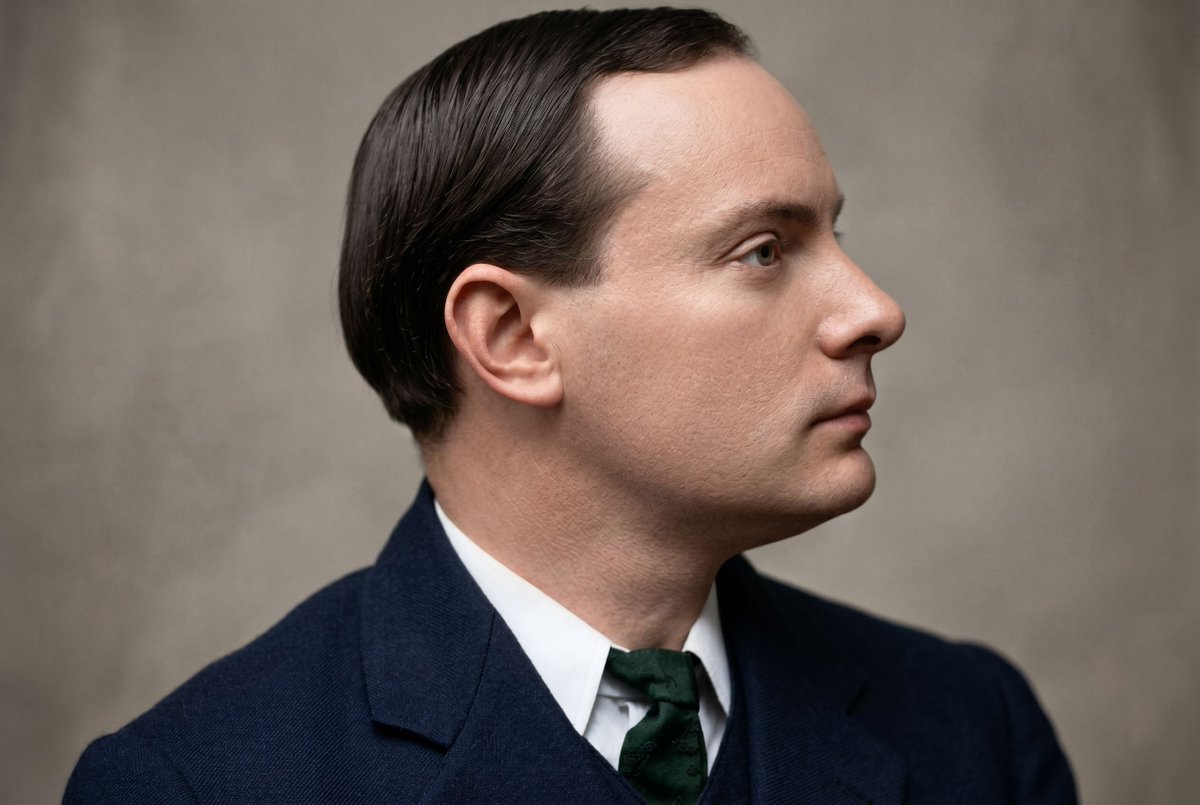
On Easter Monday, 24 April 1916, at 12:45 pm...
On the steps of the GPO Pearse read the Proclamation of the Irish Republic to a somewhat bewildered Dublin crowd. In broad daylight, declaring Ireland a sovereign independent Republic. And with those words, the Easter Rising began.
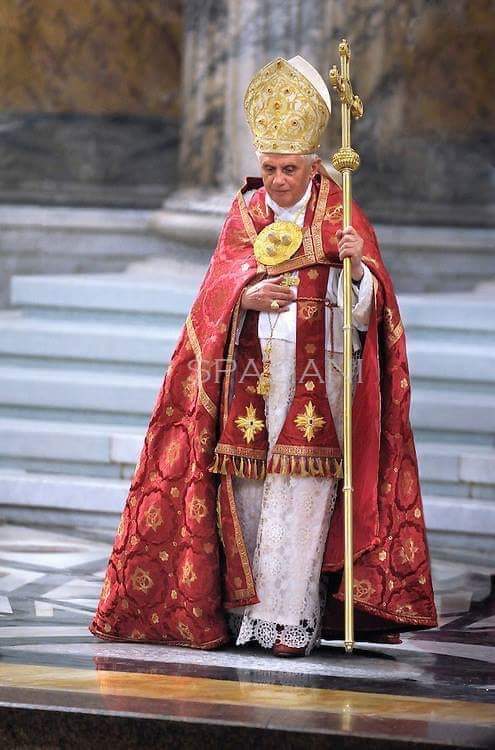
Today marks the 21st anniversary of the election of Pope Benedict XVI. #BenedictoXVI ( 2005-2013) The first German elected to the papacy in centuries - the first theologian to be elected in 300 years - the first Pope to resign in centuries.
#OTD 19 kwietnia 2005 r. w drugim dniu konklawe i w czwartym głosowaniu na papieża wybrany został kard. Joseph Ratzinger, który przybrał imię #BenedyktXVI.
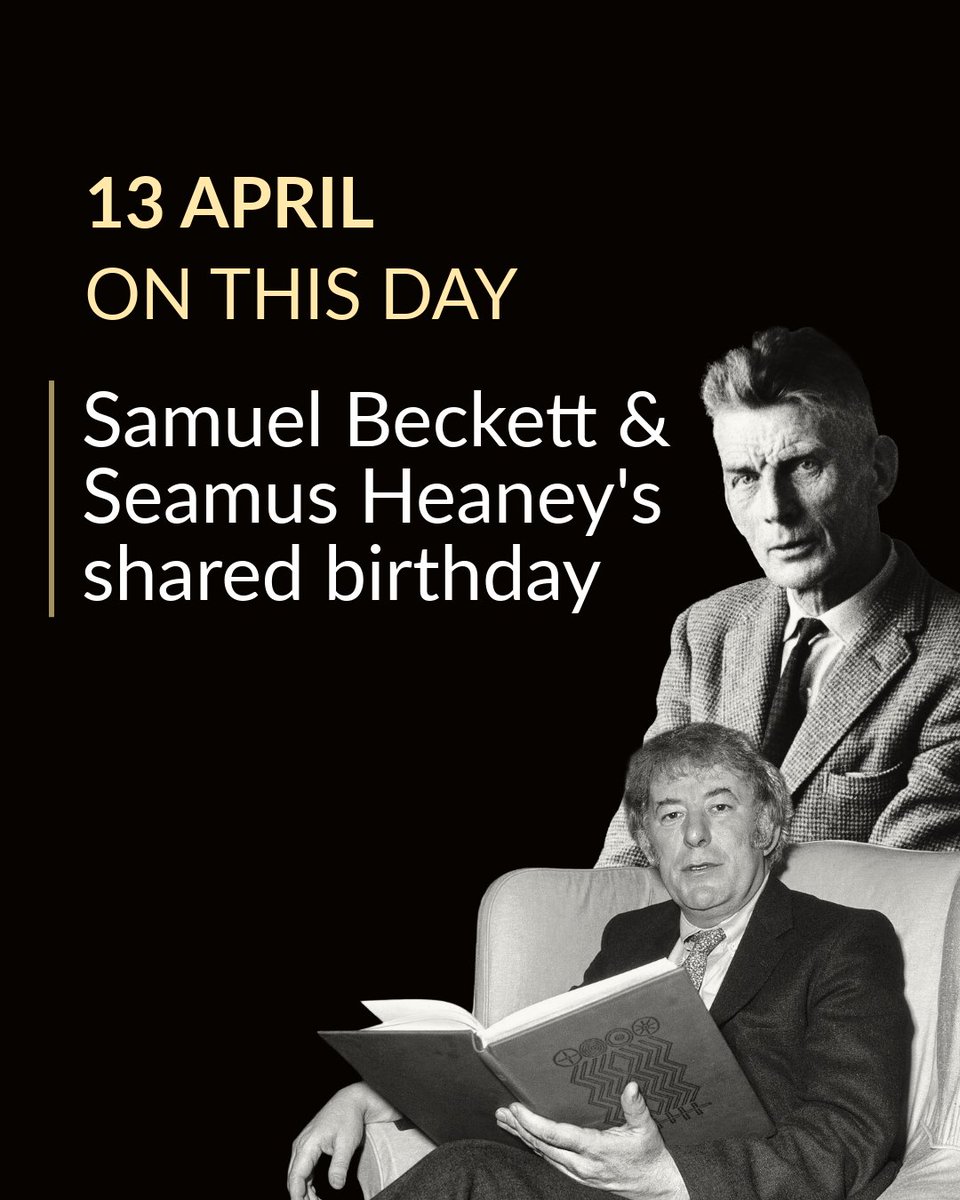
🇮🇪Today, 13 April, is the anniversary of the birth of two Irish literary icons: Samuel Beckett and Seamus Heaney.
The two Nobel Prize laureates in Literature were born on this day 33 years apart.
Explore more about the culture of Ireland: https://t.co/L4E3gtRhRZ
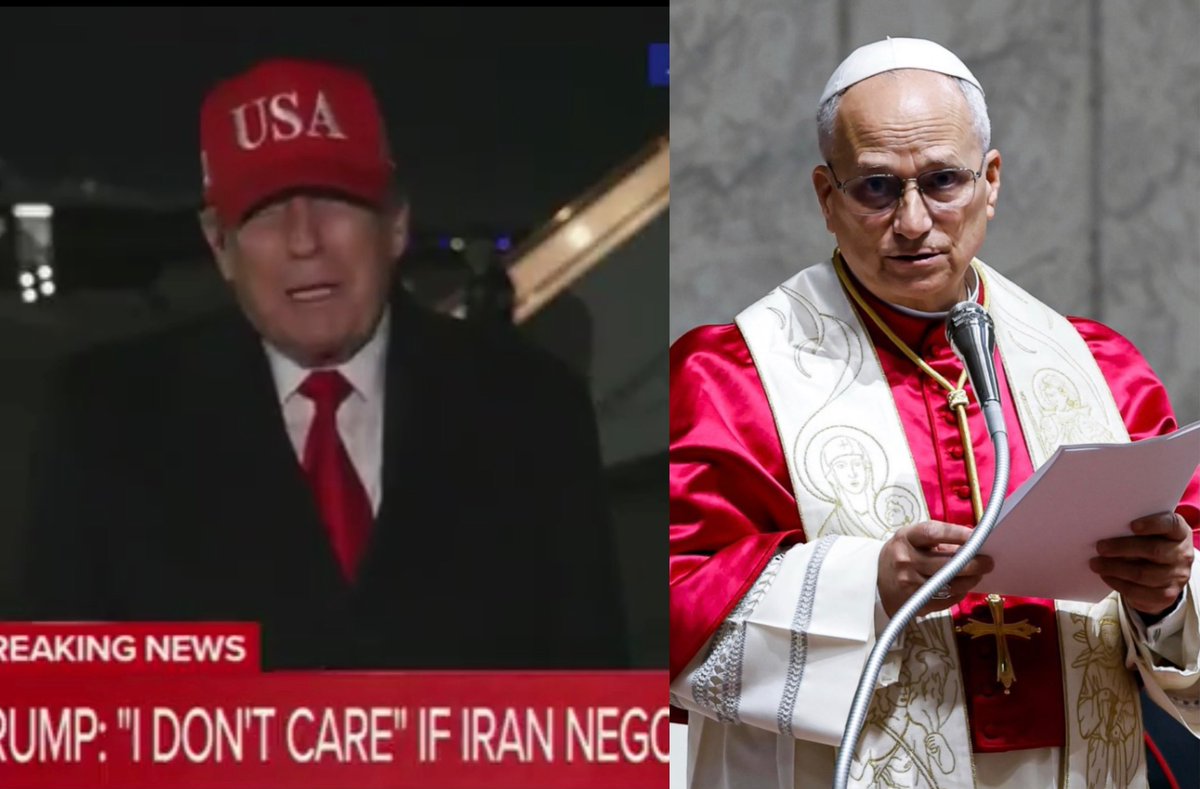
Donald J. #Trump prende di mira #PapaLeone XIV. E cosi tradisce un disagio profondo. Quando il potere politico si accanisce contro una voce morale, è perché non riesce a contenerla. Trump non discute Leone: lo implora di rientrare in un linguaggio che possa dominare. Ma il Papa parla un’altra lingua, che non si lascia ridurre alla grammatica della forza, della sicurezza, dell’interesse nazionale.
In questo senso, l’attacco è una dichiarazione di impotenza. Non potendo assimilare quella voce, il potere tenta di delegittimarla. Ma così facendo ne riconosce implicitamente il peso. Se Leone fosse irrilevante, non meriterebbe una parola. Invece viene chiamato in causa, nominato, combattuto: segno che la sua parola incide.
È qui che emerge la forza morale della Chiesa. Non come contro-potere, ma come spazio in cui il potere viene giudicato da un criterio che non controlla. Leone non risponde sul terreno della polemica, e proprio per questo resta fuori dalla presa. È libero.
E quella libertà, disarmata e disarmante , è forse ciò che più inquieta. E, nello stesso tempo, ciò che più conta.
It is not always easy to believe. It was not easy for Thomas, and it is not easy for us either. Faith needs to be nourished and sustained. For this reason, on the “eighth day” — that is, every Sunday — the Church invites us to do as the first disciples did: gather together and celebrate the Eucharist. #GospelOfToday (Jn 20:19–31)
The Stolen Crown by @TracyBorman The not so smooth succession of James VI to the English crown. A good title for the book as it also looks at the Tudors’ ( Mary and Elizabeth) grip on the crown and the various individuals/ groups that tried to dislodge them. Recommended #books
Someone who emerges with great credit from the Iran crisis is Pope Leo, who waited to issued a specific condemnation of US policy until President Trump made a threat that was clearly incompatible with a just war. He did so based on the prospect of apocalyptic disaster rather than as part of a papal political crusade against the US administration – a fantasy propagated by ultra-partisan liberal Catholics. Leo doesn’t approve of Trump, we can assume, but unlike his predecessor he’s responsible and even-handed in the exercise of his authority on the international stage.
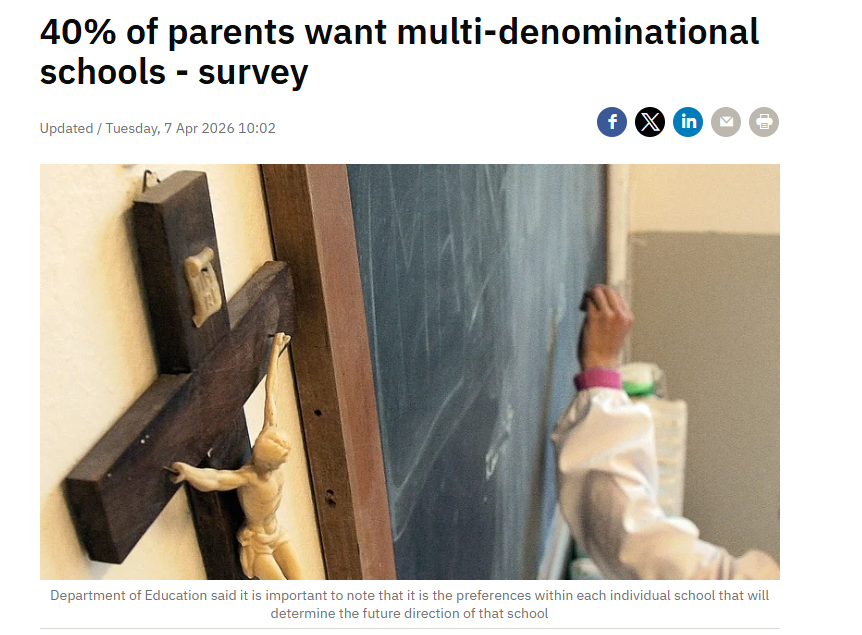
Another version of this headline would read: 'Big majority of parents want schools to remain Catholic'. (See what a change of emphasis can do to perceptions?)