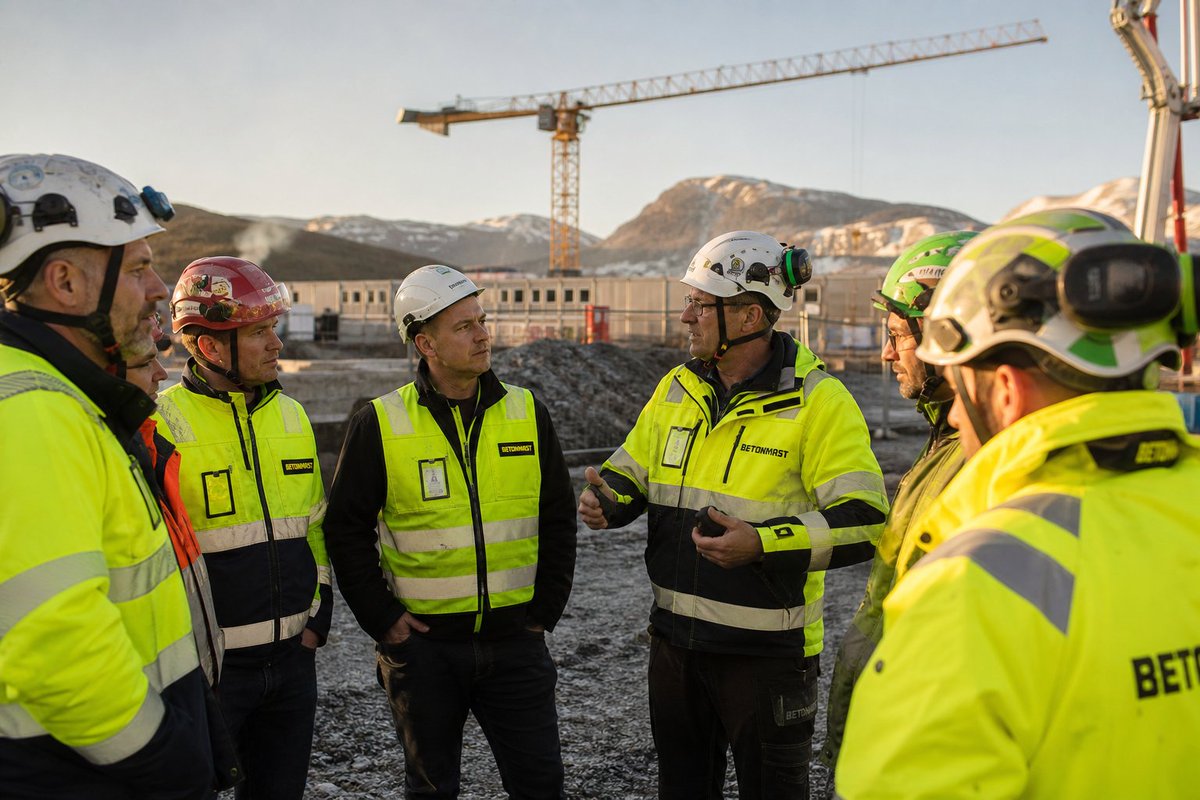
Every shift starts with a safety meeting. Not because it's paperwork — because it saves lives. What are we doing today? What changed since yesterday? What's the weather doing? Talk before you lift.
#ToolboxTalk#SafetyFirst#ConstructionSafety#CraneOperator
Wind doesn't care about your schedule. Up here in Hammerfest, we check wind speed before every lift. If it's too strong, we wait. No load is worth the risk. Know your crane's wind limits and respect them.
#WindSafety#CraneOperator#ArcticConditions#Hammerfest
Take Two before every lift. Two minutes of planning prevents double work, injuries, and costly mistakes. Who does what? What could go wrong? What's the escape route? Ask yourself before the crane moves.
#SafetyFirst#CraneOperator#TakeTwo#ConstructionSafety
Safety culture starts with you. Not the safety manual, not the poster on the wall — you. Every lift you do safely sets the standard for the crew. Lead by example. The new guy watches what you do, not what you say.
#SafetyCulture#LeadByExample#CraneOperator#ConstructionSafety
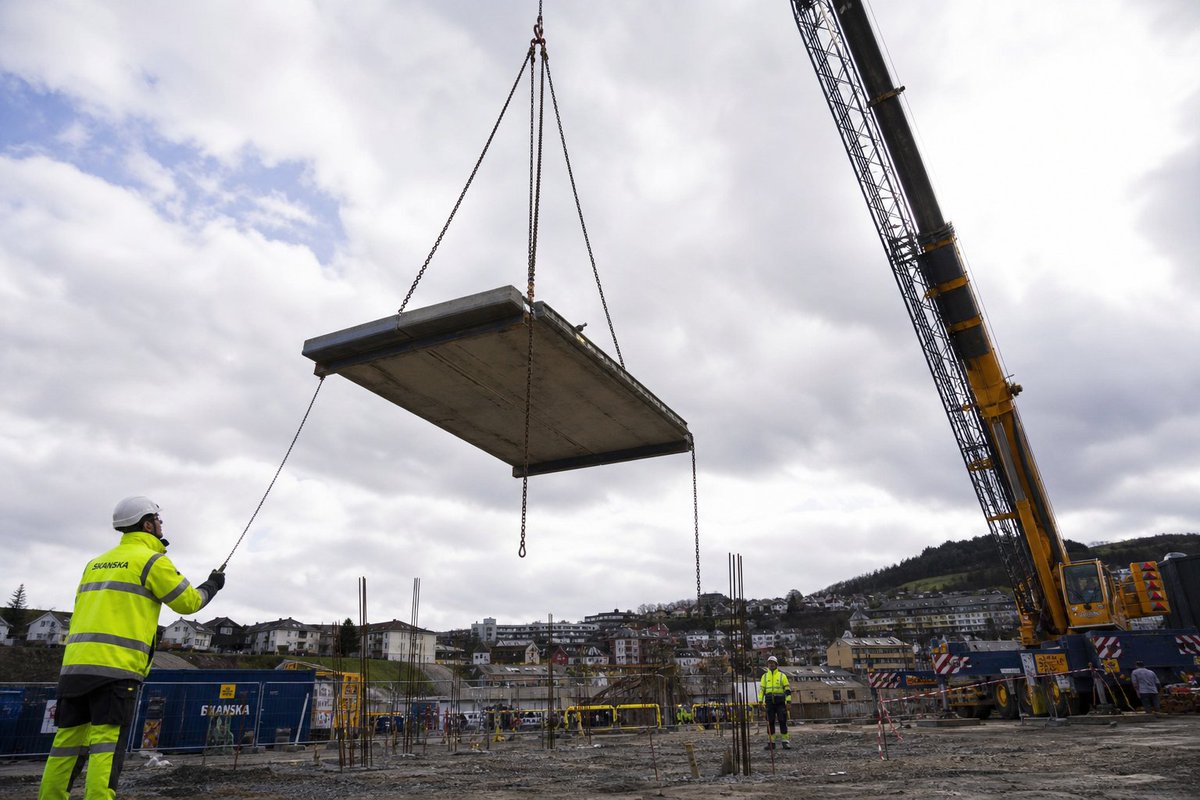
Never walk under a suspended load. Ever. No exceptions, no shortcuts, no 'just for a second.' The load is heavy, the rigging can fail, and gravity always wins. Go around. Always.
#SuspendedLoad#SafetyFirst#CraneSafety#ConstructionSafety
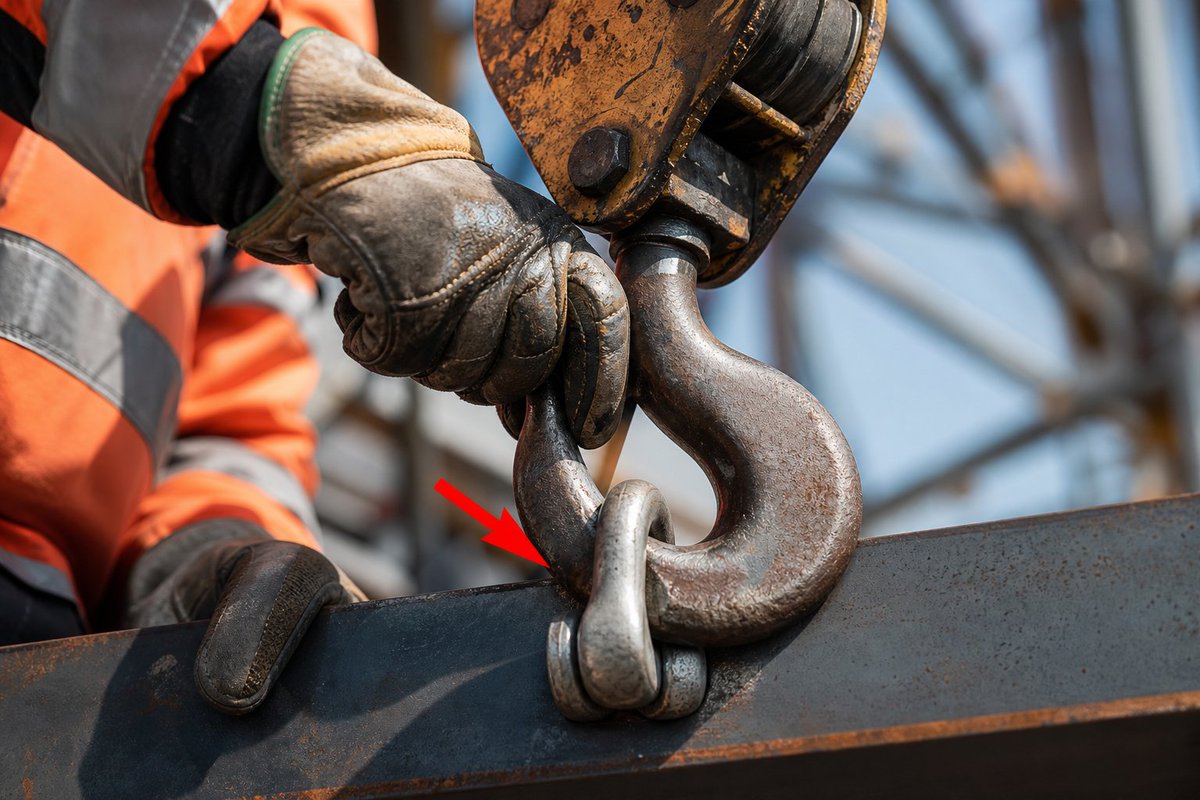
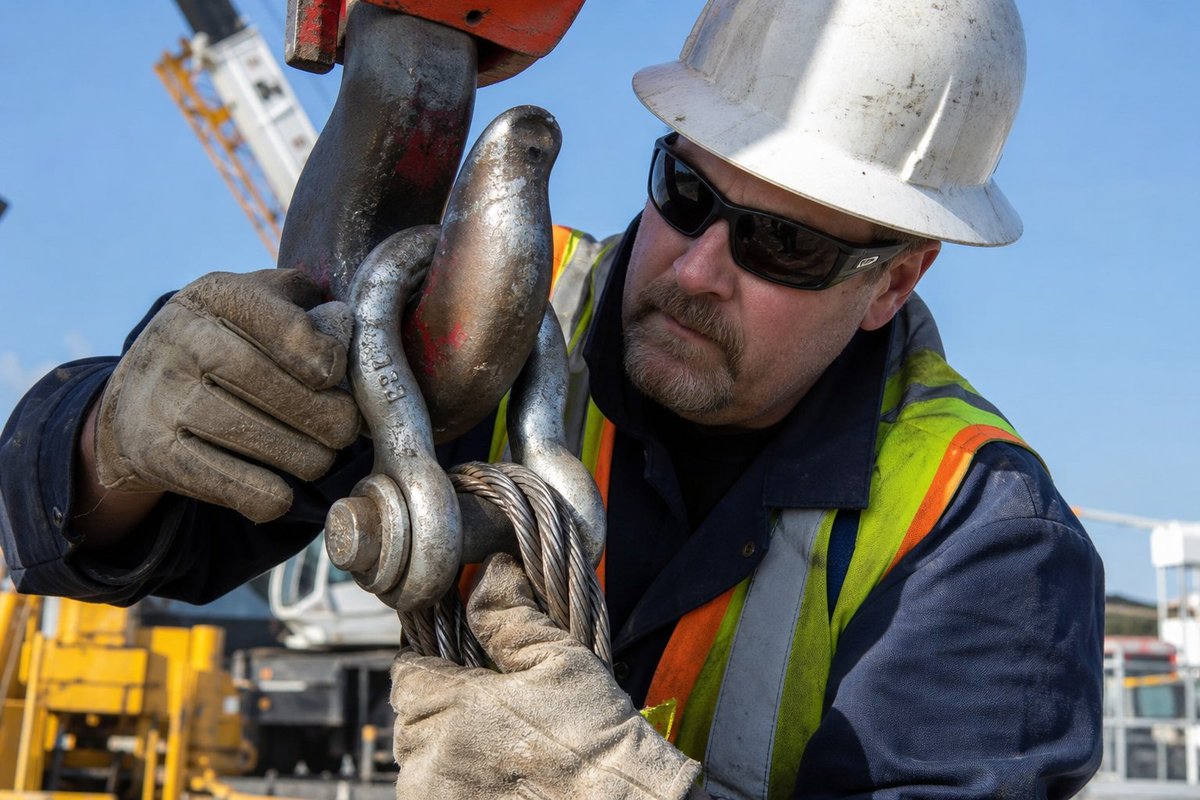
Watch your fingers. Pinch points are everywhere on a crane — hooks, blocks, sheaves, clamps. Most construction injuries are hand injuries. Keep hands clear of load transitions. Gloves on, eyes on.
#HandSafety#PinchPoints#ConstructionSafety#CraneOperator
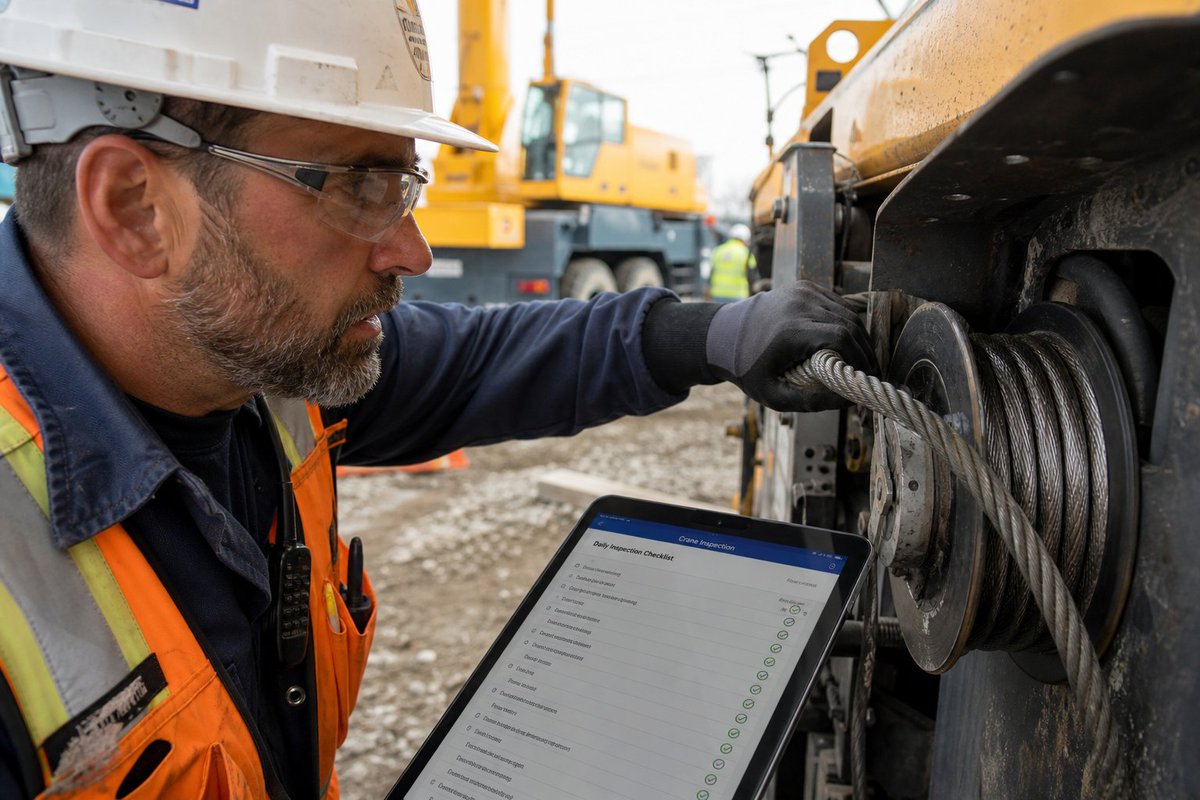
Daily inspection. Not a checkbox — a real check. Hydraulic leaks, wire rope damage, brake wear, structural cracks. The crane tells you when something's wrong — if you listen. Maintenance isn't downtime, it's uptime insurance.
#CraneMaintenance#Inspection#CraneSafety #ConstructionSafety
A near miss is a free lesson. Report it. Don't wait for the actual accident. Every near miss reported prevents the next one from being a casualty. Build a culture where reporting is praised, not punished.
#NearMiss#SafetyCulture#ConstructionSafety#ReportingSavesLives
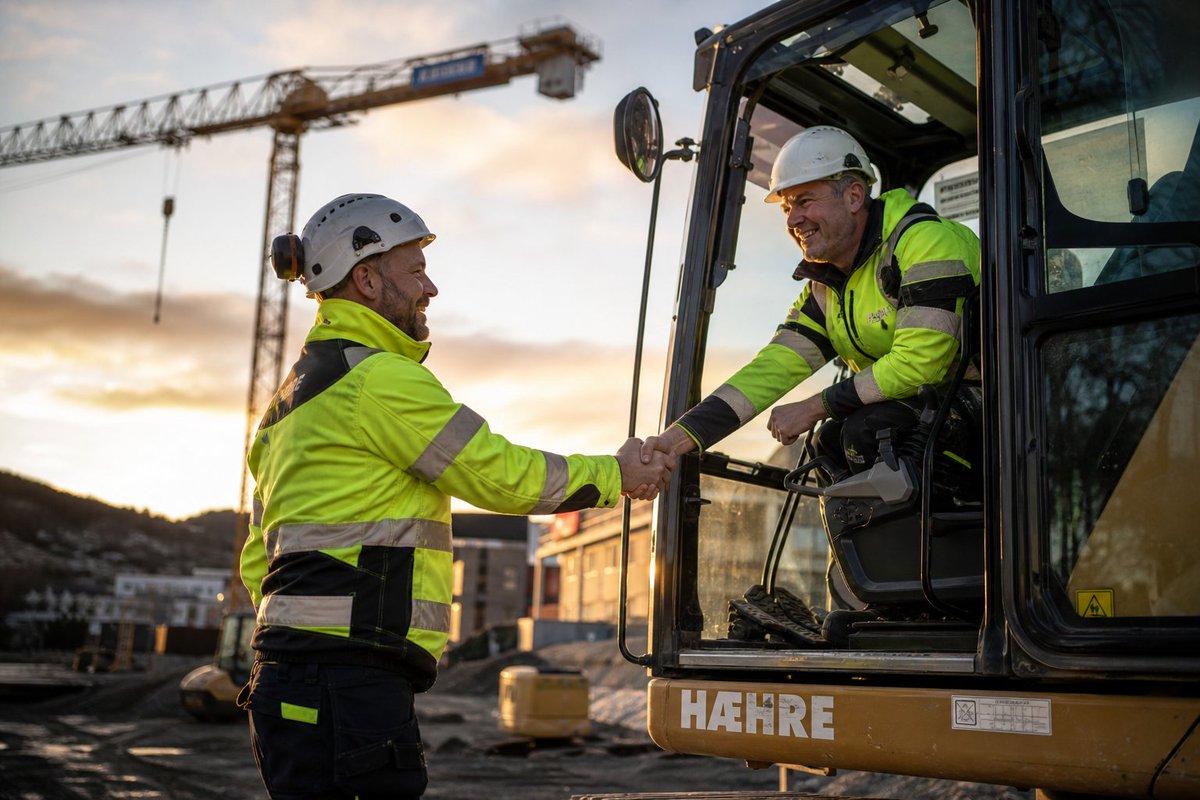
Trust is built lift by lift. The ground crew trusts the operator. The operator trusts the rigger. When trust breaks down, safety breaks down. Speak up. Challenge bad decisions. Respect is earned through honesty.
#Teamwork#Trust#CraneSafety#ConstructionSafety
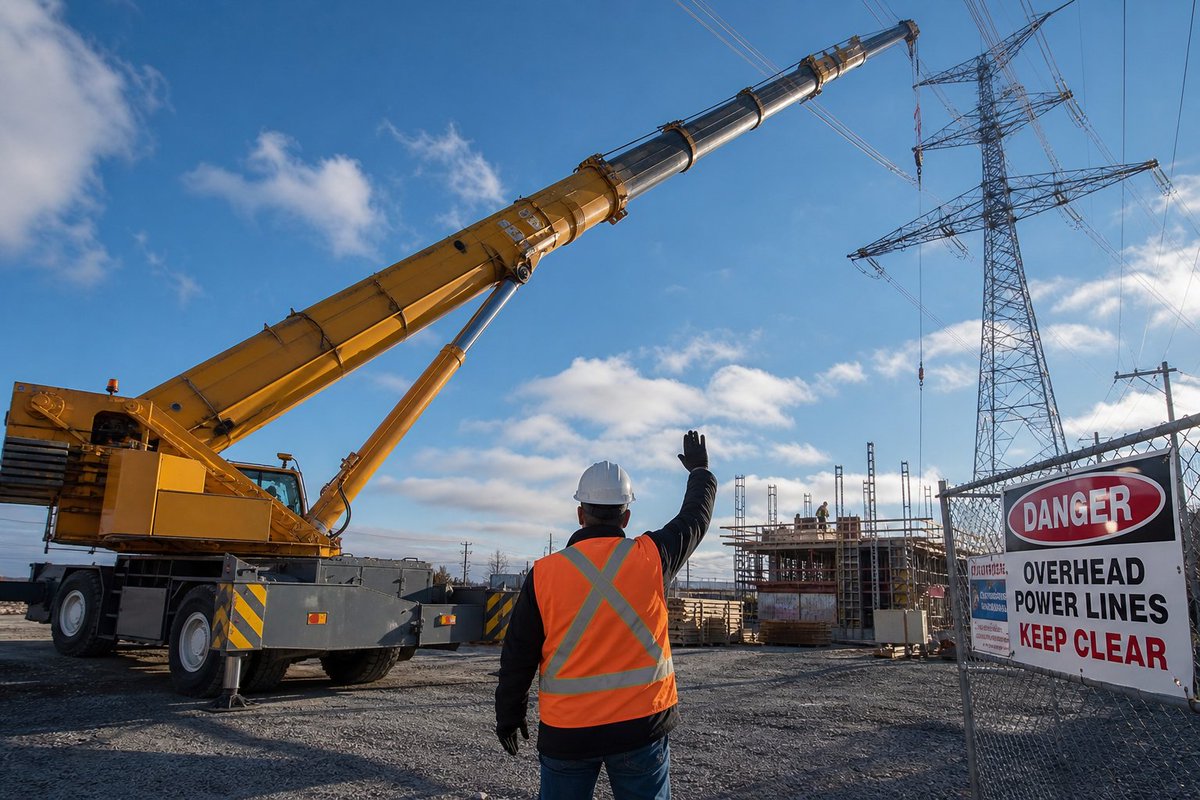
Power lines kill without warning. Know the minimum clearance distances. Use a spotter. Treat every line as live. If the boom gets too close — stop, don't swing away. Educate yourself on electrical hazards.
#PowerLineSafety#CraneOperator#ConstructionSafety#ElectricalHazard
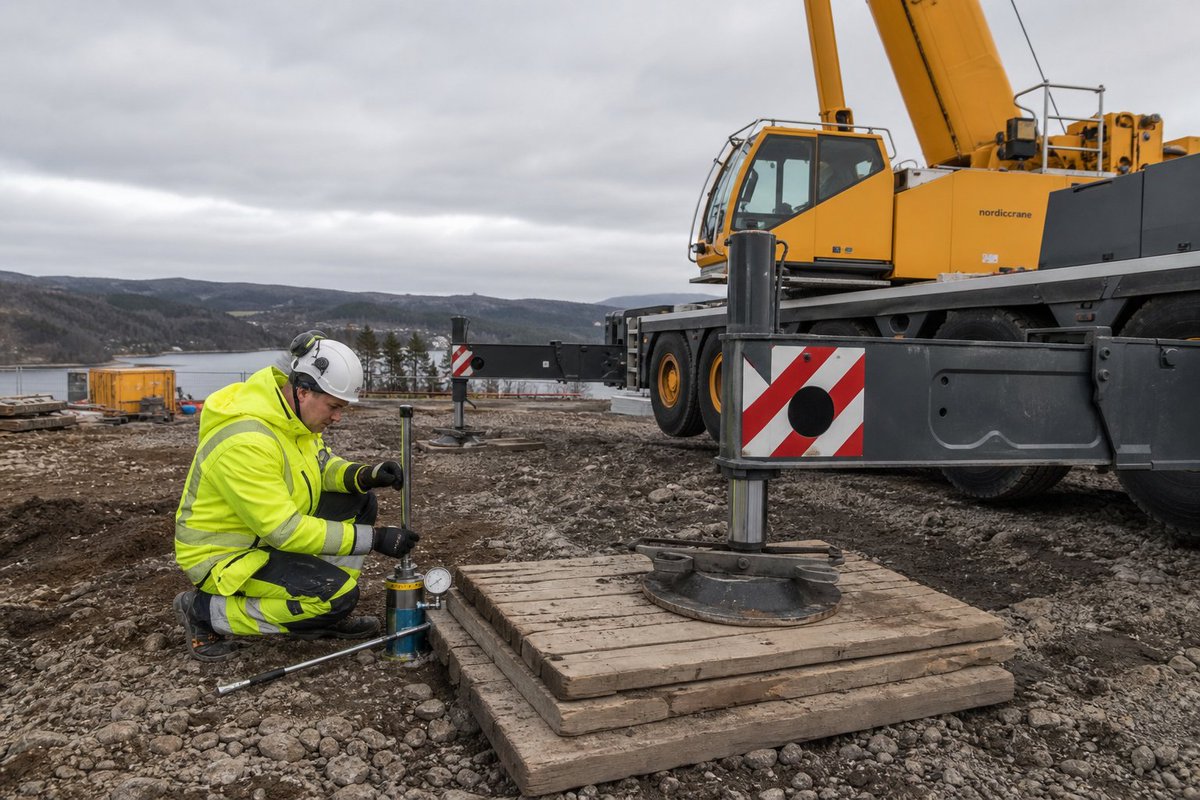
Ground bearing capacity. Outrigger pads. Slope. Soil type. A crane is only as stable as what's under it. Take time to assess the ground. Soft ground + heavy load = tip-over. Set up right.
#CraneSetup#GroundConditions#CraneSafety#ConstructionSafety
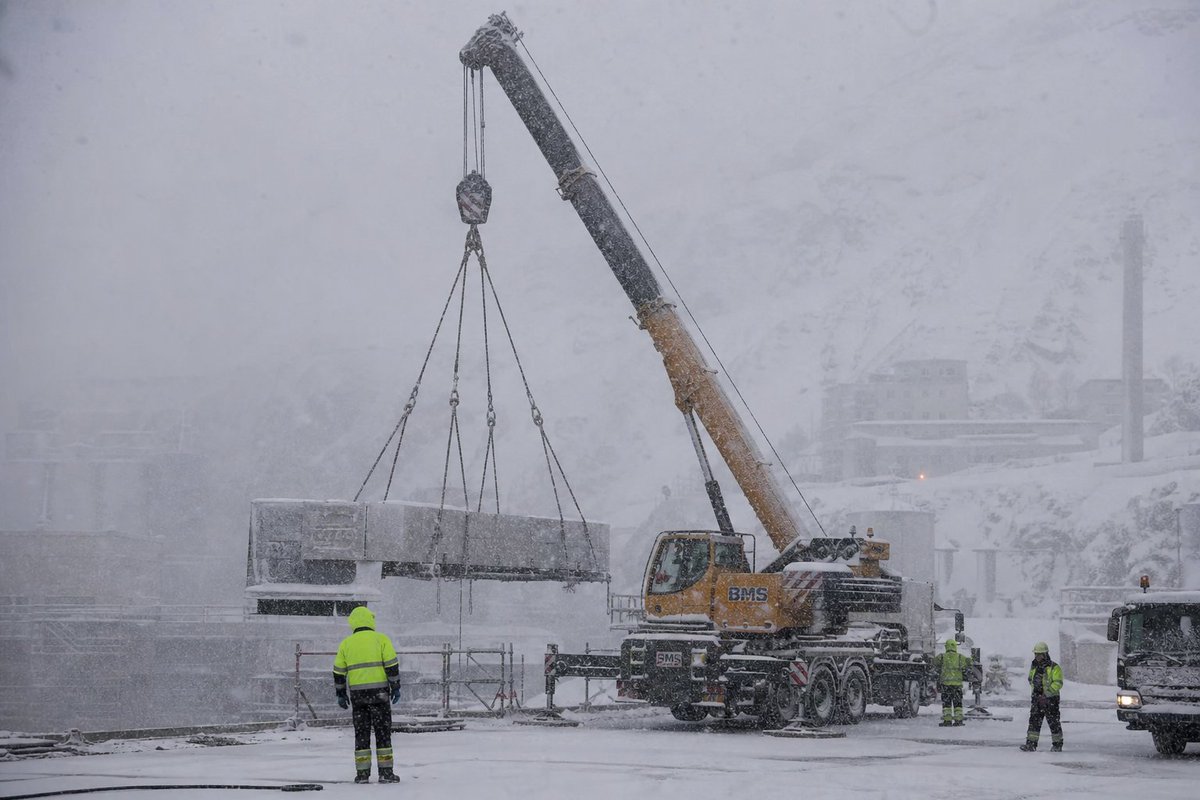
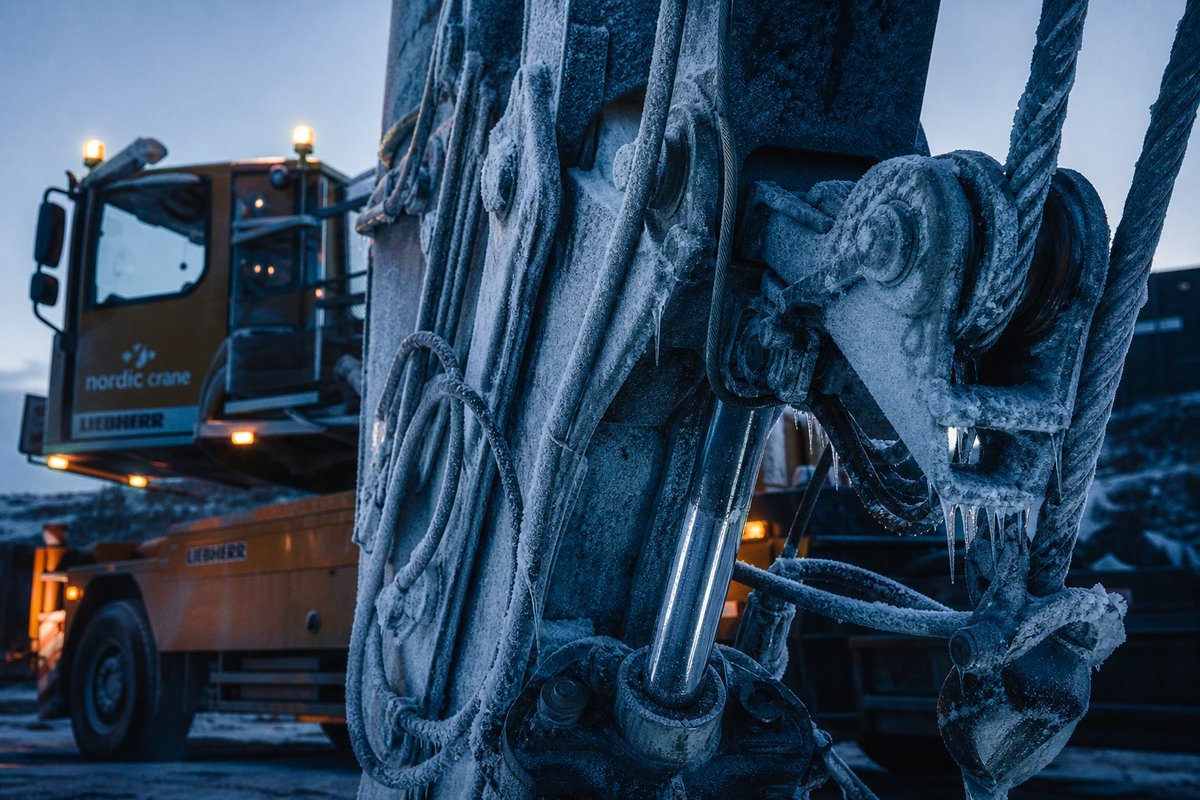
Ice on the boom. Snow on the load. Visibility dropping by the minute. Arctic lifting demands patience and respect. If you can't see the landing zone, you don't lift. Wait for the window.
#ArcticLifting#Hammerfest#CraneSafety#WinterConstruction
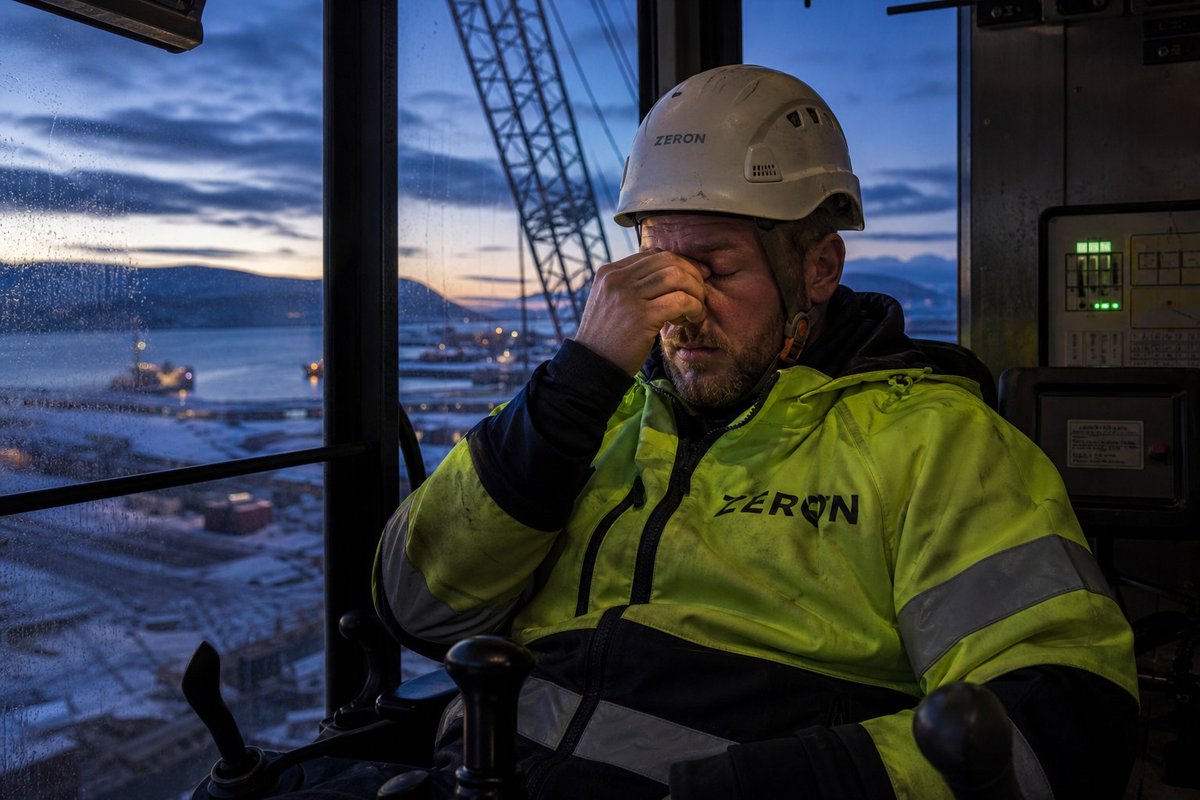
2-week rotations in the Arctic. Fatigue is real and it's dangerous. Tired operators make mistakes. Sleep, eat, hydrate. If you're exhausted, say so. No lift is worth doing impaired by sleep debt.
#FatigueManagement#RotationLife#SafetyFirst#CraneOperator
When was your last emergency drill? Not a slideshow — a real drill. Evacuation routes, first aid kits, rescue from height. In an emergency, you don't rise to the occasion — you fall to your level of training.
#EmergencyPrep#SafetyFirst#ConstructionSafety#CraneOperator
Cold changes everything. Hydraulic oil thickens, cables stiffen, rubber cracks, metal gets brittle. In Arctic conditions, warm up equipment properly. Rush the warmup and something breaks — maybe not the crane.
#ArcticConditions#Hammerfest#CraneSafety#ColdWeatherOps
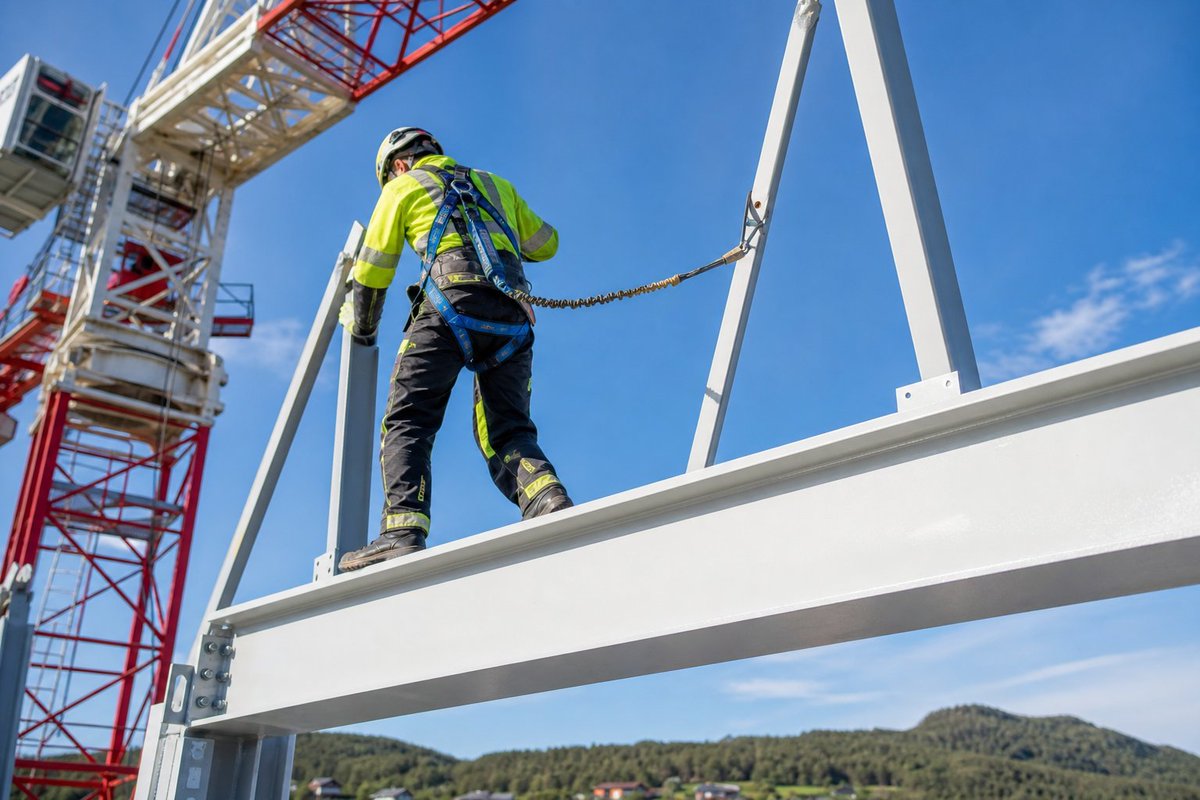
100% tie-off above 2 meters. No excuses. Your harness is your lifeline — inspect the webbing, check the lanyard, verify the anchor point. A fall from a crane boom doesn't give second chances.
#FallProtection#WorkingAtHeights#SafetyFirst#CraneOperator
Inspect every sling, shackle, and hook before the lift. Fraying? Corrosion? Wrong WLL tag? Tag it out. A broken sling at full boom is too late to fix. Rigging fails fast — inspect faster.
#RiggingSafety#CraneOperator#ConstructionSafety#LiftPlan
One voice, one signal. When lifting, everyone follows the same signal person. Mixed signals = accidents. Radio discipline matters. Confirm, acknowledge, then execute. No exceptions.
#CraneSignals#Communication#CraneSafety#ConstructionSafety
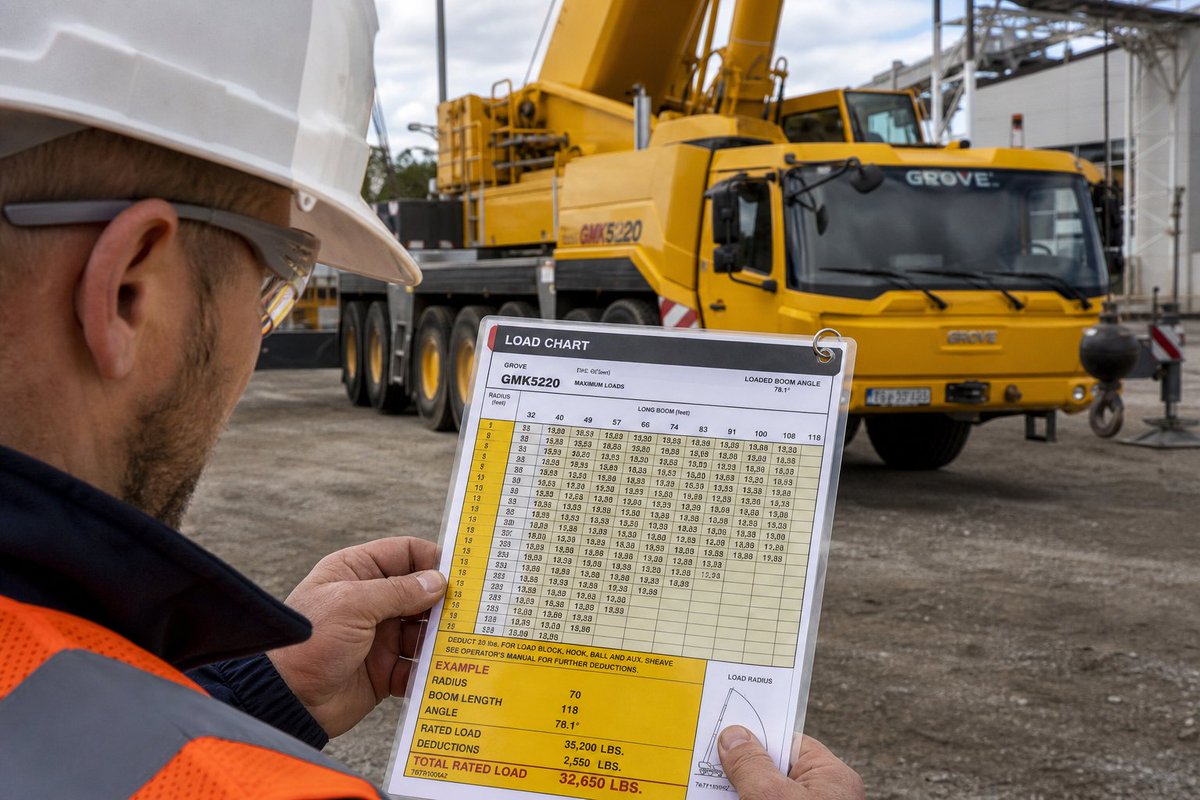
The load chart is not a suggestion. Know your crane's capacity at every radius and boom angle. Overloading kills. If you're unsure about the weight, measure it. Guessing is gambling with lives.
#LoadChart#CraneSafety#ConstructionSafety#LiftPlan