A new study found vitamin C in DMSO eliminated 56% of diagnosed skin cancers in just 12 weeks—94% of patients avoided surgery. A 2022 trial found even higher results: 86% resolution vs 57% for the standard drug, with zero scarring vs 70%.
But skin cancer is just the beginning When DMSO is combined with an anticancer agent, it carries it directly into the tumor, making it far more potent at far less toxic doses. Readers have reported using DMSO combinations to eliminate skin cancers without surgery, resolve ovarian tumors in weeks, and calcify lung spots. Physicians are now combining it with repurposed drugs like ivermectin and reporting promising early results against prostate, breast, colon, and ovarian cancers.
Here I present the extensive evidence on how DMSO transforms cancer treatment.🧵
Thank you @NicHulscher for posting this!
A nurse broke her orbital bone and "permanently" lost her vision. She tried DMSO and is seeing light again after 5 years, her floaters cleared and her eye is tracking back to center. Another man regained sight after 75 years of blindness.
But they're far from the only eyes DMSO has helped. Over the last year, hundreds of readers have told me DMSO treated eye conditions they'd struggled with their whole lives — from blindness and macular degeneration to glaucoma, cataracts, and floaters. Many no longer need glasses. One reader's ophthalmologist told them they no longer had glaucoma after two years of DMSO eye baths. Another's macular edema healed in one month. A 64-year-old who'd worn reading glasses since age 40 no longer needs them at all.
DMSO has a unique affinity for concentrating within the eye, where it restores blood flow, rapidly eliminates inflammation, refolds the degenerative proteins which characterize many eye disorders, and revives damaged tissue — even after being dormant for decades.
Here I'll show the extensive evidence behind these recoveries and how hundreds of people are using DMSO to heal their eyes.🧵
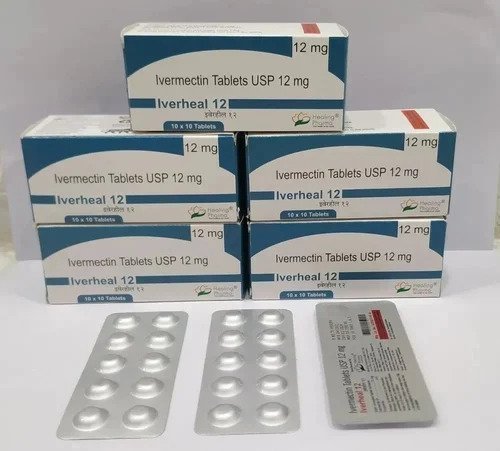
IVERMECTIN💊
1. Ivermectin is an antiparasitic medication.
2. Ivermectin has been used in human medicine for decades and remains an important medicine for specific parasitic infections.
3. Ivermectin has played a significant role in public-health programs targeting certain neglected tropical diseases.
4. Ivermectin continues to be investigated for its potential immunomodulatory mechanisms.
5. Ivermectin is being studied for its potential antiviral and anticancer mechanisms.
6. Ongoing research continues to explore whether ivermectin may have additional therapeutic applications beyond its established uses.
7. Ivermectin has been reported to have potent anti-inflammatory effects against coronavirus.
8. Ivermectin has antimicrobial activity against certain bacteria and viruses and may influence immune responses.
9. Ivermectin has been investigated for its ability to interfere with viral entry into cells, including mechanisms involving the spike protein. Therefore, some researchers have proposed that it may have potential applications for people who have received COVID-19 vaccines.
10. Ivermectin has been investigated for its potential to reduce certain effects associated with RNA-based vaccines.
11. Ivermectin has been investigated as a treatment for post-COVID-19 and post-vaccination symptoms and as a potential treatment during different phases of COVID-19. Some research has also examined whether ivermectin can affect the virus before it enters cells. However, claims that it has only beneficial effects and no harmful effects require careful evaluation.
12. Ivermectin has been proposed to act against viruses regardless of mutations.
13. Ivermectin has been studied as a prophylactic agent, with some studies reporting reductions in COVID-19 infection, hospitalization, and mortality rates.
14. Ivermectin has been investigated for the prevention and treatment of coronavirus infection. Its efficacy remains a subject of scientific debate and research.
15. Ivermectin has been investigated as a potential treatment for Herpes simplex and Herpes zoster infections.
16. Ivermectin has been investigated for its potential to reduce the frequency of influenza and common colds.
17. Ivermectin has been investigated for potential effects on sinusitis and diverticulitis.
18. Ivermectin has been investigated in relation to inflammatory and autoimmune conditions such as rheumatoid arthritis, ankylosing spondylitis, fibromyalgia, psoriasis, Crohn's disease, and allergic rhinitis.
19. Ivermectin has been investigated for potential effects on traumatic and orthopedic injuries, including as an alternative to corticosteroid treatment.
20. Ivermectin has been investigated for its potential role in nerve regeneration.
21. Ivermectin has been investigated for potential effects on immune responses in cancer patients.
22. Ivermectin has been investigated for potential anticancer effects, including suppression of cancer-cell proliferation and metastasis. Research has also examined whether it could enhance the effectiveness of chemotherapy and other anticancer treatments, including in chemotherapy-resistant cancer cells.
23. Ivermectin has been investigated for potential effects on glucose and insulin metabolism.
24. Ivermectin has been investigated for potential effects on cholesterol metabolism.
25. Ivermectin has been investigated for potential effects on liver fat in people with steatosis.
26. Ivermectin has been investigated for potential protective effects on the liver following exposure to certain insecticides.
27. Ivermectin's effects on the liver and its metabolism have been studied; however, claims that it does not affect the liver require careful qualification.
28. Ivermectin has been investigated for potential cardiovascular effects, including effects related to cardiac stress and tissue oxygenation. Please share this information and follow me if you are not already following me.
visit👉@DrDavidivw
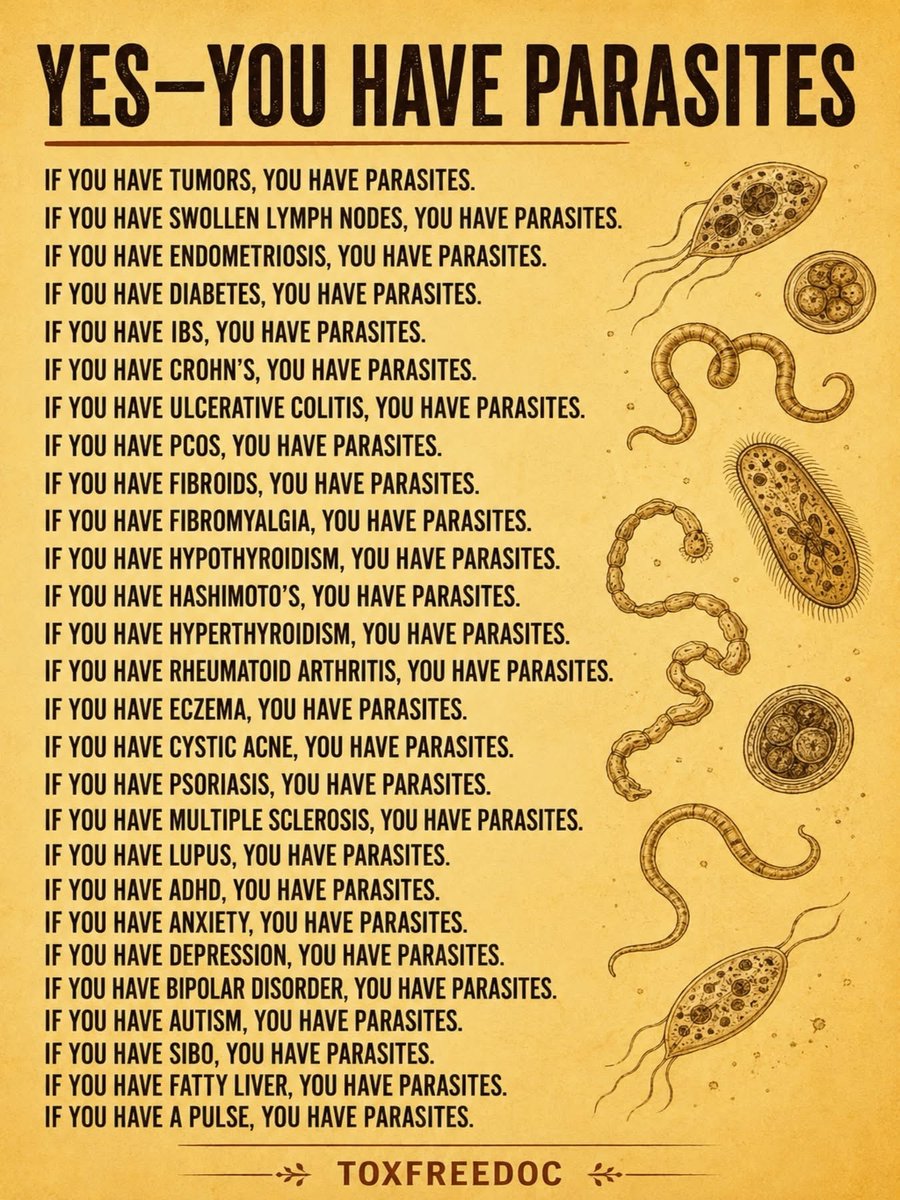
YES-YOU HAVE PARASITES
IF YOU HAVE TUMORS, YOU HAVE PARASITES.
IF YOU HAVE SWOLLEN LYMPH NODES, YOU HAVE PARASITES.
IF YOU HAVE ENDOMETRIOSIS, YOU HAVE PARASITES.
IF YOU HAVE DIABETES, YOU HAVE PARASITES.
IF YOU HAVE IBS, YOU HAVE PARASITES.
IF YOU HAVE CROHN'S, YOU HAVE PARASITES.
IF YOU HAVE ULCERATIVE COLITIS, YOU HAVE PARASITES.
IF YOU HAVE PCOS, YOU HAVE PARASITES.
IF YOU HAVE FIBROIDS, YOU HAVE PARASITES.
IF YOU HAVE FIBROMYALGIA, YOU HAVE PARASITES.
IF YOU HAVE HYPOTHYROIDISM, YOU HAVE PARASITES.
IF YOU HAVE HASHIMOTO'S, YOU HAVE PARASITES.
IF YOU HAVE HYPERTHYROIDISM, YOU HAVE PARASITES.
IF YOU HAVE RHEUMATOID ARTHRITIS, YOU HAVE PARASITES.
IF YOU HAVE ECZEMA, YOU HAVE PARASITES.
IF YOU HAVE CYSTIC ACNE, YOU HAVE PARASITES.
IF YOU HAVE PSORIASIS, YOU HAVE PARASITES.
IF YOU HAVE MULTIPLE SCLEROSIS, YOU HAVE PARASITES.
IF YOU HAVE LUPUS, YOU HAVE PARASITES.
IF YOU HAVE ADHD, YOU HAVE PARASITES.
IF YOU HAVE ANXIETY, YOU HAVE PARASITES.
IF YOU HAVE DEPRESSION, YOU HAVE PARASITES.
IF YOU HAVE BIPOLAR DISORDER, YOU HAVE PARASITES.
IF YOU HAVE AUTISM, YOU HAVE PARASITES.
IF YOU HAVE SIBO, YOU HAVE PARASITES.
IF YOU HAVE FATTY LIVER, YOU HAVE PARASITES.
And….
IF YOU HAVE A PULSE, YOU HAVE PARASITES.
Just saying 🤭
#Detox your body!
2. Take KSM-66 ashwagandha (600mg with dinner)
Ashwagandha is good because it lowers cortisol, steadies your sleep, and takes the edge off the 4pm crash.
You can get it through the root itself, as a tea or a powder.
Most never switch it off, but check what is in the jar…
R.I.P. WORKING FOR SOMEONE ELSE.
$100 a day is $3,000 a month.
$3,000 a month is your freedom number.
Claude gets you there faster than anything alive right now.
Here are the 5 prompts that start the whole thing:
🚨🚨 "Una dieta baja en sal causa resistencia a la insulina y presión arterial alta"...
Dr Ben Bikman, PhD
"Un médico nunca debería decirle a un paciente que 'reduzca la sal'... Esto causa niveles más altos de insulina y mayor presión arterial."
La sal es el segundo componente principal en el cuerpo y necesitamos sal en todo momento.
Cuando se restringe la ingesta de sal, el cuerpo activa sistemas hormonales para retener sodio y causar resistencia a la insulina:
Activación del sistema renina-angiotensina-aldosterona (SRAA): • Restringir el sodio hace que el cuerpo libere hormonas como renina, aldosterona y angiotensina II para ayudar a retener sodio. Esto aumenta la resistencia a la insulina.
• Aumento de hormonas de estrés: Una ingesta baja de sodio eleva los niveles de hormonas de estrés en el cuerpo, como la noradrenalina. Niveles elevados de estas hormonas causan resistencia a la insulina.
• Reducción del flujo sanguíneo a los músculos: Una caída en el volumen sanguíneo debido a la restricción de sodio reduce el flujo sanguíneo a los músculos esqueléticos. Esto perjudica la entrega de insulina y glucosa al tejido muscular, empeorando la resistencia a la insulina.
• Aumento de los niveles de insulina: El cuerpo responde a la restricción de sal aumentando los niveles de insulina en ayunas como medida compensatoria para retener sodio. Esto es un factor de riesgo para desarrollar diabetes tipo 2.
5 formas en que la resistencia a la insulina causa presión arterial alta:
• Retención de sodio y agua: Cuando ocurre la resistencia a la insulina, el páncreas produce insulina en exceso para manejar el azúcar en sangre. Los altos niveles de insulina sobreestimulan los riñones para reabsorber más sodio y agua, lo que aumenta el volumen sanguíneo y eleva la presión arterial.
• Disfunción vascular: Una señalización saludable de insulina promueve la producción de óxido nítrico (NO), una molécula que relaja los vasos sanguíneos y mejora el flujo sanguíneo. En un estado de resistencia a la insulina, este proceso se detiene y la presión arterial sube a niveles peligrosos.
• Aumento de la actividad del sistema nervioso simpático: Los altos niveles de insulina sobreestimulan el sistema nervioso simpático, que controla la respuesta de "lucha o huida" del cuerpo. Esto aumenta la frecuencia cardíaca, contrae los vasos sanguíneos y activa el sistema SRAA, lo que promueve aún más la retención de sodio y agua.
• Inflamación crónica y estrés oxidativo: La resistencia a la insulina causa inflamación crónica de bajo grado y estrés oxidativo en todo el cuerpo. Estos procesos dañan el revestimiento de los vasos sanguíneos (el endotelio).
• Endurecimiento vascular: Con el tiempo, la inflamación crónica y otros problemas llevan a una remodelación y endurecimiento arterial. Esto hace que las arterias sean menos flexibles y más resistentes al flujo sanguíneo, obligando al corazón a bombear con más fuerza y elevando la presión arterial.
No toda la sal es igual... la sal de mesa es altamente procesada y tóxica. El procesamiento químico de la sal de mesa la despoja de todos los minerales, dejando solo cloruro de sodio aislado. La sal de mesa se blanquea y luego se agregan ingredientes como ferrocianuro de sodio, citrato de amonio, silicato de aluminio, azúcar (dextrosa) y agentes anticompactantes.
La sal saludable es sal mineral sin refinar... sal celta o gris sin procesar que retiene todos los más de 80 minerales traza. Busca las que estén libres de microplásticos, metales pesados y contaminantes.
PARASITE CLEANSE INGREDIENTS:
1. Wormwood (100mg)
Kills adult parasites, supports digestion, and helps stop reinfestation.
2. Clove (100mg)
Destroys parasite eggs and works as a powerful natural antimicrobial.
3. Black Walnut Hull (100mg)
Targets larvae and disrupts the parasite lifecycle at multiple stages.
4. Pumpkin Seed (100mg)
Paralyzes parasites so your body can expel them naturally.
5. Papaya Seed (100mg)
Packed with enzymes that break down parasite walls and membranes.
6. Bentonite Clay (100mg)
Binds to toxins, heavy metals, and die-off waste to help flush them out.
7. Activated Charcoal (33mg)
Absorbs toxins released by dying parasites and soothes your system.
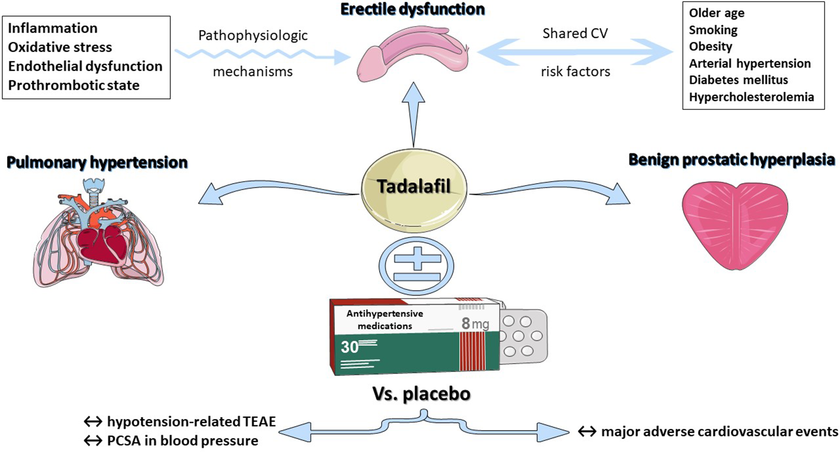
I've been on daily Cialis (tadalafil) for over a year now, but not for sex.
It's actually a highly effective tool for overall blood flow, cardiovascular health and potentially hair health.
I'd even say it's a longevity drug.
Tadalafil, explained: (1/16)