Ο Ευτύχης Μπλέτσας, πιστός στο ταξιδιωτικό του ύφος, συνεχίζει να μεταφέρει τους τηλεθεατές του σε διαφορετικούς προορισμούς μέσα από τις εκπομπές του, συνδυάζοντας εξερεύνηση, γαστρονομία και εμπειρίες από όλο τον κόσμο. Σε ένα ακόμη επεισόδιο, ο παρουσιαστής ταξίδεψε με κρουαζιερόπλοιο και έκανε στάσεις σε διάφορα σημεία, δοκιμάζοντας τοπικές γεύσεις και επισκεπτόμενος γνωστά μαγαζιά, αναζητώντας ιδιαίτερες προτάσεις και ξεχωριστές εμπειρίες.
Ένα από τα πιο εντυπωσιακά και γευστικά ταξίδια της ζωής του πραγματοποιεί ο Ευτύχης Μπλέτσας, ο οποίος στο πλαίσιο της επιτυχημένης εκπομπής του «Happy Traveller» βρέθηκε σε μια μοναδική κρουαζιέρα με σταθμούς την Αλάσκα και τον Καναδά. Ωστόσο, πέρα από τα μαγευτικά τοπία και την άγρια φύση, τις εντυπώσεις έκλεψε μια… γαστρονομική «κόλαση» σοκολάτας, που άφησε τον γνωστό παρουσιαστή κυριολεκτικά άφωνο! Κατά τη διάρκεια της στάσης τους στην κοσμοπολίτικη Βικτώρια (Victoria) της Βρετανικής Κολομβίας στον Καναδά, ο Ευτύχης Μπλέτσας και η ομάδα του επισκέφθηκαν το εμβληματικό και ιστορικό ξενοδοχείο Fairmont Empress. Εκεί, ο δημοφιλής traveller είχε την ευκαιρία να δοκιμάσει το απόλυτο signature επιδόρπιο της περιοχής: το περίφημο «Empress Cake», ένα γλυκό-θρύλο που φέρει την υπογραφή κορυφαίου pastry chef του ξενοδοχείου.
«Τι είναι αυτό; Κοιτάξτε εδώ, 10ώροφο γλυκό! Δεν έχω λόγια. Για τους λάτρεις της σοκολάτας… κόλαση!» περιγράφει με τον γνώριμο αυθορμητισμό του, μην κρύβοντας τον ενθουσιασμό του για το μέγεθος και την ποιότητα του πιάτου. Ένα «θηρίο» 10 ορόφων με φύλλα χρυσού
Το συγκεκριμένο γλυκό δεν είναι ένα συνηθισμένο κέρασμα. Πρόκειται για μια custom δημιουργία υψηλής ζαχαροπλαστικής, η οποία αποτελείται από δέκα διαδοχικές, λεπτές στρώσεις premium σοκολάτας. Το μέγεθος του ενός και μόνο κομματιού είναι τόσο πληθωρικό, που, όπως χαρακτηριστικά σχολίασε ο παρουσιαστής, ισοδυναμεί σε ποσότητα με μια ολόκληρη τούρτα κανονικού μεγέθους!
Η εμπειρία, βέβαια, δεν σταματά εκεί. Το «Empress Cake» σερβίρεται συνοδεία χειροποίητου παγωτού, ενώ η ιεροτελεστία ολοκληρώνεται στο τραπέζι, όπου περιχύνεται με ζεστό, πλούσιο σιρόπι σοκολάτας. Για την τελική πινελιά πολυτέλειας, η κορυφή του γλυκού είναι διακοσμημένη με βρώσιμα φύλλα χρυσού και φρέσκα πέταλα ρόδου.
Όπως είναι φυσικό, ένα τέτοιο γαστρονομικό έργο τέχνης σε ένα από τα πιο αριστοκρατικά ξενοδοχεία του Καναδά έχει και το ανάλογο αντίτιμο. Το κόστος του ανέρχεται στα 52 δολάρια Καναδά (δηλαδή περίπου 35 ευρώ το κομμάτι). Αν και η τιμή ακούγεται τσιμπημένη, η μοναδικότητα των υλικών, η εμφάνιση αλλά και η τεράστια ποσότητα δικαιολογούν απόλυτα τον premium χαρακτήρα του.
Το σημαντικότερο είναι ότι ο Ευτύχης Μπλέτσας πρόσθεσε ακόμα μία αξέχαστη (και άκρως σοκολατένια) εμπειρία στο πλούσιο ταξιδιωτικό του ημερολόγιο, αποδεικνύοντας ότι το «Happy Traveller» ξέρει να ανακαλύπτει τις πιο ιδιαίτερες γωνιές και γεύσεις του πλανήτη..!
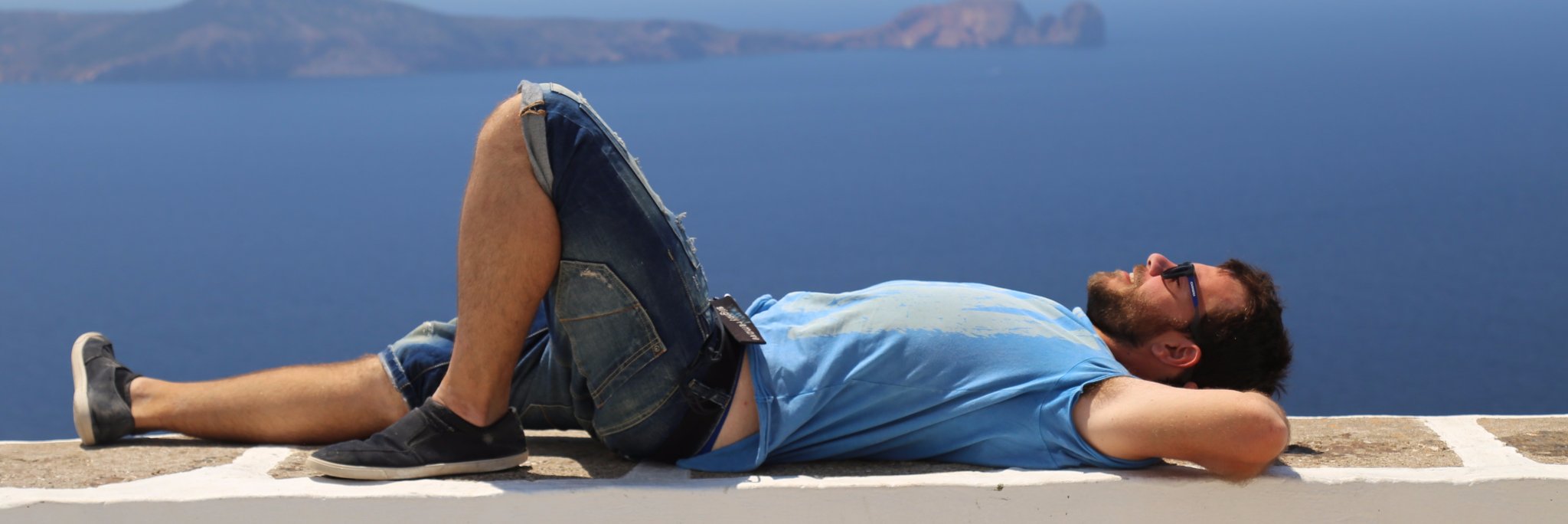
☀️Χρόνια πολλά για σήμερα που είναι του Αγίου Πνεύματος. Καλημέρα, καλό μήνα και καλό καλοκαίρι με πολλά ταξίδια!
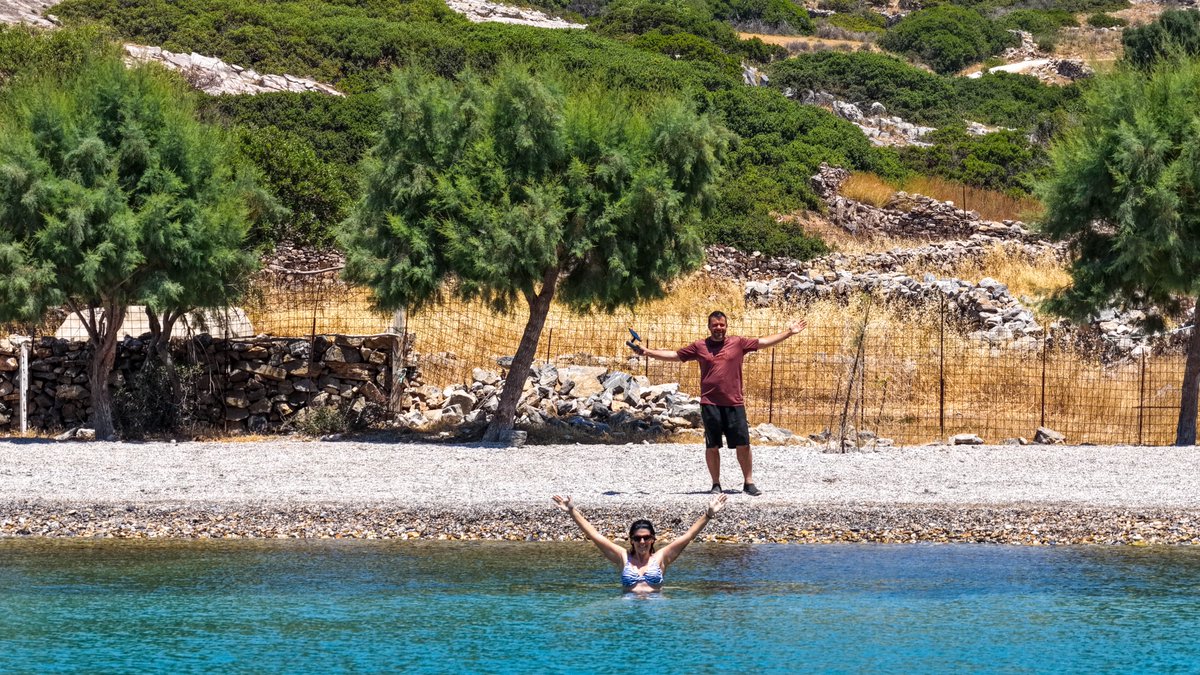
Φύγαμε για Αγαθονήσι; Δείτε όλο το επεισόδιο:
https://t.co/9mAnLaM758
#HappyTraveller#Αγαθονήσι
Δείτε πόσο κάνει η βενζίνη στο Μπρουνέι! 😲
Το Μπρουνέι είναι μία πολύ μικρή χώρα της ΝΑ Ασίας Ασίας στο νησι Βόρνεο. Εχει το μέγεθος του νομου Αιτολοακαρνανίας και πληθυσμό μισο εκατομμύριο. Εχει μοναρχια (Σουλτάνο) και πριν απο 100 χρονια ανακαλυφθηκαν πετρέλαια που έκαναν τη χώρα μια απο τις πλουσιότερες του κόσμου. Ειναι 7η σε κατά κεφαλην αεπ ατον κόσμο και 2η στην Ασία μετα απο Σιγκαπούρη.
Hello to our friend in Brunei we met on that gas station!
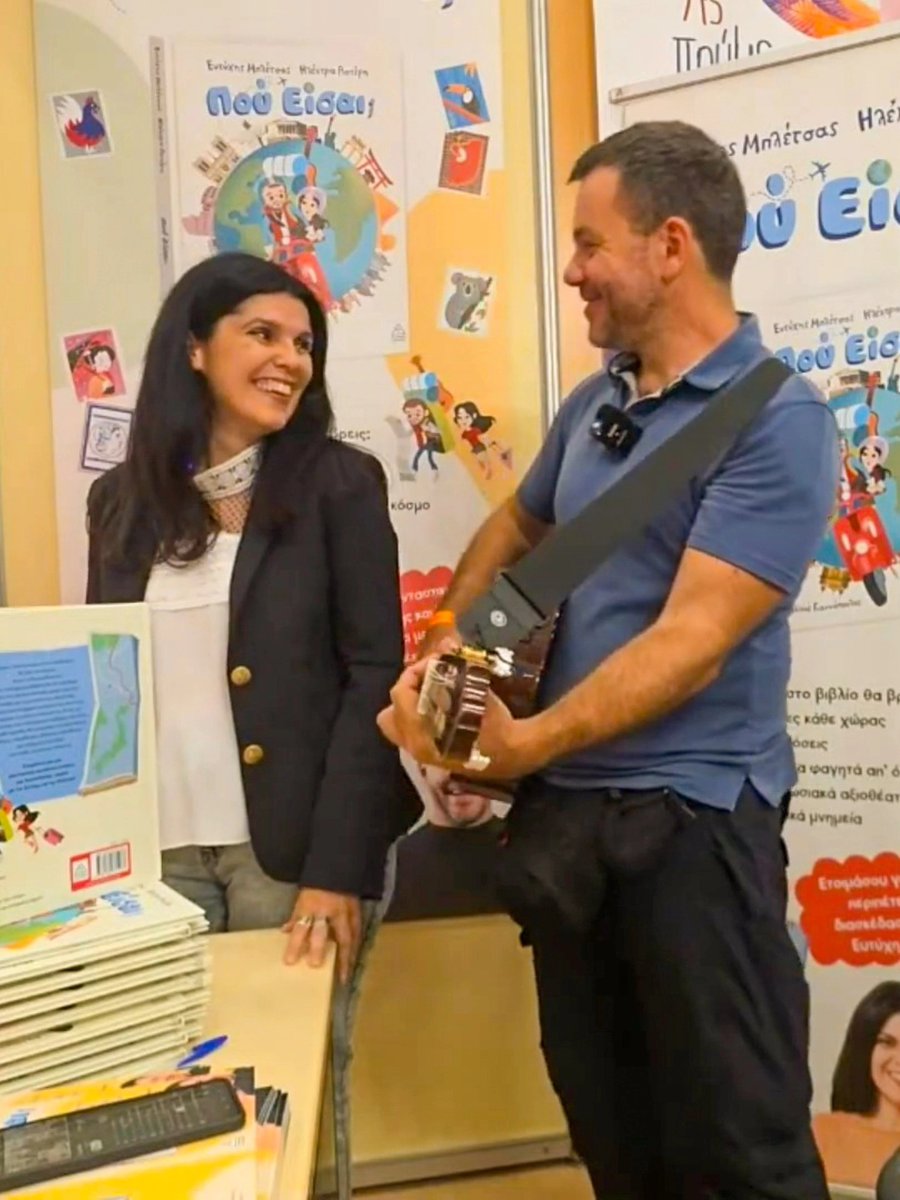
#ΠΑΡΟΥΣΙΑΣΗ_ΒΙΒΛΙΟΥ: 📚22Η ΔΙΕΘΝΗΣ ΕΚΘΕΣΗ ΒΙΒΛΙΟΥ ΘΕΣΣΑΛΟΝΙΚΗΣ 2026
🥹Ήταν μεγάλη μας χαρά και τιμή να κλείσουμε και να ολοκληρώσουμε την 22η διεθνή έκθεση βιβλίου με την παρουσίαση του βιβλίου μας "ΠΟΥ ΕΙΣΑΙ".
Όλο το κείμενο εδώ: https://t.co/DZii3NQibV
#δεβθ
🇨🇮 Meet the Zaouli, one of the hardest dances in the world. A centuries-old tradition from the Guro people of Ivory Coast, always performed by men. The footwork alone will break your brain.
The legs don't lie.
Everyone knows about the 300 Spartans at Thermopylae.
Almost nothing they know is the full story.
Start with the number. There weren't 300 Greeks at that pass. There were around 7,000. Spartans, Thespians, Thebans, Phocians, Locrians, Arcadians, Corinthians. Citizen-soldiers from across Greece who marched north knowing they'd be facing the largest army the ancient world had ever assembled.
The 300 is just the headline. The ones who stayed to the end.
Now the men themselves. King Leonidas wasn't some chiseled 30-year-old. He was roughly 60 years old when he led that march. And the 300 he picked weren't his strongest warriors. They were specifically men who already had living sons. Spartan law demanded it. Leonidas wasn't choosing an army. He was choosing men whose bloodlines could survive their deaths. Every one of them knew what that meant before they ever saw a Persian.
They marched anyway.
And they didn't march alone in the way movies suggest. Each Spartan citizen-soldier was accompanied by helots, the enslaved underclass that propped up the entire Spartan economy, outnumbering their masters roughly seven to one. Hundreds of helots fought and died at Thermopylae too. They get no statues. No films. No name on the monument.
The pass itself was barely 15 meters wide in 480 BC (it's silted up now and looks nothing like it did then). That bottleneck is the only reason a few thousand men could hold off a Persian force modern historians estimate at 70,000 to 300,000. Herodotus said 1.7 million. He was lying, or possibly counting cooks, slaves, and camp followers, but even the conservative number is staggering.
For two days, they held. Wave after wave broken against bronze and discipline. Xerxes reportedly leapt from his throne three times in fury watching his men die. He sent in the Immortals, his elite personal guard, supposedly invincible. They weren't. Not in that pass.
Then the Greeks were betrayed.
A local man named Ephialtes, whose name still means "nightmare" in modern Greek, sold the Persians a goat path through the mountains that flanked the pass. The Phocians assigned to guard it scattered when the Immortals appeared in the dawn fog. Leonidas knew by morning he was surrounded.
He dismissed most of the allied Greek forces. Saved their lives. But here's what almost nobody talks about: roughly 700 Thespians, led by a man named Demophilus, refused to leave. They were citizen-farmers from a small town that knew Persia was coming for them next no matter what. They chose to die beside the Spartans rather than run. About 400 Thebans stayed too, though their motives were murkier and many surrendered when the end came.
So the "last stand of the 300" was actually closer to 1,500 men. The Thespians died to the last. Their town was burned to the ground by the Persians weeks later anyway. They're a footnote in a story that should bear their name.
The final fight happened on a small hill called Kolonos. Spears shattered. Swords broken. Herodotus says they fought with hands and teeth at the end. Leonidas fell early, and the Spartans fought four times over his body to keep the Persians from taking it.
They lost.
Xerxes had Leonidas decapitated and his body crucified, a violation of Persian custom so extreme it tells you exactly how badly that old man had humiliated the king of kings. Forty years later, Sparta sent a delegation to recover his bones and bring him home.
Two Spartans survived the battle. One, Aristodemus, had been sent away with an eye infection. He returned to Sparta and was treated as a coward, shunned, refused fire, refused conversation, until he threw himself into the front line at Plataea a year later and died seeking redemption. The other survivor, Pantites, was sent on a diplomatic errand and missed the fight. He hanged himself from the shame.
That's the world they lived in.
The epitaph carved at the site doesn't brag. It doesn't even mention victory, because there wasn't one. Roughly translated, it just asks the traveler to tell Sparta that her sons died here, obedient to her laws.
A small group of farmers, an old king, an enslaved underclass written out of history, and a town that vanished from the map. Together, for three days in August of 480 BC, they did the math on freedom and decided the price was worth it.
We remember 300 of them.
There were always more.
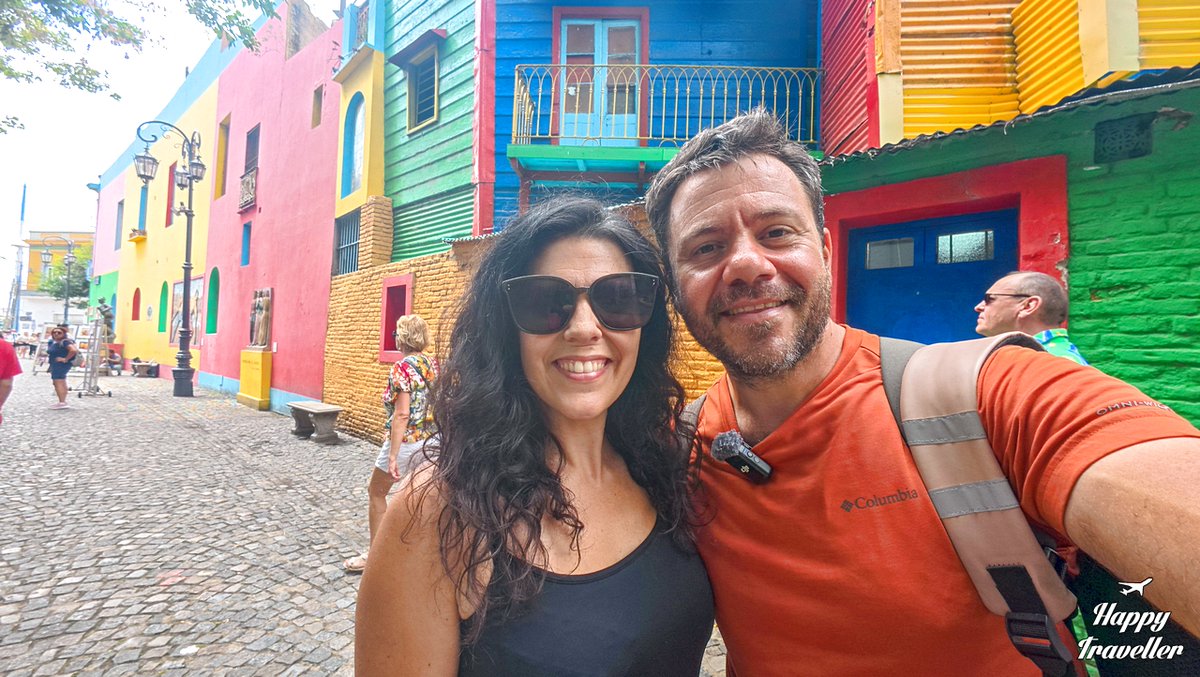
🔥 #ΝΕΟ_ΕΠΕΙΣΟΔΙΟ: Μην πας πουθενά.. αυτό το επεισόδιο σε πάει κατευθείαν Λατινική Αμερική! Happy Traveller στο Buenos Aires
👉 Δες το τώρα στο YouTube και πες μας «θα πήγαινες»;
https://t.co/ne4TYgvrxQ
#HappyTraveller