Timing is a strategy most groups pretend they don't depend on.
Two things converged in the Gulf at once: region-grade Arabic AI matured and became cheap to run, and data-residency moved from preference to law. That turns sovereignty from a feature into a requirement — and a moat for whoever builds in-region first.
The window to build the operating stack as one thing is open now. It doesn't stay open.
For an AI product, gross margin should include every cost required to complete the work:
1. Model calls
2. Retrieval and storage
3. External tool fees
4. Human review
5. Usage linked support
If people rescue 20% of failed tasks, put that labor in cost of revenue.
Track margin per completed workflow. Cost per token can make weak automation look efficient.
A useful market size starts with behavior, not population.
Use this equation:
Eligible customers × events per year × value per event × realistic take rate
Example:
50,000 businesses × 12 payments × $200 × 2% = $2.4M in annual revenue.
Now halve every assumption. If the opportunity disappears, the thesis depends on optimism, not demand.
Founders often ask whether they are building a product or infrastructure.
A useful test:
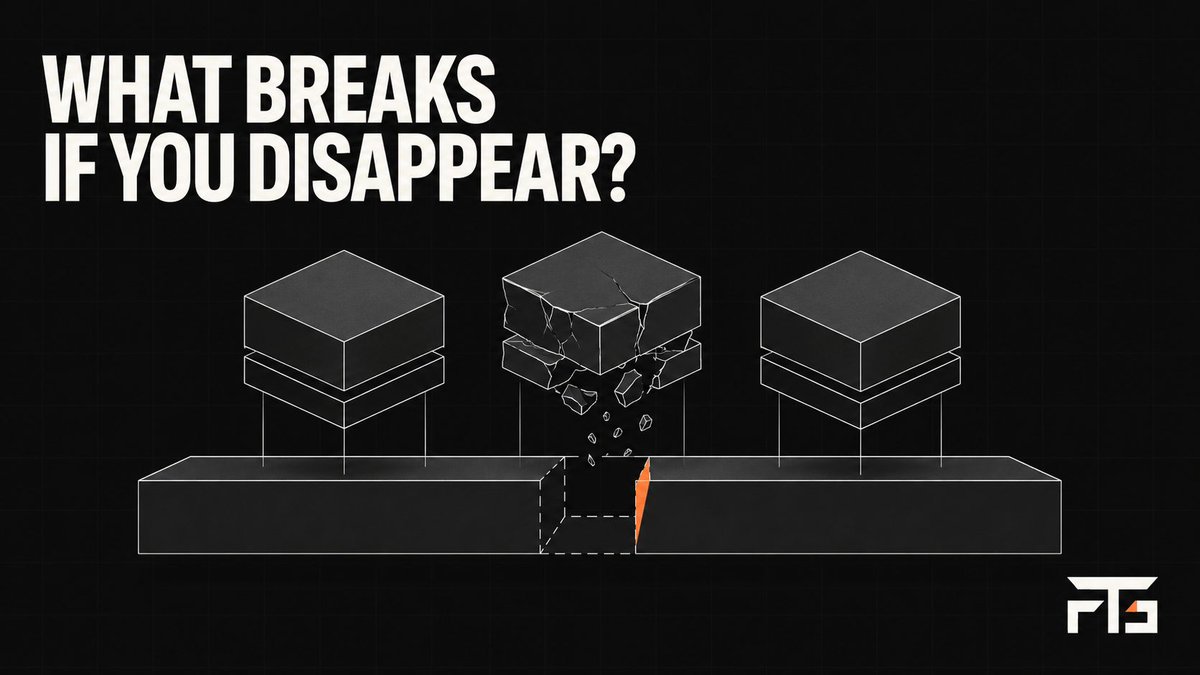
What breaks if you disappear?
If customers lose convenience, you built a feature.
If other businesses cannot operate, settle, store, or serve users, you may own a layer.
Infrastructure is measured by dependency, not by how important the pitch sounds.
Founder note:
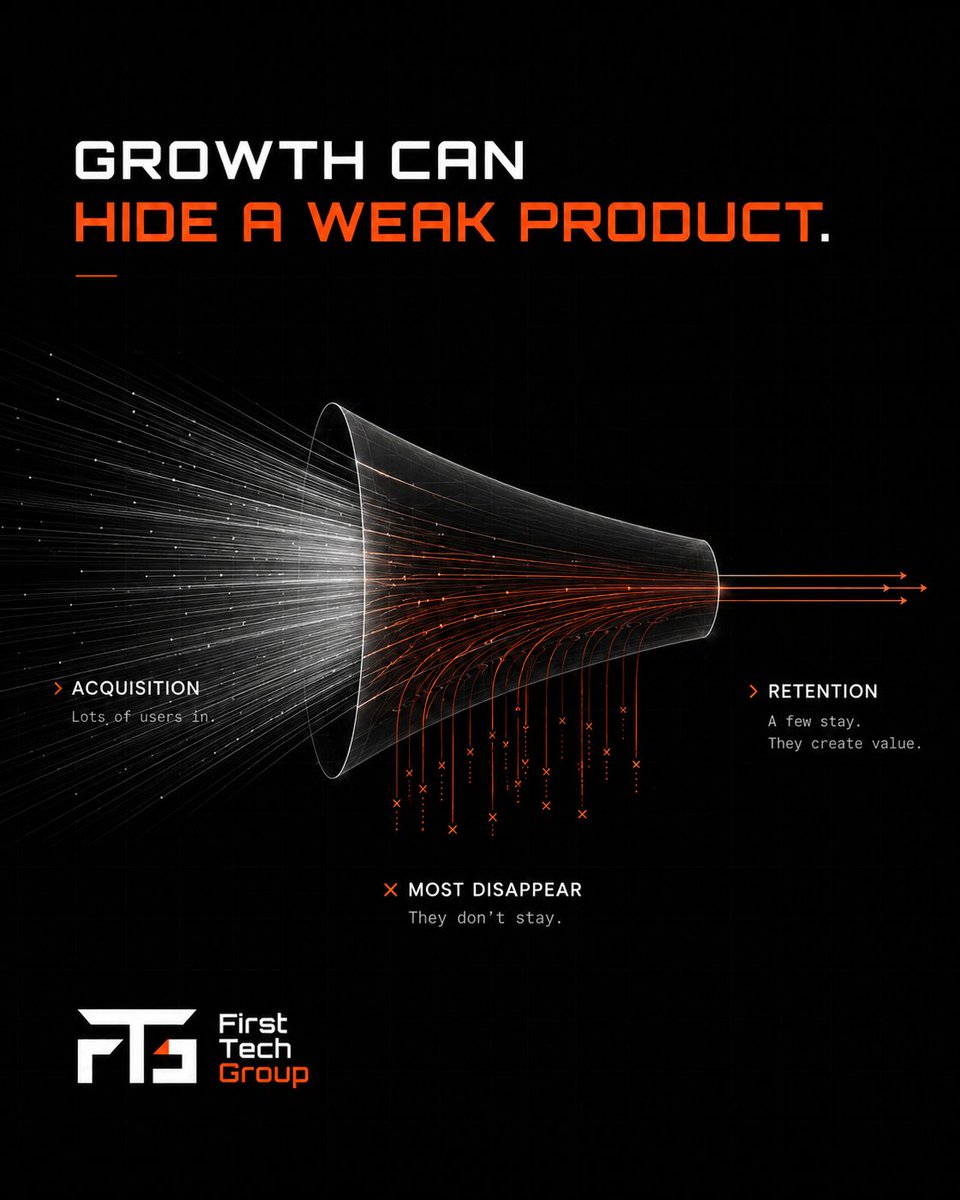
Growth can hide a weak product.
Ads can increase signups.
Discounts can increase first purchases.
Launch hype can increase traffic.
None of that proves users found lasting value.
The real question is what happens after acquisition.
Do users return?
Does retention stabilize?
Does usage expand?
Does growth continue when incentives stop?
Acquisition tells you who arrived.
Retention tells you who found a reason to stay.
The strongest pitches we see don’t start with how clever the technology is.
They start with a problem that’s already costing people real money, every single day.
Build around the cost, not the buzzword.
Timing matters more than founders like to admit.
A good idea too early becomes a lecture.
A good idea too late becomes a feature.
FTG looks for the moment when the market is ready, the system is breaking, and the builder can move first.
One reason crypto still confuses mainstream users: too many products were designed to impress peers, not to survive use.
Good infrastructure should feel calmer than the market it serves.
Reply with the product that gets this right.
Founder note: the strongest early pitches do not lead with technology.
They lead with a problem that is already expensive.
Build around the cost, not the adjective.
The question for AI products is no longer “which model?” It is “what compounds after the model changes?”
Our answer is memory, orchestration, and distribution.
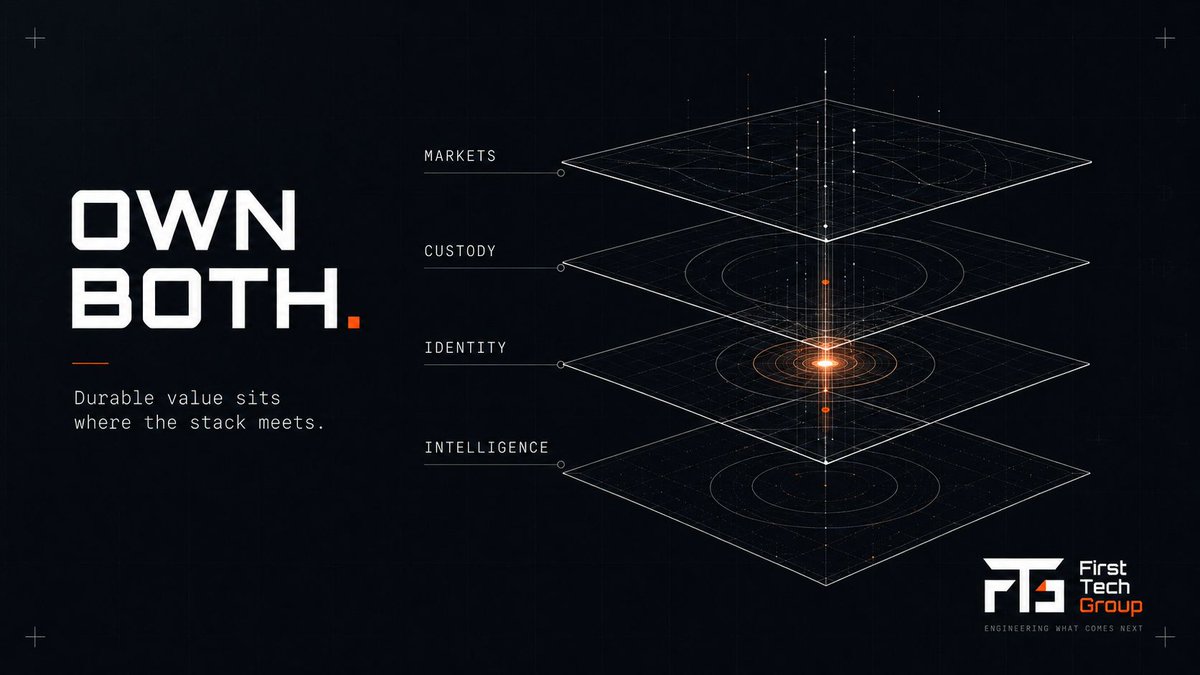
Most firms choose between owning distribution and owning infrastructure.
We think that trade is false.
Durable value in the next cycle sits where markets, custody, identity, and intelligence meet.
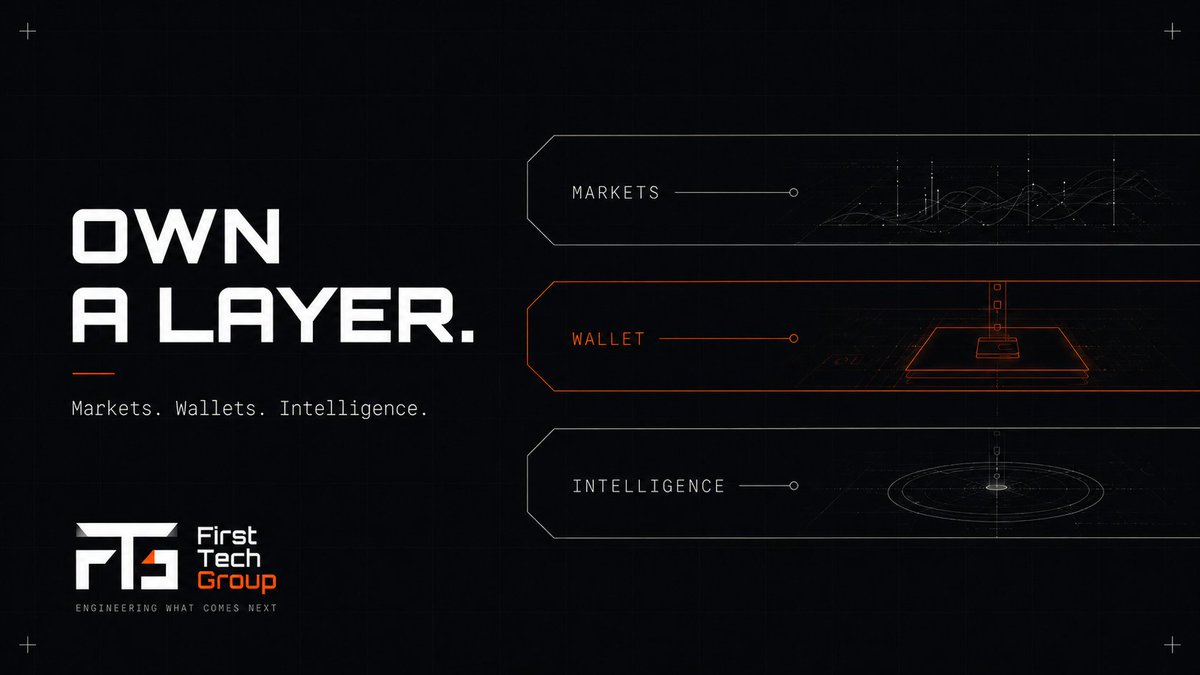
The next financial group won't be built around one app but around control - of trading venue, wallet layer and intelligence.
FTG builds across the stack as the future favors operators who own the rails, not tenants renting access.
FTG backs and builds the infrastructure layer for the digital economy.
If you are building something serious in finance, crypto, AI, or digital infrastructure, send us your idea.
Submit through the website or DM us.
The future of finance will not be won by a single feature.
It will be won by the company that connects the whole journey:
discover value,
trade value,
hold value,
use value,
grow value.
That is the FTG thesis.
@moneymasternw Exactly.
In the next cycle, distribution alone won’t be enough.
The winners will control where value trades, where it is held, and how intelligence moves it. Anything less becomes someone else’s layer.
The next chapter of finance won’t belong to a single app.
It’ll belong to the full stack.
The venue where value moves.
The wallet where value stays.
The brains that make it earn.
That’s FTG.
We’re not interested in tiny utilities wearing a platform costume.
We’re looking for businesses that can truly control a layer.
A marketplace.
A wallet.
An intelligence engine.
Infrastructure others anchor to.
That’s the kind of work FTG funds.
The digital economy needs less noise - and better machinery.
Markets that clear.
Wallets that hold.
Systems that act.
Rails that don’t break under pressure.
FTG builds it - and backs it.
If you are building a startup in financial infrastructure, digital assets, wallets, AI operators, or market systems, FTG wants to see it.
We are a venture capital firm backing builders with layer ownership in mind.
Submit on the website or DM us.