Fundación para el Estudio de Especies Invasivas
Realizamos estudios sobre especies invasivas para elaborar estrategias de control biológico sostenibles.
🌍 ¿Por qué importa?
Porque revela que la actividad humana puede permitir que especies invasoras rompan sus límites naturales.
Comprender estos procesos es clave para anticipar y gestionar futuras invasiones.
#EspeciesInvasoras#Biodiversidad
🐜 ¿Sabías que la hormiga argentina (Linepithema humile) está superando sus límites climáticos en nuestro país?
Nuestro estudio muestra cómo se expande desde las Pampas hasta la Patagonia gracias a ambientes modificados por el ser humano.
👉 https://t.co/GJMTMtdrsj
📍 Hallazgos clave:
🐜Presente desde el sudoeste bonaerense hasta Bariloche.
🐜Ausente en ambientes naturales fríos/áridos.
🐜Ciudades y cultivos irrigados funcionan como “islas” de hábitat que favorecen su avance.
¡Nueva publicación!
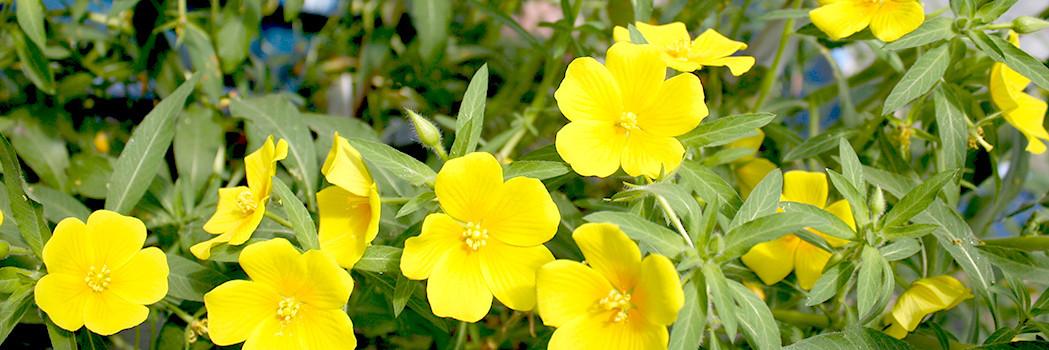
🪻El camalote (Pontederia crassipes) invadió la laguna Del Ojo (Buenos Aires), afectando biodiversidad, pesca y turismo
💡Con una Estrategia de Manejo Integrada y Adaptativa (IAMS por sus siglas en inglés) se redujo su biomasa un 70%
🔗https://t.co/VT7PLLV7ua
✨ Our new paper on #Megamelus is out✨
🪷 Two new species: M. delticus & M. serpentinus.
🔬 First phylogenetic analysis of the genus (COI gene).
🌿 Includes M. scutellaris, a key #biocontrol agent for water hyacinth.
Read more: https://t.co/O3l38dwmL8
via @ZooKeys_Journal
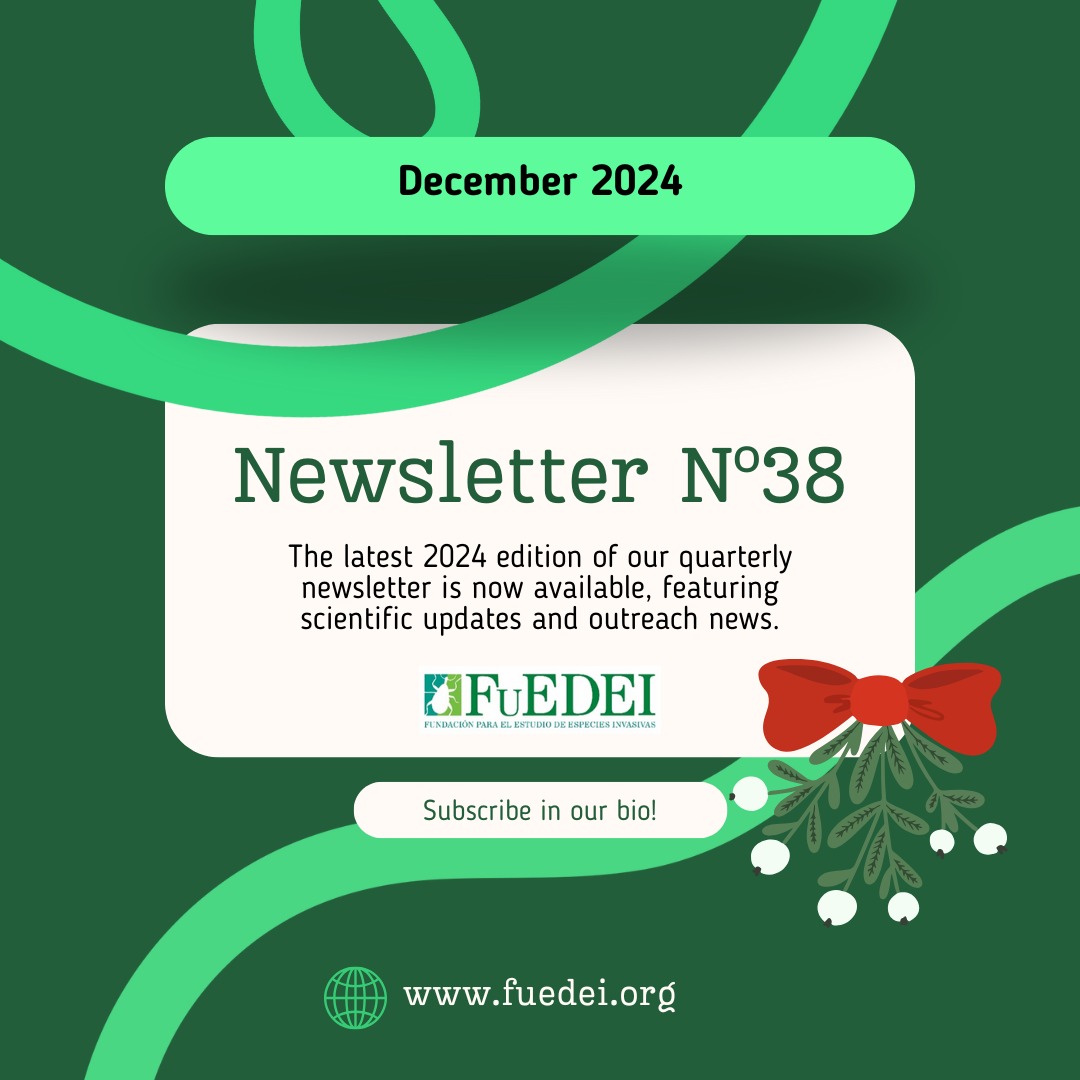
📢 Our quarterly newsletter is here! 🌿🪲 Explore the latest updates on research, biological control, and invasive species management. Don’t miss out!
🔗https://t.co/dTJUNIHgOm
#Science#Ecology#BiologicalControl
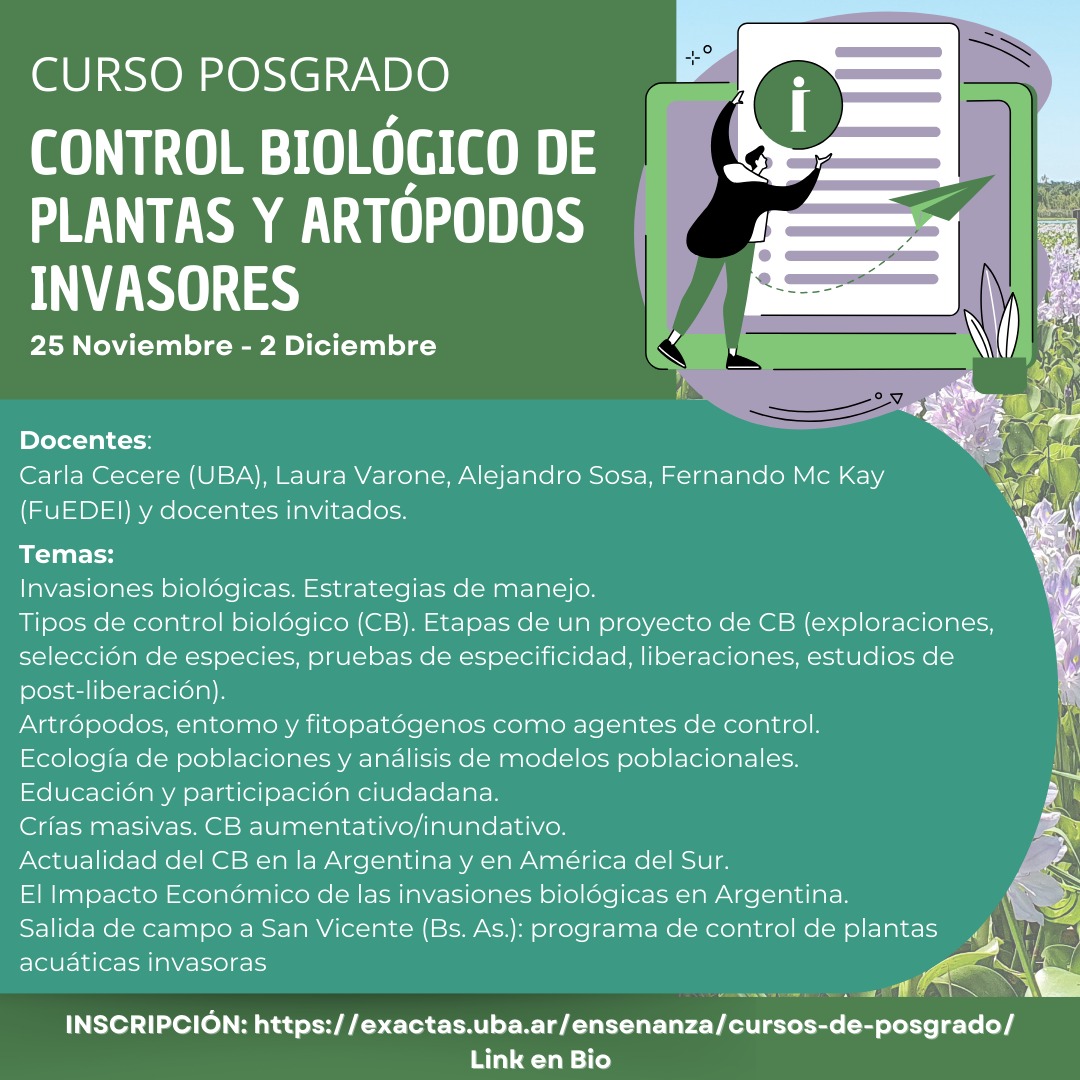
¡Nueva edición del Curso de Posgrado 𝗖𝗼𝗻𝘁𝗿𝗼𝗹 𝗕𝗶𝗼𝗹ó𝗴𝗶𝗰𝗼 𝗱𝗲 𝗣𝗹𝗮𝗻𝘁𝗮𝘀 𝘆 𝗔𝗿𝘁𝗿ó𝗽𝗼𝗱𝗼𝘀 𝗜𝗻𝘃𝗮𝘀𝗼𝗿𝗲𝘀!
📅 25 Noviembre al 2 Diciembre
📍FCEN-UBA y FuEDEI
📝Inscribite en https://t.co/eqJl8pxMeo (Link en Bio)
📧Consultas: [email protected]
¡Nueva publicación! new publication! 🚨📰
@nadinelis77 et al. 2024
Biomass consumption, foraging activity and harvesting patterns in two sympatric leaf‐cutting ant species in a Salicaceae plantation in Argentina
https://t.co/Vkdbl6pTvF
@fuedei@CONICETDialoga@LIHO_hormigas
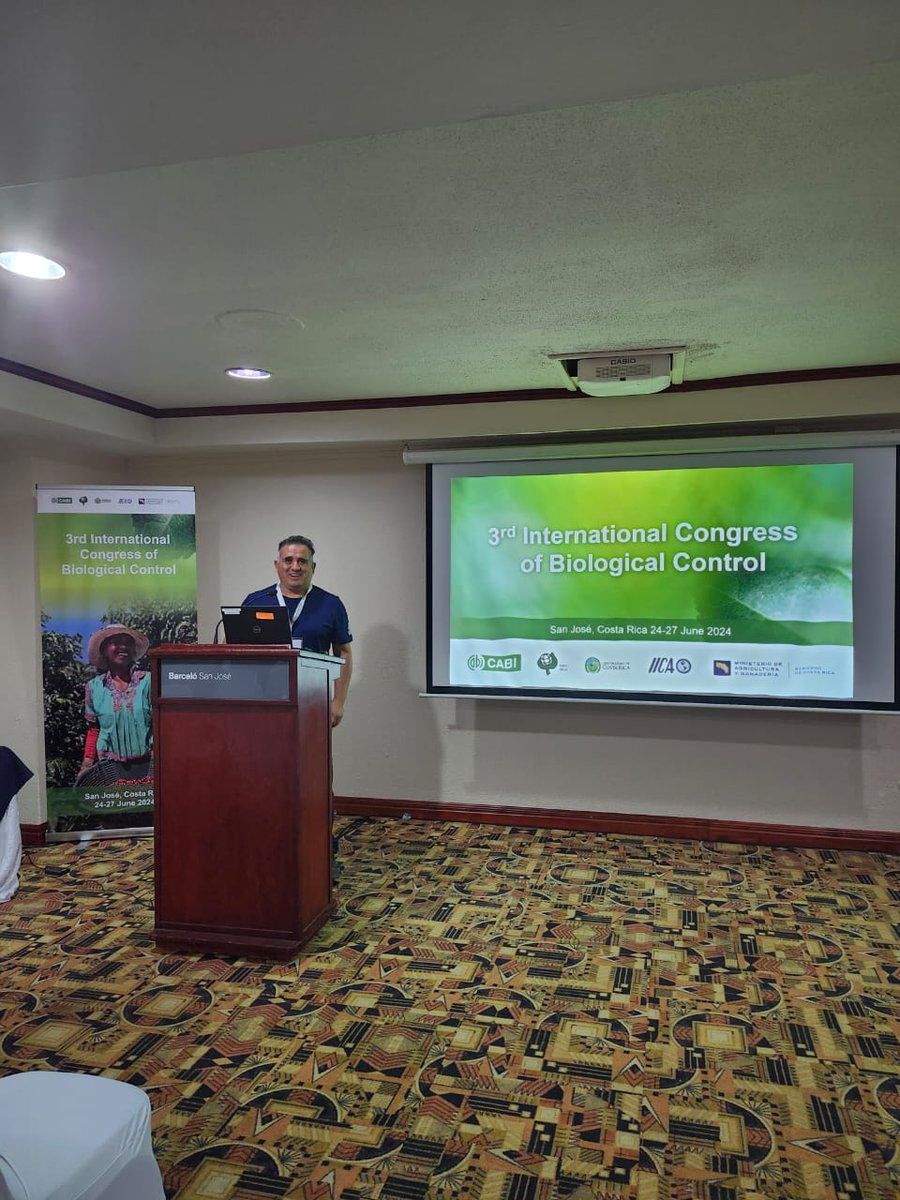
Alejandro Sosa, Laura Varone, and Belen Aguirre are participating at the 3rd International Congress of Biological Control of Weeds. They organised two sessions related to aquatic weeds and risk assessment for safe import, quarantine rearing and release procedures👏@IOBC_Global
Read new publication from @DaniellPoveda on genomic variation of the #CactusMoth🐛🌵explained by geography, climate and shifts in host plants distribution!👇
New Research: Geography, climate and shifts in host plants distribution explain the genomic variation in the cactus moth: Landscape heterogeneity and the host plant use are factors suggested to play determinant roles in shaping the evolutionary… #Ecology https://t.co/7tOe3wuiRc
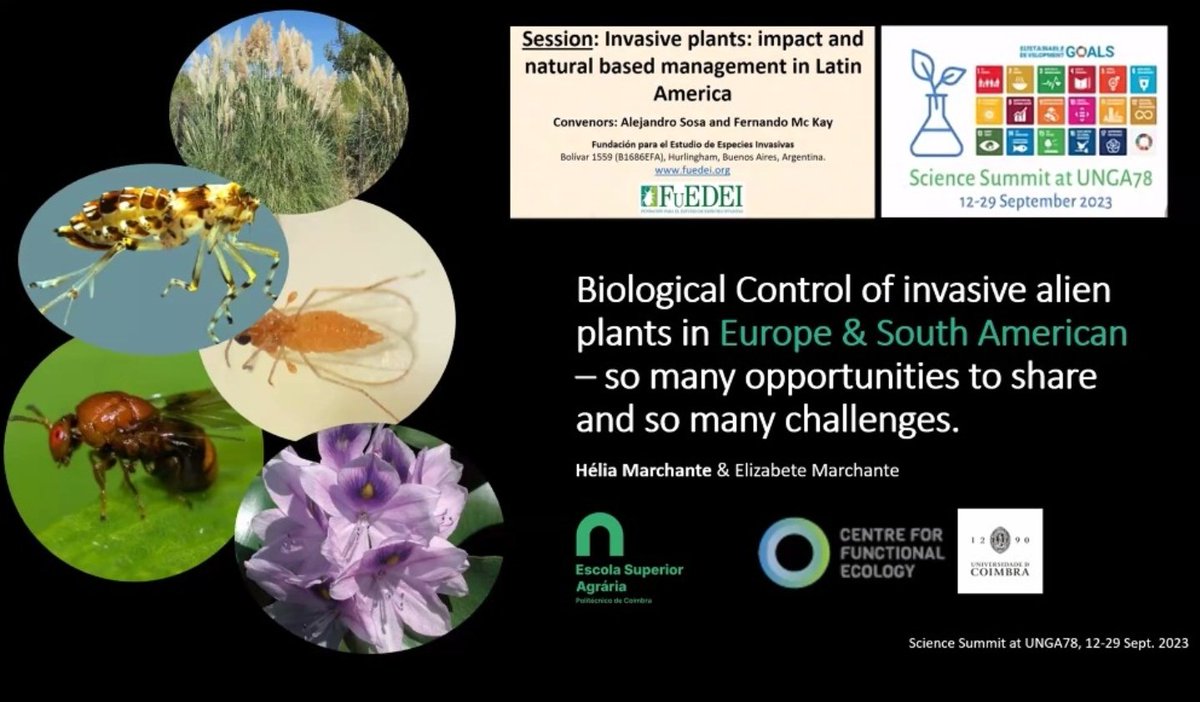
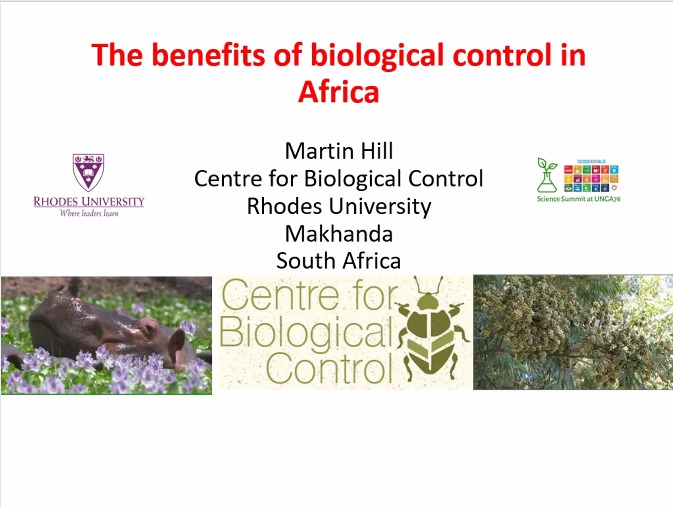
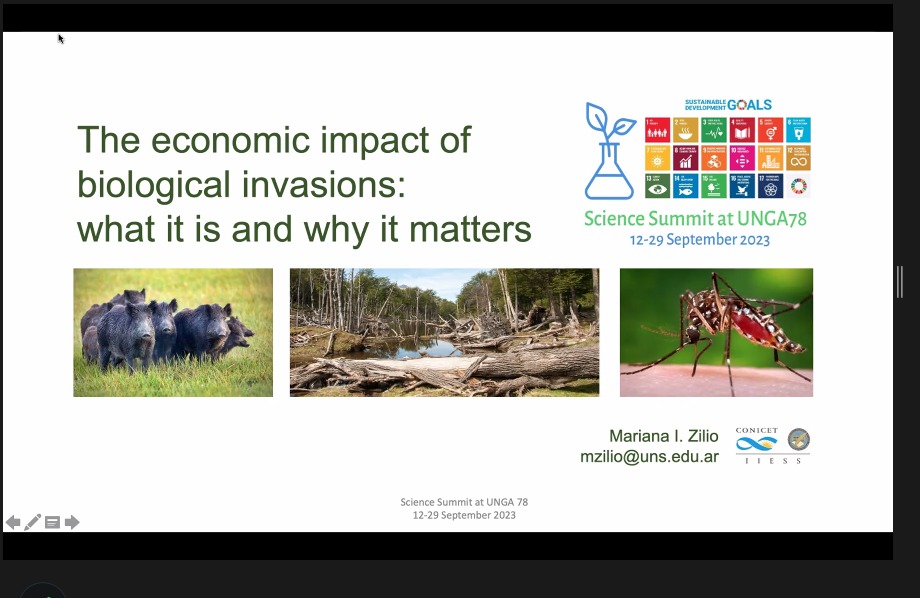
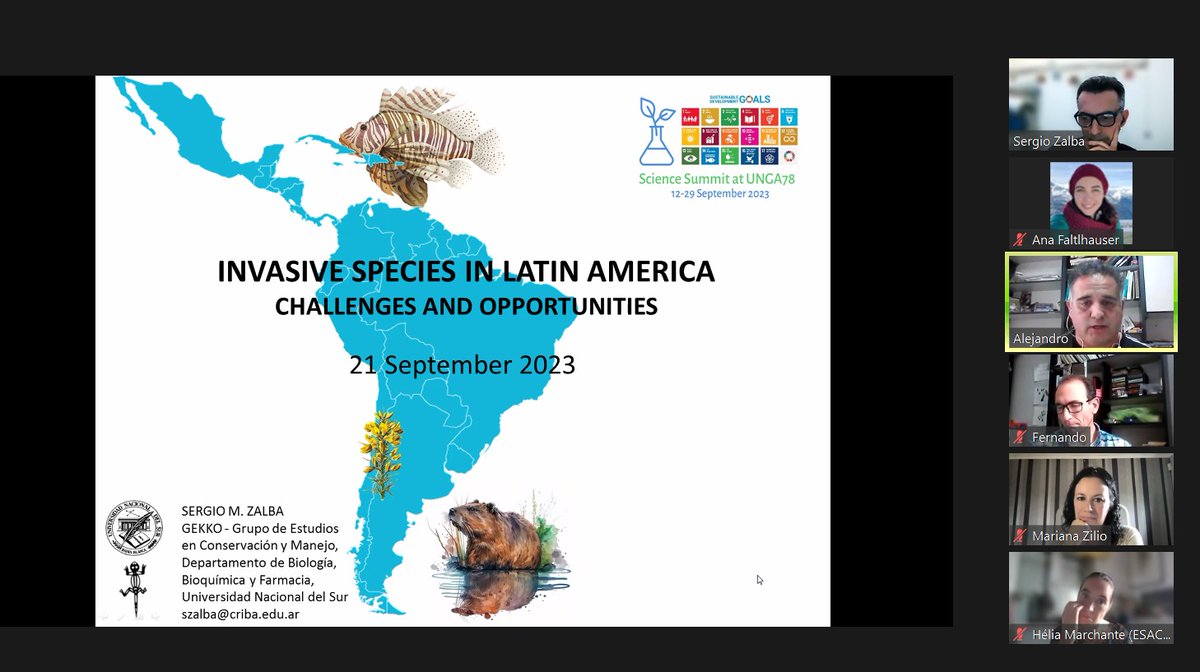
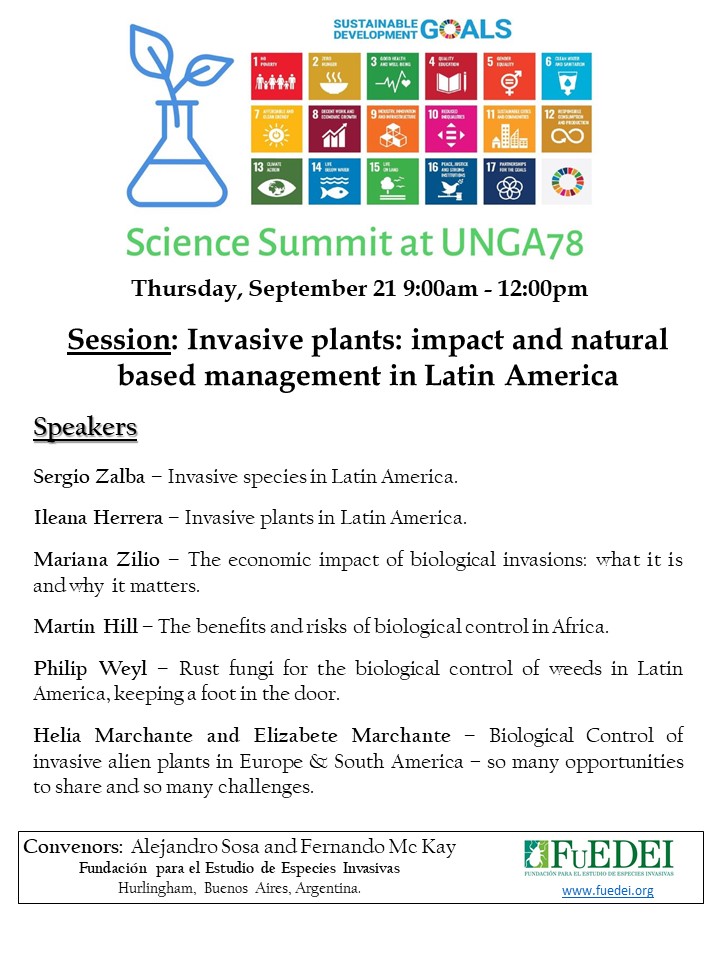
Please join us on Thursday 21st to discuss the management of #InvasivePlants in Latin America! at Science Summit at United Nations General Assembly (UNGA78)
Free Registration: https://t.co/JnexuWyK0o
@scienceunga#sciencesummitunga@sched
Please join us on Thursday 21st to discuss the management of #InvasivePlants in Latin America! at Science Summit at United Nations General Assembly (UNGA78)
Free Registration: https://t.co/JnexuWyK0o
@scienceunga#sciencesummitunga@sched