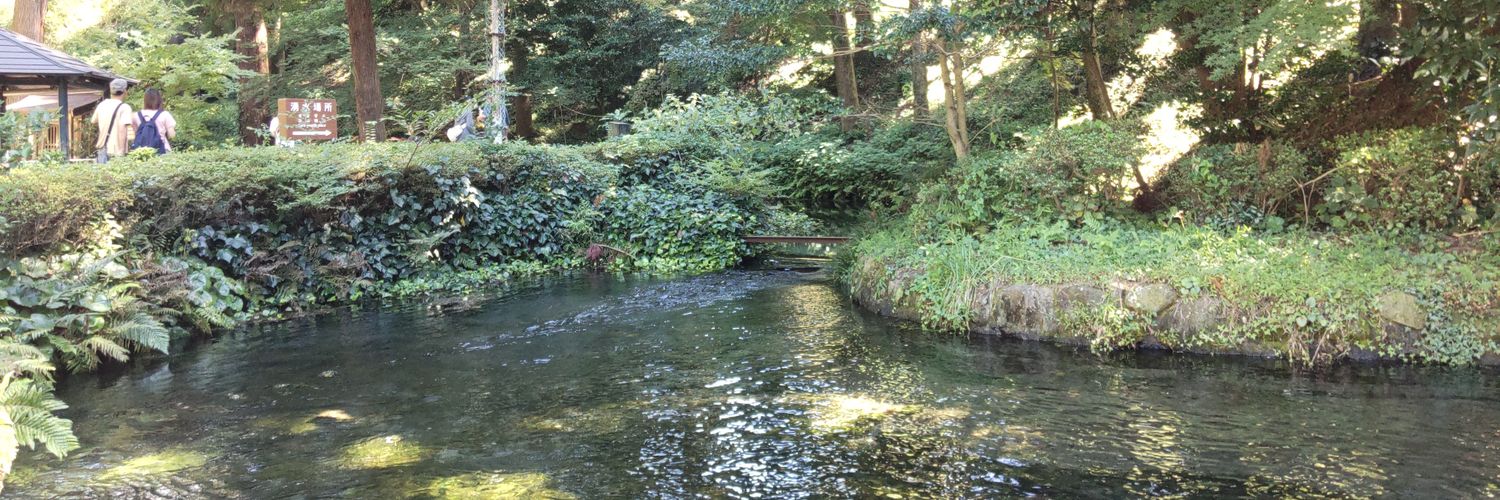
In 1996, an amateur archaeologist was walking along the Tollense River in northern Germany when he spotted a human arm bone sticking out of the riverbank.
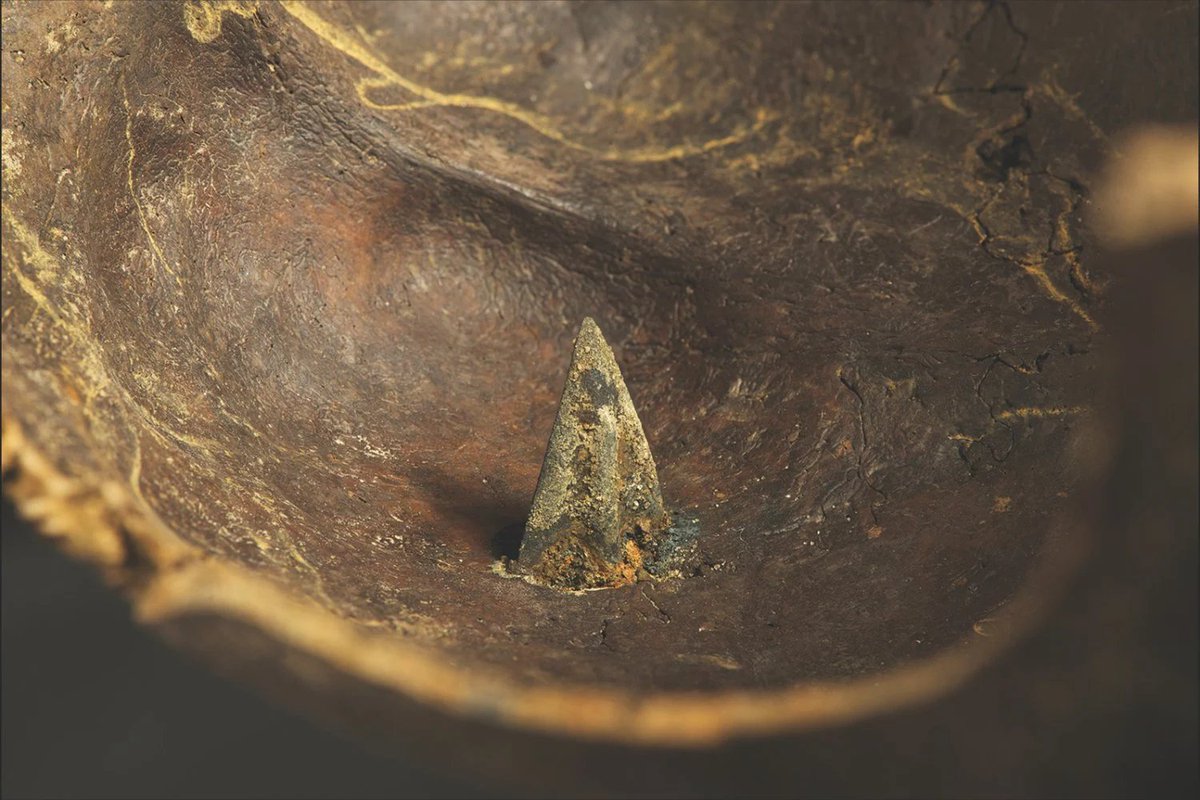
Lodged in the bone was a flint arrowhead.
Archaeologists eventually started digging, and they kept finding bodies. The remains of more than 140 people so far, along with horses. And they've only excavated a small part of the valley.
The bones dated to around 1250 BC. Most of them were young men. Many had wounds that never healed, because they died from them. Arrowheads stuck in bone. Skulls smashed by blunt weapons. Wounds from behind, as if men were cut down while running.
This was a battle. Probably the oldest large-scale battlefield ever found in Europe.
Before Tollense, most historians thought Bronze Age northern Europe was a world of small villages and small fights. Raids, feuds, maybe a few dozen men at a time.
Tollense blew that up. Based on how many died and how much ground the fighting covered, researchers have estimated that a few thousand men might have taken part.
Some of them had old healed injuries, too. These weren't farmers grabbing whatever was nearby. Some look like men who had fought before.
The weapons were a mix. Bronze swords and spearheads. Bronze and flint arrowheads. And wooden clubs, including one shaped like a baseball bat and one shaped like a croquet mallet.
Then it gets stranger. Chemical tests on teeth suggest many of the dead didn't grow up anywhere near the valley. And in 2016, archaeologists found what looks like one warrior's personal kit, a bundle of bronze tools and scrap metal. The style points to someone from southern central Europe, hundreds of miles away.
So who was fighting whom, and why here? Nobody knows for sure. One theory is that the battle was over a causeway crossing the river, part of a trade route.
There's no written record of it. No names, no winner, no story.
Just a riverbank full of young men, 3,000 years old, and a war nobody knew had happened.