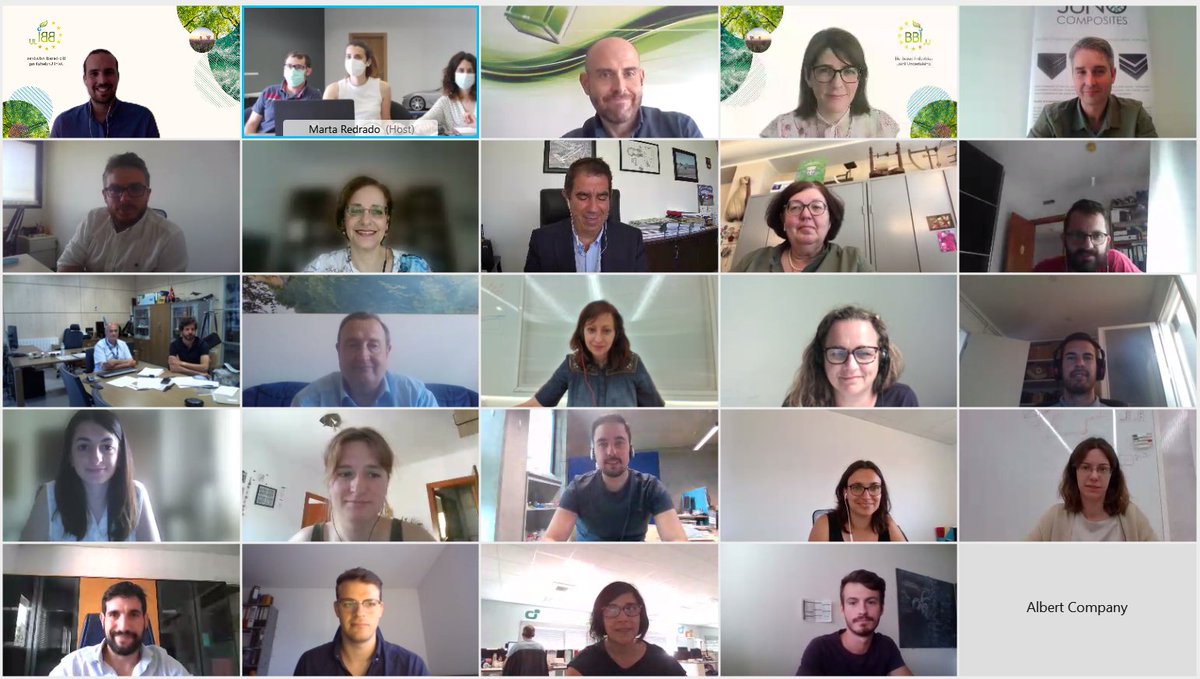
One week ago, the partners of the #ACROBA consortium met at the general assembly signing the first 6 months since the start of the project. The opportunity to be able to share the first video presenting the project ! Enjoy !
https://t.co/2eZfI6aKii
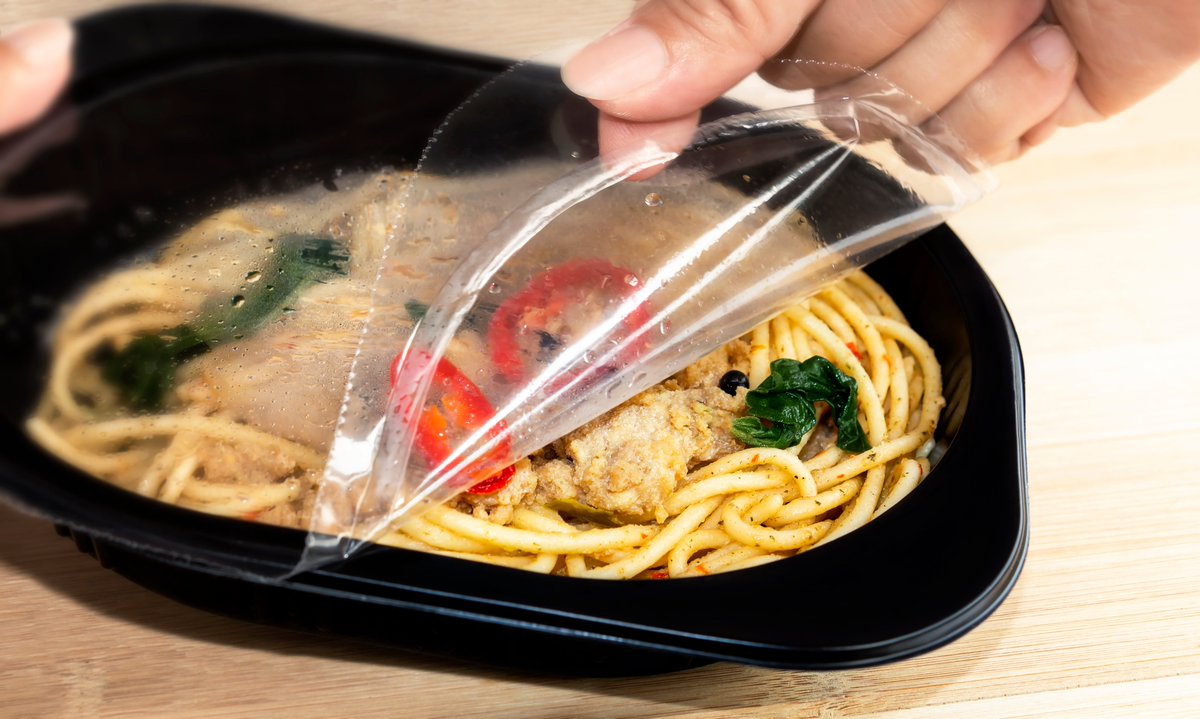
Why is Eco-design so important? Eco-design is a solution that considers product sustainability from the beggining till the end. For us, is one of our main pillars, aiming to find a solution for multilayer packaging in the #food and #pharma sectors 🔝
@BBI2020@biconsortium
🆕 All the best to the new 🌟 @BBI2020#VIBES project!
It will improve the recyclability of thermoset composites through a technology based on #biobased 🌱 bonding materials.
Our PO @AntonellaCana10 joined the meeting.
👉 Read more: https://t.co/lT0EaIFOqx
The #bioeconomy can play a significant role in fighting climate change, but how?
👩🔬 Read how young researchers describe their contribution to the #biobased industries.
✅ BBI JU-funded AQUABIOPRO-FIT & SSUCHY projects star in the article.
Read more 👇
https://t.co/Ze3lOVzI2S
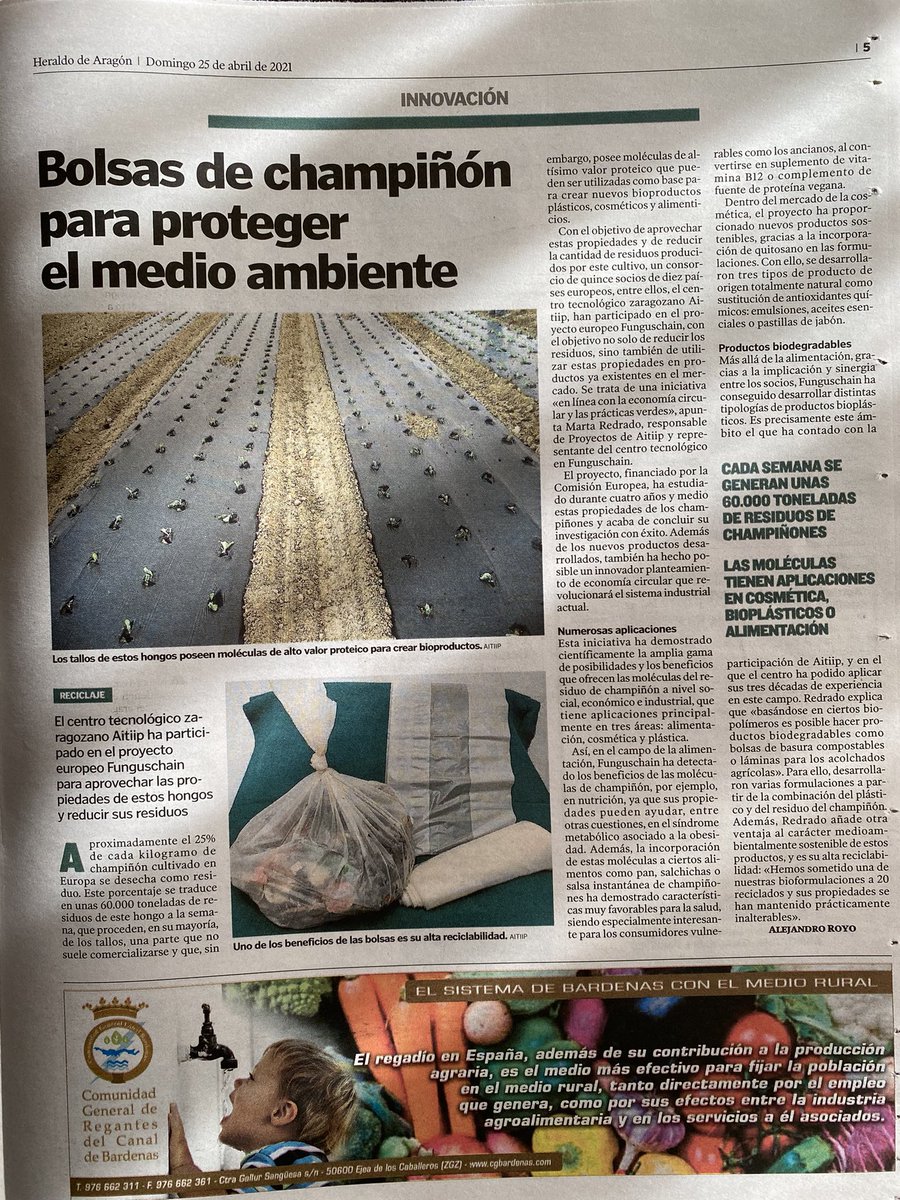
Un consorcio de centros de investigación europeos logra desarrollar bolsas de #plástico, jabones y alimentos con residuos de champiñón en el proyecto europeo @funguschain
Toda la actualidad del plástico y mucho +
https://t.co/PM19va4nLS
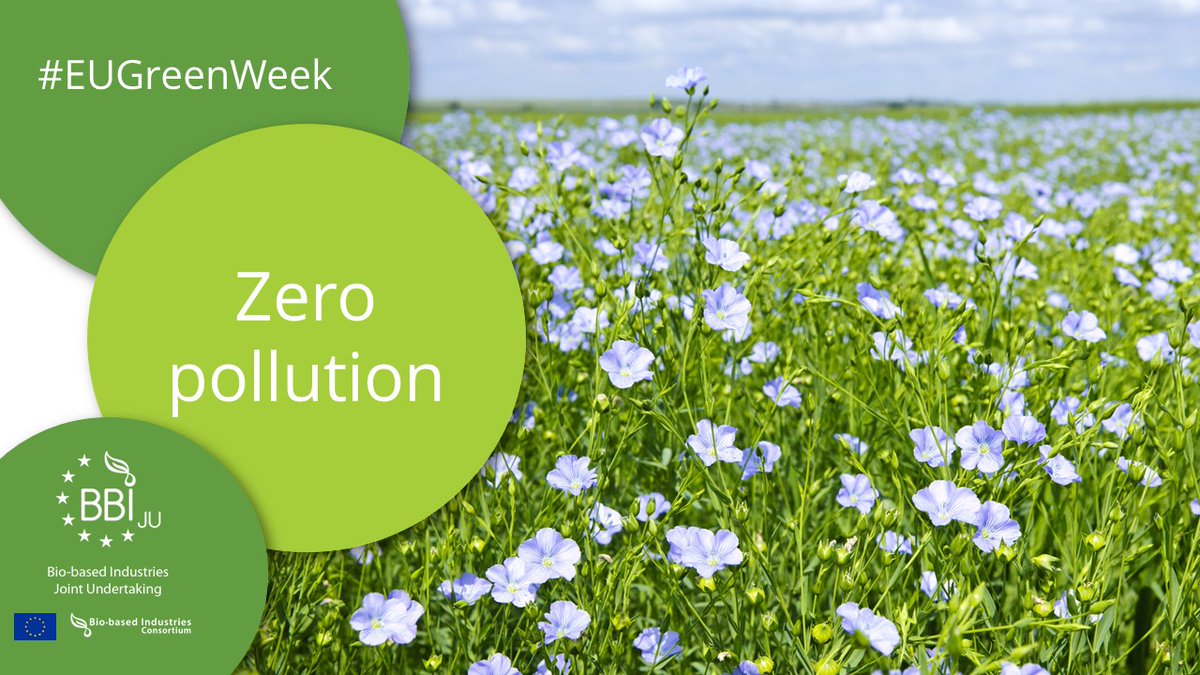
🌍@BBI2020 aims for a world with #ZeroPollution.
Our 140+ projects contribute to the @EU_Commission Zero Pollution Action Plan by
⬇️ cutting waste & plastic pollution
🌿 protecting #biodiversity
🌱 replacing toxic chemicals with #biobased products
Read: https://t.co/9p682Rsv8T
For the first time, @BBI2020 is launching a contest to show the achievements 🎯 of our projects!
Take part in this challenge and show your artistic skills. 🥇
🗓️ Save the date: 10 May
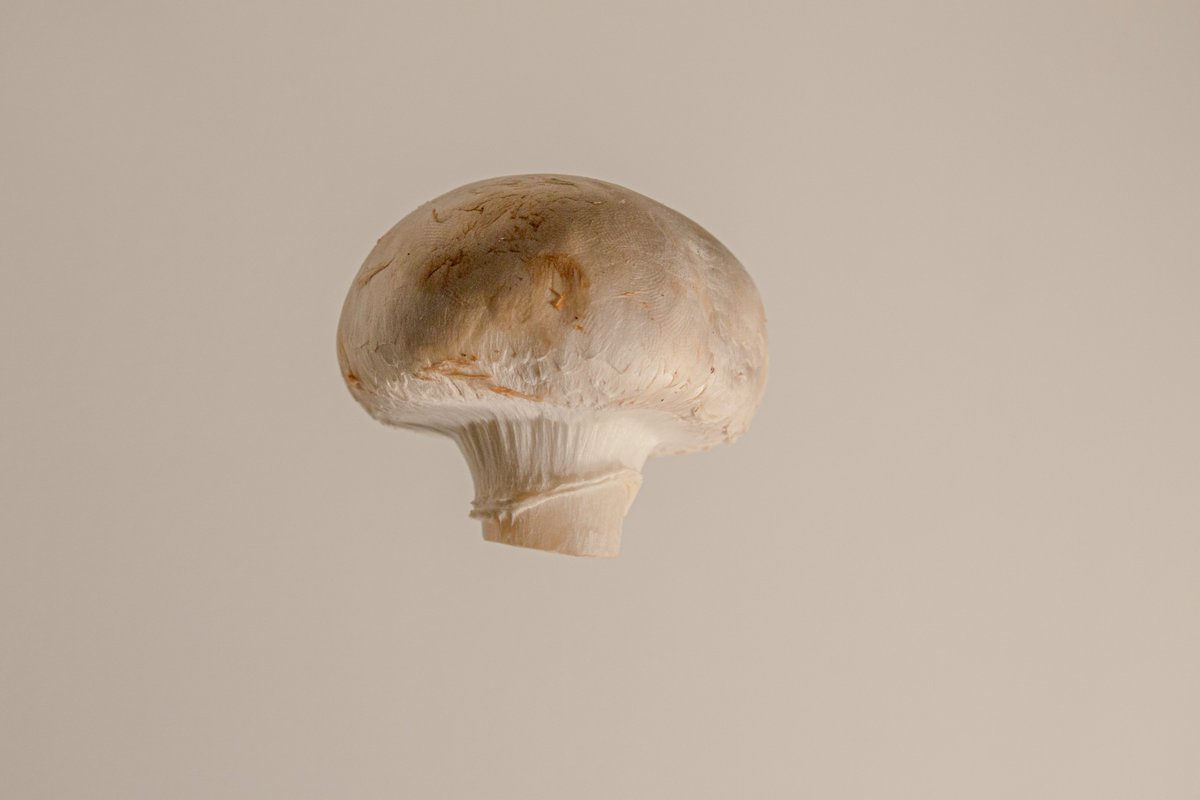
¿Qué hacer con los 50 millones de kilos de residuos de champiñón que se generan en Europa cada semana? Un estudio de @funguschain ha demostrado que con las superpropiedades de los #hongos se pueden fabricar bolsas, jabones o ladrillos. Ya nunca mirarás a un champiñón igual 😍♻️
La UE produce hasta 60.000 toneladas de residuos de champiñón. Para reducirlos y aprovechar el montón de propiedades de este hongo, @aitiip ha trabajado en un proyecto europeo con socios de 10 países. Os lo cuento en @heraldoes
📢Hey! Tomorrow, 20th of April, you have an appointment
🍄@funguschain consortium celebrates a #StakeholdersMeeting, where also #endusers will witness the project scientific results
Participate in Q&A Round and chat with experts
🖥️Register: https://t.co/7kxVJvKejS
@BBI2020
Por cada kilo de champiñones cultivados, sobre un 25% se desecha como residuo. El centro zaragozano @aitiip participa en el proyecto europeo de innovación @funguschain, cuyo objetivo es que tantas toneladas de residuos de los champiñones puedan ser revalorizadas y aprovechadas.
El proyecto FUNGUSCHAIN ha estudiado durante más de cuatro años las superpropiedades de los champiñones, usando lo que se desecha para la fabricación de bolsas de plástico, jabones y alimentos. Participa el centro tecnológico zaragozano AITIIP.
https://t.co/bJoNoqn9qt