8 of history's worst experiments:
1. Unit 731: During World War II, the Imperial Japanese Army conducted extensive chemical & biological warfare research on human test subjects. An estimated 200,000 people died from these cruel experiments.
Victims were intentionally exposed to anthrax, the bubonic plague, cholera, syphilis, typhus and other pathogens. Other experiments included vivisection, controlled dehydration, biological weapons testing, hypobaric pressure chamber testing, organ harvesting amputation, and standard weapons testing, all without anesthesia or a care of whether the victim lived or died.
Unit 731 victims included men, women, children, and even infants that were born after victims were r*ped by the staff. Unit 731 was led by General Shirō Ishii who was granted immunity & then hired after WWII by the United States government.
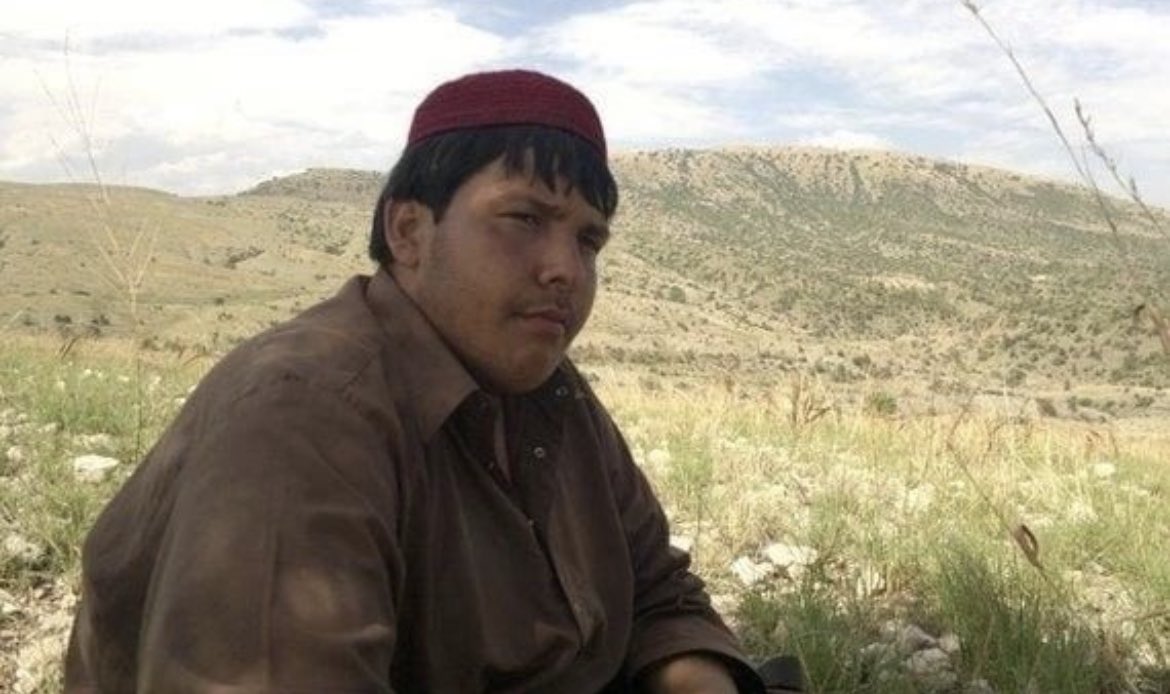
The fearless young hero who stopped a suicide bomber from entering his school and saved hundreds of lives, 2014
On January 6th, 2014, 15-year-old Aitzaz Hasan looked death right in its eyes and challenged it. The young man was attending his high school in Hangu Village in Pakistan, which had a reputation for anti-terrorist attitudes. The school had an estimated student body of 2,000 students.
As he was walking to school with two friends, Hasan noticed a suspicious man walking towards the school, who seemed like he was carrying something under his clothes. Hasan and his friends then noticed there was a detonator attached to under the man's clothing. This mysterious man was a suicide bomber who was about to walk into the school to murder as many children as possible. Hasan made his way towards the terrorist while ignoring his friend's pleas not to. Hasan said to them "I'm going to stop him, he is going to school to kill my friends". Hasan's friends ran inside the school to raise the alarm. Hasan, however, stood his ground. He threw a rock at his attacker but missed. With no other options, Hasan charged the terrorist and tackled him to the ground. In response, the terrorist activated the detonator, killing himself as well as Hasan.
Hasan was the only death as a result of the blast. His heroic actions saved many lives that day. His school was renamed Aitzaz Hasan Shaheed High School. General of the army staff Raheel Sharif said that Aitzaz Hasan is "a national hero, who has sacrificed his today for our tomorrow." He is also described as a "symbol of resistance against terrorism." He has also been named as a martyr of Pakistan. He also received an award for his bravery.
Hasan's family was given compensation. His father said, "My son made his mother cry but saved hundreds of mothers from crying for their children." The 2016 film, Salute, is based on Hasan and his heroic actions.
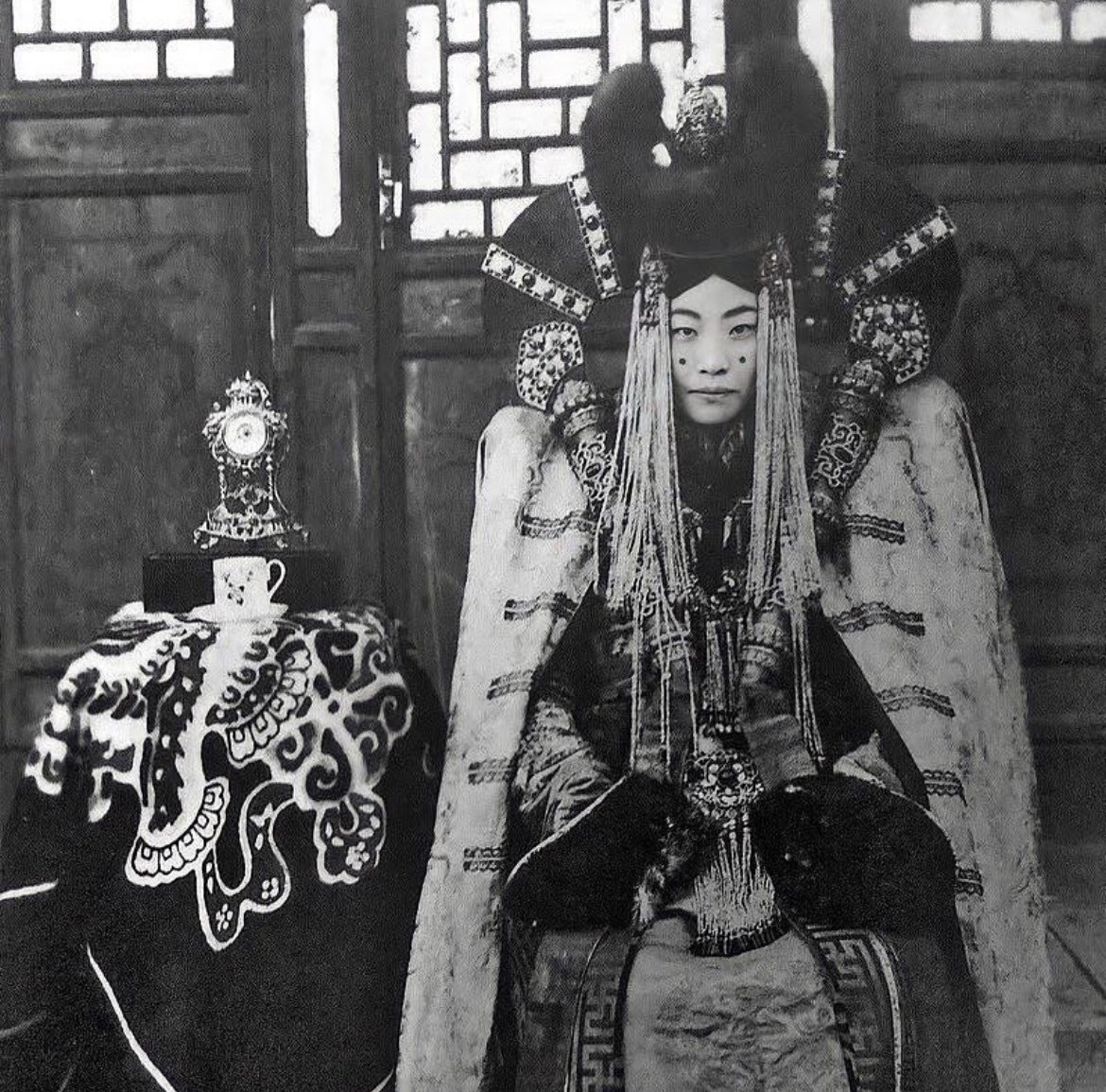
Genepil, the Queen consort of Mongolia, resided in Mongolia. A photograph from January 1st, 1923 captures her presence. She held the title of the last queen consort, being married to Bogd Khan, the ruler of the Bogd Khaganate, until his passing on April 17th, 1924, which coincided with the abolition of the monarchy. Tragically, she fell victim to the Stalinist purges and was killed in May, 1938.
Following the demise of Queen Dondogdulam in 1923, Bogd Khan sought a new partner and selected Genepil from a group of young women aged 18 to 20, chosen by the King's advisors. Although Genepil was already married, her marriage held no significance, as it was only in name. Despite Bogd Khan being 53 years old, nearly blind, immobile, and plagued by illness, Genepil was given assurance that she would eventually be allowed to reunite with her first husband.
She spent a year living with Bogd Khan until his death on April 17, 1924, when the monarchy was abolished. Subsequently, she departed from the Mongolian court and returned to her family. It remains unclear whether she reconciled with her first husband or remarried.
In 1937, due to her association with the old regime, Genepil and her family were arrested. Tragically, she met her demise in May, 1938, when she was executed as part of the systematic destruction of Mongolian culture during the Stalinist era. This period witnessed the widespread killing of numerous individuals, including shamans and Buddhist lamas.
VIDEO: A paralysed man has regained the ability to walk for the first time using only his thoughts, thanks to two implants that restored communication between brain and spinal cord.
The advance is the result of more than a decade of work by a team of researchers in France and Switzerland
I am a proud American. I will not let ugly, racist, and false allegations against me go unchallenged.
If we don't raise an alarm, anti-Asian rhetoric will continue to endanger Asian American communities nationwide.
Read my full op-ed on @MSNBC here: https://t.co/Oj9xcdsDlO