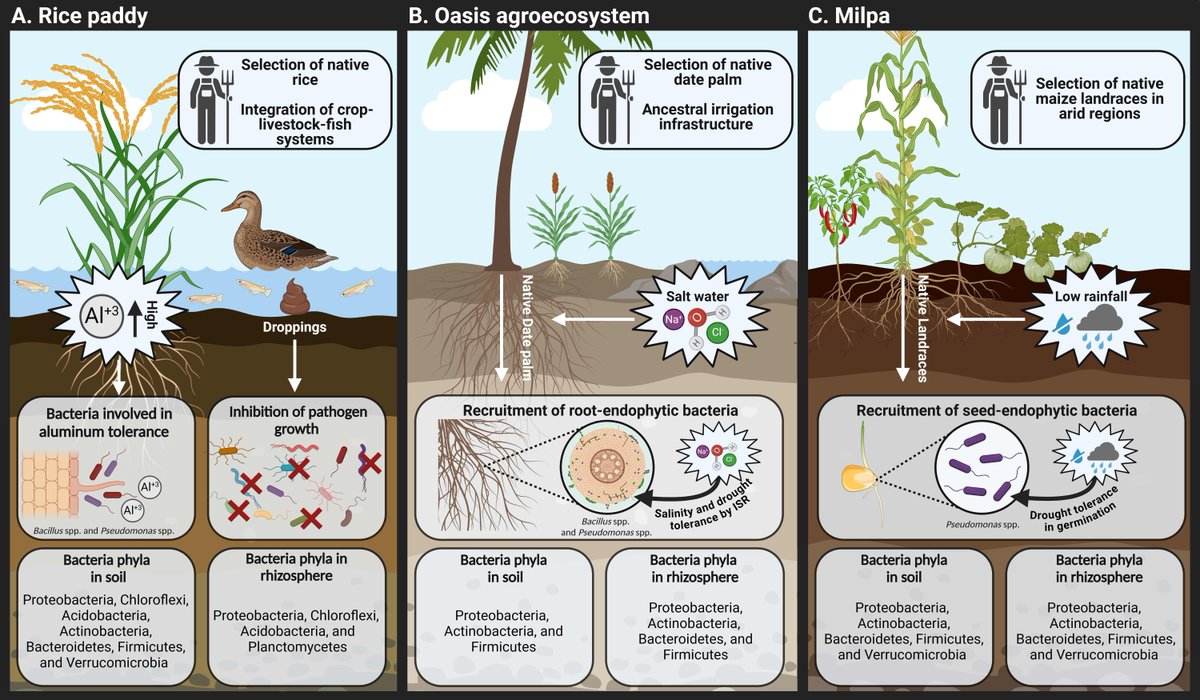
📢 Exciting news! Our recent article, published in @plantandsoil, delves into the role of seed-endophytic bacteria in the drought tolerance of maize landraces from arid milpas. Discover the fascinating world of microbial ecology and its impact on sustainable agriculture. 🌽🦠
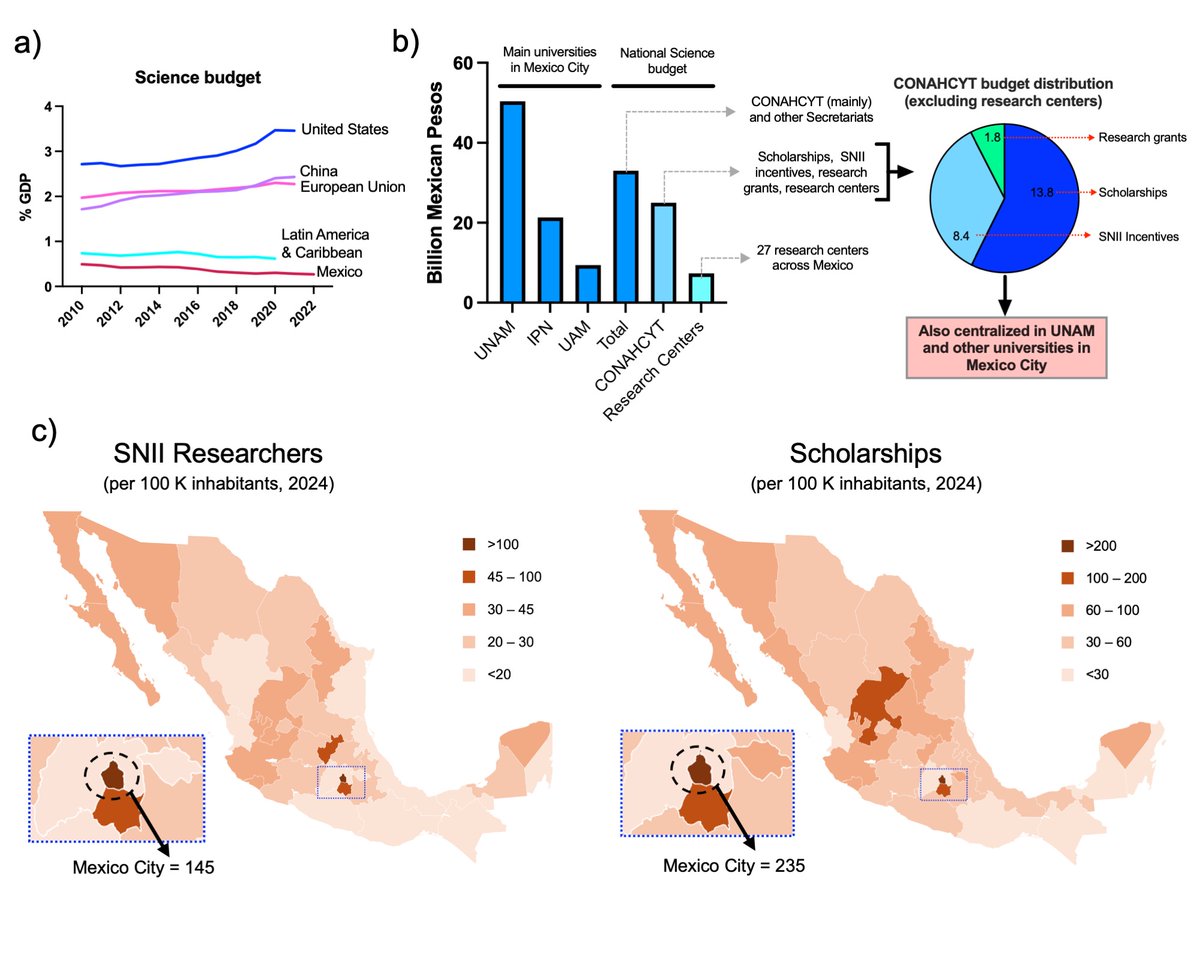
Es buen momento para recordar la centralización en la #UNAM de los recursos para investigación científica de Mexico. La UNAM sola, tiene más recursos que el total nacional (b) y además, acaparan desproporcionadamente los recursos de SECIHTI (c)
Es frecuente escuchar que el "80% de la economía mexicana son exportaciones a EEUU". Esto es falso.
El 83% de **las exportaciones** mexicanas van a EEUU, sí, pero la economía exportadora solo representa el 36% de la economía mexicana. Es por ello que, en realidad, solo el 30% de la economía mexicana son exportaciones a EEUU.
Sin embargo, a ese valor todavía se debe restar el valor de las importaciones que México hace de EEUU (aprox. 15% del PIB).
Entonces, solo el 15% del PIB se explica por el comercio de México con EEUU.
El principal componente de la economía mexicana no es el comercio con EEUU, es el consumo y eso no depende de Trump, sino de las decisiones que tomamos dentro de la economía. El consumo se ve beneficiado cuando las personas tienen mejores salarios y más tiempo libre.
La era de los salarios bajos debe terminar.
New in Geoderma Regional „Ancestral roots: Exploring microbial communities in traditional agroecosystems for sustainable agriculture“ by Guillermo Luis Arellano-Wattenbarger, Mateo Córdoba-Agudelo, and Jorge Rocha.
https://t.co/ttb8lIAIcJ
Comunicado del Siintracatedras en respaldo al Colectivo por condiciones laborales dignas para investigadoras e investigadores sin plaza académica
Desde nuestro sindicato respaldamos el pronunciamiento del Colectivo por condiciones laborales dignas ante las convocatorias recientes de varios Centros Públicos de Investigación, que ofrecen contrataciones por honorarios de seis meses con posible continuidad.
En un contexto donde miles de jóvenes investigadoras e investigadores esperan oportunidades dignas, estas convocatorias presentan plazos breves, escasa difusión y condiciones laborales precarias: sin seguridad social, sin estabilidad y con ingresos reducidos. Estas medidas no abordan el problema de fondo: la falta de plazas en universidades y centros públicos de investigación, resultado de una crisis estructural asociada a décadas sin inversión suficiente ni programas de retiro dignos.
Desde el sindicato hemos denunciado esta misma lógica en el caso del personal de Investigadoras e Investigadores por México, creado justamente como respuesta a esa crisis, pero aún sin resolver de fondo la precarización.
Por ello, nos sumamos al llamado a las autoridades @Secihti_Mx@rosauraRuiz4@tabanozahir para:
🔹 Rectificar estas convocatorias.
🔹 Crear empleos estables y con derechos.
🔹 Diseñar políticas estructurales para integrar a nuevas generaciones científicas.
La ciencia no se construye con subcontratación ni contratos precarios. Se construye con empleos dignos y visión de futuro.
“Springer Nature Portfolio has launched a “Discover” series of journals that seem to deliberately and systematically mimic the MDPI brand.”
https://t.co/7ZYuMpnP0R
En la academia mexicana, hay estudiantes de posgrado que son atacados no por sus enfoques teóricos o metodológicos, sino por tener al director/a que tienen.
Un artículo analiza este fenómeno: usar estudiantes como blanco indirecto en conflictos académicos.
(Cita al final).
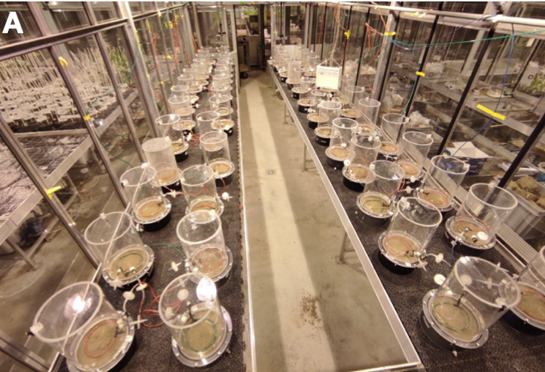
Our new paper demonstrates that soil microbial diversity plays a key role in driving plant growth, decomposition and carbon substrate use. Interestingly, pesticides application alters the role of microbial communities, especially fungi in driving ecosystem functions.
https://t.co/YAtgTZQxDf
Pesticide application reduced the relative importance of fungal richness in explaining variations in plant biomass production and litter decomposition. Conversely, pesticide application increased the relative importance of bacterial richness in explaining carbon substrate utilization, particularly for carbohydrates and amino acids. Great work by Ferran Romero in collaboration with Shuo Jiao.
🚨This is being shared widely but it is FALSE.
@SimonLevyMx is spreading false information claiming these screenshots prove former Mexican president Andres Manuel Lopez Obrador has active criminal cases in U.S. courts.
Not true.
Let's go through Simón's screenshots:
Les comparto un nuevo artículo del laboratorio: una revisión sobre las comunidades microbianas en agroecosistemas tradicionales, de @G_Wattenbarger
https://t.co/24s8nt8imM
I’m a scientist.
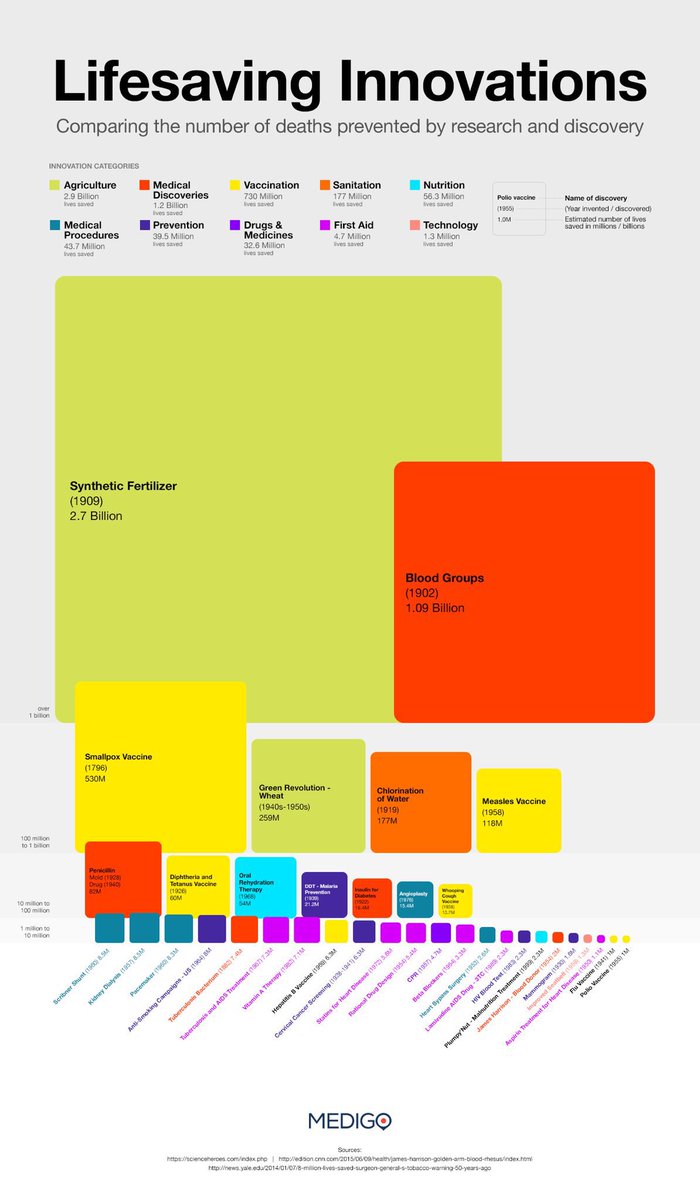
But even among scientists, few can claim what Norman Borlaug did:
He’s credited with saving a billion people from starvation.
How? By changing the way we grow food forever.
Here’s the story of the man
behind the Green Revolution 🧵: 1/
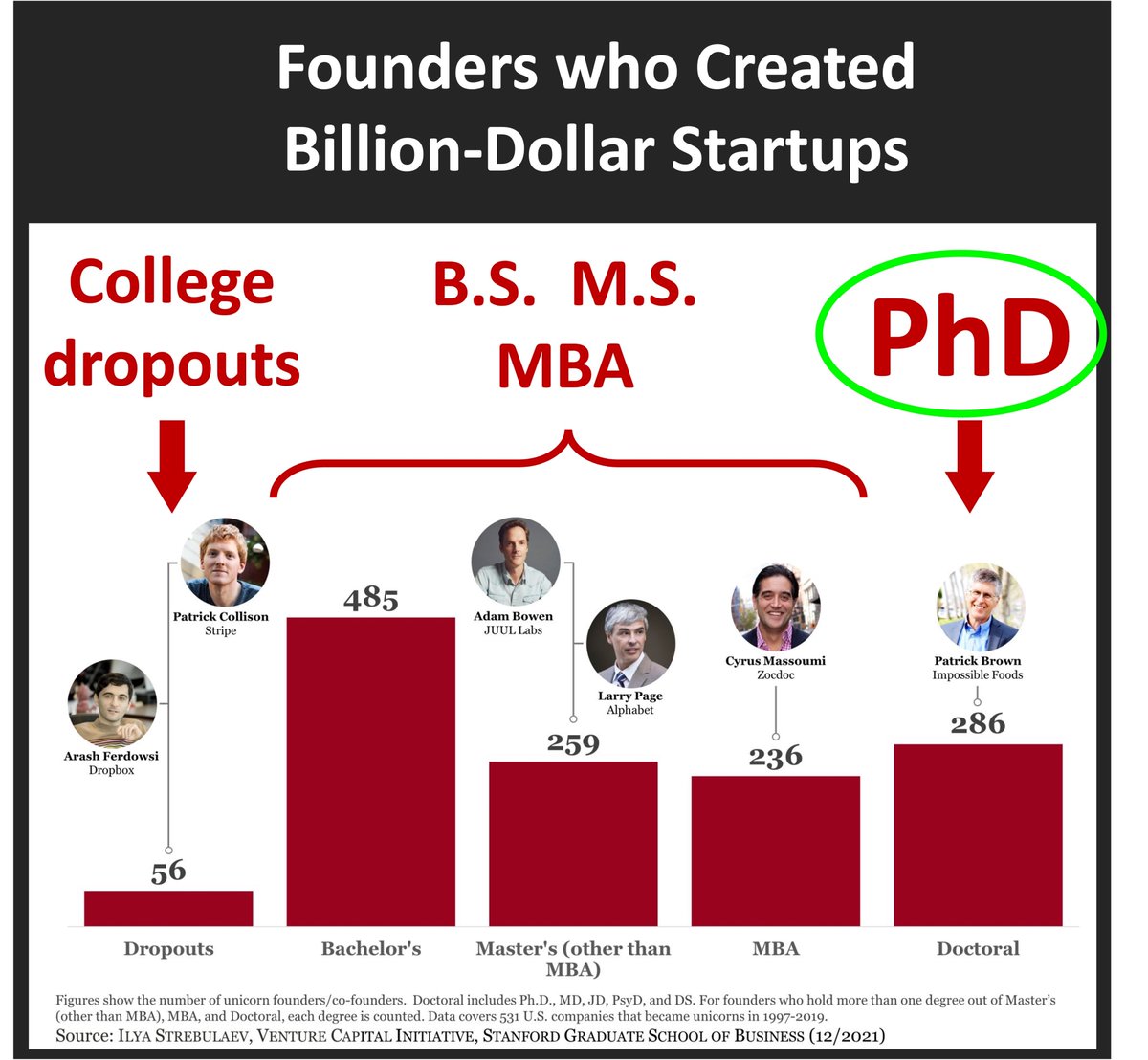
MYTH: Great founders drop out of college.
REALITY: PhD is a HUGE plus for a founder.
1⃣ If you look at this list:
- Mark Zuckerberg (co-founder of Facebook) dropped out of Harvard
- Travis Kalanick (co-founder of Uber) dropped out of UCLA
- Jan Koum (co-founder of WhatsApp) dropped out of San Jose State University
- Michael Dell (founder of Dell Tech.) dropped out of the University of Texas
- Larry Ellison (co-founder of Oracle) left UIUC
- Bill Gates (co-founder of Microsoft) dropped out of Harvard
- Evan Williams (co-founder of Twitter) left the University of Nebraska
- Steve Jobs (co-founder of Apple) dropped out of Reed College
You may think:
Being a dropout = Success as a founder?
“YES” - many young people think.
And yet - these are EXCEPTIONS.
The average age of a successful entrepreneur is 45.
2⃣ Dropouts are often very passionate.
But passion alone can’t turn your startup into a billion-dollar business.
What’s important:
- Your ability to correctly calculate risks
- Your ability to pivot your business fast and multiple times
- Your ability to hire, delegate and prioritize.
3⃣ These essential qualities come with experience.
This is why very young founders often fail.
This is why it may take a few failed startups to succeed.
This is why education is so IMPORTANT !
(especially for technical startups)
▫️
❗️ My advice:
Most students see PhD as just a stepping stone into academic or industry positions.
But I suggest viewing it as time for YOUR personal development.
It helps you build resilience, learn risk taking, and develop technical hyperfocus.
If you aim high, all of this is vital for big innovations.
▫️
p.s. Data in the image are from the amazing studies by the group of Ilya Strebulaev (@IlyaStrebulaev), a professor at Stanford Business School.
In @ElsevierConnect: “As strongly requested by the reviewers, here we cite some references [[35], [36], [37], [38], [39], [40], [41], [42], [43], [44], [45], [46], [47]] although … completely irrelevant to the present work�� https://t.co/qTkeMVF1OR CC @maoviedogarcia @GillesHub