Ever feel overwhelmed by the mountain of tasks that keep piling up? There is a particular kind of stress that comes from staring at a task list that is growing faster than you can clear it. You may start the day with good intentions, only to be pulled into urgent messages, unexpected requests, overdue decisions, and responsibilities that all seem to demand your attention at once. Before long, even simple tasks can begin to feel heavy. Whether you are managing your own workload or coordinating priorities for a team, that feeling of being behind can be discouraging, demotivating, and exhausting.
🌟 The good news is that progress does not always require working harder, longer, or faster. Often, it begins with learning how to decide what truly deserves your attention.
💡One simple and effective way to do this is by using the Eisenhower Time and Task Management tool, also known as the Eisenhower Matrix. This method helps separate tasks by urgency and importance so you can focus on what needs immediate action, schedule meaningful work for later, delegate what does not require your direct involvement, and remove distractions that add little value.
🔑 This video explains how to use the tool in a practical way so a daunting task list can become clearer, more manageable, and far less overwhelming.
👉🏻Share your thoughts in the comments—I’d love to hear how you approach time and task management. For more practical insights on project and product management, explore https://t.co/3fqLUDo1QR. And if you want to keep the conversation going, connect with me on social media so we can dive even deeper into these topics together.
#projectmanagement #productmanagement #eisenhower #taskmanagment #timemanagement #agile
The GROW model—representing Goal, Reality, Options, and (Will) Way Forward—offers a straightforward, structured approach to coaching.
Read the article here: https://t.co/8LcFjJCFiH
I’d love to hear your thoughts—how would you use this template in your coaching or project work? Share your ideas in the comments, and visit https://t.co/YwgIglffw2
for more practical articles, templates, and resources on project management.
#agile #projectmanagement #growmodel #growthmodel
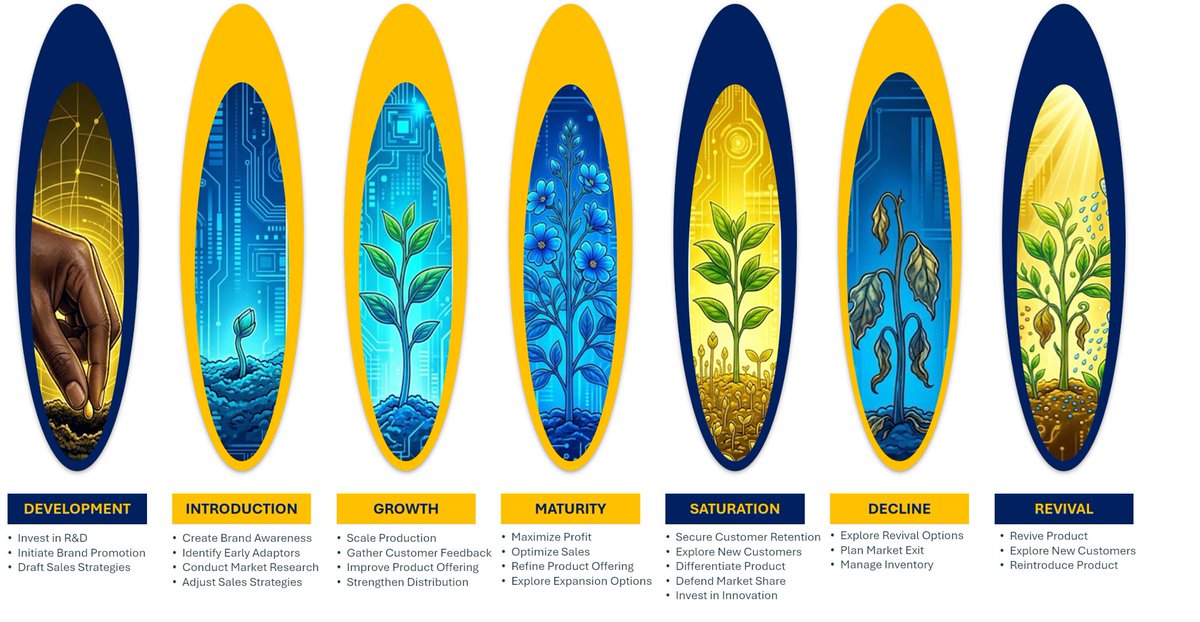
The Product Life Cycle (PLC) is a core concept in product management that describes the stages a product moves through, from launch to market exit. It provides a strategic view of product evolution and helps businesses track performance, sales, and market dynamics over time. With that understanding, product teams can adapt their marketing, pricing, product strategy, roadmap, and development decisions to meet audience needs at each stage.
Read the full article to learn what PLCM is, how each stage guides decisions, and how teams can plan and decide with clear strategies, and succeed with confidence.
The full article: https://t.co/HijKW2XKVG
Let me know what you think in the comments and show you plan to PLC in your project. Don’t forget to visit https://t.co/3fqLUDo1QR
Project teams and content creators fall into the same trap over and over again—misusing and misrepresenting frameworks, methodologies, tools, and techniques. And every time we blur those distinctions, we create confusion instead of clarity.
🌟While there are many product and project management frameworks and methodologies, this video focuses on and breaks down the core agile concepts every team should be able to distinguish with confidence.
📌Because if we expect to guide others with precision and intent, we must first use the right language ourselves. When these fundamentals are mislabeled or misrepresented, the impact is real: we don’t just confuse terminology; we confuse people. And that weakens communication, alignment, and the very practitioners we aim to empower.
🔑 Visit ganttpost.comto dive deeper, sharpen your understanding, and elevate the way you communicate about project and product management concepts.
👋 Share your thoughts in the comments—or continue the conversation on social media at @ganttpost.
Picture launching a product that meets every technical requirement and passes quality checks, only for it to fail to attract customer interest. This scenario is increasingly common as customers are selective and have many choices. Product managers often overlook the essential connection between output, outcome, and impact—what they deliver, the results achieved, and the lasting influence.
🌟 Organizations must be intentional about what they offer, prioritizing unique value and efficiency. Success is not just about producing goods or services. It is no longer enough to simply produce: Offerings must possess unique differentiators and, ideally, disrupt the status quo.
🎯 Read the full article on RBM in ganttpost: https://t.co/KmKmjrwHSy
💡How can you achieve this? RBM is a purposeful method for offering goods and services that yield meaningful results and positive impact. It transforms organizational practice by emphasizing clear, measurable outcomes instead of just activity completion.
RMB helps organizations understand how outputs, outcomes, and impact are linked. Identifying resources, tracking progress, and ensuring every action supports broader goals helps meet customer needs and create lasting results.
🔑What are the components of RBM?
· Input: What resources are used?
· Activities: What tasks are performed?
· Output: What is produced and delivered?
· Outcome: What is the expected change?
· Impact: What is the consequence?
🔑 RBM consists of the following phases:
· Planning
· Implementation
· Monitoring and Evaluation
· Learning and Adaptation
Share your thoughts in the comments—I’d love to hear how you approach product management using RBM. And if you want to keep the conversation going, connect with me on social media at @ganttpost so we can dive even deeper into these topics together.
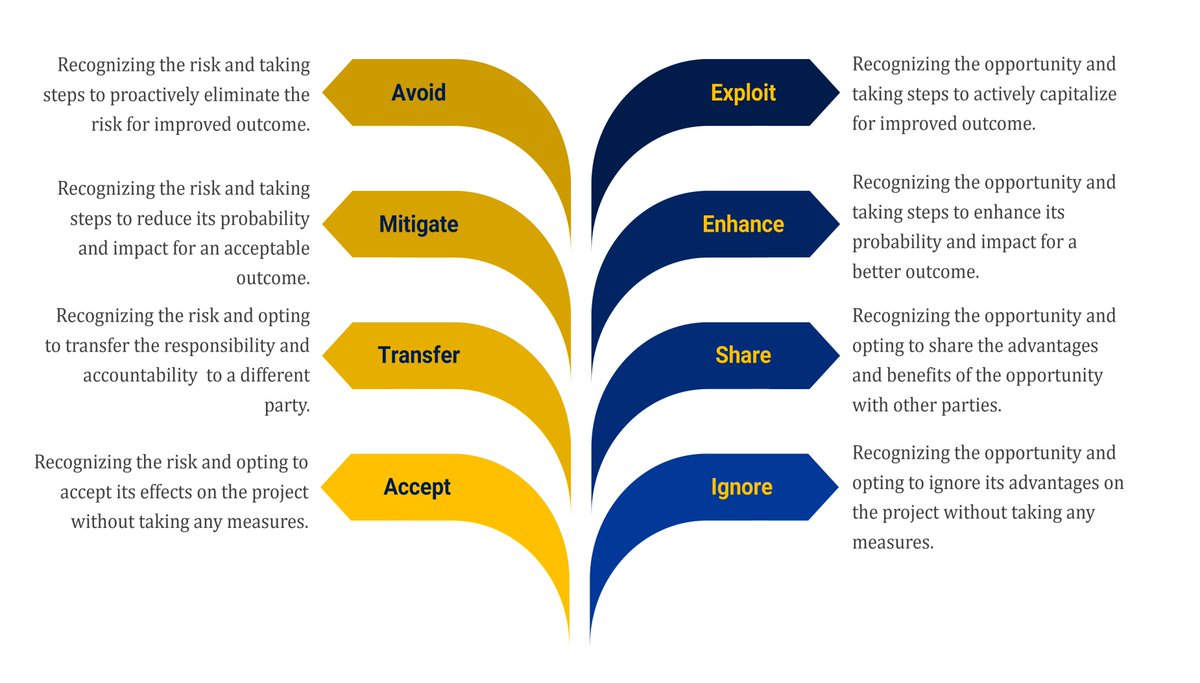
🌟 Project managers are brilliant at scanning the horizon for risks—budget overruns, shifting requirements, surprise dependencies. It’s second nature. But while we’re busy preparing for what might go wrong, the real game‑changers often pass quietly in the background.
💡But here’s the twist: while everyone is busy bracing for impact, countless opportunities—those unexpected efficiencies, insights, or advantages—drift by unnoticed. Yet these opportunities can redefine the trajectory of the project.
🎯Opportunity management isn’t just a “nice to have”; When project managers learn to manage opportunities with the same rigor they apply to risks, they shift from defensive coordination to strategic leadership. It’s a subtle but powerful mindset change that elevates project outcomes and energizes teams.
🔑 Want to explore how to build a stronger opportunity mindset or dive deeper into opportunity management strategy? Read the full article: https://t.co/iDTqlHWq0L
👉🏻Share your thoughts in the comments—I’d love to hear how you approach opportunity management. For more practical insights on project and product management, explore https://t.co/3fqLUDo1QR
. And if you want to keep the conversation going, connect with me on social media so we can dive even deeper into these topics together.
#risks #opportunities #risksandopportunities #riskmanagement #projectmanagement #opportunitymanagement
Imagine you’re a product owner responsible for making sure a product is usable. Do you know where to start?
Start by understanding the difference between acceptance criteria and the definition of done—and how each helps guide your delivery team with clarity.
Read the full article here: https://t.co/wPU0bYw7D7
I’d love to hear your take: how does your team define “ready”? Share your thoughts in the comments and let’s keep the conversation going.
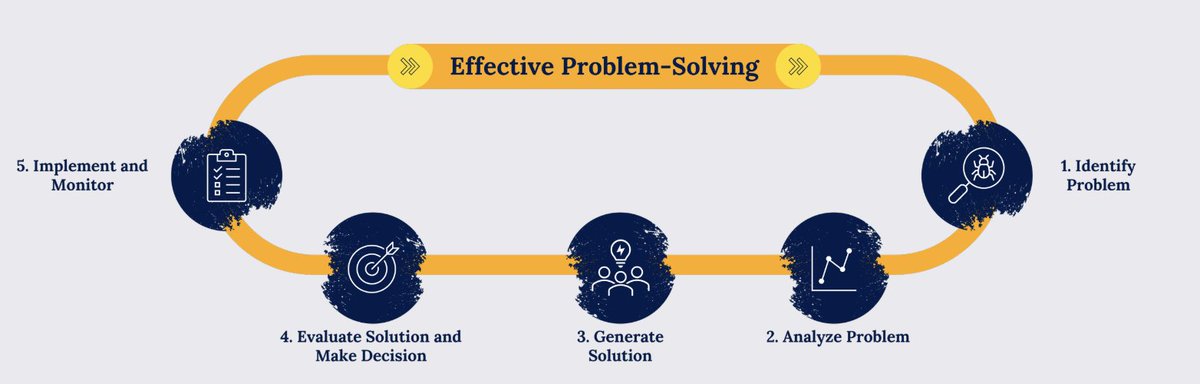
Have you ever faced a problem so tough you weren’t sure where to start or what approach would actually help? We all have—whether it’s a project that keeps veering off track, a personal challenge that refuses to budge, or a task so overwhelming it stops you in your tracks.
🔑 Here’s the good news: you’re not alone… and you’re not stuck. There are powerful, proven techniques that can turn even the toughest obstacles into clear, confident solutions.
🎁 In this article, we’ll explore problem‑solving strategies that help you break through roadblocks with clarity and creativity. You’ll discover how brainstorming can unlock ideas you didn’t know you had, how analytical methods reveal hidden issues beneath the surface, and how structured approaches can transform chaos into progress. These aren’t just tools—they’re mindsets that help you turn problems into opportunities for growth, innovation, and improvement. If you’re ready to elevate your problem‑solving skills—and maybe even start enjoying the challenge—this is your moment.
✨ Full Article: Effective Problem Solving https://t.co/tSRYugAggc
I invite you to read, reflect, and consider how these techniques can reshape your approach—helping you make smarter, data‑driven decisions grounded in clarity and analysis. I’d love to hear your thoughts and experiences.
For more product management insights, visit https://t.co/YwgIglffw2
#projectmanagement #problemsolving #agile
Are you a Product Owner working with your team to decide the next move for a product that is losing momentum? The signals may start quietly: demand begins to fade, customer objections grow sharper, usage patterns shift, and competitors gain ground. Then the pressure builds. Marketing wants a sharper message, sales needs a stronger reason to win, engineering needs direction, and leadership needs a decision before momentum slips further. You know there are several strategies to consider, and you know the right choice depends on the product’s life cycle stage. But when the stage is unclear and every path carries risk, choosing the next move can feel less like a routine decision and more like a defining moment for the product’s future. If you can relate, you are not alone!
These two articles are designed to help you understand the Product Life Cycle (PLC) and explore the strategies that can be applied at each stage. Together, they offer a practical way to pause, assess the product’s current stage, and choose the strategy that best fits where the product is today—and where it still has the potential to go.
Full article on PLC - https://t.co/HijKW2XKVG
Full article on PLC strategies - https://t.co/l4omSZ70FQ
I invite you to read the articles, reflect on how PLC management can shape stronger product decisions, and share how you have applied PLC thinking and aligned strategies in your own projects. I would love to hear your thoughts.
For more product management insights, visit GanttPost.
The Product Life Cycle (PLC) is a core concept in product management that describes the stages a product moves through, from launch to market exit. It provides a strategic view of product evolution and helps businesses track performance, sales, and market dynamics over time. With that understanding, product teams can adapt their marketing, pricing, product strategy, roadmap, and development decisions to meet audience needs at each stage.
Read the full article to learn what PLCM is, how each stage guides decisions, and how teams can plan and decide with clear strategies, and succeed with confidence.
The full article: https://t.co/HijKW2XKVG
Let me know what you think in the comments and show you plan to PLC in your project. Don’t forget to visit https://t.co/3fqLUDo1QR
Read the full articles:
Establishing a Risk Register: https://t.co/EuOansnXad
Key Steps for Resolving Risks: https://t.co/ET7v2jOwQ0
I’d love to hear your thoughts—share them in the comments, and don’t forget to follow me on social media (@ganttpost) and visit https://t.co/3fqLUDo1QR.
The GROW model—representing Goal, Reality, Options, and (Will) Way Forward—offers a straightforward, structured approach to coaching.
Read the article here: https://t.co/8LcFjJCFiH
I’d love to hear your thoughts—how would you use this template in your coaching or project work? Share your ideas in the comments, and visit https://t.co/YwgIglffw2
for more practical articles, templates, and resources on project management.
#agile #projectmanagement #growmodel #growthmodel
Ever find yourself lost in a sea of acronyms—BRD, FRD, PRD, TRD—and wondering which one actually matters for your project? Or maybe you’ve been handed the daunting task of figuring out exactly which requirements documents your project needs and where to even start. Don’t stress—this guide is your compass for navigating the requirements document maze.
https://t.co/iY88EHd0gP
I’m excited to share that I recently launched Gantt Post, a blog created to support new and emerging project managers and scrum masters as they build confidence, strengthen their skills, and navigate the day-to-day realities of leading work. The blog features practical articles, actionable guides, and soon, ready-to-use templates designed to make everyday project management tasks easier, clearer, and more effective. If you haven’t had a chance to visit yet, I’d love for you to check it out at https://t.co/YwgIglffw2 and follow along on the platforms below. Your support, feedback, and shares would mean a lot as I continue building this resource for the project management community.
- LinkedIn — https://t.co/vHmVUfbmyv
- Instagram — https://t.co/D1001l5sil New page — more content coming soon.
Value can be measured through both short-term outcomes and long-term impact. While outcomes show whether an immediate result was achieved, impact reveals whether that result contributes to long-term growth, strategy, and performance. For example, a new menu at a restaurant may produce an immediate outcome when customers leave satisfied after their meals. Its longer-term impact, however, may appear through five-star ratings, positive published reviews, and increases in repeat and new customers. Understanding the difference between outcomes and impact, and planning to strengthen both, is essential to long-term success.
Phase gates, whether used for project life cycle management or product life cycle management, are an effective way to pause and review successes, failures, opportunities, and risks. They also create a structured forum for sharing details with leadership, seeking guidance, making key decisions, and requesting needed resources. Whether a project follows a traditional waterfall model or an incremental, iterative Agile model, phase gates support the PDCA cycle and help keep the project on track.