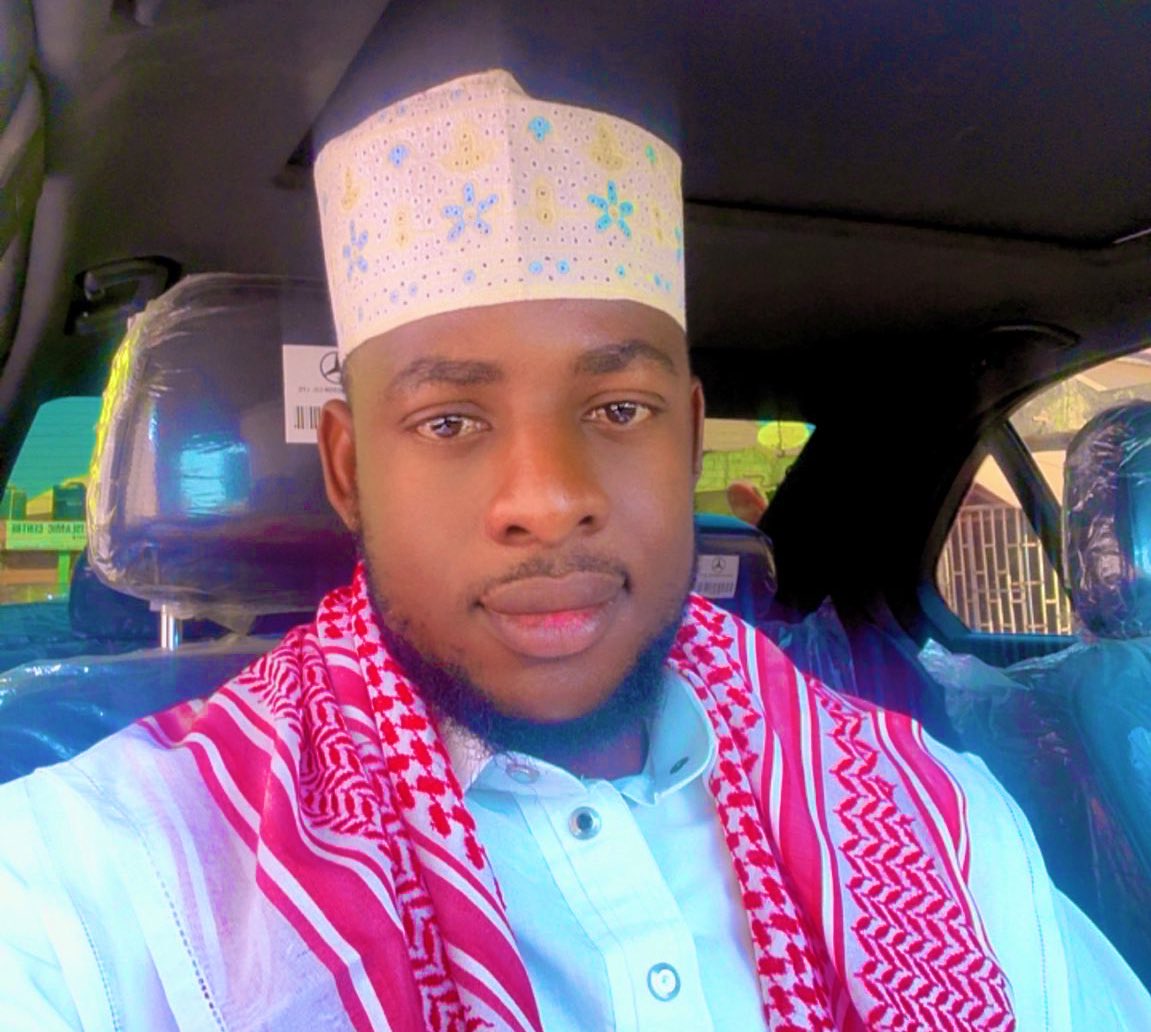
Amnesty International calls for the immediate and unconditional release of Abubakar @AbbakarAffan who was arbitrarily arrested by the DSS in Kaduna and denied access to lawyer and family. He has been in detention since 10 February 2026.
Widely known for his activism against the genocide in Gaza, there was no justification for the brazen and outright violation of his right to freedom of expression.
The consequences of persistent state repression by the DSS is that it creates a toxic climate of fear and self-censorship — depriving people of the right to freedom of expression.
Increasingly, Nigerians who use social media to comment on social and political issues face intimidation. Some have come under attacks and threats of arrest.
Using repressive tactics to control what Nigerians do or say on social media is a violation of human rights and undermines the rule of law.
The same person that served the Nigerian Army for more than 10 years was now detained and not allowed access to a lawyer...
Is this the Nigerian we called ours? @AbbakarAffan needs freedom.
#FreeAbuGaza@HQNigerianArmy@OfficialDSSNG
Just now, my attention was drawn to the disappearance of our brother, @AbbakarAffan, who was reportedly arrested by the DSS in Kaduna on February 10, 2026, over an allegation that has yet to be disclosed to any member of his family. His lawyers has also been denied access to him while in DSS custody for proper legal counsel and defense against whatever allegation may have led to his arrest.
According to my sources, he was arrested over a post he made online. It was further gathered that operatives later took him to his house, retrieved some posters of prime Minister of Israel, Benjamin Netanyahu (in the 2nd frame), and returned him to custody. This, as alleged, confirms that he was arrested by the operatives and is being detained without any formal legal proceedings.
𝗧𝗵𝗲 𝘃𝗲𝗿𝘀𝗲 𝗼𝗳 𝘁𝗵𝗲 𝗤𝘂𝗿𝗮𝗻 𝘁𝗵𝗮𝘁 𝗲𝘅𝗽𝗼𝘀𝗲𝘀 𝗮 𝗹𝗼𝘁 𝗼𝗳 𝗽𝗲𝗼𝗽𝗹𝗲'𝘀 𝗳𝗼𝗼𝗹𝗶𝘀𝗵𝗻𝗲𝘀𝘀
When a person is struck with hardship; illness, financial struggle, fear, loss, or helplessness, his heart naturally turns to Allah. In that moment, he remembers that only Allah controls outcomes, and he begs with sincerity, humility, and brokenness. His du’a becomes pure, his tears flow, his heart soft, because nothing else seems capable of saving him.
But when Allah, out of His mercy, removes the hardship and replaces it with comfort, wealth, ease and stability, many people quickly forget that the relief came from Allah. Instead of gratitude, they begin to attribute the success to their own intelligence, strategy, effort, and skill. They say:
“I worked hard.”
“My planning paid off.”
“I am smart and capable.”
They speak as though Allah had no role.
The same man who was once humbled by fear now becomes arrogant in comfort.
The Qur’an describes this as a form of foolishness because:
1. Hardship revealed the truth; that man is weak and in need of Allah.
2. Ease exposed the illusion; that man thinks he is independent and self-made.
Allah is teaching us that the real test is not only in difficulty, but even more in times of abundance.
Hardship pushes you to Allah.
Ease reveals if you will remain with Him.
The wise believer understands this, so when ease comes, he increases in humility, shukr (gratitude), sadaqah, and remembrance. He says:
“This is from the grace and mercy of my Lord.
Without Him, I can achieve nothing.”
But the foolish person lets his ego grow, forgets the One who answered him, and walks the earth as though he owns it.
The verse exposes how quickly man forgets his dependence on Allah, mistaking divine mercy for personal brilliance. True faith is proven not in how we call upon Allah during hardship, but in how we remember Him and show gratitude when the hardship is gone.