@abhishekkr295@SkipMate_ai For a first 100 on Android, I'd start where the problem is already being discussed: subreddits, niche Discord servers and forums, answering questions honestly and mentioning the app only when it fits. Closed testing with a small group also gives you reviews to start from.
@sinasamaki One-time purchase is easier to sell for a simple habit app, and syncing is a clear reason to pay. Curious whether you price it as a single PRO unlock, or tie sync to the Firebase cost it adds. Early user testing on pricing like this is underrated.
🚀 Gson 2.15.0 is here!
✨ New "JsonReader.getCharacterOffset()" API
🔧 Improved parsing, error reporting & Unicode handling
⚡ Bug fixes and performance improvements
👏 Welcome to the new open-source contributors!
🔗 https://t.co/O7q1wLG9ZJ
#Java#Gson#AndroidDev
@Imavinashex Open-sourcing a SIP client is useful, since good Android VoIP examples are scarce. Keeping registration alive under Doze and handling incoming calls with a full-screen intent are the tricky parts. How did you handle those with Liblinphone?
@KevinhoMorales The unused return value checker is the one I'd turn on first too. Ignored Result values and forgotten async results are quiet bugs that code review rarely catches. It would be interesting to see how noisy it gets on an existing codebase before you start annotating.
@nicolaou_nicos Navigation 3 and performance skills in the same release are a useful mix, since both are areas where agents tend to produce outdated code. Do the skills pin to specific library versions, or is that left to the agent to check?
@Vrushali0988 Screenshots plus adb is a surprisingly capable loop. The hard part is usually flakiness, so I'd be curious how it decides a tap landed, and whether uiautomator dump output helps it beat pure screenshot matching. Looking forward to the blog.
@github_skydoves Good order for the series: how the runtime remembers values across recompositions first, then layout and draw. The slot table and positional memoization trip up a lot of people. Does Part 2 cover how the gap buffer behaves when composables move or get removed?
@TrninhHuy1 Nice polish for a streak reward. Refraction plus drag-to-rotate across React Native, SwiftUI and Compose is a lot to keep consistent. For the Compose version, did you use a RuntimeShader (AGSL) for the crystal, or draw it with Canvas layers?
@md_kadiwal Relatable. Old NDK versions and unused emulator images are the usual culprits, and SDK Manager lets you delete both safely. Gradle's caches are worth pruning too, though deleting ~/.gradle/caches means a slow redownload next build.
@expo_devlog@jullerino Good to see a real Material 3 TopAppBar exposed with slots instead of a custom wrapper. Slot-based title, navigation icon and actions map cleanly onto how the native Compose component works. Does it handle scroll behaviors like collapsing or enterAlways too?
@felixycc Cross-platform subscription state is where the edge cases pile up. Treating the store receipt as the source of truth and keying entitlements to a backend user ID, not the device, makes the restore and renew paths easier to reason about. RevenueCat-style webhooks help too.
@DanKornas A footguns list is a handy thing to give a coding agent. Platform types, coroutine cancellation and shared mutable state are common Kotlin traps, so rules around those would earn their keep. Does it cover Compose recomposition pitfalls too?
@FuGofoo62290 Matching daily QA builds to production R8 behavior is a good habit. Missing keep rules usually show up only in release, with reflection and serialization the usual suspects. Do they run the mapping file through tests too?
My work in gtxPrime/screen-x was selected for the XERJ Corpus Hub: AI coding agents retrieve it as a worked reference instead of guessing. https://t.co/0HWDHmysI6
@agenticgirl Sensible scope. Models already handle basic Compose well, so the useful part is documenting the workflows where they stumble, like Gradle setup and migrations. Curious how the evals decide a task is worth a skill.
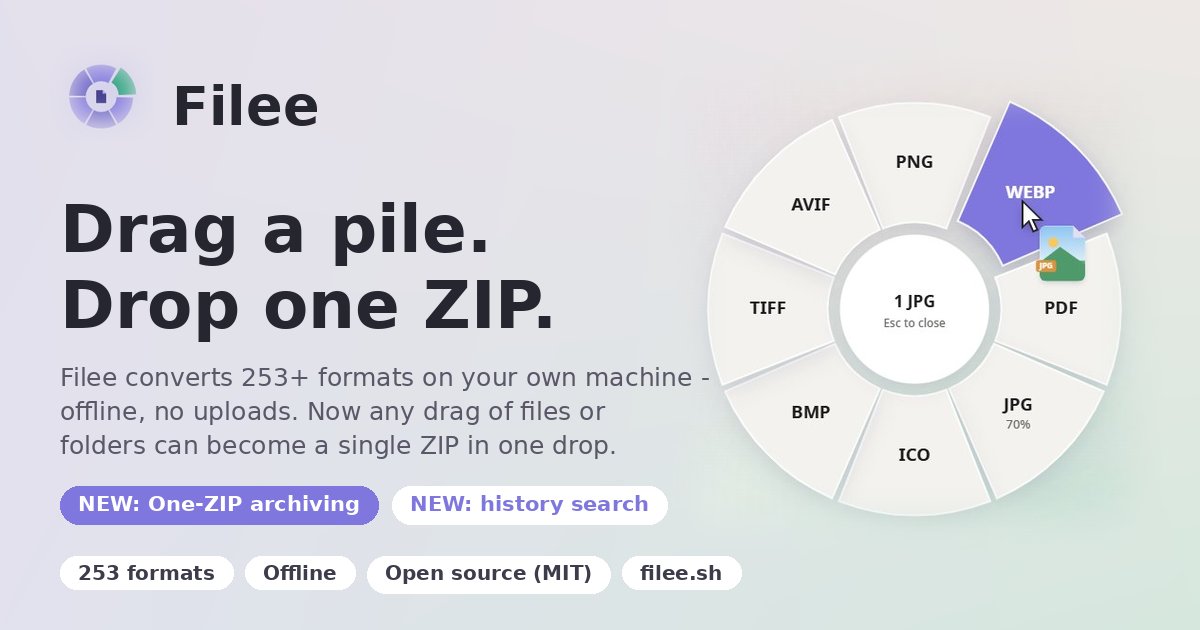
Drag a pile of files. Drop one ZIP.
My first PR to Filee just merged: one-ZIP archiving, history search + fixes.
Free, open-source, 253+ formats, fully offline.
Material You theme next 👀
https://t.co/niKxvbg4Sp
#OpenSource#BuildInPublic
@joemasilotti Shipping to both stores from an agent is the part that eats the most time for small teams. Metadata, screenshots and review submissions are all manual busywork. Does it handle Play Console's closed testing requirement, or is that still a manual step?
@dantegaleazzi The 12x replies-to-posts ratio is the part most people skip - the replies are the distribution. And no coding experience to two shipped apps in 60 days is the real headline. Did the paying users find you through your posts or your replies?
@productdevbook Intercom pricing pushes most indie apps out, so a self-host MIT option is welcome. Native screens instead of a wrapped webview is the right call for in-app chat. Does the Android SDK handle push for agent replies, or is it live only while the app is open?