On behalf of the people of the Republic of Somaliland, we extend our deepest condolences to the Government and people of Ethiopia following the tragic floods and landslides.
Our thoughts and prayers are with the families who lost their loved ones, and we wish a swift recovery...
ISRAEL OPENS A NEW FRONT — ECONOMIC DIPLOMACY
After Israel recognized Somaliland, Israeli companies moved fast.
According to i24NEWS, two firms are leading entry into the Somaliland market:
• VisiRight – Remote inspection and security tech used at ports, borders, and critical infrastructure worldwide.
• Amore Capital – International investment and advisory firm focused on infrastructure and emerging markets.
Stay connected, follow @MOSSADil
As a Muslim, I question who appointed Arabs and Turks as the authorities over Islam. Where is it stated or taught that jihad should be directed against Jews?🤔
The African Union Knew the Truth About Somaliland—And Chose Silence
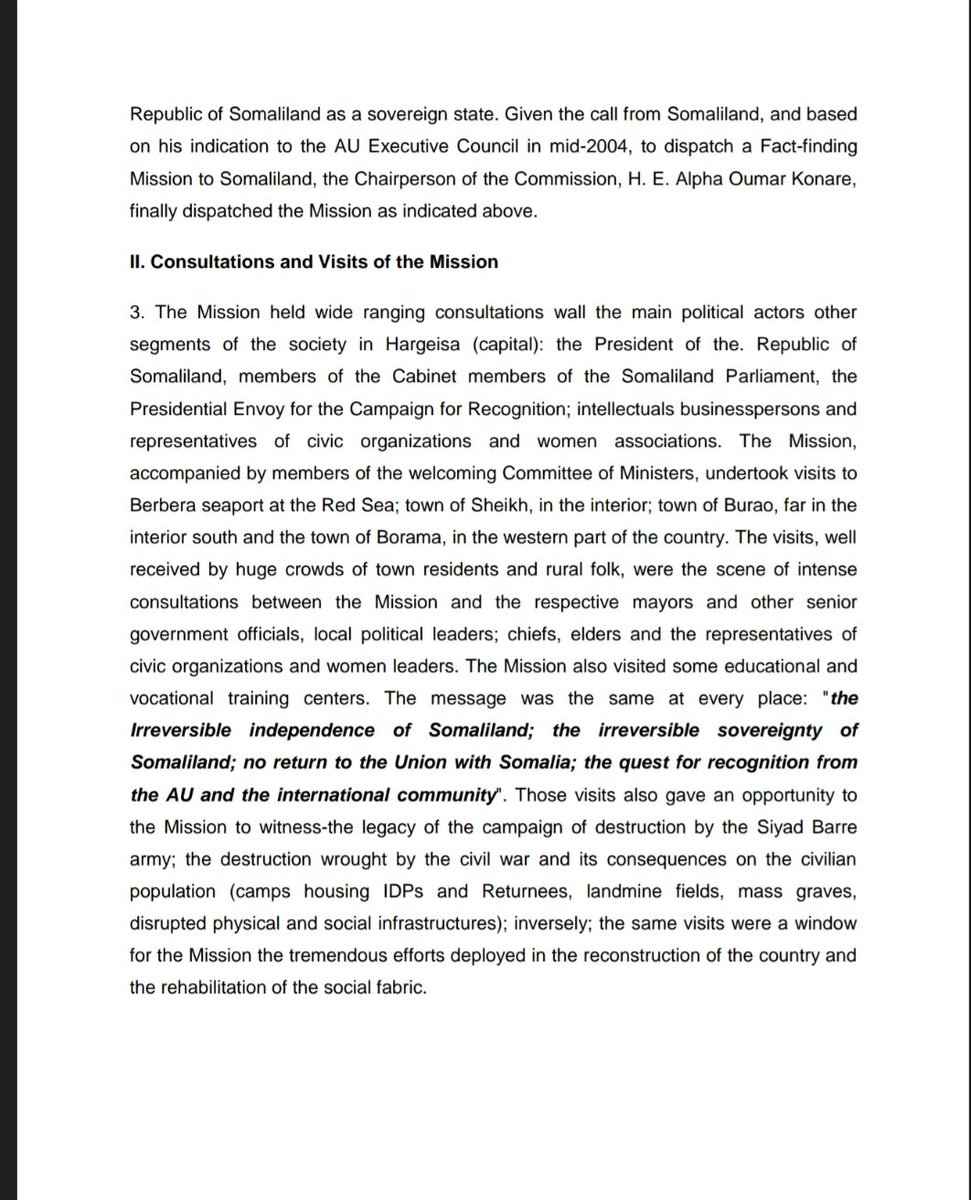
In 2005, the African Union did something rare and commendable: it told the truth. After a comprehensive fact-finding mission to Somaliland, led by the Deputy Chairperson of the AU Commission and senior political, security, and humanitarian officials, the Union reached conclusions that were clear, evidence-based, and unambiguous. Somaliland, the AU acknowledged, possesses all the attributes of an independent sovereign state. Its independence is irreversible. Its union with Somalia was never legally ratified. Its people categorically reject a return to Mogadishu’s rule. And its case is historically unique in Africa.
And then—nothing happened.
For nearly two decades, the AU has suppressed its own findings due to political caution, regional pressure, and institutional inertia. The result is one of the most glaring contradictions in modern African diplomacy: an organisation that documented the facts, recognised the law, acknowledged the morality of the case, yet refused to act.
The 2005 AU Fact-Finding Mission is devastating to the argument against Somaliland’s recognition. It confirms that Somaliland reclaimed, rather than seceded from, sovereignty. It restored the borders it inherited at independence in June 1960, in full compliance with the AU’s sacred principle of uti possidetis juris. This was not a reckless redrawing of Africa’s map; it was a return to a legally established one.
The Mission went further. It rejected the notion that recognising Somaliland would “open Pandora’s box.” On the contrary, it explicitly stated that Somaliland’s case should be treated through a special mechanism, precisely because it does not fit the conventional narrative of secession. Few African political claims have ever been so carefully distinguished—and so thoroughly ignored.
Morally, the AU report is even more compelling. It documents mass destruction, mass graves, displacement, and the systematic devastation inflicted by the Siad Barre regime. It recognises that the union between Somaliland and Somalia did not merely malfunction—it collapsed catastrophically, exacting an enormous human cost. In international law, this is the textbook foundation of remedial self-determination: when a people withdraw consent from a union that has become violent, illegitimate, and irreparable.
Politically, Somaliland has achieved what the international community has endlessly demanded of fragile states. It disarmed itself without foreign armies. It was reconciled through indigenous mechanisms. It wrote a constitution through grassroots consultation and ratified it by referendum. It held elections, sustained pluralism, balanced modern governance with traditional authority, and kept peace in one of the world’s most volatile regions—without recognition, without significant aid, and without excuses.
And yet, Somaliland was labelled a “pariah region by default,” not because it failed, but because it succeeded outside the script.
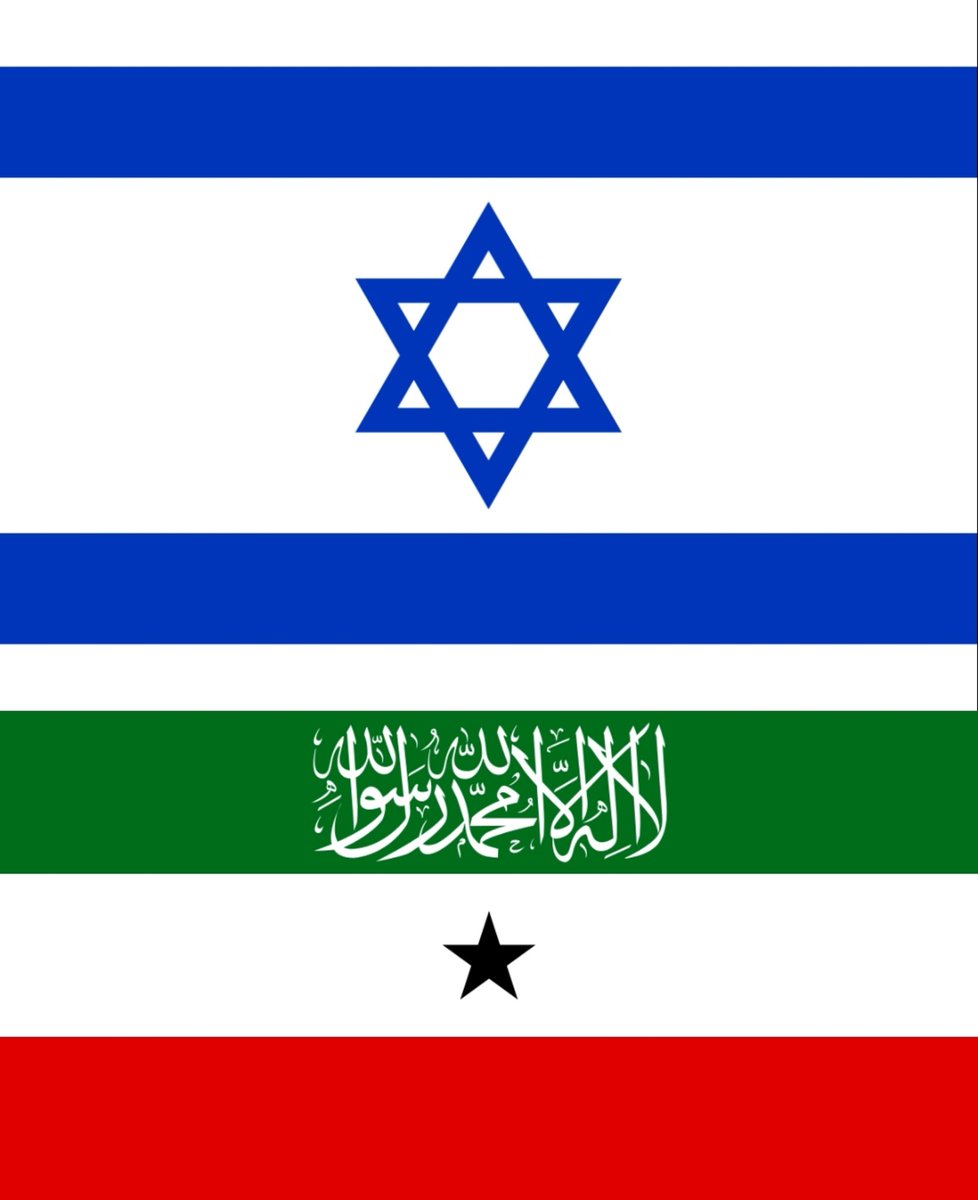
This is why Israel’s recognition of Somaliland matters far beyond bilateral diplomacy. It did not invent a new narrative; it acknowledged an old and documented one. Israel did what the African Union has refused to do since 2005: align policy with evidence. It treated Somaliland not as a political inconvenience, but as a political reality.
The real threat to Africa is not Somaliland’s recognition. It is the normalisation of institutional dishonesty—where facts are acknowledged internally and denied publicly; where justice is postponed indefinitely in the name of “stability”; where law is subordinated to lobbying by neighbouring states with strategic or economic anxieties.
If the African Union is serious about African solutions to African problems, it must confront its own record. The Somaliland question is no longer a matter of information. The AU has already investigated, assessed, and reached a conclusion. What remains missing is courage.
@gidonsaar@Osint613
Estados Unidos, Reino Unido, Emiratos Árabes y otros países se preparan para reconocer oficialmente a Somalilandia que será un estado anti-islamismo radical y que hará parte de los Acuerdos de Abraham.
Además, por su ubicación geográfica, será clave en la lucha contra la piratería marina y ayudará a mantener la paz en Medio Oriente.
Somaliland: 6 presidential transitions since 1991, with regular democratic elections and smooth power handovers
Palestinian Authority: 2 leaders since the 90s, no presidential election in 20 years
Yet the Palestinian authority is preaching us about the well of the people
The top 3 arguments for Somaliland:
1) It drives Ilhan Omar and other terrible people crazy and I really enjoy that.
2) Somaliland has been effectively independent since 1991 after Ilhan Omar's father tried to genocide them all and failed.
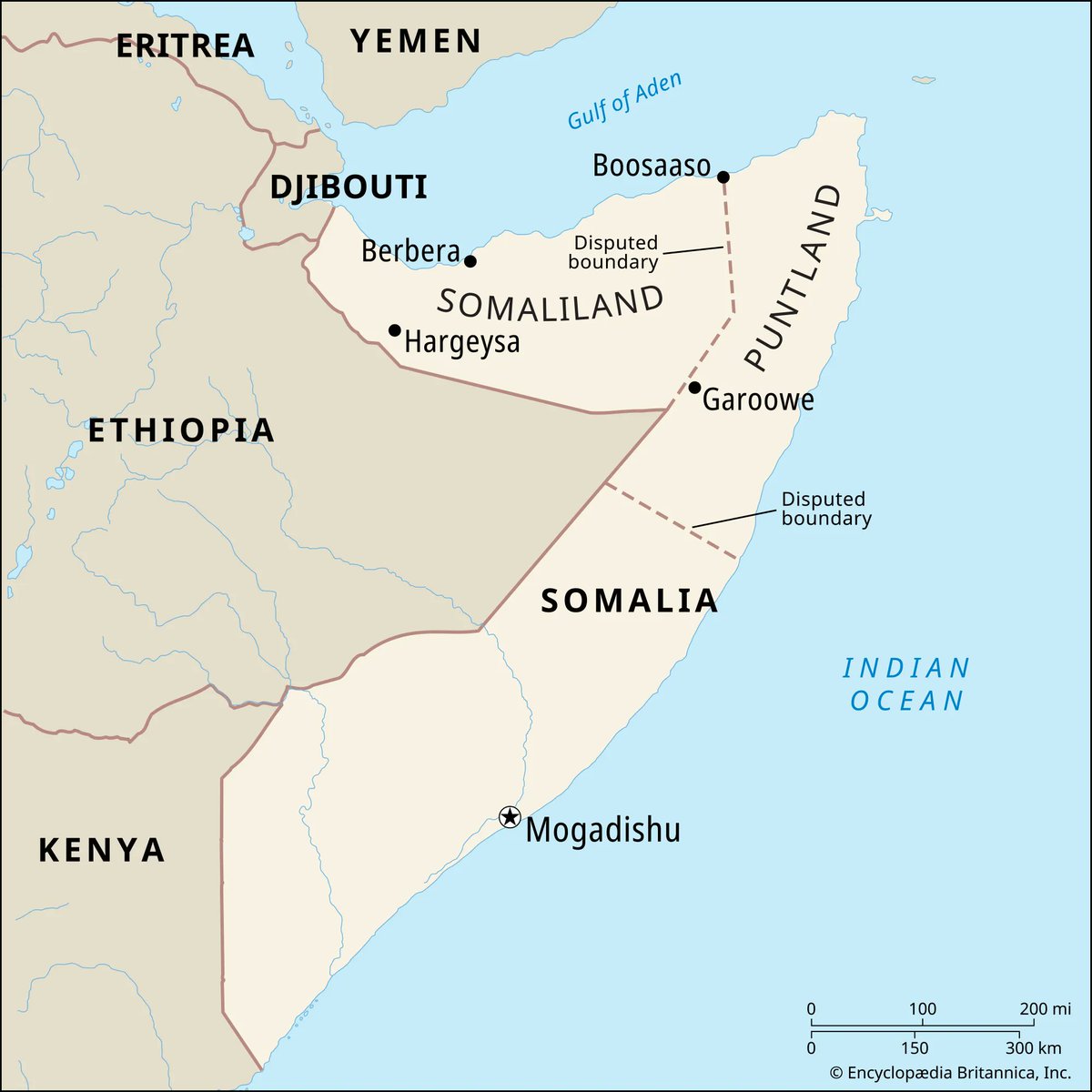
One of the chief arguments against separatism is that it can turn the region into Somalia, but Somalia is already Somalia and Somaliland is functioning much better than it's hostile neighbour for decades now.
3) It will prevent the wider war in East Africa that bubbles up every decade or so and kills millions.
Look at Ethiopia, it is landlocked. It wasn't always that way but the Cold War and various ethnic conflicts created Eritrea (black North Korea) and for a variety of reasons, including a few wars the two nations, they will not cooperate.
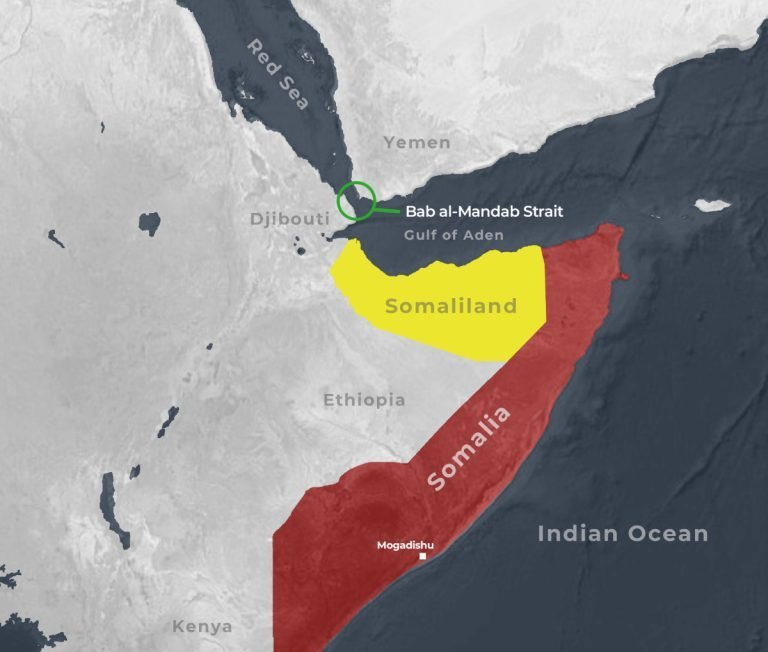
You are Ethiopia, you need access to a port or else your economy collapses and millions will die as society falls apart rapidly. So currently over 95% of your goods travel trough Djibouti which brings its own problems as that isn't the most functional country either making trade through there volatile.
This is why Ethiopia will do anything to get a viable stable port, including war. However, much better for everyone involved is a stable country on the ocean right on Ethiopia's border willing to honour a free trade agreement, and oh look one just popped up!
This has the potential to makes Ethiopia and Somaliland much richer, benefiting the entire region and eliminating one of the primary causes of the conflict in East Africa over the last century.
🚨🇺🇸🇮🇱🌐 | #URGENTE Se reporta que Estados Unidos, Israel y más de 20 países se preparan para reconocer oficialmente al nuevo país Somalilandia, un estado anti-islamismo radical independizado de Somalia que se sumaría a los Acuerdos de Abraham, que buscan garantizar la paz en Medio Oriente.
في ناس بتتكلم عن "مقاومة" وفي ناس بتبني واقع جديد.
إسرائيل تعترف بأرض الصومال كدولة مستقلة - خطوة غيرت قواعد اللعبة.
تركيا تبني قواعد عسكرية بالصومال، وفي المقابل إسرائيل تبني تحالفات حقيقية وتقصقص أجنحة الطامعين في القرن الإفريقي.
هذا الفرق بين اللي بيحلم بالخلافة… وبين اللي بيصنع حقائق.
واللي مش عاجبه يرقص حواجبه...
Some talk about “resistance”… others build a new reality.
Israel just recognized Somaliland as an independent state - a move that changed the rules of the game.
While Turkey is busy building military bases in Somalia, Israel is forging real alliances cutting the wings of those seeking dominance in the Horn of Africa.
That’s the difference between dreaming of a caliphate… and creating facts on the ground.
Don’t like it? Go throw a tantrum - we’re moving forward anyway...
🇦🇪 UAE's port strategy in the Red Sea, is directly linked to the current geopolitical situation in the region.
🇪🇹 Ethiopia is heavily dependent to this, as it seeks access to the open sea.
⚓️Berbera port is a vital asset for this strategy
#Somaliland#Geopolítica
Israel's envoy to UN, Danon:
'When the Somali regime, led by Siad Barre, committed a massacre against the people of Somaliland, the world was silent. But Israel was not silent. In 1990, Israel’s then-ambassador to the UN, Yohanan Bein, sent a letter to the UN Security Council warning about the massacre committed by Somalia in the city of Hargeisa. Even when it was inconvenient and diplomatically costly, Israel chose what was right. That is what moral leadership looks like.'