🇻🇪 URGENTE: Una persona afirma en un live de TikTok estar atrapada junto a su hijo bajo escombros en el edificio Villa Mar, La Guaira, en el primer piso.
Piden difusión para que puedan ser rescatados. 🙏
@rawsalerts I am a meteorologist.
This is nothing for other meteorologists to sensationalize about.
We have had strong El Niños before. In some cases, it means less extreme weather. Should help alleviate drought in the U.S. and reduce Atlantic hurricane season storm counts / severity.
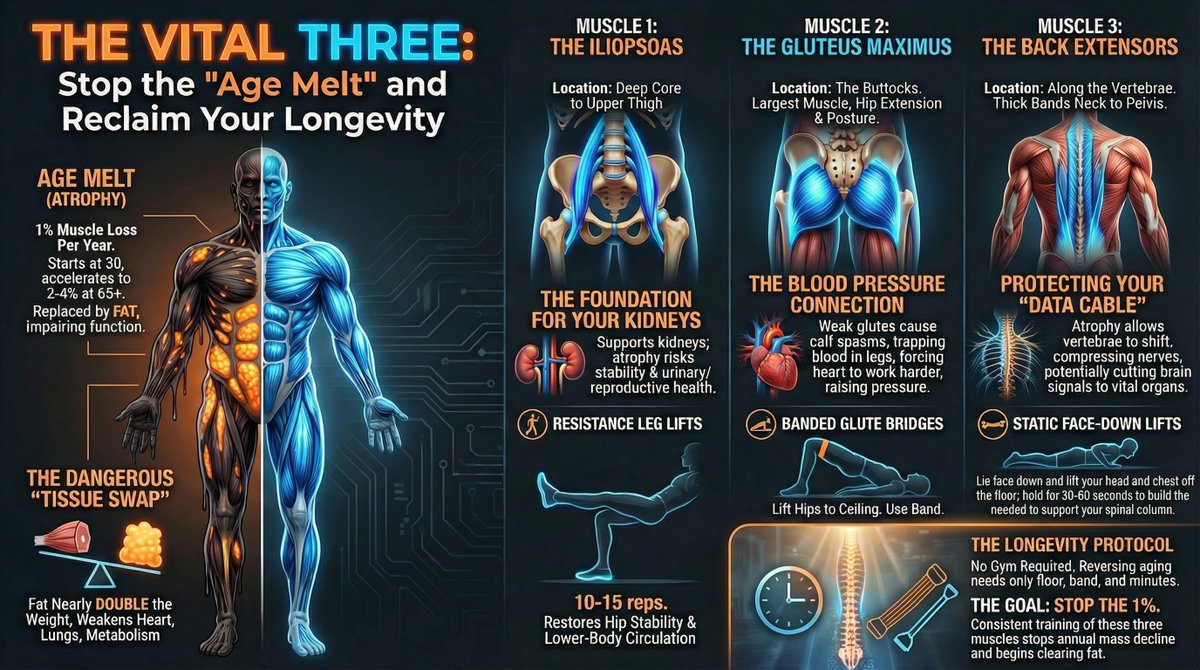
THREE MUSCLES YOU NEED TO TRAIN BEFORE IT'S TOO LATE
Your body starts betraying you at 30. Not gradually. Not eventually. At 30.
One percent of your muscle mass disappears every year after that birthday. Twenty percent gone by 50. Then the real collapse begins. Two to four percent annual losses. By 65, you've shed 15 kilograms of muscle and gained 40 kilograms of fat to fill the void.
This isn't about vanity. Your cardiovascular system runs on muscle. Your respiratory system needs muscle to expand your ribcage. Blood vessels maintain tone through smooth muscle.
When muscle atrophies, blood pressure rises because venous outflow slows. Your organs sink into dysfunction because the muscular scaffolding holding them in place weakens.
The process starts in three specific muscles. Everything else follows.
THE ILIOPSOAS
This muscle lives deep inside your torso, thick as your wrist, running from your spine to your femur. It stabilizes your lumbar spine. It fires when you walk, lift your leg, bend forward. Nearly every movement below your ribcage involves it.
Modern life keeps it shortened. Sitting compresses it for 12 hours daily. Poor blood supply leads to venous congestion. The muscle becomes fibrotic, tight, prone to injury.
Blood vessels and nerve bundles pass directly through it on their way to your legs. When it malfunctions, leg weakness follows.
The Chinese wrote about this centuries ago. Old age starts in the legs, they said. We ignored them.
The iliopsoas forms the bed where your kidneys rest in their fat capsules. When it atrophies, kidney position becomes unstable. Function deteriorates. The urinary system connects to the reproductive system. Prostate problems in men often trace back to this muscular failure.
Training it requires hip flexion under load. Resistance bands work. Stand upright, band around one ankle, lift the knee forward against resistance. Ten reps, both sides.
If your lower back strains, lean forward slightly while performing the movement. Advanced version requires no support, just controlled lifting and lowering.
Lying variations work during rest periods. Legs together, lift one leg vertical, lower it without touching down. Ten reps. Harder version puts legs wider apart. Hardest version stacks one leg atop the other for additional weight.
The muscle also shortens, requiring stretches. Lunge position, back knee down, push hips forward. Hold two seconds, release. Progress to deeper lunges as flexibility improves. Wall version allows more aggressive stretching by using body weight.
THE GLUTEUS MAXIMUS
You sit on it all day. Twelve hours of compression in darkness, inside layers of fabric, blood flow restricted. The muscle was designed for constant stress and growth. Instead it receives constant pressure and atrophy.
When it fails, your back hurts. Every forward bend requires glute engagement. Your legs compensate poorly. The soleus muscle in your calf goes into permanent spasm trying to stabilize what the glutes should handle.
This spasm disrupts venous return from the legs. Blood pools. Overall blood pressure increases systemically.
Weak glutes cause hypertension. The connection isn't obvious until you see it.
Hip extension exercises target it directly. Glute bridges with resistance bands across your hips. Lift, hold, lower. Variations include pausing at the top, pulsing, or bringing knees together and apart while elevated. Dynamic versions for warmup, slow controlled versions for strength.
Side-lying leg lifts hit the gluteus medius. Leg slightly forward, lift and lower. Add backward movement for variety. Ankle weights increase difficulty.
Resistance band work while standing targets both glute and hip extensors simultaneously. Band around ankles, push one leg back at 45 degrees. The movement must be controlled, not ballistic.
This exercise:
1. Trains the abdominal muscles
2. Trains the gluteus
It is a great exercise for exactly this.
What I do personally is I have a 32 kg heavy kettlebell in my office. Essentially, almost every time I stand up or pass the kettlebell, I will quickly do 10-20 one-arm swings.
THE BACK EXTENSORS
MRI scans reveal the disaster clearly. Cross-sections show vertebrae surrounded by thin films of muscle tissue floating in fat. Marbled fat, not marbled beef. Just adipose tissue with occasional muscle fibers scattered through it.
This is collapse waiting to happen.
The spine is the container for your spinal cord. Every nerve connection between brain and body passes through it. One pinched nerve eliminates control over whatever that nerve innervates. Breathing, heart function, limb movement all depend on uncompressed nerve pathways.
Fat cannot stabilize a spine. At best you can lie motionless. Maybe prop your head up to look at your phone.
Static holds train these muscles effectively. Prone position, hands on your glutes, lift your head and chest. Look down to avoid neck strain. Hold 30 seconds. If legs lift slightly, allow it. The burn in your back extensors indicates proper engagement.
Progression involves hand position. Hands on glutes is easiest. Hands behind head is intermediate. Arms extended forward is advanced. Hardest version keeps arms extended without touching the ground.
Adding movement during the hold makes it sustainable. Small rowing motions with arms while maintaining the elevated position. This breaks up the static hold without losing tension.
Aim for one minute holds. Start with 10 seconds if necessary. The muscle adapts quickly when trained consistently.
IMPLEMENTATION
These three muscles atrophy first. Their weakness cascades into systemic dysfunction. Blood pressure rises. Organ position destabilizes. Nerve compression increases. Movement becomes painful, then impossible.
Training them reverses the process. Not just halts it. Reverses it.
Muscle tissue responds to stress by growing. Even at 65. Even after decades of atrophy. The body retains its capacity to adapt. You just have to provide the stimulus.
Resistance bands cost nothing. Bodyweight exercises require no equipment. The movements take 15 minutes daily. Maybe 20 if you're thorough.
The alternative is continued deterioration. More fat, less muscle, higher blood pressure, weaker organs, compressed nerves. That's the default trajectory after 30.
Or you train these three muscles and stop the cascade.
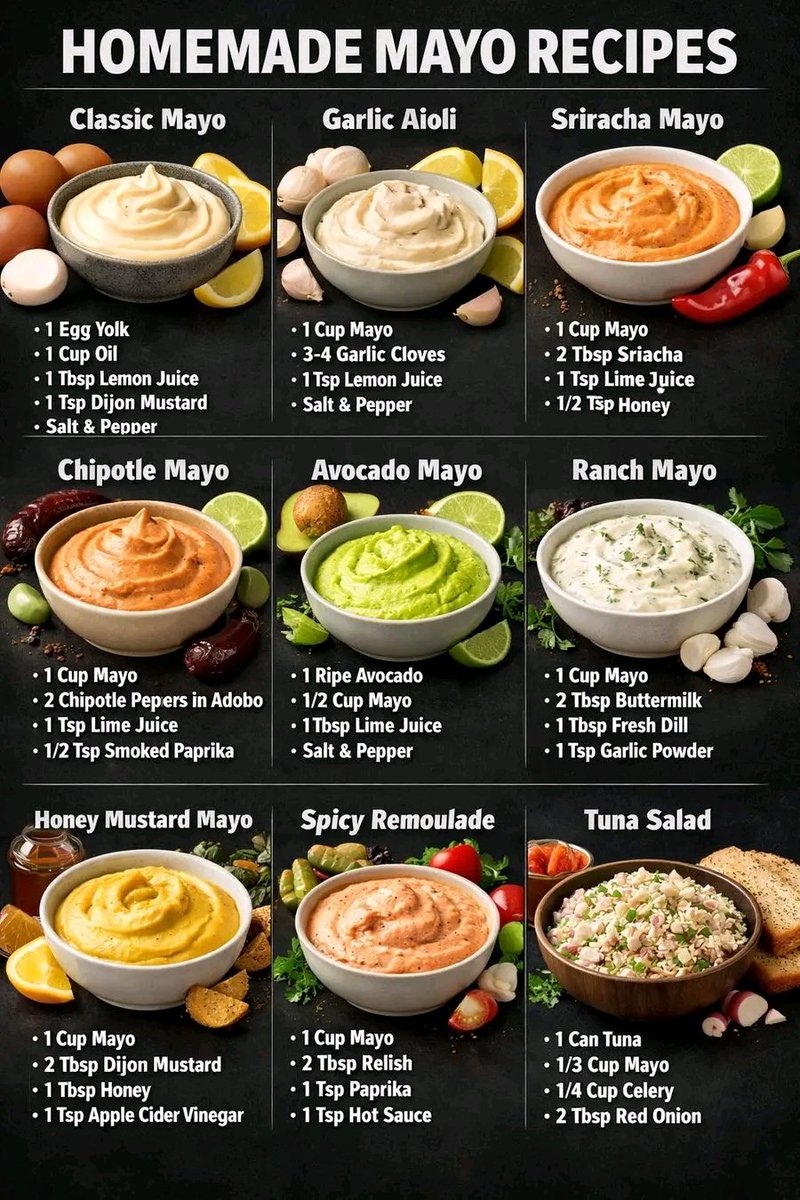
1) Classic Homemade Mayo
Ingredients:
• 1 Egg yolk (room temperature)
• 1 Cup neutral oil (sunflower/vegetable oil)
• 1 Tbsp Lemon juice
• 1 Tsp Dijon mustard
• Salt & pepper to taste
Instructions:
1. In a bowl, whisk egg yolk and Dijon mustard until smooth.
2. Slowly add oil drop by drop while whisking continuously.
3. Once it thickens, pour oil in a thin steady stream.
4. Add lemon juice, salt, and pepper.
5. Mix until creamy and smooth. Refrigerate.
2) Garlic Aioli
Ingredients:
• 1 Cup prepared mayo
• 3–4 Garlic cloves (minced or paste)
• 1 Tsp Lemon juice
• Salt & pepper
Instructions:
1. Mix mayo and minced garlic in a bowl.
2. Add lemon juice, salt, and pepper.
3. Stir well and refrigerate for at least 30 minutes before serving.
3) Sriracha Mayo
Ingredients:
• 1 Cup mayo
• 2 Tbsp Sriracha sauce
• 1 Tsp Lime juice
• ½ Tsp Honey
Instructions:
1. Combine mayo and Sriracha in a bowl.
2. Add lime juice and honey.
3. Mix until smooth and creamy.
4. Adjust spice level as desired.
4) Chipotle Mayo
Ingredients:
• 1 Cup mayo
• 2 Chipotle peppers in adobo (finely chopped)
• 1 Tsp Lime juice
• ½ Tsp Smoked paprika
Instructions:
1. Blend chipotle peppers into a paste.
2. Mix with mayo.
3. Add lime juice and smoked paprika.
4. Stir until evenly combined.
5) Avocado Mayo
Ingredients:
• 1 Ripe avocado
• ½ Cup mayo
• 1 Tbsp Lime juice
• Salt & pepper
Instructions:
1. Mash avocado until smooth.
2. Add mayo and lime juice.
3. Mix until creamy.
4. Season with salt and pepper.
6) Ranch Mayo
Ingredients:
• 1 Cup mayo
• 2 Tbsp Buttermilk
• 1 Tbsp Fresh dill (chopped)
• 1 Tsp Garlic powder
• Salt & pepper
Instructions:
1. Combine mayo and buttermilk.
2. Add dill and garlic powder.
3. Mix well until smooth.
4. Chill before serving.
7) Honey Mustard Mayo
Ingredients:
• 1 Cup mayo
• 2 Tbsp Dijon mustard
• 1 Tbsp Honey
• 1 Tsp Apple cider vinegar
Instructions:
1. Mix mayo and Dijon mustard.
2. Add honey and vinegar.
3. Stir until creamy and smooth.
😎 Spicy Remoulade
Ingredients:
• 1 Cup mayo
• 2 Tbsp Relish
• 1 Tsp Paprika
• 1 Tsp Hot sauce
• 1 Tsp Lemon juice
Instructions:
1. Combine all ingredients in a bowl.
2. Mix thoroughly until smooth.
3. Adjust spice and seasoning as needed.
9) Tuna Salad Mayo Mix
Ingredients:
• 1 Can tuna (drained)
• ⅓ Cup mayo
• ¼ Cup Celery (chopped)
• 2 Tbsp Red onion (finely chopped)
• Salt & pepper
Instructions:
1. Flake tuna in a bowl.
2. Add mayo and mix well.
3. Stir in celery and red onion.
4. Season with salt and pepper.
5. Chill before serving.
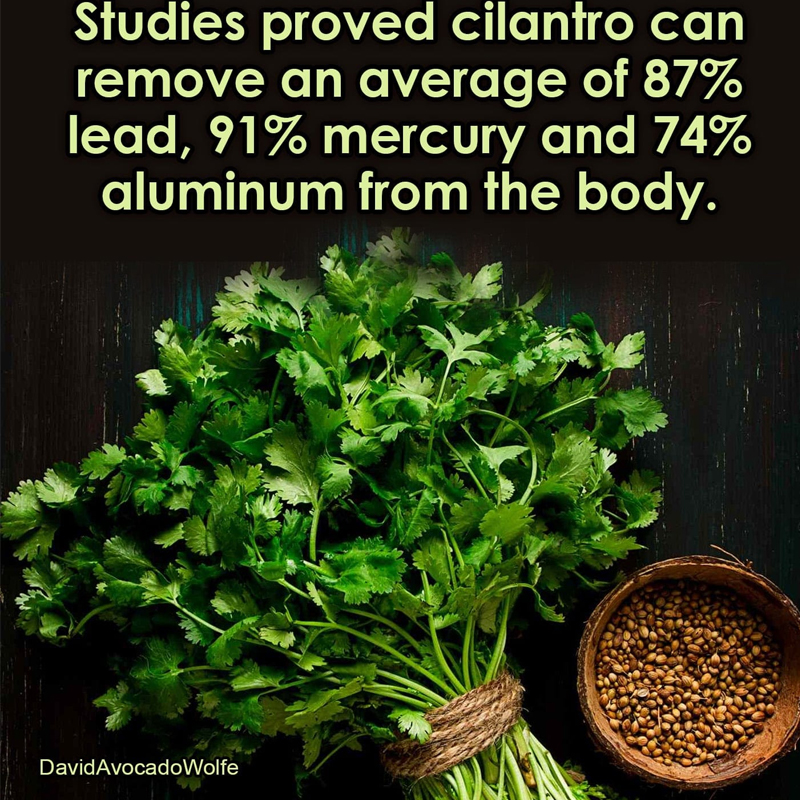
Cilantro helps remove parasites 🌿
A regular detox helps you to stay healthy!
CILANTRO is all you need, To cut out heavy metals, incorporate it into YOUR DIET; Limit your alcohol consumption, get plenty of sleep, stay hydrated, and eat a balanced diet of antioxidants
🚨🚨 SHOCK: Curó su cáncer de pulmón en etapa 4 en solo 8 meses con una combinación de ivermectina, vitamina D y aceite de CBD, sin quimioterapia ni radioterapia...
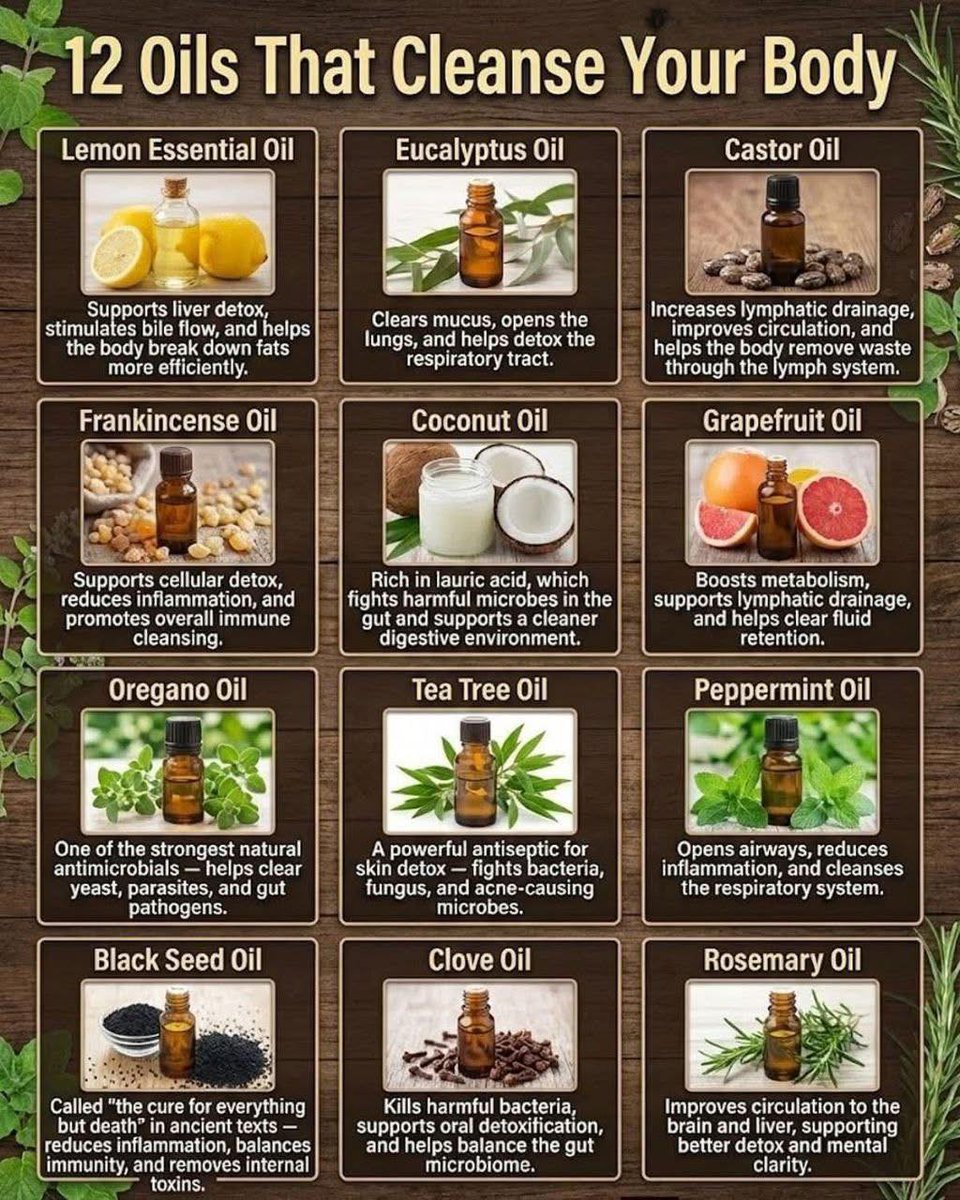
Before pills… there were oils.
Nature’s original cleanse 🧴🌿
• Lemon
• Oregano
• Black Seed
• Peppermint
• Rosemary
• Clove
The body already knows how to detox.
These oils just remind it how.