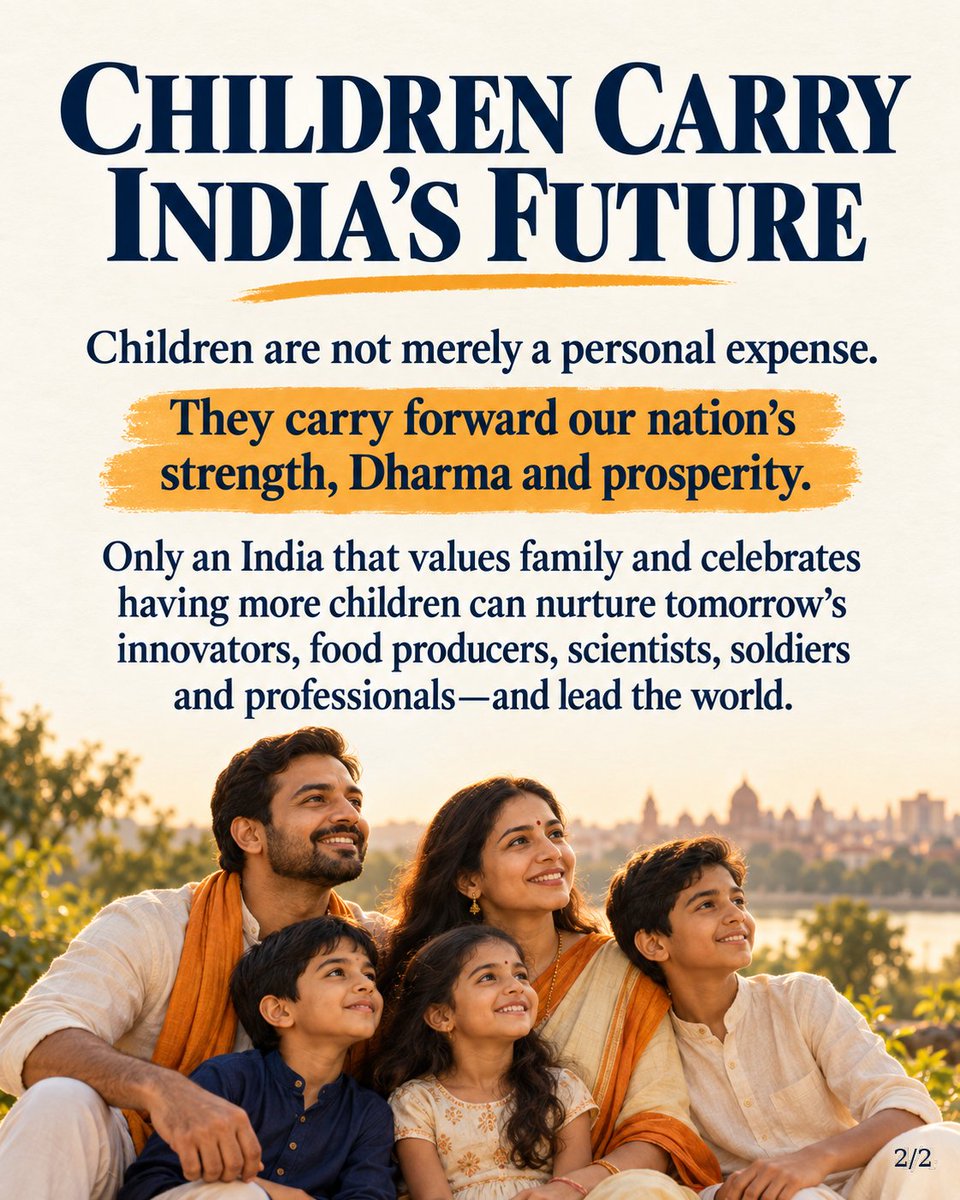
India is likely to have a much larger share of #ElderlyPopulation later this century as fertility falls below replacement — warns @MoodysRatings.
For the last many years, we feared ‘too many people’. Now the concern is ‘too few people’.
The class of society that once powered every national movement is now leading a quieter retreat from #marriage, from #family, from the national #future itself, with DISK (Double Income Single Kid) and DINK (Double Income No Kids) being marketed in the name of so-called personal liberation and professional freedom.
#Demography is the destiny of societies, communities and nations.
💥Translation -
The De$ event which will prick the AI (reserve currency) bubble in the western stock valuations will eventually bring money in our market after the crisis.
𝗧𝗵𝗲𝗿𝗲 𝗶𝘀 𝗮 𝗳𝗮𝘀𝗵𝗶𝗼𝗻𝗮𝗯𝗹𝗲 𝗮𝗿𝗴𝘂𝗺𝗲𝗻𝘁 𝘁𝗵𝗮𝘁 “𝗜𝗻𝗱𝗶𝗮𝗻𝘀 𝘄𝗶𝗻 𝗺𝗲𝗱𝗮𝗹𝘀 𝗱𝗲𝘀𝗽𝗶𝘁𝗲 𝘁𝗵𝗲 𝘀𝘆𝘀𝘁𝗲𝗺.”
It was true 12 years back. But not anymore. I am surprised that this handle has made this comment and has ignored(may be by mistake) progress we have made.
Our sporting system is still far from perfect. There is some truth in the criticism. We still have weak federations, politics, uneven state-level infrastructure and poor grassroots access in many places.
Given this, let's also see the progress we have made.
Let's Start with the money.
The Sports Ministry allocation has increased from around ₹1,219 crore in 2013-14 to ₹4,480 crore in 2026-27 — nearly 3.7x.
But is the money going at right places?
* Khelo India was started in 2017. Today, India has 1,067 Khelo India Centres, 35 State Centres of Excellence and 267 supported academies. More than 23,000 athletes are receiving support through the programme, including coaching, equipment, diet and competition exposure.
* TOPS(Target Olympic Podium Scheme) launched in 2014. It provides elite athletes with customised support such as foreign coaches, international training, equipment, sports science and competition exposure to make them Olympics ready.
* KIRTI launched in 2024 is trying to identify sporting talent in Age 9-18. More than 1.8 lakh assessments have already been conducted among young athletes.
Now have all this made any impact in results?
* Asian Games medals: 57 (2014) → 69 (2018) → 107 (2023) → 85 (2026). Gold trend 11 → 15 → 28 → 21. 2026 Asian games will be our second highest haul of all times.
* Olympics: 2 medals in 2016 → 7 in 2020 → 6 in 2024
* Paralympics: 4 medals in 2016 → 19 in 2020 → 29 in 2024
* Commonwealth Games medals:
64 (2014) → 66 (2018) → 61 (2022) → 39 (2026). Now before someone say 39 is worst, please note that lot of the sports where we always win medals were removed in 2026. Despite this, we produced several historic firsts — from its first-ever Commonwealth decathlon medal and first 5,000m medal to its first Shot Put F57 gold, while 10 Indian boxers won Commonwealth medals for the first time.
And the next phase is already significantly larger.
The revamped Khelo India + National Sports Federations programme has a combined ₹36,441 crore outlay for 2026-27 to 2030-31. Gujarat launched India's first ever Genome program in athletics in 2026. How Odisha supports hockey is a case study in itself.
So yes, India still has serious problems in sports - federations, politics, access and grassroots infrastructure remain issues.
But saying "Indians win medals despite the system" misses the bigger picture.
The system is no longer what it was 12 years ago.
We are moving from finding a talented athlete and hoping he/she survives the system to identifying talent early, funding it, training it scientifically and building a pathway all the way to podium.
Hope this helps.
#HowIndiaGrows
Whitepill of the day. 😍😍
Jai Siya Ram.
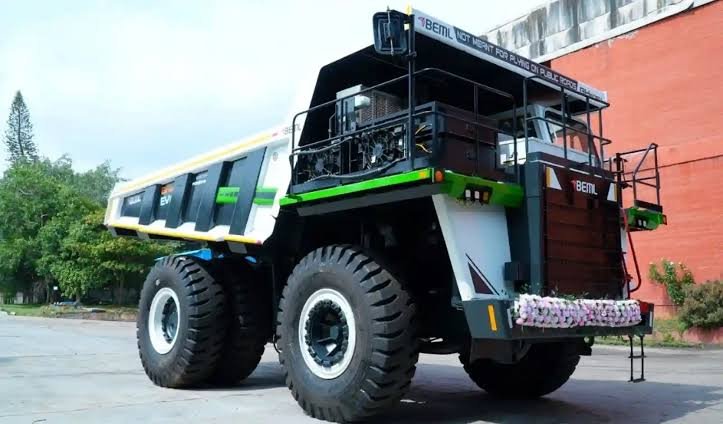
We have taken a definite step towards electrifying one of the toughest segments of heavy industry.
BEML has unveiled the BH60-EV — India’s first indigenously designed and developed 60-ton electric dump truck for mining and infrastructure.
* 1,000 kWh lithium-ion battery
* 54.5-tonne payload
* Permanent Magnet Synchronous Motor
* 40–60% lower operating costs vs diesel — BEML estimate
* Around 130 tonnes of CO₂ reduction per vehicle every year
The truck has been developed at BEML’s Mysuru facility and comes with an integrated charging solution for mining operations.
But the best part comes now.
I tried to estimate what happens if we use this electric truck only.
India consumes around 1.2 billion litres Diesel(conservative figure) in Mining trucks annually.
Hence, if we replace by electric, we save that diesel. Converting to Barrels, it is about 17000 barrels daily. Taking Crude at USD 80/barrel, annually we will save $496.4 million or some ₹4,782 crore/year(at INR at 96).
So, we will not only have a cleaner environment but a forex savings happening too.
We are moving from electric cars and buses to 60-tonne payload mining trucks — India’s EV story is moving into heavy industry.
#HowIndiaGrows
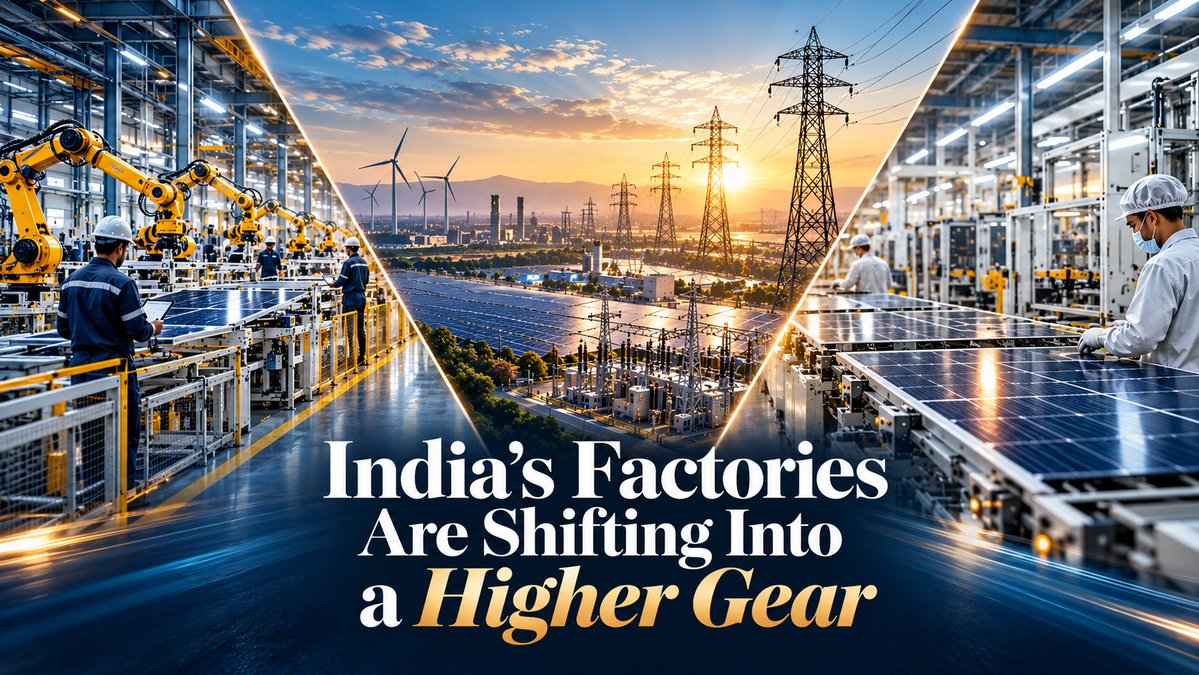
India’s industrial story is entering a new chapter.
The latest momentum in manufacturing is more than a strong month. It reflects a deeper shift in how India is building, producing and powering its growth.
The opportunity now is to ensure our energy and industrial ecosystem grows with the same ambition.
The factories are shifting into a higher gear. The question is how far we can take this momentum.
Read My Article: India’s Factories Are Shifting Into a Higher Gear
https://t.co/l09RsGXtbt
@avaadagroup@AvaadaElectro
India, Manufacturing, Industrial Growth, Factories, Energy Transition, Renewable Energy, Clean Energy, Avaada Always Clean Always On, Avaada Group, Avaada Electro
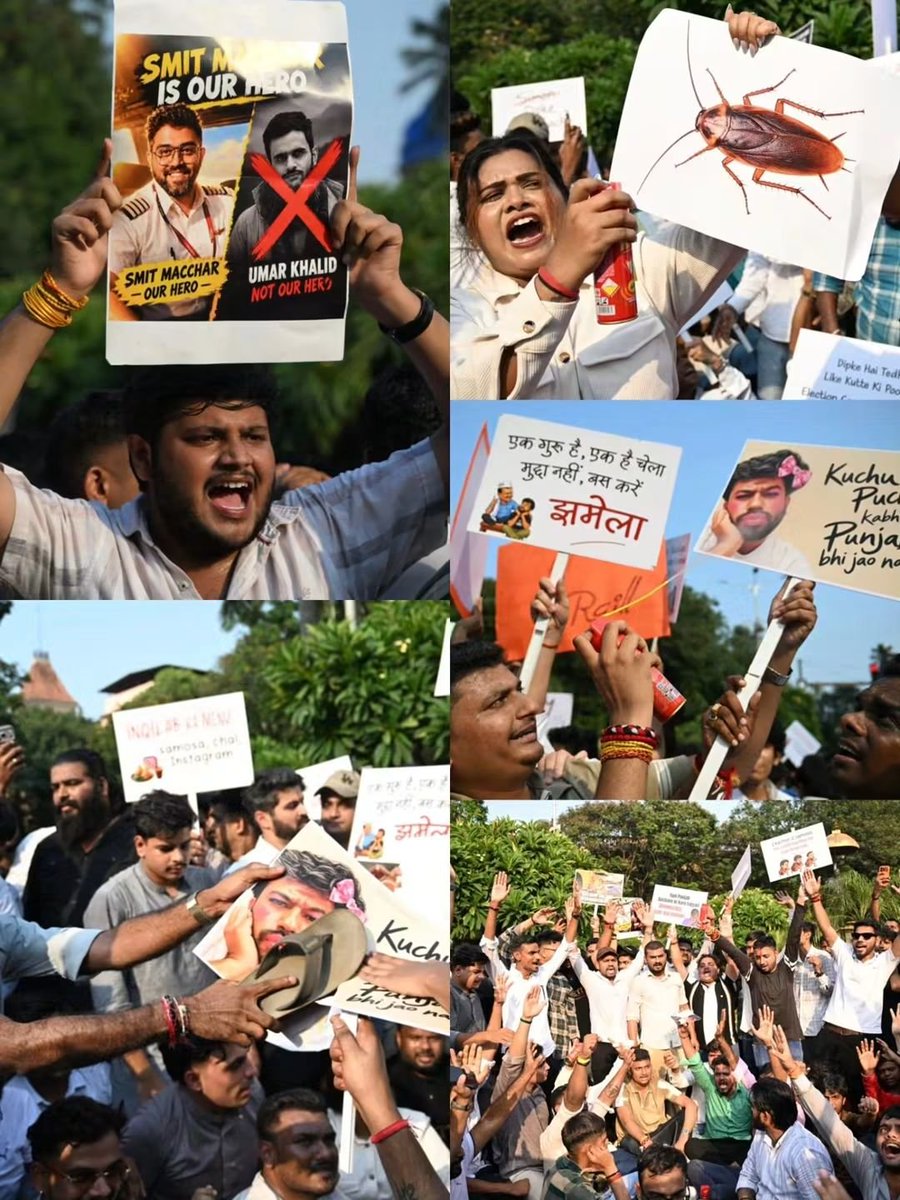
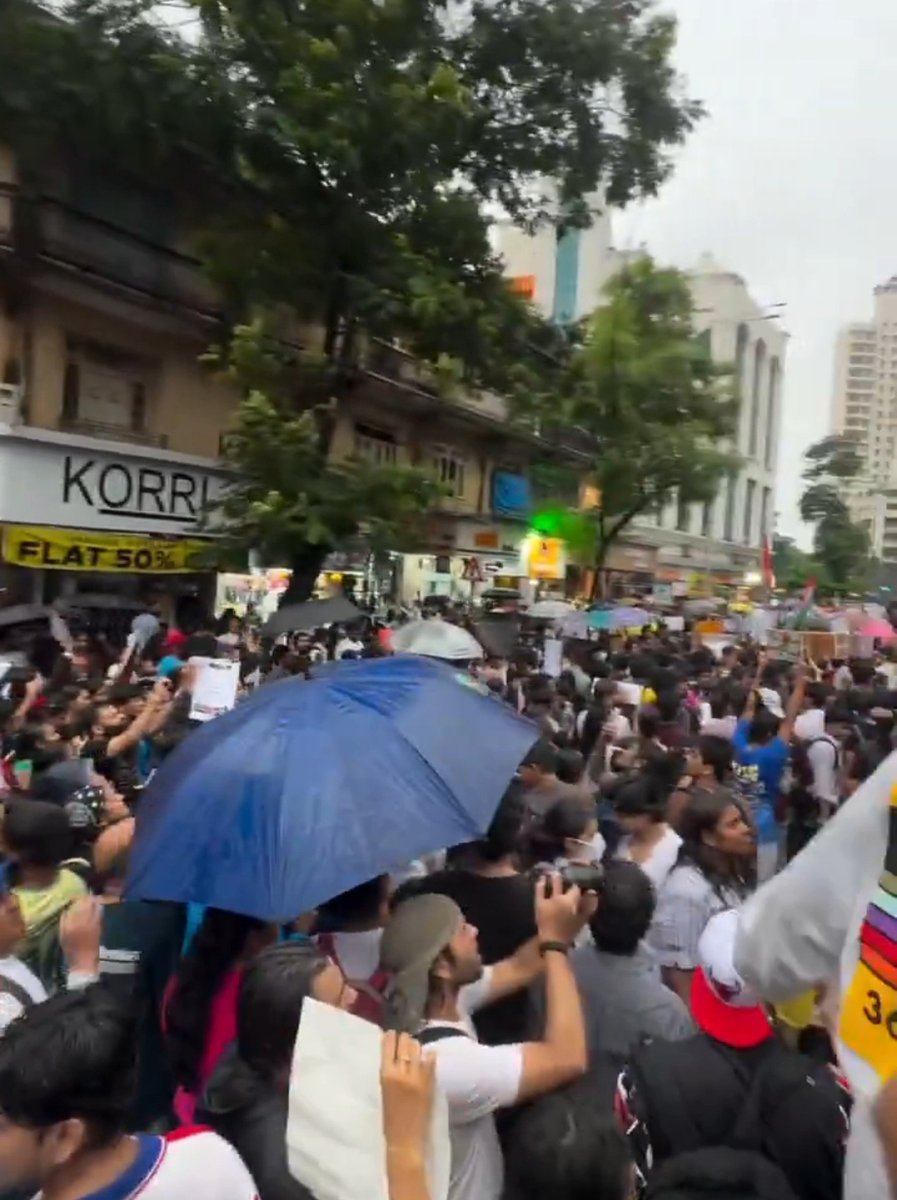
"Abhijeet Dipke Go Back" 🔥
MASSIVE DEMONSTRATION in Mumbai by 'Gen Next Mumbai' AGAINST the Cockroach Janata Party and its founder.
=> Leftist media will NEVER show you this. They only exist to shield AAP & provide 24/7 airtime to its B-team.
The store in the background is the Korri clothing outlet, situated right next to the Kohinoor Electronics showroom on the ground floor of the Haji Habib Building.
This is Dadar East. Shivaji Park is in Dadar West you morons, I stay there.
This is not ShivajiPark, stop cheating
Whitepill of the day. 😍😍
Jai Siya Ram.
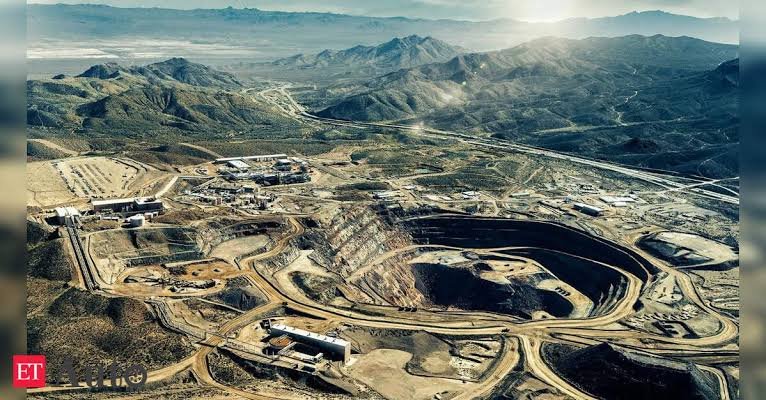
India has taken the first step towards domestic production of rare-earth magnets.
Hyderabad-based Midwest Energy has started trial production of sintered NdFeB magnets at its ₹250 crore plant in Andhra.
Commercial production is expected by mid-Oct26, with an initial annual capacity of 500 tonnes, planned to rise to 5,000 tonnes by Dec27.
Apart from this, govt has approved a ₹7,280 crore scheme to create 6,000 tonnes/year of integrated rare-earth magnet capacity, and have got 20 bids from companies. Japan's Proterial is also planning a ₹2,250 crore, 1,200-tonne/year magnet plant in Andhra Pradesh.
These magnets are critical for EVs, wind turbines, electronics and defence, where India currently depends heavily on imports and China can choke us.
500 tons a month is a small step but an important one in becoming independent in Rare Earth Magnets.
#HowIndiaGrows
#WATCH | Maharashtra: A group of people identifying themselves as members of "Gen next Mumbai" holds a protest against the Cockroach Janata Party in Mumbai
♻️ India launches ₹23,731 crore GOBARdhan scheme to scale compressed biogas production.
📈 GOBARdhan scheme targets nearly ten-fold growth in domestic CBG production.
♻️ The scheme aims to turn farm, cattle and municipal waste into clean fuel.
https://t.co/wHKWbw6Zgh