Algo esperable, que invita a los administradores a entender que la dinámica de los servicios de emergencias y el estado de sus colabores no es igual al de otras partes del complejo hospitalario . Cuida a tu personal para que ellos cuiden de tu paciente @CCSSdeCostaRica
A patient with hx of depression came with confusion, diarrhea, diaphoresis. He takes fluoxetine, fluconazole & tramadol at home. Vitals w/⬆️BP, HR,⬆️⬆️temp. Labs w/AKI, ⬆️CK. What is the excess neurotransmitter & diagnosis? #Medtwitter (David Juurlink)
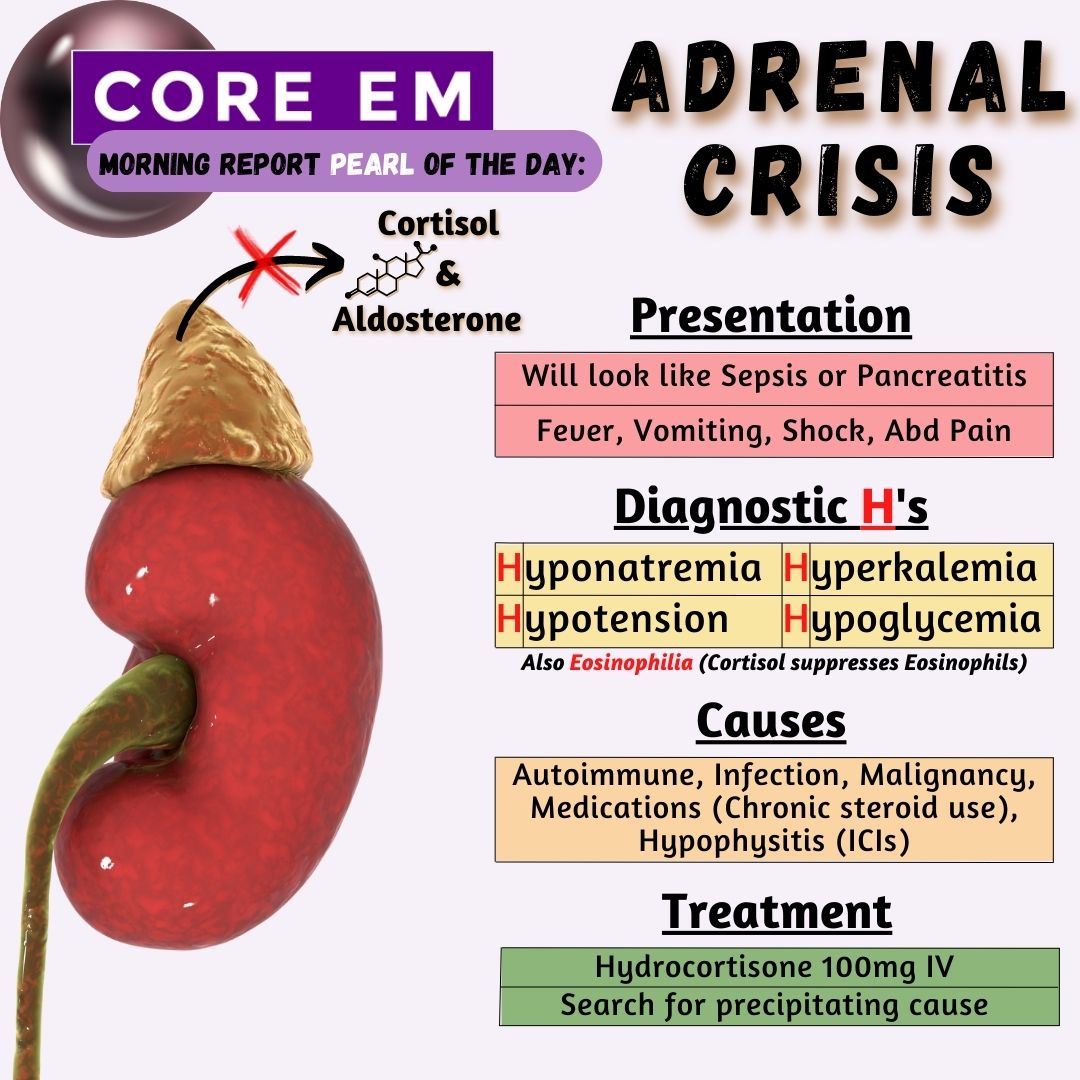
Ever have a patient in shock but you can’t explain why? Remember to keep THIS in your differential.
Thanks Dr. Rachel Bubly for the reminder.
Check the thread for a deeper dive into Adrenal Crisis.
🧵 1/3
#FOAMed#Medtwitter
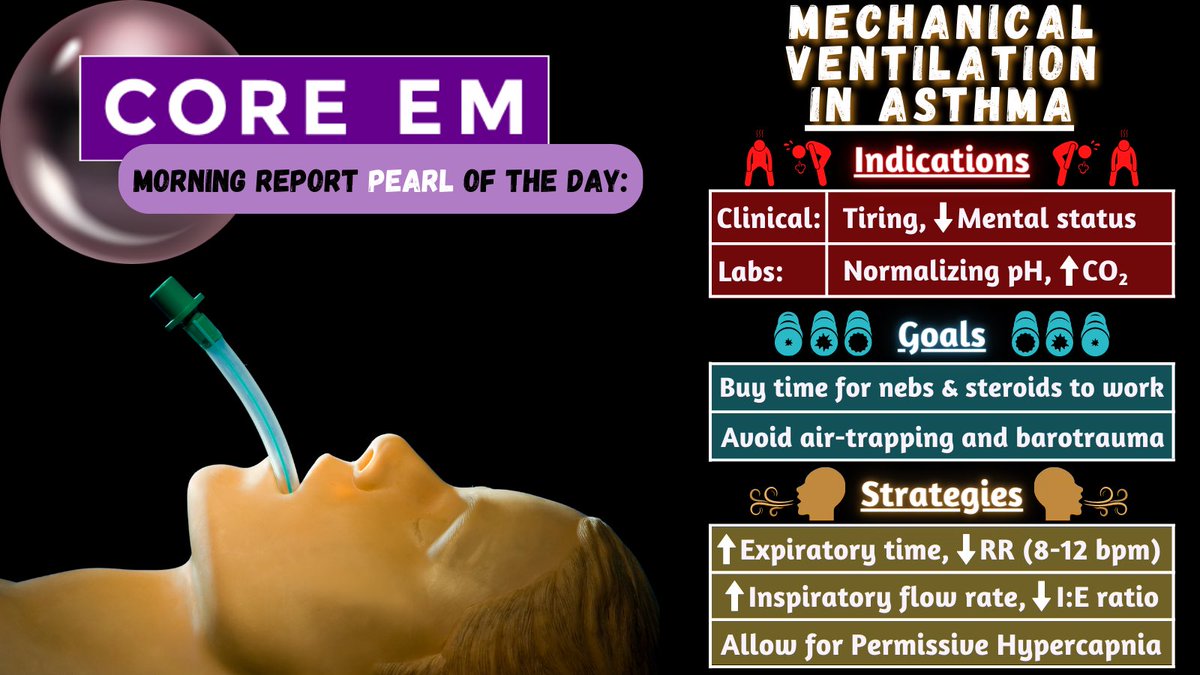
So you’ve intubated an asthmatic.. 😰😬
It’s not ideal, but sometimes it has to be done. Now let’s make sure you remember your goals and strategies with the most important part of this, the mechanical ventilation.
Thanks Dr. Desai, for the tips.
#MedTwitter#FOAMed#asthma
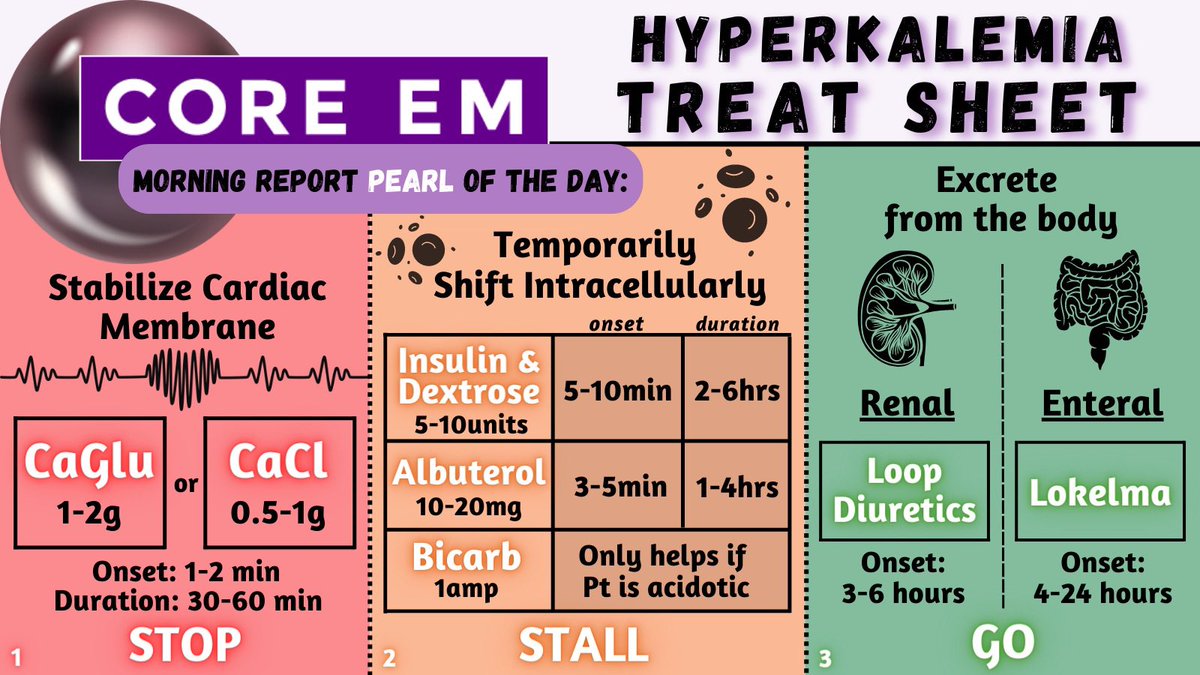
There are three phases to treating hyperkalemia. Do you remember them all?
Check out our treat sheet, brought to you by Dr. Sarangi.
#MedTwitter#FOAMed#EmergencyMedicine#NYU
A toda aquella persona que labore en emergencias estamos creando un nuevo proyecto de educación médica continua
Nación Emergencias @nacion_emerg
Los invitamos a seguirnos en las distintas plataformas, interactuar con nosotros y finalmente aprender juntos
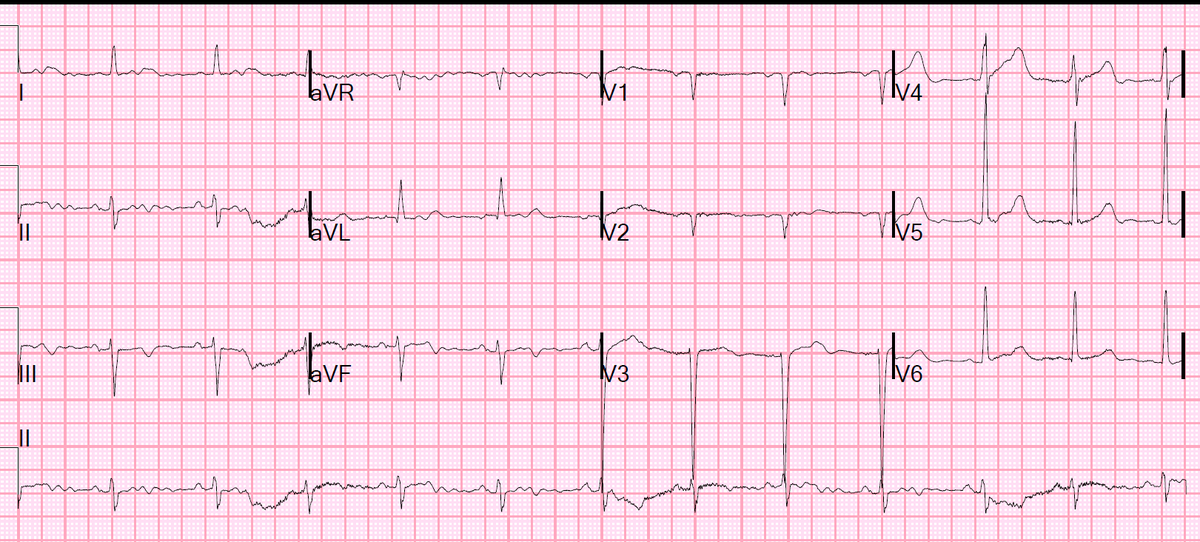
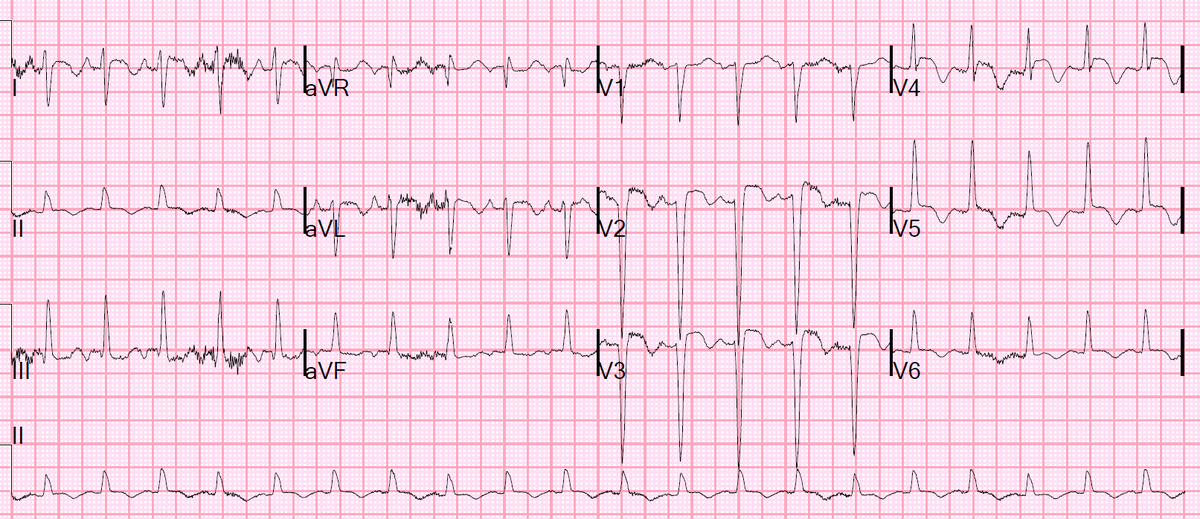
Does a single troponin below the 99th percentile URL rule out Acute MI if constant chest pain has been very prolonged at the time of ED presentation?
https://t.co/xIyG1RrGle
ECG 1: Day 1, patient sent home
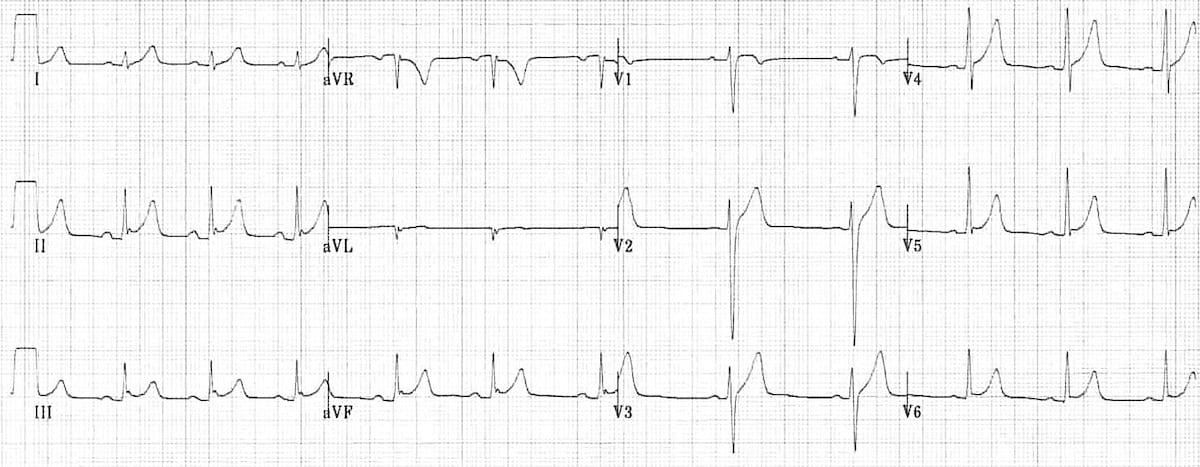
ECG 2: Day 2, patient presents in cardiogenic shock
What happened??
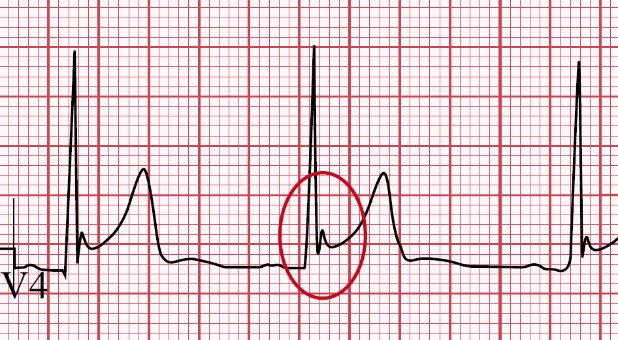
Benign Early Repolarisation:
- Widespread concave ST elevation, most prominent in the mid-to-left precordial leads (V2-5)
- Notching or slurring at the J point
- ST elevation : T wave height ratio in V6 < 0.25
- No reciprocal ST depression to suggest Occlusion MI
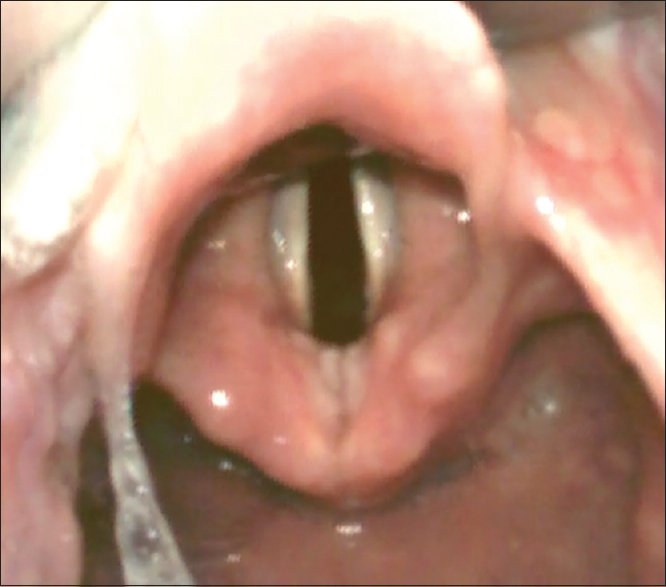
Los videolaringoscopios nos brindan una excelente visión de la glotis, PERO eso no garantiza la intubación exitosa.
Existen 3 reglas clínicas que ayudan a elevar las probabilidades de éxito al primer intento: