New paper today:
A novel RFLP-PCR method for the rapid diagnosis of Echinococcus multilocularis and different Echinococcus granulosus sensu lato species from tissue samples
https://t.co/z0oge4bl4A
Abstract: Both alveolar echinococcosis and cystic echinococcosis are zoonotic diseases affecting thousands of humans in Europe annually. Five Echinococcus species are known to be endemic in Europe, but with varying relative importance in humans and animals. In order to identify these Echinococcus species from tissue samples, an RFLP-PCR method was developed and validated in accordance with the French quality standards for molecular diagnostics (NF U47-600-2). Amplification by PCR of about 846 bp from the 12S ribosomal RNA gene was followed by a single digestion step with three restriction enzymes (AccI, DdeI and HinfI). The RFLP-PCR method distinguishes Echinococcus multilocularis, E. granulosus sensu stricto, E. equinus, E. ortleppi and E. canadensis in six specific profiles composed of two or three bands. Each profile is specific for the species, except an additional specific profile from genotype G8 of E. canadensis. Species from other genera of the Taeniidae family correspond to two other types of profiles. Additionally, in silico analyses predicted three specific additional profiles for the other four Echinococcus species. The limit of detection of the method including DNA extraction is estimated to be a minimum of 1,000 copies. Total specificity and sensitivity were obtained by testing a panel of 73 and 79 DNA samples previously identified by sequencing. This RFLP-PCR technique is cost-effective, simple and rapid to implement, making it suitable for use in large epidemiological studies, as well as for single diagnostic purposes targeting tissue samples, such as cysts or worms, without requiring sequencing.
New paper in press:
A novel RFLP-PCR method for the rapid diagnosis of Echinococcus multilocularis and different Echinococcus granulosus sensu lato species from tissue samples
Soon... https://t.co/NzrperVWPY
𝗖'𝗲𝘀𝘁 𝗮𝘂𝗷𝗼𝘂𝗿𝗱'𝗵𝘂𝗶!
Assemblé Générale de la Société Française de Parasitologie
Mercredi 12 novembre à 14h
Sur Zoom - le lien a été envoyé par email aux adhérents de la SFP
En commémoration du 11 novembre 1918, cet article de 1925 qui décrit un cas d'échinococcose chez un soldat de la Grande Guerre.
https://t.co/uSqDMoiqWv
Congrès conjoint des Sociétés Françaises de Parasitologie et de Mycologie Médicale.
📅 Dates : 18, 19 et 20 juin 2025
📍 Lieu : Faculté de Droit et de Science Politique, Université de Picardie Jules Verne, Amiens
https://t.co/PKMLBsYnpX
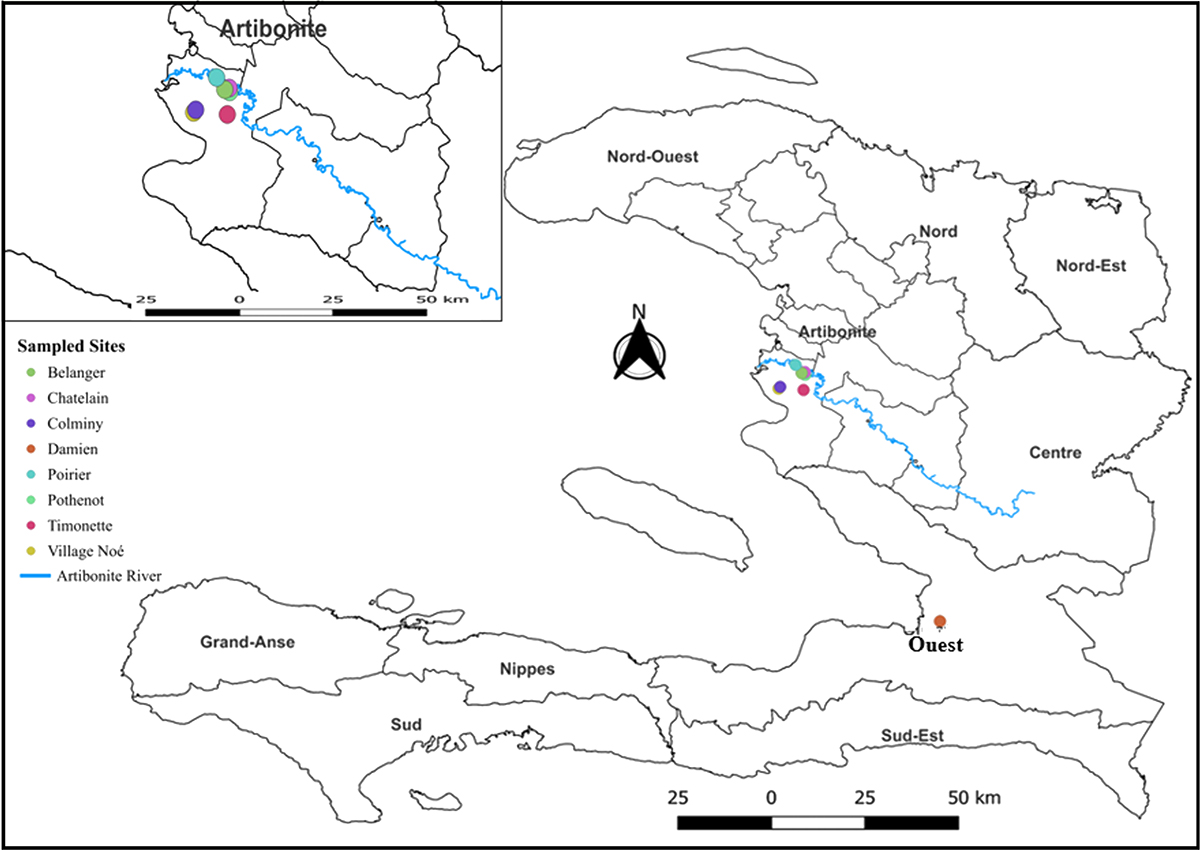
𝗠𝗼𝗹𝗲𝗰𝘂𝗹𝗮𝗿 𝘀𝘁𝘂𝗱𝘆 𝗼𝗳 𝘁𝗵𝗲 𝘀𝘁𝗮𝘁𝘂𝘀 𝗼𝗳 𝘼𝙣𝙜𝙞𝙤𝙨𝙩𝙧𝙤𝙣𝙜𝙮𝙡𝙪𝙨 𝙘𝙖𝙣𝙩𝙤𝙣𝙚𝙣𝙨𝙞𝙨 𝗶𝗻 𝗿𝗮𝘁𝘀 𝗶𝗻 𝗛𝗮𝗶𝘁𝗶
Étude moléculaire du statut d’Angiostrongylus cantonensis chez le rat en Haïti
Etid molekilè sou sitiyasyon Angiostrongylus cantonensis nan rat ann Ayiti
https://t.co/EkBlfqTcLQ
𝗡𝗲𝘄 𝗽𝗮𝗽𝗲𝗿 𝗶𝗻 𝗽𝗿𝗲𝘀𝘀 𝗶𝗻 𝗣𝗔𝗥𝗔𝗦𝗜𝗧𝗘:
Helminth diversity and seasonality of Angiostrongylus cantonensis in hedgehogs from Mallorca
🔜 https://t.co/yMsdEkYflU
Abstract
Sentinel surveillance plays a critical role in monitoring pathogen circulation, assessing potential threats for species conservation, and evaluating the risk of spillover to human populations. This study provides a comprehensive exploration of helminth parasites in the Mediterranean-distributed hedgehog species Atelerix algirus in Mallorca, Balearic Islands. Using an integrated approach that combines necropsies and morphological and molecular identifications using the COI gene, we identified 11 helminth taxa in 135 hedgehogs, representing half of those that died at the local wildlife hospital in Mallorca between 2019 and 2022. We report an overall A. cantonensis prevalence of 11.5% and confirm the first case of a subclinical neuroangiostrongyliasis infection in a wildlife host. Infection prevalences over the year revealed that only two species, the nematode A. cantonensis and the cestode Mathevotaenia sp., had a seasonal pattern, with most A. cantonensis cases occurring in autumn and, to a lesser extent, Mathevotaenia sp. cases in winter. This pattern is probably due to the higher abundance and greater activity of snails and slugs (intermediate hosts) during these seasons, with important implications for public health and strategies for prevention of neuroangiostrongyliasis. Other key findings include a high prevalence (88.1%) of the lungworm Crenosoma striatum and detection of the acanthocephalan Moniliformis saudifor the first time in A. algirus. We anticipate that our study will facilitate surveillance efforts and clarify species identities in future studies. Given the lethal effects of A. cantonensis infection in hedgehogs, further studies are needed to evaluate the threat this parasite represents to European wildlife.
🔜 https://t.co/yMsdEkYflU
Résumé
Diversité des helminthes et saisonnalité d'Angiostrongylus cantonensis chez les hérissons de Majorque
La surveillance sentinelle joue un rôle essentiel dans le suivi de la circulation des agents pathogènes, l'évaluation des menaces potentielles pour la conservation des espèces et l'évaluation du risque de propagation aux populations humaines. Cette étude, réalisée à Majorque dans les îles Baléares, fournit une exploration complète des helminthes parasites chez l'espèce de hérisson Atelerix algirus, qui est répartie dans les pays méditerranéens. En utilisant une approche intégrée qui combine des autopsies et des identifications morphologiques et moléculaires basées sur le gène COI, nous avons identifié 11 taxons d'helminthes chez 135 hérissons, représentant la moitié de ceux qui sont morts à l'hôpital local pour la faune sauvage de Majorque entre 2019 et 2022. Nous rapportons une prévalence globale d’Angiostrongylus cantonensis de 11,5 % et confirmons le premier cas d'infection par neuroangiostrongylose subclinique chez un hôte sauvage. Les prévalences d'infection au cours de l'année ont révélé que seules deux espèces, le nématode A. cantonensiset le cestode Mathevotaenia sp., présentaient un schéma saisonnier, la plupart des cas d'A. cantonensis survenant en automne et ceux de Mathevotaenia sp., dans une moindre mesure, en hiver. Ce schéma est probablement dû à la plus grande abondance et à la plus grande activité des escargots et des limaces (hôtes intermédiaires) pendant ces saisons, avec des implications importantes pour la santé publique et les stratégies de prévention de la neuroangiostrongylose. D'autres résultats clés incluent une prévalence élevée (88,1 %) du nématode pulmonaire Crenosoma striatum et la détection de l'acanthocéphale Moniliformis saudi pour la première fois chez A. algirus. Nous prévoyons que notre étude facilitera les efforts de surveillance et clarifiera les identités des espèces dans les études futures. Compte tenu des effets mortels de l'infection par A. cantonensis chez les hérissons, d'autres études sont nécessaires pour évaluer la menace que ce parasite représente pour la faune européenne.
𝗡𝗼𝘂𝘃𝗲𝗹 𝗮𝗿𝘁𝗶𝗰𝗹𝗲 𝗱𝗮𝗻𝘀 𝗣𝗔𝗥𝗔𝗦𝗜𝗧𝗘:
L’échinococcose kystique (infection par Echinococcus granulosus sensu lato) en Tunisie, une perspective « Une seule santé » pour un futur programme de contrôle https://t.co/SlaJkF22g8
𝗪𝗲𝗯𝗶𝗻𝗮𝗶𝗿𝗲 𝗥𝗲𝗰𝗵𝗲𝗿𝗰𝗵𝗲 𝗦𝗙𝗣
11 juin 2024, 11h30-12h30
"Une seule santé (One Health): concept nouveau en maturation ou vieille histoire ?
Patrick Giraudoux, Université de Franche-Comté
https://t.co/JgZ3E7A2es
𝗖𝗶𝘁𝗲𝗦𝗰𝗼𝗿𝗲=𝟱.𝟱
We are happy to announce that the CiteScore of Parasite has -again- increased this year, from 5.2 to 5.5
Thank you to our authors and our fantastic reviewers!








![ParasiteJournal's tweet photo. [2023] Real-time multiplex PCR for human echinococcosis and differential diagnosis https://t.co/eapurDGG9A https://t.co/LAawXM8rgA](https://pbs.twimg.com/media/GPukkIrXQAApzJz.jpg)