@Acyn I will never, not for as long as I live, understand how anyone, ANYONE, looks at this garbage version of a human being, and thinks, “yes, that. I want more of that!”
He’s a piece of shit.
A racist, sexist, stupid piece of shit.
#DEVELOPING: Three Indiana Republican state senators have lost Tuesday to challengers backed by President Donald Trump, while another incumbent survived as seven races test the president's influence in a deep red state. Blake Fiechter defeated state Sen. Travis Holdman, Michelle Davis defeated state Sen. Greg Walker and Tracey Powell defeated state Sen. Jim Buck. Meanwhile, Sen. Greg Goode held off a challenge from Trump-backed Brenda Wilson.
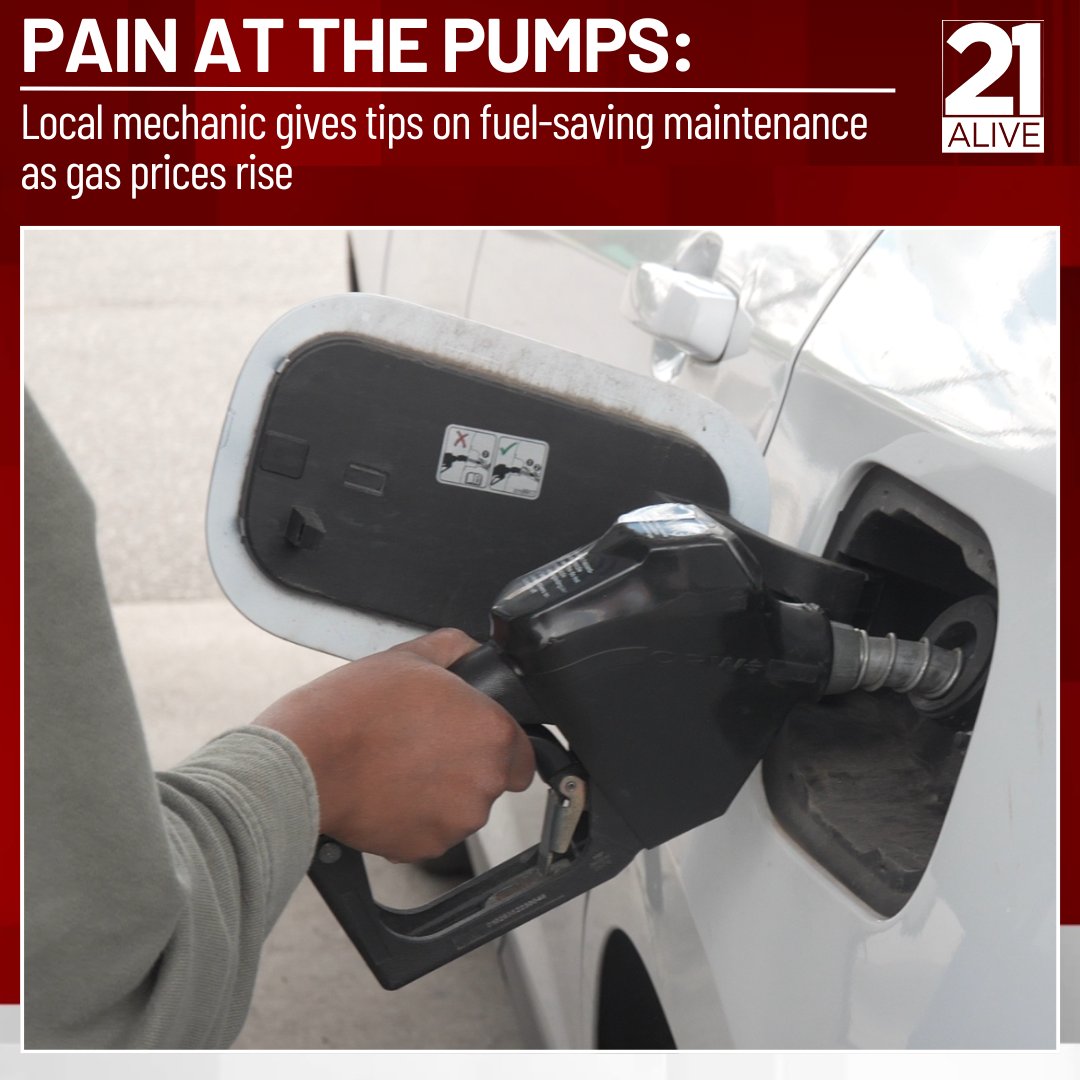
Prices at gas stations across northeast Indiana and northwest Ohio have increased to as much as $4.99 per gallon this week.
>>> https://t.co/76TVtb6rJB
In 2020, a small city in Wisconsin told its residents they could stop mowing for a month. 435 households joined in. The bees came back the same spring.
Appleton was the first US city to adopt No Mow May. The city council suspended its weed ordinance for the month so residents wouldn't get cited for tall grass. Around 40 acres of lawn across the city went uncut.
Researchers from Lawrence University sampled the unmowed lawns and nearby mowed city parks in the same week. The unmowed lawns had 5 times as many bees and 3 times as many bee species as the mowed parks.
Wisconsin is home to nearly 500 native bee species. Most people have never seen them because they don't live in honeybee hives. They're solitary bees, ground nesters, small black or metallic green insects that fit on a fingernail.
Appleton's unmowed yards gave them food and shelter in the hungry early-spring window when almost nothing else is blooming.
The experiment cost the city nothing. It saved residents fuel and labor. It produced measurable ecological results within 30 days.
Dozens of US cities have adopted the practice since. Has yours?