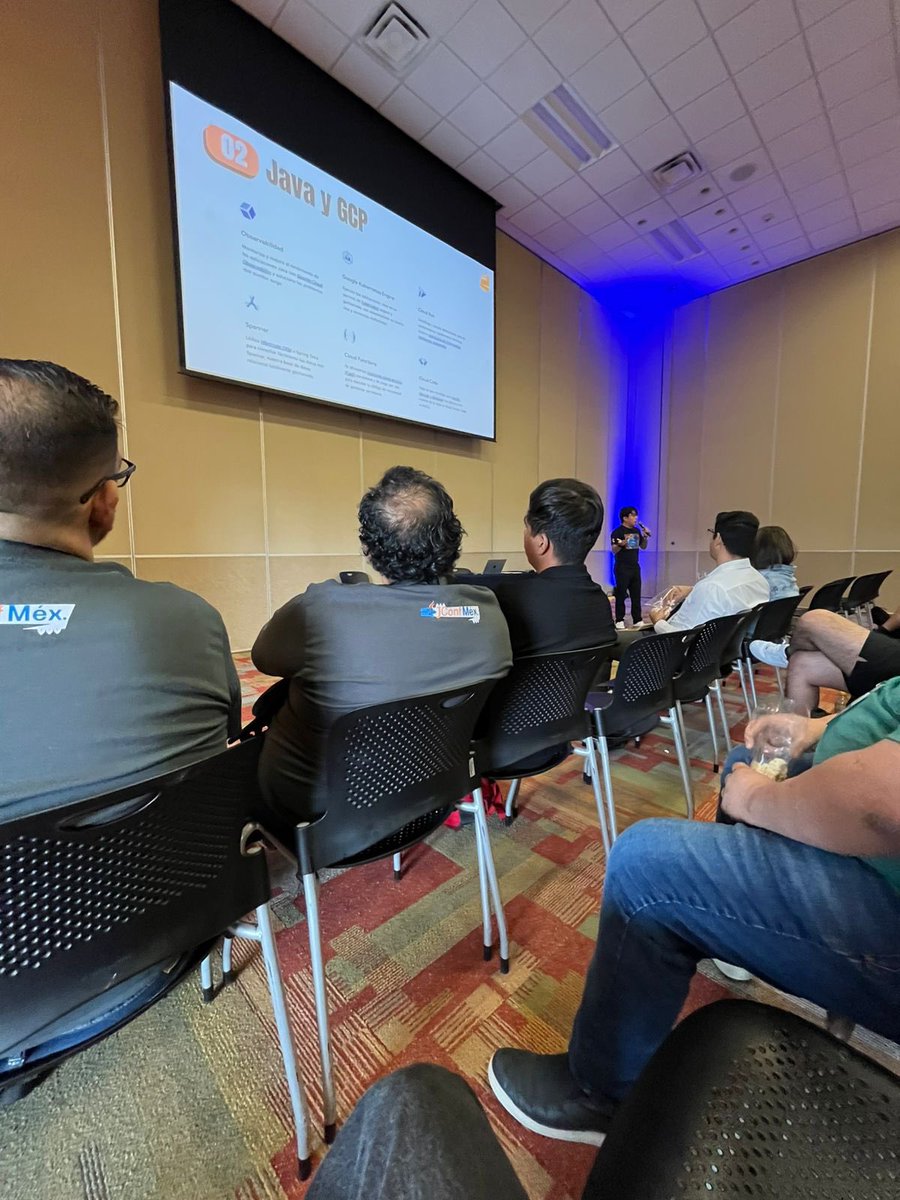
I just recorded a video on Harness Engineering for Java and Spring Boot applications covering code formatting, code coverage, Spring Modulith, Arch Unit and Taikai.
It could be a pretty good conference talk.
¡Anthropic crea su propio Git!
Desde septiembre fusionan más de 30.000 cambios de código al día. ¡Y git era un cuello de botella!
Su solución: crear en solo 5 meses su propio sistema de control de versiones, pensado para agentes de IA en lugar de humanos:
Never check a role name in your code
In one of the projects where I worked, we had role checks in many places across the project. Then, we needed to introduce a new role and that was a cumbersome code change in many places.
RBAC stands for Role-Based Access Control. The path we selected was to give users roles and let the code ask "is this user a Manager?"
Yet, the model has one more part. Users get roles, roles get permissions and permissions define what a user can do.
The code should only ask about the permission, for example "can this user approve an invoice?"
Here is the complete flow:
𝟭. 𝗧𝗵𝗲 𝘁𝗼𝗸𝗲𝗻 𝗰𝗮𝗿𝗿𝗶𝗲𝘀 𝗿𝗼𝗹𝗲𝘀. We set up the identity provider to add them at sign-in.
𝟮. 𝗧𝗵𝗲 𝗔𝗣𝗜 𝘁𝘂𝗿𝗻𝘀 𝗿𝗼𝗹𝗲𝘀 𝗶𝗻𝘁𝗼 𝗽𝗲𝗿𝗺𝗶𝘀𝘀𝗶𝗼𝗻𝘀. It reads the mapping from its database and keeps a short cache.
𝟯. 𝗧𝗵𝗲 𝗲𝗻𝗱𝗽𝗼𝗶𝗻𝘁 𝗰𝗵𝗲𝗰𝗸𝘀 𝗼𝗻𝗲 𝗽𝗲𝗿𝗺𝗶𝘀𝘀𝗶𝗼𝗻. It asks for invoices:approve and never names a role.
𝟰. 𝗔𝗻 𝗮𝗱𝗺𝗶𝗻 𝗮𝗱𝗱𝘀 𝗮 𝗻𝗲𝘄 𝗿𝗼𝗹𝗲 𝗮𝘀 𝗱𝗮𝘁𝗮. The admin creates the Auditor role in the identity provider. One table row maps it to invoices:read. The code stays the same, and nothing gets deployed.
In https://t.co/PLYLs2PAEE Core, the endpoint gets [Authorize(Policy = "invoices:approve")]. It replaces [Authorize(Roles = "Manager")]. Behind it, a policy provider turns that name into a requirement. A handler checks it against the user's permissions.
Naresh Jain compares coding agents with and without a harness. He found it made a frontier model more expensive in tokens for little gain, but make a weaker (and cheaper) model more effective.
https://t.co/lqEFM2mXqy
hoy leí esta guía sobre Harness Engineering que me pareció muy buena.
explica cómo se diseñan y construyen agentes de IA, cubriendo temas como:
- gestión del contexto y memoria
- tools y MCP
- orquestación de agentes
- seguridad y permisos
- validación, observabilidad y manejo de errores
muy buen recurso para entender todo lo que hay detrás de agentes como Claude Code o Codex.
documento:
https://t.co/8PIeRN24e4
además, les dejo un artículo que escribí sobre Harness Engineering para complementar y seguir profundizando.
"Cuando se lleva prisa, nunca hay tiempo para hacer las cosas bien, pero cuando sale mal, mágicamente siempre hay tiempo para hacerlas dos veces" @chochosmx