This was a really enjoyable conversation. Great to hear the British perspective. @JusBrierley you might appreciate that I gave a lecture over a year ago for The George Buchanan Forum discussing this for an American context: “Re-enchanting History in an Age of Woke Ideologies and Christian Nationalisms”
https://t.co/RMtcvVK8cH
@More_Christ_@PaulVanderKlay I think this is why we keep trying to reinvent ourselves as American Inklings, as though we could just clone that meaning in a completely different regional context.
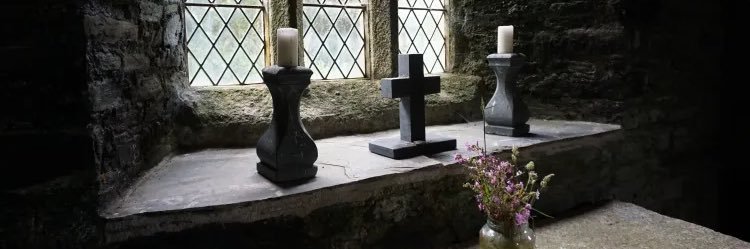
This was such an excellent conversation between Marcas @More_Christ_, @PaulVanderKlay, and Heather Pollington on the need for holy places and people, as well as the inevitable but inadequate secular versions that will emerge when the sacred ones are missing.
I’m trying to do my part to help provide Americans with an imaginative vision for becoming natives, and its a bit of a unique problem because we can’t simply import the European experience of place over here, but without it we feel untethered. I remember someone decrying that they couldn’t sit atop a Bronze Age hill-fort like Martin Shaw to have a spiritual encounter, and it’s such a tragedy that Americans are so historically divorced from their own location that they would have no idea that equally ancient hill forts exist *all* over the United States.
One of the issues contributing to this confusion is that people are not differentiating between church attendance and church membership. @PaulVanderKlay
Another thing I wish people would stop claiming is that church membership or adherence in colonial America was very low.
This claim almost always relies on the outdated and inaccurate work by Finke and Stark, and whichever way you define it or cut the numbers, the majority of white Americans regularly attended church in 1776 and the percentage was higher than it ever has been since then.
Andrew Lytle notes that the heights of the Cumberland Mountains were home to great flocks of “Cumberland Parrots” at the time of settlement. Another name for “Louisiana” subspecies of the Carolina Parakeet, sadly extinct. Imagine…
“As a writer of faith living in a secular age, Berry’s poems bridge the gap between our modern, secular experience of time and older views of time, such as Augustine’s, that are more imbued with the sacred.” —Anne Ryan
https://t.co/1XBDS7BCP4
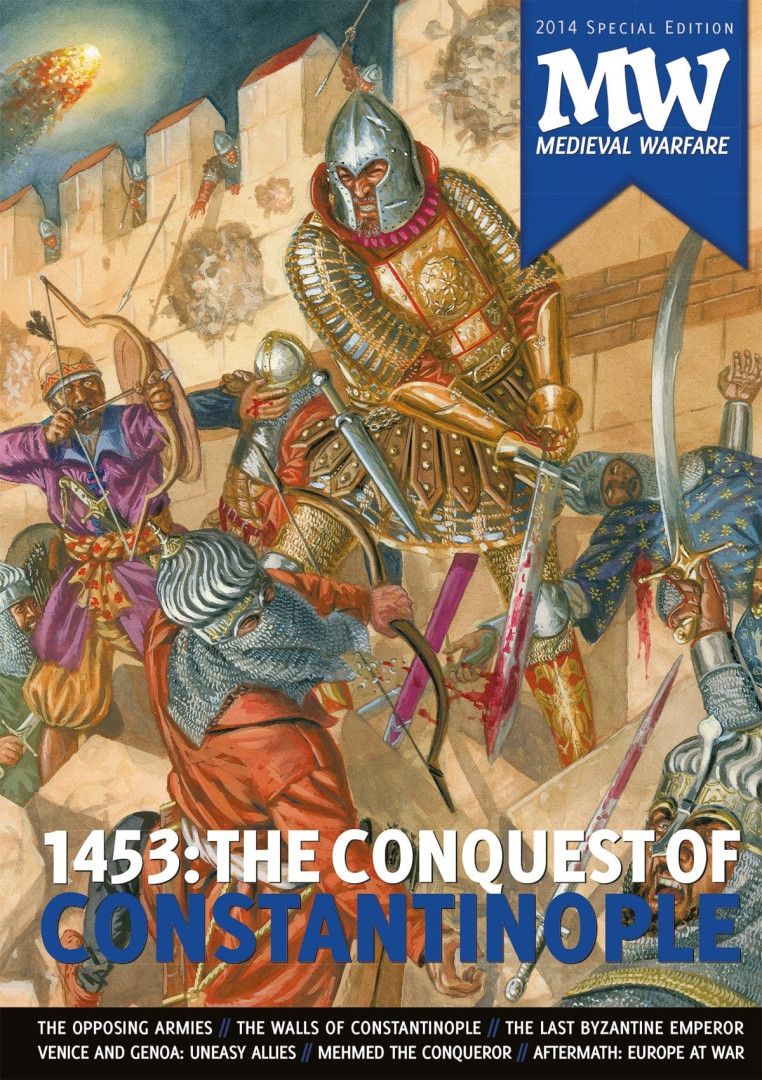
#OTD in 1453, the Byzantine capital of Constantinople was captured by the Ottomans. With this, the Roman Empire - established some 2000 years prior - also came to an end. Our webshop offers an 84-page special all about this pivotal moment: https://t.co/xzfjDBb9pt