رهایی از اعتیاد به افکار کهنه
مهم نیست چگونه و چطور و چند، مهم نیست تا حالا چطوری شده، مهم نیست تا حالا چگونه گذشته، ما چقدر اعتیاد داشتیم، چقدر نقاط ضعف داشتیم، اصلاً مهم نیست. مهم این است که الان میتوانیم این گلیم پوسیده را، این افکا�� کهنه و پوسیده و دست و پاگیر و این مسائل، درگیریها و اسارتها و همه را بزنیم کنار و تبدیل بشویم به یک انسان مستقل، آزاد، رها. آزاد و رها با تعریف درست.
محمدعلی طاهری بنیانگذار مکتب عرفان کیهانی حلقه و سازمان صلح طاهری
#نجات_از_اعتیاد
#رنسانس_فکری
رهایی از اعتیاد به افکار کهنه
مهم نیست چگونه و چطور و چند، مهم نیست تا حالا چطوری شده، مهم نیست تا حالا چگونه گذشته، ما چقدر اعتیاد داشتیم، چقدر نقاط ضعف داشتیم، اصلاً مهم نیست. مهم این است که الان میتوانیم این گلیم پوسیده را، این افکار کهن�� و پوسیده و دست و پاگیر و این مسائل، درگیریها و اسارتها و همه را بزنیم کنار و تبدیل بشویم به یک انسان مستقل، آزاد، رها. آزاد و رها با تعریف درست.
محمدعلی طاهری بنیانگذار مکتب عرفان کیهانی حلقه و سازمان صلح طاهری
#نجات_از_اعتیاد
#رنسانس_فکری
استرسهای پنهان ناشی از عادتها
هر کاری میخواهید بک��ید، یک استرس پنهانی وجود دارد، که بعد از یک مدتی این استرس نهادینه میشود، مزمن میشود و دیگر پشت صحنه دارد کار خودش را میکند، شما چه بدانید، چه ندانید و بعد از یک مدتی میبینید که یک مشکلی، بیماری جسمی، روانی، ذهنی... گریبانگیر شد.
محمدعلی طاهری بنیانگذار مکتب عرفان کیهانی حلقه و سازمان صلح طاهری
#استرس_پنهان
#فرادرمانی
#سایمنتولوژی
استرسهای پنهان ناشی از عادتها
هر کاری میخواهید بکنید، یک استرس پنهانی وجود دارد، که بعد از یک مدتی این استرس نهادینه میشود، مزمن میشود و دیگر پشت صحنه دارد کار خودش را میکند، شما چه بدانید، چه ندانید و بعد از یک مدتی میبینید که یک مشکلی، بیماری جسمی، روانی، ذهنی... گریبانگیر شد.
محمدعلی طاهری بنیانگذار مکتب عرفان کیهانی حلقه و سازمان صلح طاهری
#استرس_پنهان
#فرادرمانی
#سایمنتولوژی
@Taheri_Movement هر کاری میخواهید بکنید، یک استرس پنهانی وجود دارد، که بعد از یک مدتی این استرس نهادینه میشود، مزم�� میشود و دیگر پشت صحنه دارد کار خودش را میکند، شما چه بدانید، چه ندانید و بعد از یک مدتی میبینید که یک مشکلی، بیماری جسمی، روانی، ذهنی... گریبانگیر
#استرس_پنهان
#فرادرمانی
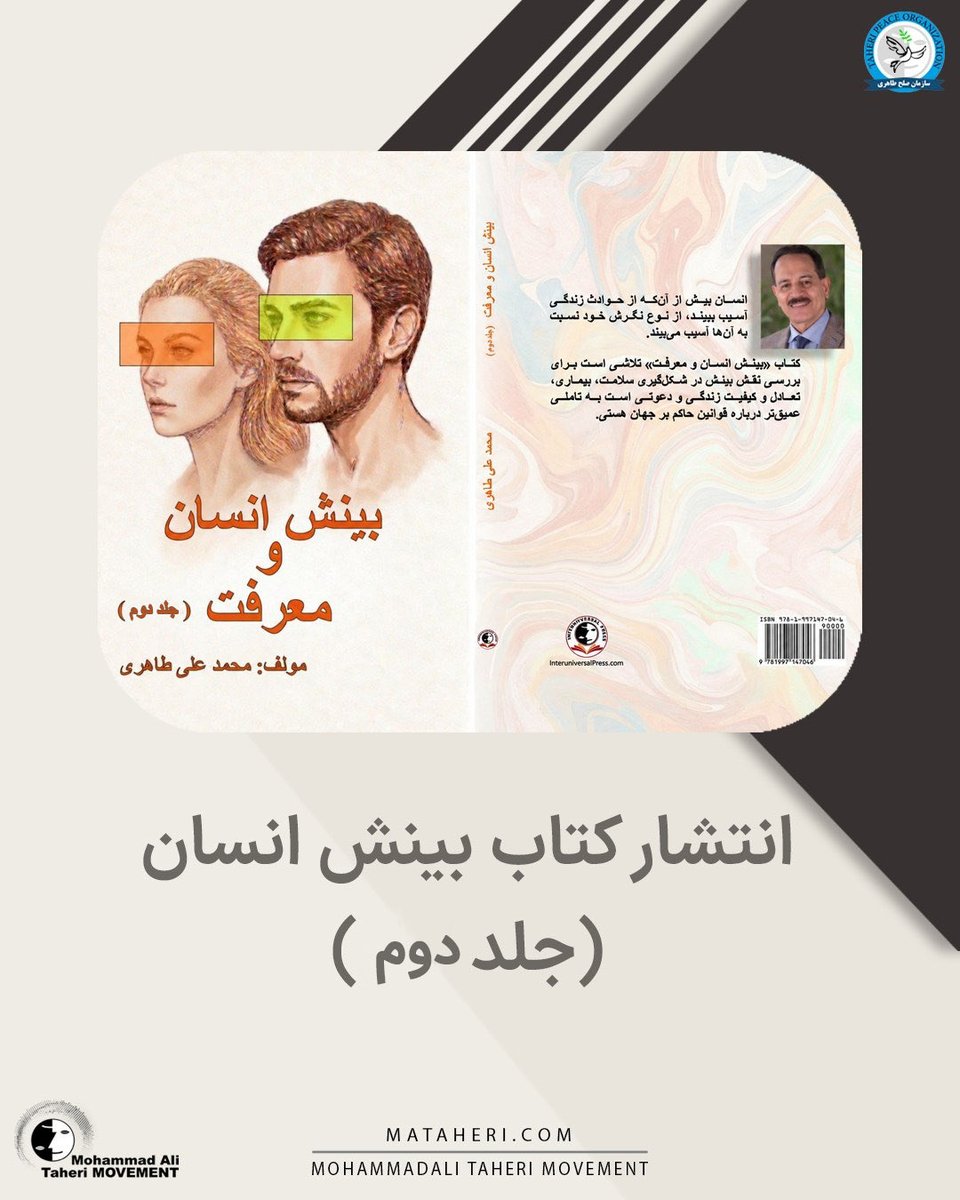
انتشار کتاب بینش انسان (جلد دوم) از سایت آکادمی نظام جدید
محمدعلی طاهری بنیانگذار مکتب عرفان کیهانی حلقه، آکادمی طاهری، موسسه تحقیقات علمی کازمواینتل و سازمان صلح طاهری
لینک اطلاعیه در تلگرام:
https://t.co/7tW6hR20fc…
#آکادمی_طاهری_نظام_جدید#کتاب_بینش_انسان_و_معرفت
انتشار کتاب بینش انسان (جلد دوم) از سایت آکادمی نظام جدید
محمدعلی طاهری بنیانگذار مکتب عرفان کیهانی حلقه، آکادمی طاهری، موسسه تحقیقات علمی کازمواینتل و سازمان صلح طاهری
لینک اطلاعیه در تلگرام:
https://t.co/7tW6hR1spE…
#آکادمی_طاهری_نظام_جدید#کتاب_بینش_انسان_و_معرفت
انتشار کتاب بینش انسان (جلد دوم) از سایت آکادمی نظام جدید
محمدعلی طاهری بنیانگذار مکتب عرفان کیهانی حلقه، آکادمی طاهری، موسسه تحقیقات علمی کازمواینتل و سازمان صلح طاهری
لینک اطلاعیه در تلگرام:
https://t.co/7GN8Efp9cb
@TaheriOfficial#آکادمی_طاهری_نظام_جدید
#کتاب_بینش_انسان_و_معرفت
انتشار کتاب بینش انسان (جلد دوم) از سایت آکادمی نظام جدید
محمدعلی طاهری بنیانگذار مکتب عرفان کیهانی حلقه، آکادمی طاهری، موسسه تحقیقات علمی کازمواینتل و سازمان صلح طاهری
لینک اطلاعیه در تلگرام:
https://t.co/7GN8Efp9cb
@TaheriOfficial#آکادمی_طاهری_نظام_جدید
#کتاب_بینش_انسان_و_معرفت
#DisarmamentWeek: A Call for Peace and Collective Security
Every year, from 24 to 30 October, the international community observes World Disarmament Week, a time to reaffirm our shared commitment to a world free from the threat of weapons of mass destruction and the unchecked proliferation of arms.
Established by the United Nations General Assembly in 1978, Disarmament Week encourages governments, civil society organizations, educators, and individuals to promote awareness of the dangers posed by the arms race and the importance of disarmament in sustaining international peace and security.
The resources devoted to armaments are immense, and they come at a profound human cost. Funds that could advance education, healthcare, and sustainable development are instead directed toward weapons that endanger lives and destabilize societies. Genuine security cannot be built on the accumulation of arms; it is built on trust, dialogue, and cooperation among nations.
On this occasion, we call upon states to honor their disarmament obligations, to strengthen existing treaties, and to pursue diplomacy over confrontation. We also encourage every citizen to take part by learning, speaking out, and supporting efforts to build a more peaceful world.
The generations that follow us deserve to inherit a world defined not by the fear of conflict, but by the promise of peace.
#DisarmamentWeek #WorldDisarmamentWeek #Peace
#Disarmament #GlobalSecurity
Observed each year on 24 October, the International Day of Climate Action traces its origins to 2009, when thousands of events were held in well over a hundred countries to call for urgent, science-based action on the climate crisis. It remains a reminder that climate action is not the work of governments alone, but a movement carried by communities across the world.
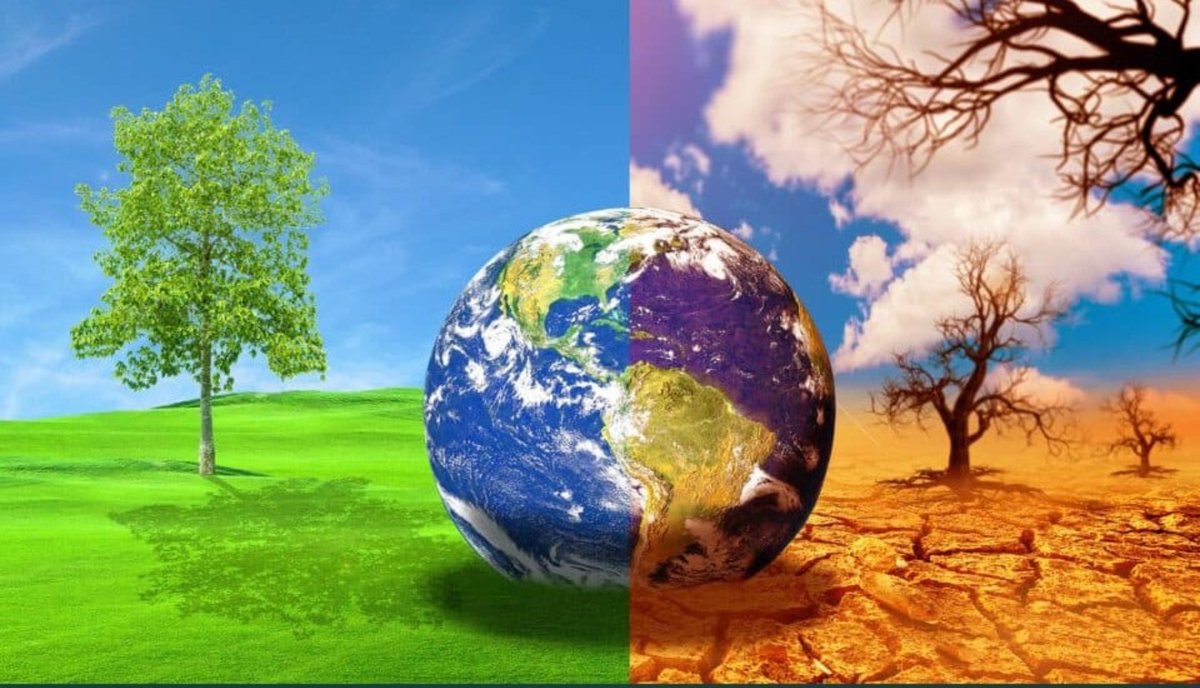
Decades of scientific research confirm that human activity, above all the burning of fossil fuels, is warming the planet. The consequences are already visible: more frequent heatwaves, severe floods and droughts, rising sea levels, threatened food and water security, and growing pressure on ecosystems and livelihoods. These effects fall hardest on communities that have contributed least to the problem.
The Paris Agreement of 2015 set the goal of limiting global warming to well below 2°C, while pursuing efforts to keep it to 1.5°C. Meeting this goal requires deep and rapid reductions in greenhouse gas emissions, a just transition to clean energy, and substantial support for adaptation, particularly in vulnerable and developing countries.
Renewable energy, energy efficiency, sustainable transport, the protection of forests and oceans, and climate-resilient agriculture are proven pathways. Their success depends on political will, responsible investment, innovation, and international cooperation grounded in fairness and shared responsibility.
Businesses can decarbonize their operations and supply chains. Cities can plan for resilience and clean mobility. Educators and young people can raise awareness and demand accountability. Individuals can make informed choices about energy, consumption, and waste, and can add their voices to calls for change.
The decisions made in this decade will shape the conditions of life for generations to come. On this day, let us renew our commitment to ambition, solidarity, and action, so that future generations inherit a stable climate and a thriving planet.
#ClimateActionDay #InternationalDayOfClimateAction
#ClimateAction #ClimateJustice #ParisAgreement
#SustainableFuture
#InternationalDayofClimateAction
In 1972, the United Nations General Assembly designated 24 October as a day to bring the challenges of development to the attention of the world's public, and to promote the international cooperation needed to address them. More than five decades later, its central insight endures: people cannot shape a future they do not understand, and communities cannot claim opportunities they do not know exist.
Behind every successful development effort stands a chain of communication. A farmer who receives timely weather and market information can protect a harvest. A mother who understands vaccination schedules can safeguard her child's health. A young person who learns of a scholarship can change the course of a life. Information, in this sense, is not a by-product of development; it is one of its most powerful instruments.
Today, the world produces more information than at any point in history, yet its benefits are unevenly shared. Limited infrastructure, high costs, language barriers, and gaps in digital skills continue to exclude large segments of humanity, particularly women, rural communities, older persons, and those living in poverty. Where information is scarce, inequality tends to deepen.
Access alone is not enough. Information must also be accurate, relevant, and trustworthy. Independent media, open government data, and strong public statistical systems build the trust on which cooperation depends, while media and information literacy equips people to distinguish reliable sources from falsehoods.
New technologies, including artificial intelligence and satellite-based data, offer unprecedented tools for monitoring progress, anticipating crises, and targeting assistance where it is needed most. Their promise will be realized only if they are guided by transparency, privacy protection, inclusiveness, and respect for human rights.
Governments, businesses, civil society, and individuals each have a part to play: expanding connectivity, publishing open data, supporting local-language content, and safeguarding the freedom to seek and share information.
Development is, at its heart, a collective endeavor, and collective endeavors depend on shared understanding. On this day, let us renew our resolve to ensure that knowledge is a right enjoyed by all, and not a privilege held by a few.
#WorldDevelopmentInformationDay #InformationForDevelopment #DigitalInclusion
#OpenData
#MediaLiteracy #LeaveNoOneBehind
#WDIMyk2026