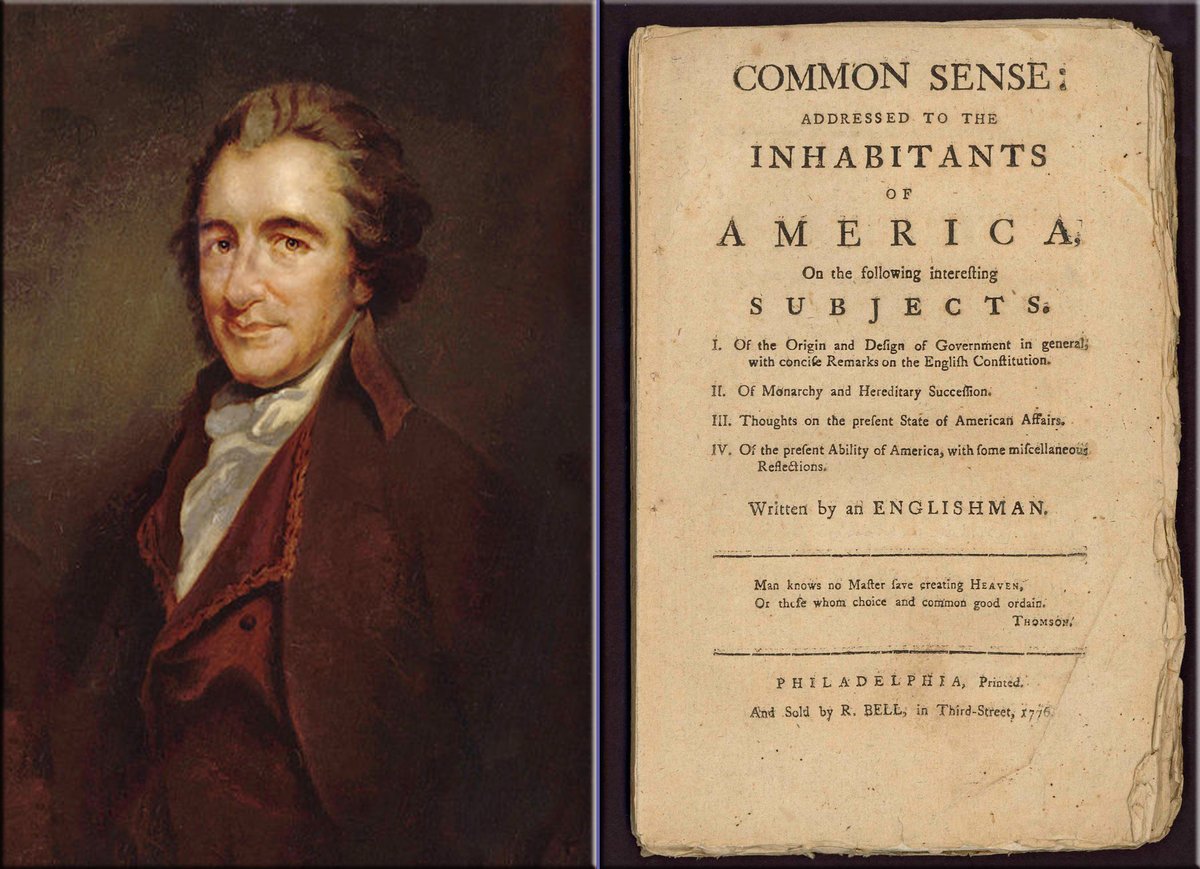
He witnessed America’s birth and recorded what he saw. Revolutionary War veteran of seven major campaigns. Trusted by Washington. Jefferson's Sec of War.
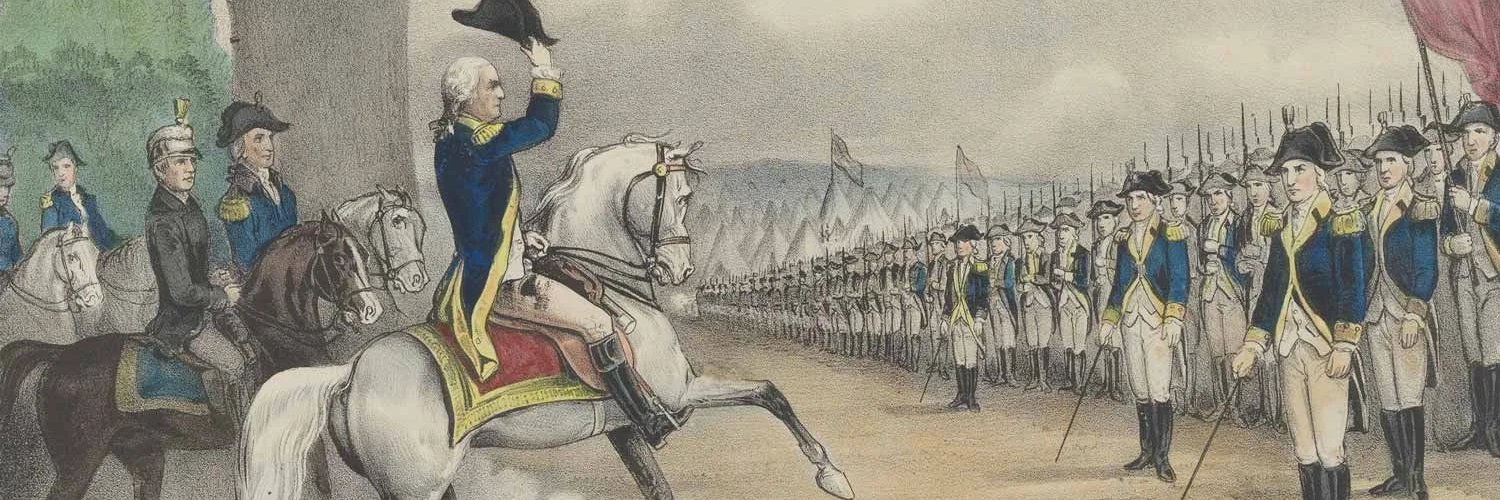
#OnThisDay in 1776, General George Washington formed a unit for his protection, his Life Guards.
Washington requested that his regiments send men for this unit who were sober, honest, between 5'8"-5'10, and "clean and spruce."
#OTD - March 11, 1780
The French 32‑gun frigate L’Hermione sailed from France, soon to carry the Marquis de Lafayette back to America with news of deeper French support—vital for the allied naval pressure that helped win Yorktown.
Before there was a U.S. Navy “blue-water” fleet, there was Benedict Arnold’s scratch-built flotilla on Lake Champlain in 1776—tiny gondolas and galleys that stalled a British advance long enough to help set up the victory at Saratoga.
"The issue today is the same as it has been throughout all history, whether man shall be allowed to govern himself or be ruled by a small elite."
- Thomas Jefferson
#WednesdayWisdom
The First Amendment is the engine that makes “we the people” real in everyday life. It takes the abstract idea of popular sovereignty and protects the concrete tools ordinary people need to exercise it.
Without that shield, “we the people” is just a slogan; with it, it’s a working system where consent is argued out loud and in the open.
In the founding era, saying “We the People” was a radical act.
It shifted authority up from kings and parliaments to the people themselves, who now claimed the right to design, judge, and, if necessary, remake their own government.
That’s the heartbeat of the Revolution: a political order that exists by our consent, bound to the liberty we bled for—not the other way around.
On this Day #Mar10Day - Nook’s Hill is one of those quiet Revolutionary War details that almost never make the popular cut—and absolutely should.
Everyone knows Dorchester Heights forced the British out of Boston in March 1776. Fewer people realize Washington’s “fateful gamble” wasn’t just the Heights themselves, but the push to extend his grip to a smaller rise called Nook’s Hill, even closer to the town and the Neck.
By early March, the siege of Boston had dragged on for months. Washington finally had the Ticonderoga guns in place on Dorchester Heights, threatening both the British fleet and the town. But he wasn’t done. The plan was to move onto Nook’s Hill and the points opposite the south end of Boston, tightening the noose until General Howe either attacked in desperation or sailed away.
The British understood exactly what that meant.
On the night of March 9–10, 1776, American troops moved onto Nook’s Hill to work on new fortifications. Someone lit a fire—against orders—and the glow gave them away. British guns along the lines and from the harbor opened up, unleashing a furious bombardment that lasted for hours. Contemporary accounts put it at hundreds of rounds through the night.
The cost was real. Several Americans were killed in the barrage, including at least four in one blast near the work party on the hill, and more were wounded. Yet the position held. By morning, the Americans were still on Nook’s Hill, shaken and bloodied, but not driven off.
Here’s the quiet power of the moment: there’s no famous “Battle of Nook’s Hill” in school textbooks. No holiday, no big painting. Just men clinging to an unfinished earthwork under British fire, executing a piece of Washington’s larger design.
Within a week, the British chose evacuation over a suicidal assault against positions they could no longer dominate. Boston was liberated without a grand set‑piece battle. Dorchester Heights gets the headlines, as it should—but Nook’s Hill is where you see the granular reality of the siege: cold, smoke, bad visibility, a forbidden fire, a night of iron, and the stubborn refusal to let go of one more scrap of ground. #AmRev #RevWar
James Monroe, the last US president to fight in the Revolutionary War as a Continental Army officer, took part in the crossing of the Delaware River and the Battle of Trenton alongside George Washington
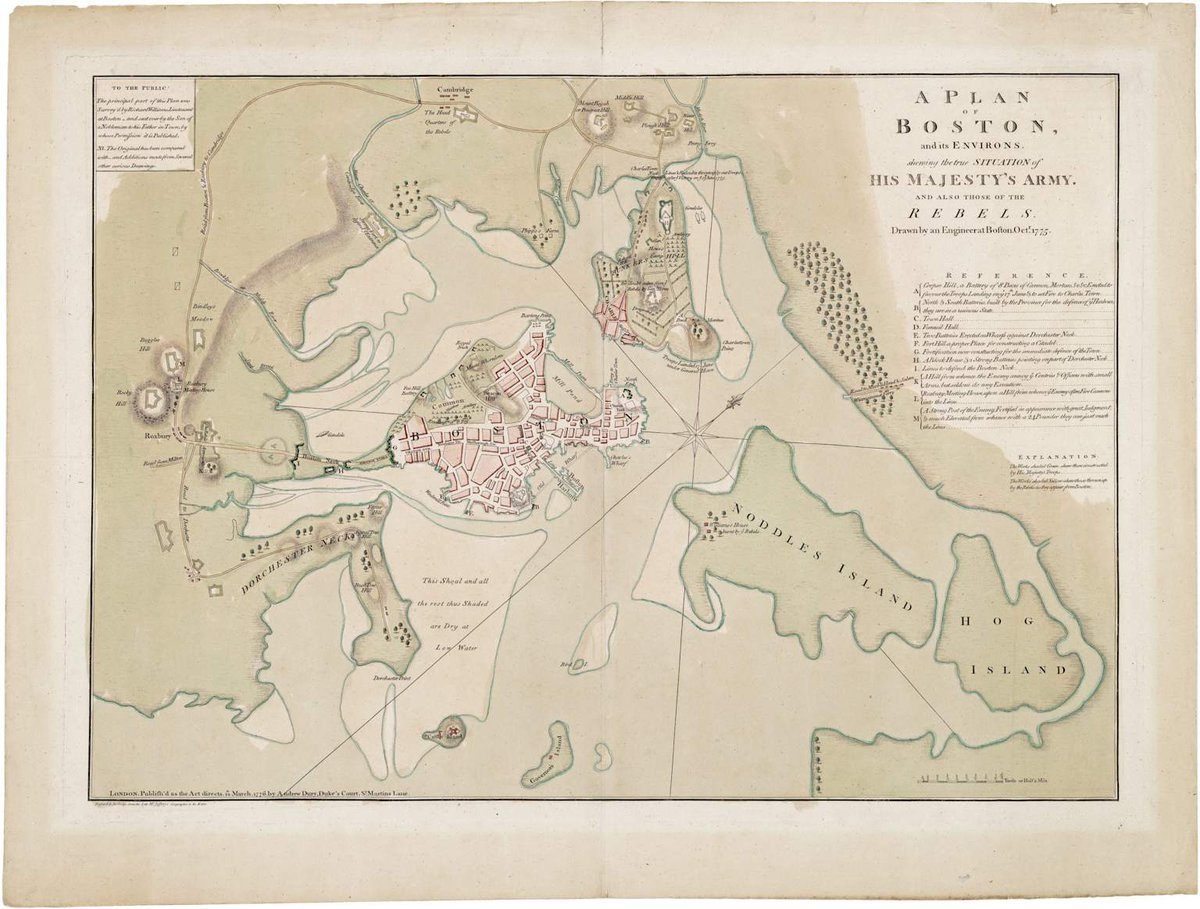
#OTD The guns began before dawn on Nook’s Hill, 9 March 1776.
A detachment under Brigadier General John Thomas, sent to push Washington’s new line beyond Dorchester Heights, was roughing in its works when someone, against orders, lit a fire behind the hill. The glow betrayed them.
British guns from Boston Neck and the harbor opened with a furious barrage, part of the hundreds of shells and round shot hurled at the raw American position that night.
A junior officer shouted for the men to stamp out the flames and hug the half‑finished parapet. One shell burst near the gathered work party, killing four on the spot, including Dr. Dow of Connecticut, while another man was struck at the point nearest Castle Island. The shock staggered the detachment, but they did not break.
In Cambridge, George Washington framed his report to John Hancock, explaining that seizing Dorchester had been “only preparatory to taking post on Nuke [Nook’s] Hill and the points opposite the south end of Boston.”
If they could hold this battered rise, they would tighten the noose around General Howe. By morning, the British guns fell silent, and Nook’s Hill—scarred, unfinished, and paid for in blood—remained in American hands, another grim step toward the evacuation of Boston. #9Mar
According to legend, at the Battle of Monmouth (June 28, 1778), Mary Hays, wife of artilleryman William Hays, carried water to cool both the cannon and the soldiers in her husband’s battery—hence the nickname “Molly Pitcher.”
Legend also asserts that when William Hays collapsed or was wounded, she took her husband’s place in the gun crew for the rest of the battle.
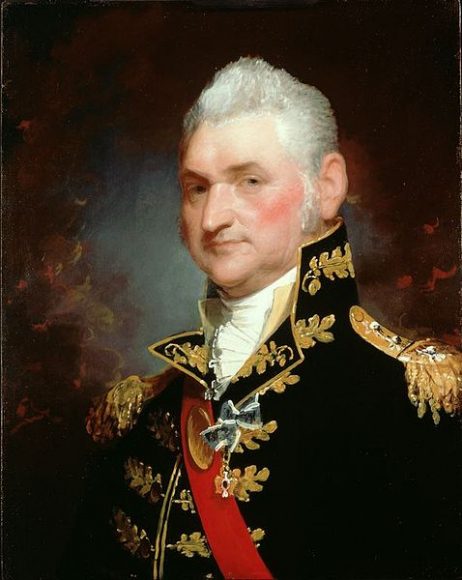
Henry Dearborn served as an officer under Washington at this battle.
#WomensHistoryMonth
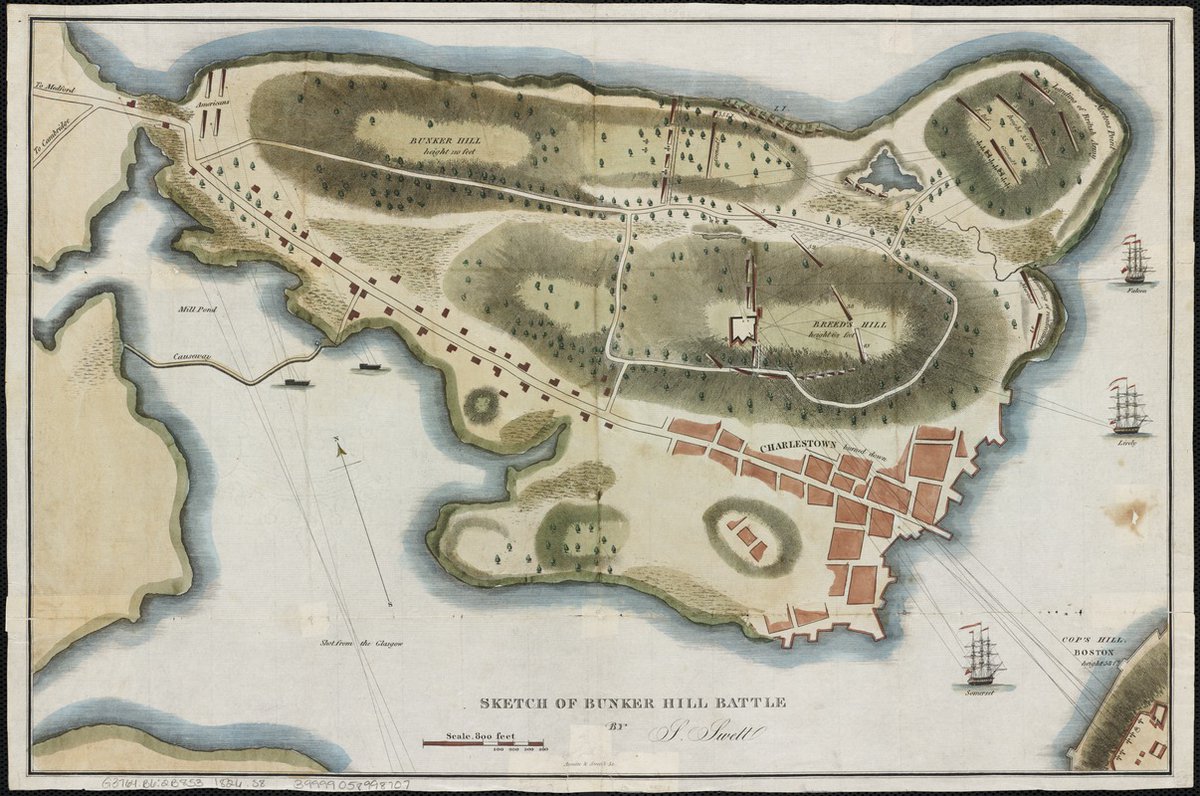
Behind the rail fence at Bunker Hill, Dearborn watched the approaching lines with a clinical more than a soldierly detachment, noting the officers who led each company, the drummers who beat the advance, the flags that rippled even in the still air. His hands were steady on his own musket.
His breathing was slow and controlled. Around him, his patriot men crouched behind the hay-stuffed fence, their weapons loaded, their fingers on their triggers, waiting for the order that would unleash lead and hell.
#AmRev #RevWar
When the United States completed the Louisiana Purchase in December 1803, the nation doubled its size overnight—828,000 square miles acquired for $15 million, roughly three cents per acre. President Thomas Jefferson's audacity had overcome constitutional doubts and Federalist opposition to achieve what seemed impossible: the peaceful acquisition of an empire through negotiation rather than war.
But vision alone does not secure territory. Treaties signed in Paris do not automatically translate into authority exercised in New Orleans, St. Louis, or the countless frontier settlements scattered along the Mississippi and its tributaries. Someone had to ensure that the greatest territorial acquisition in American history did not collapse into military confusion, diplomatic incidents, or frontier chaos.
That someone was Henry Dearborn.
#History #AmericaFirst






![generaldearborn's tweet photo. #OTD The guns began before dawn on Nook’s Hill, 9 March 1776.
A detachment under Brigadier General John Thomas, sent to push Washington’s new line beyond Dorchester Heights, was roughing in its works when someone, against orders, lit a fire behind the hill. The glow betrayed them.
British guns from Boston Neck and the harbor opened with a furious barrage, part of the hundreds of shells and round shot hurled at the raw American position that night.
A junior officer shouted for the men to stamp out the flames and hug the half‑finished parapet. One shell burst near the gathered work party, killing four on the spot, including Dr. Dow of Connecticut, while another man was struck at the point nearest Castle Island. The shock staggered the detachment, but they did not break.
In Cambridge, George Washington framed his report to John Hancock, explaining that seizing Dorchester had been “only preparatory to taking post on Nuke [Nook’s] Hill and the points opposite the south end of Boston.”
If they could hold this battered rise, they would tighten the noose around General Howe. By morning, the British guns fell silent, and Nook’s Hill—scarred, unfinished, and paid for in blood—remained in American hands, another grim step toward the evacuation of Boston. #9Mar](https://pbs.twimg.com/media/HC-G7IoaoAA4BZK.jpg)