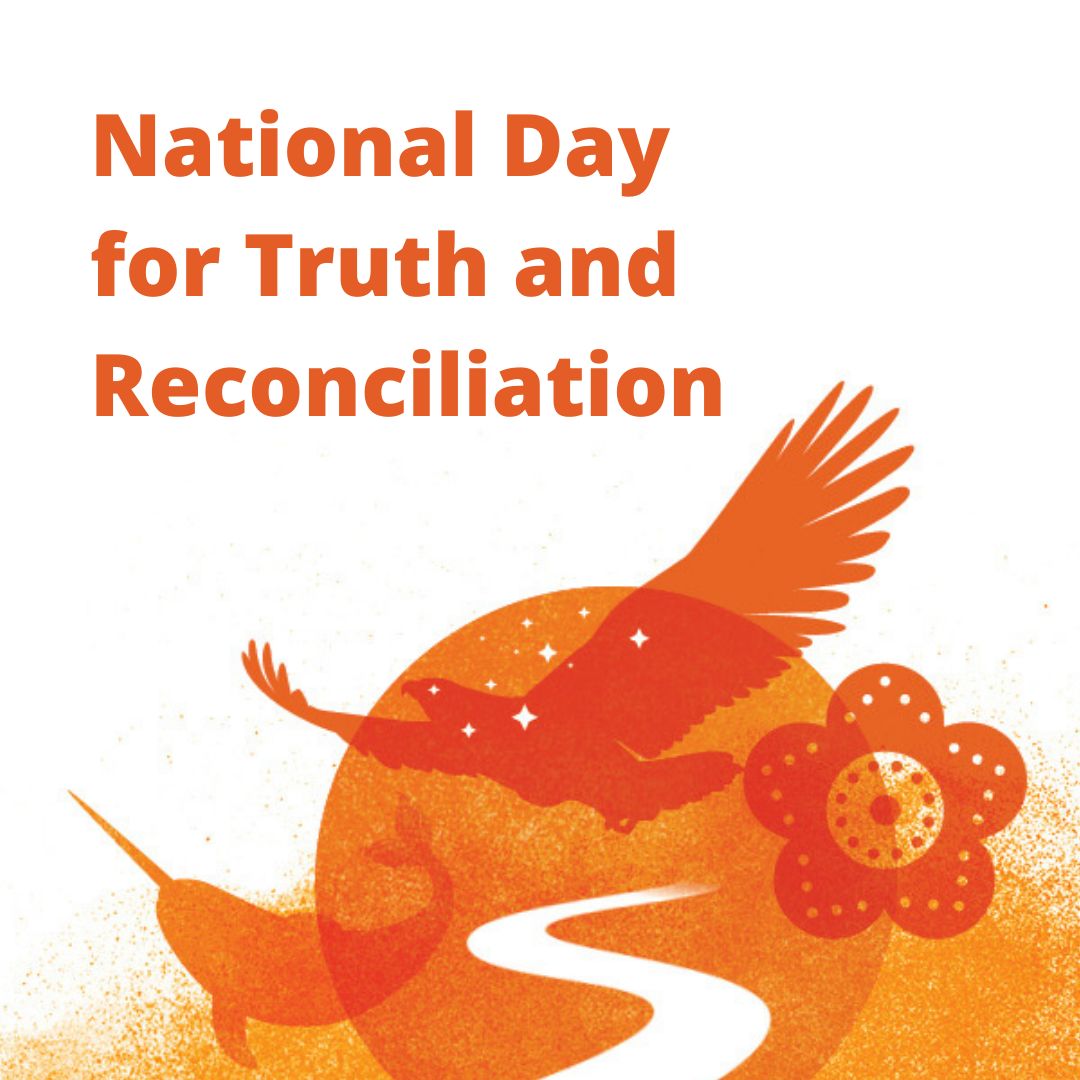
10: Reconciliation requires sustained public education and dialogue, including youth engagement, about the history & legacy of residential schools, Treaties, and Aboriginal rights, as well as the historical and contemporary contributions of Aboriginal peoples to Canadian society.
The Truth and Reconciliation Commission of Canada believes that in order for Canada to flourish in the twenty-first century, reconciliation between Aboriginal and non-Aboriginal Canada must be based on the following principles. #ForAHealthyFuture
9: Reconciliation requires political will, joint leadership, trust building, accountability, and transparency, as well as a substantial investment of resources.
Today, we continue to recognize the tragic history, intergenerational harm and ongoing legacy of residential schools, as well as honouring survivors, their families and communities. While some progress has been made, we haven't done nearly enough.
An interview full of insights with @DrLyleMD of @keycareinc. His idea of the future of virtual care is a nice balance of vision and pragmatism. https://t.co/cda0g7bR6N