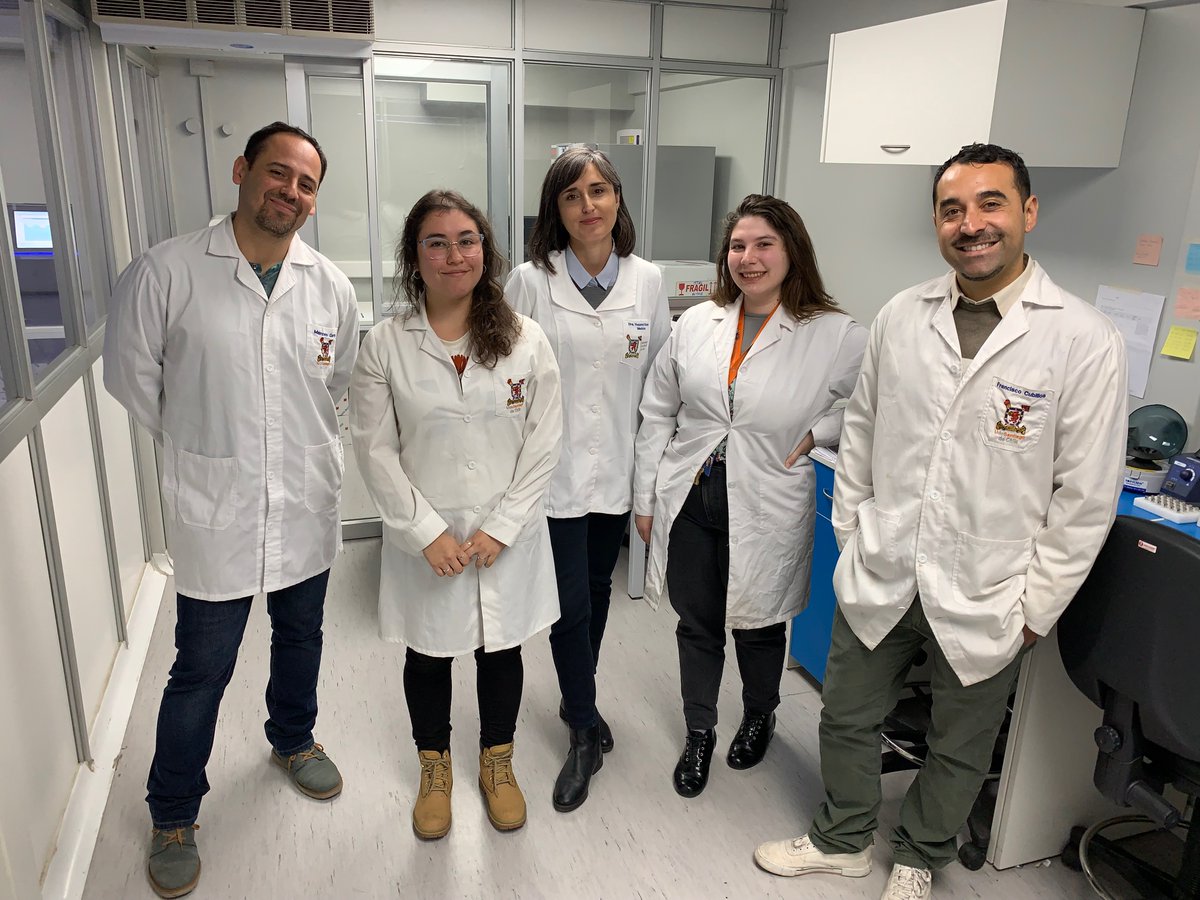
Agrupación de investigador@s en Chile con interés en genómica del virus SARS-CoV-2. (Association of Chilean researchers with interest in SARS-CoV-2 genomics).
💉🔬¡Descubre cómo la @usach fortalecerá la vigilancia genómica del #COVID19 en Latinoamérica!
🧬 Gracias al proyecto de colaboración internacional del Fondo Chile-México avanzamos hacia una respuesta más efectiva contra este #virus
◾ Detalles: https://t.co/UeV1tIv37O
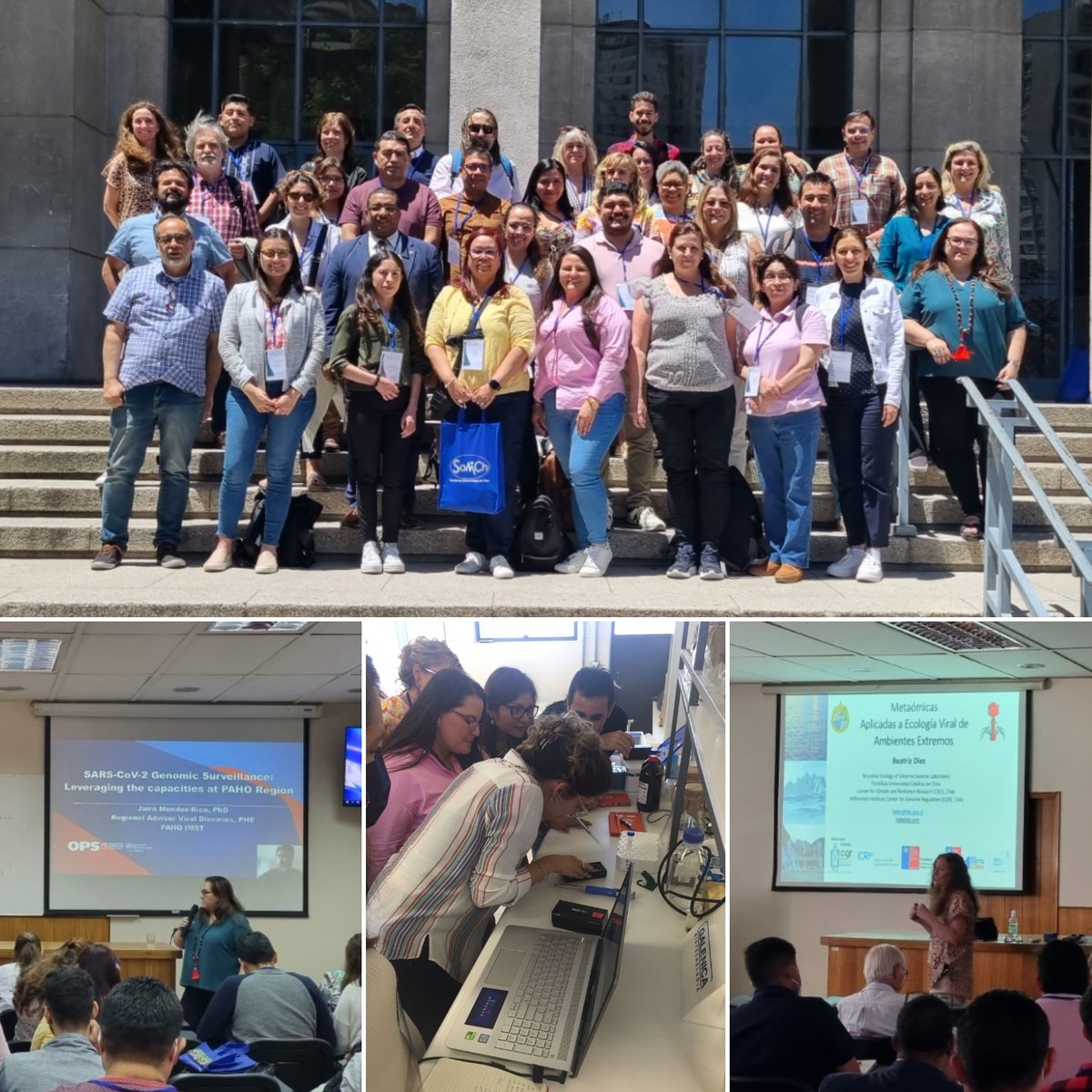
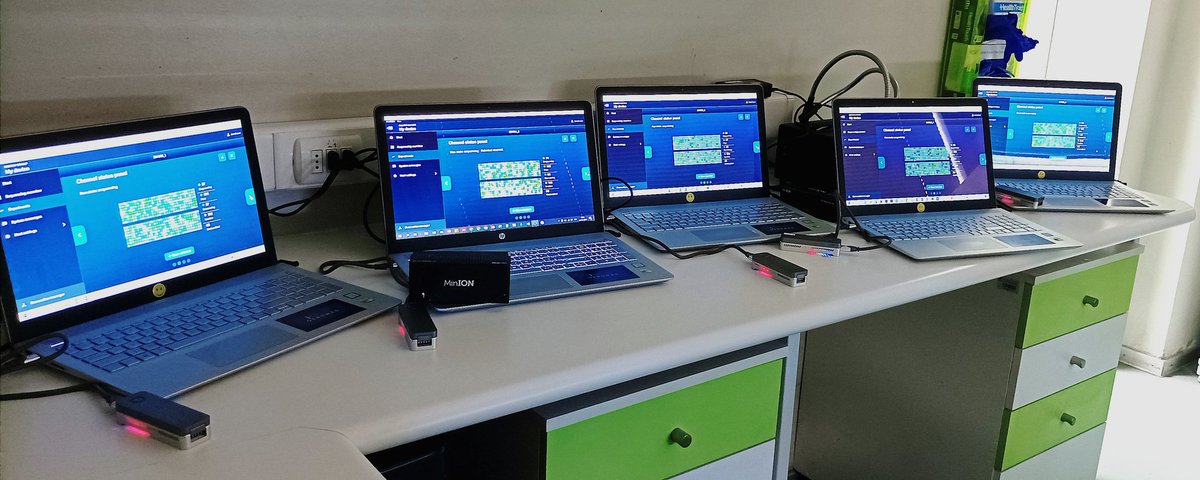
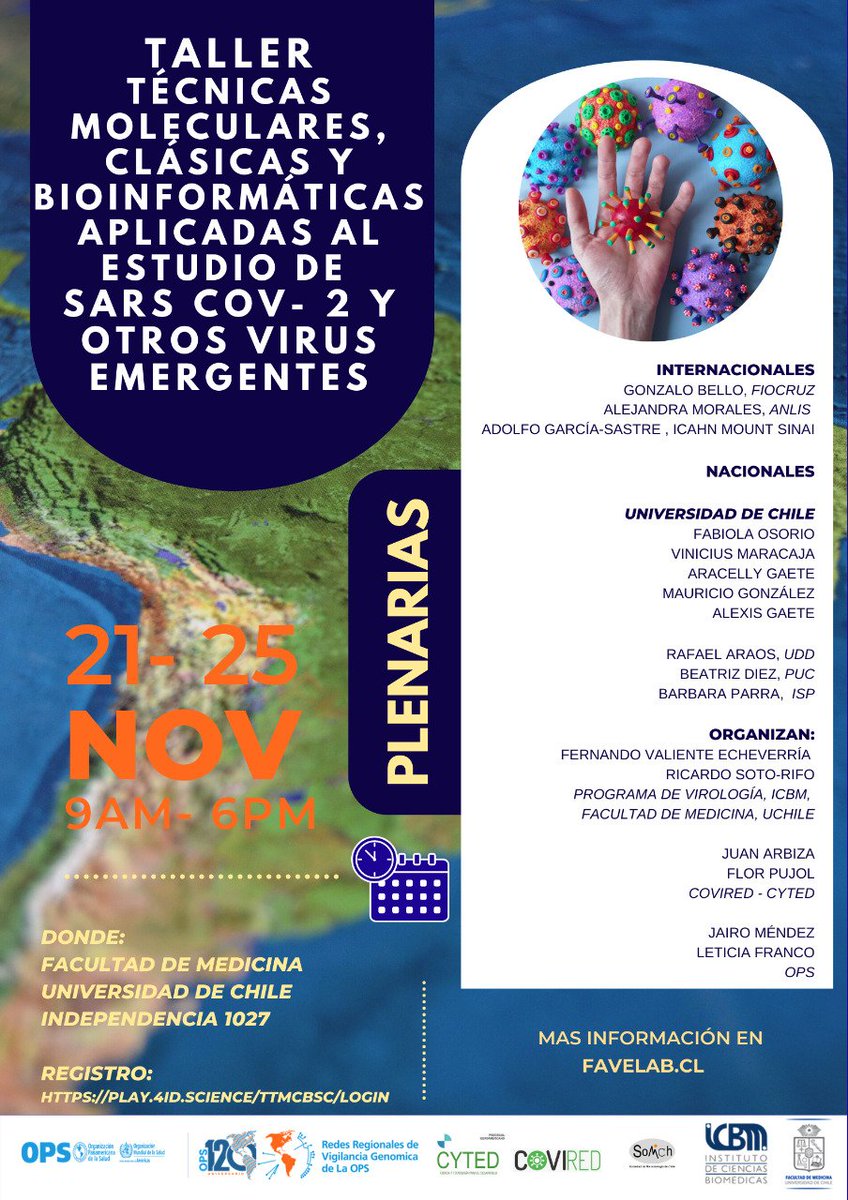
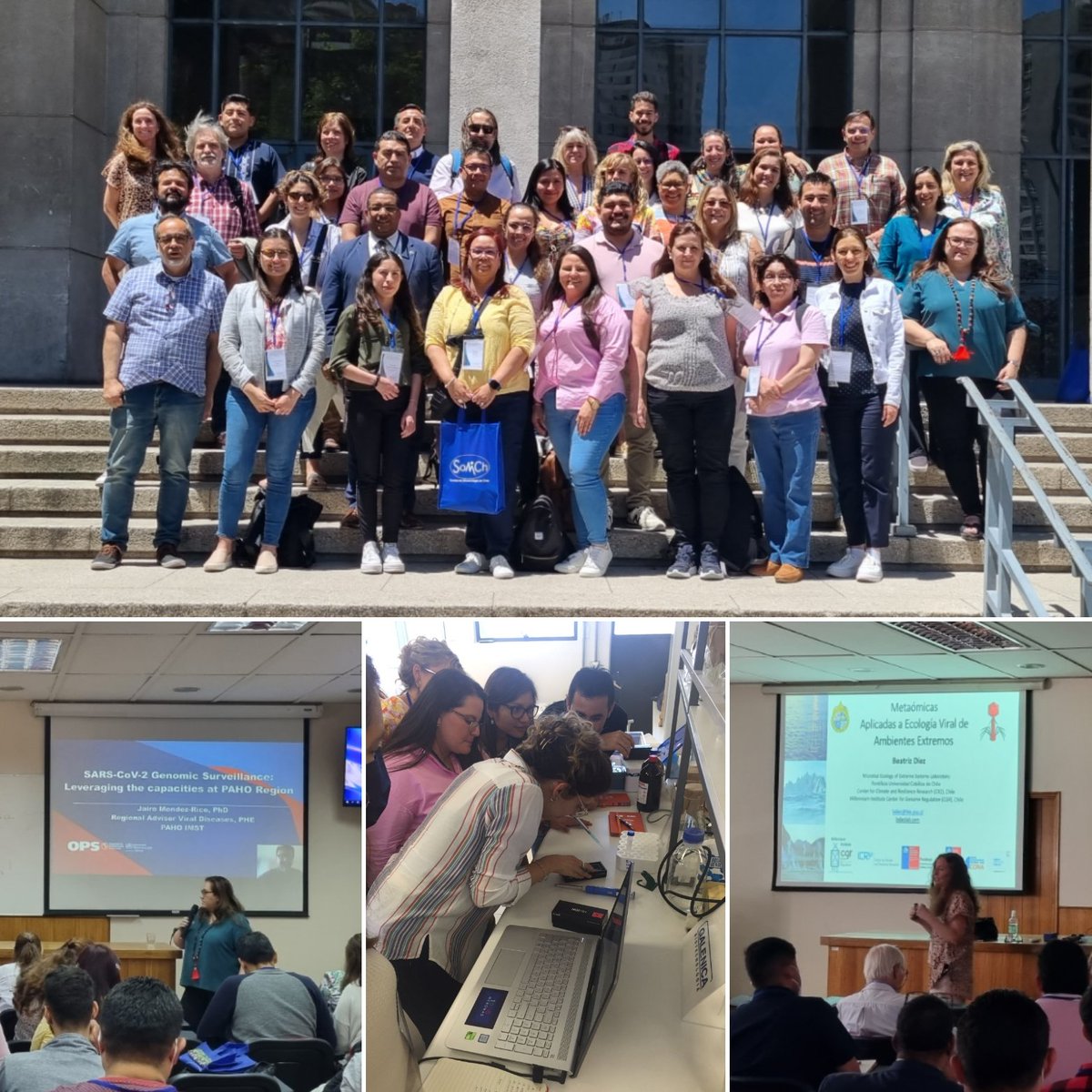
Our participation as @for_genome for the sequencing SARS CoV-2 genome through Nanopore technology in the workshop "Técnicas moleculares, clásicas y bioinformáticas aplicadas al estudio de SARS CoV-2" organized by
@pelaofunk@Programa_CYTED@opsoms
OMS acaba de lanzar una estrategia global de 10 años para la vigilancia genómica de patógenos, enfatizando la necesidad de desarrollar capacidades locales y promover #datosabiertos para mejorar la capacidad de respuesta de todos los países.
21/
https://t.co/qqXTqfz0eK
Después de dos años de estar contribuyendo al diagnostico en #Atacama, hemos recibido la autorización del @ispch para realizar vigilancia genómica de SARS-CoV-2, gracias a todos quienes hicieron esto posible, la @UAtacama, @goreatacama, @GenomasCgc etc, seguimos !!!
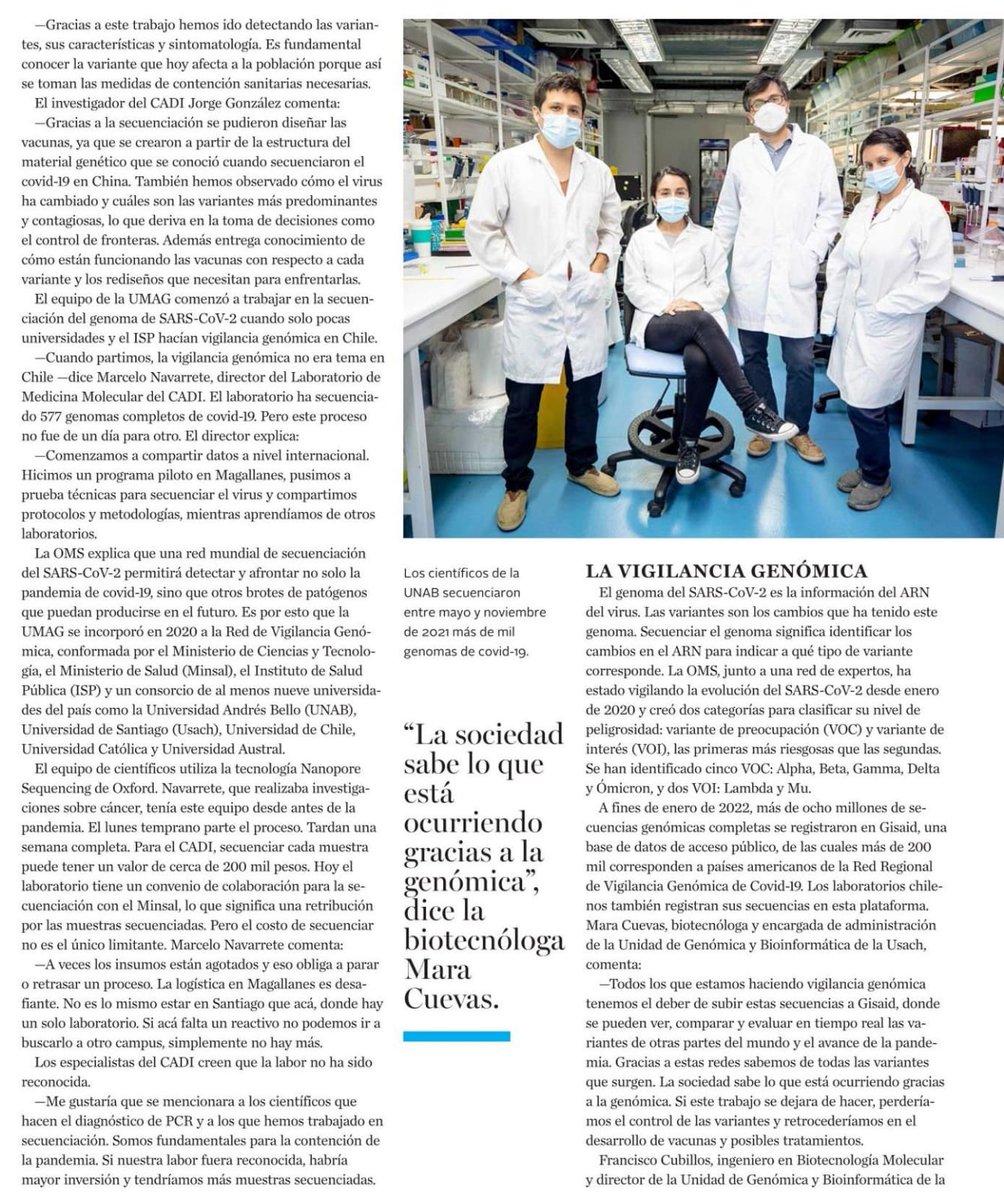
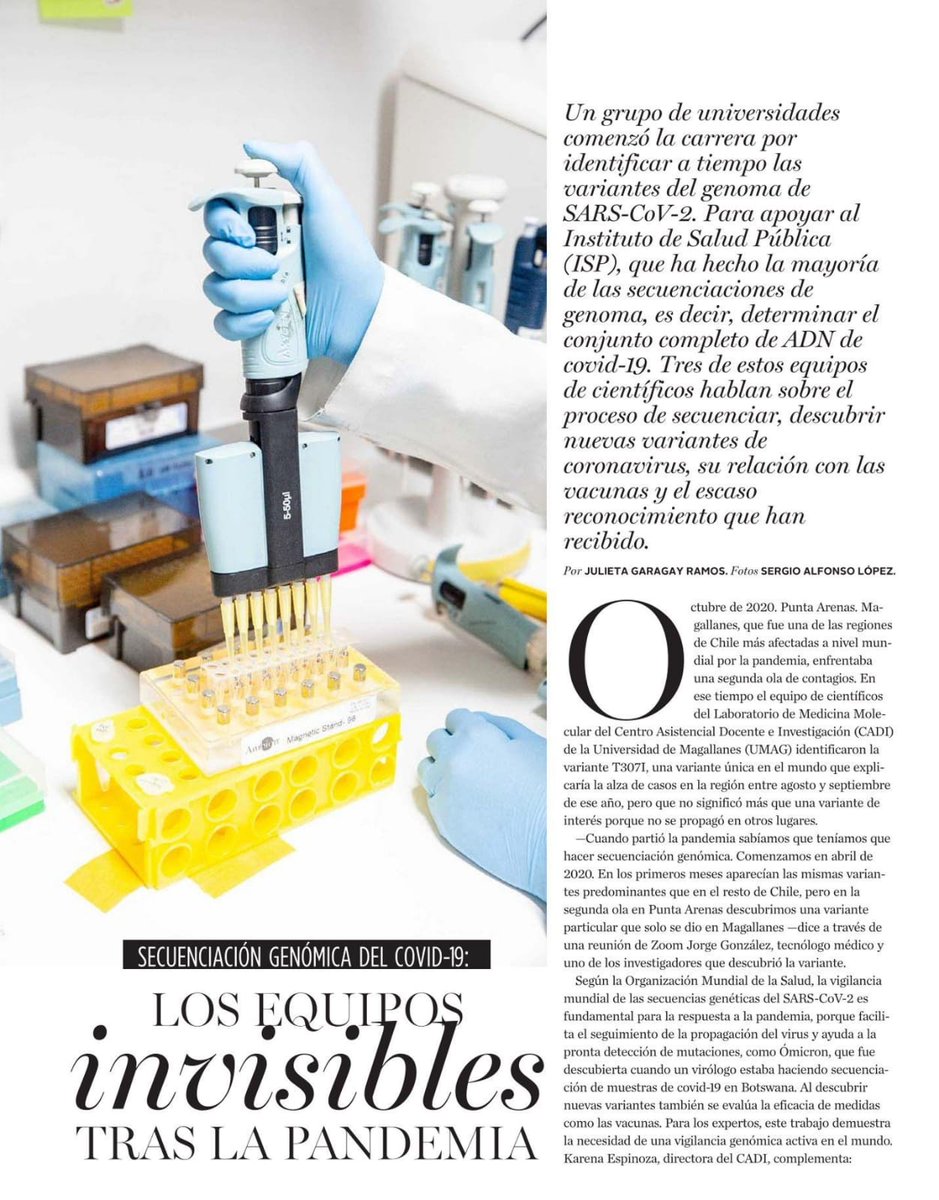
🥼🧪Hoy la @Revista_Ya destaca los esfuerzos para la secuenciación genómica de distintas universidades que participan del Grupo de Vigilancia de variantes para el Sars-CoV-2.
Un gran aporte de la comunidad científica en coordinación con @min_ciencia 👇https://t.co/FNziiqm1HD
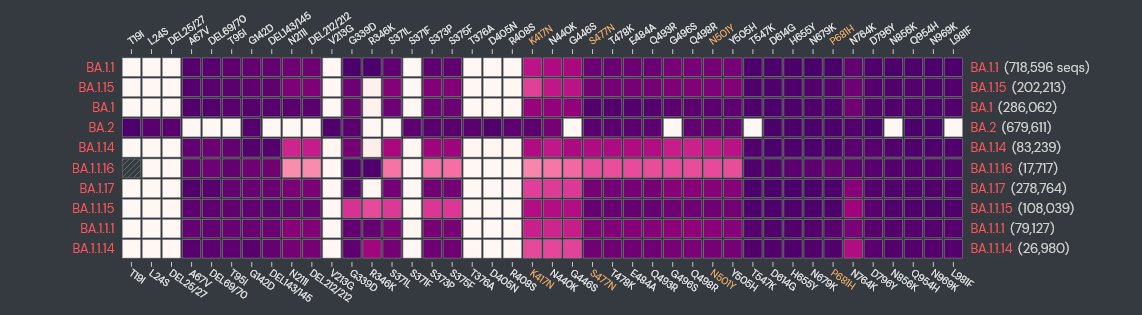
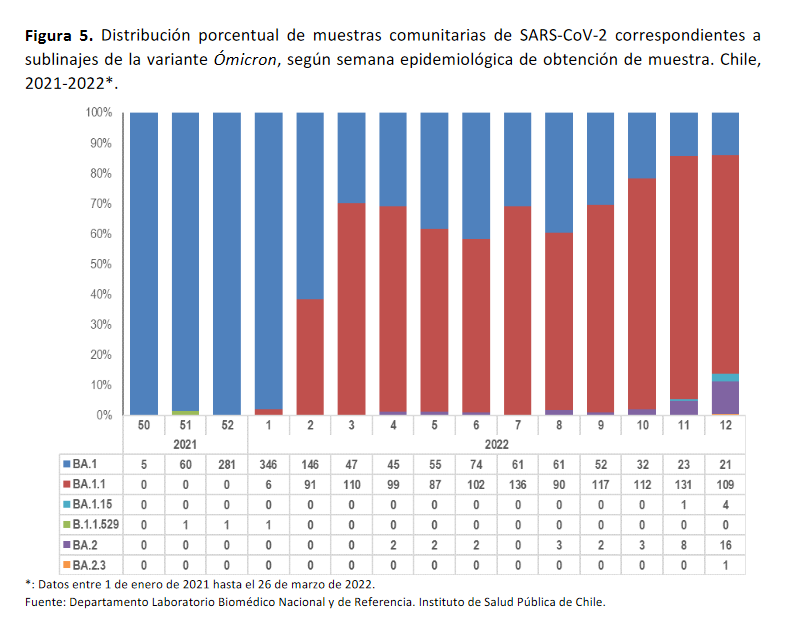
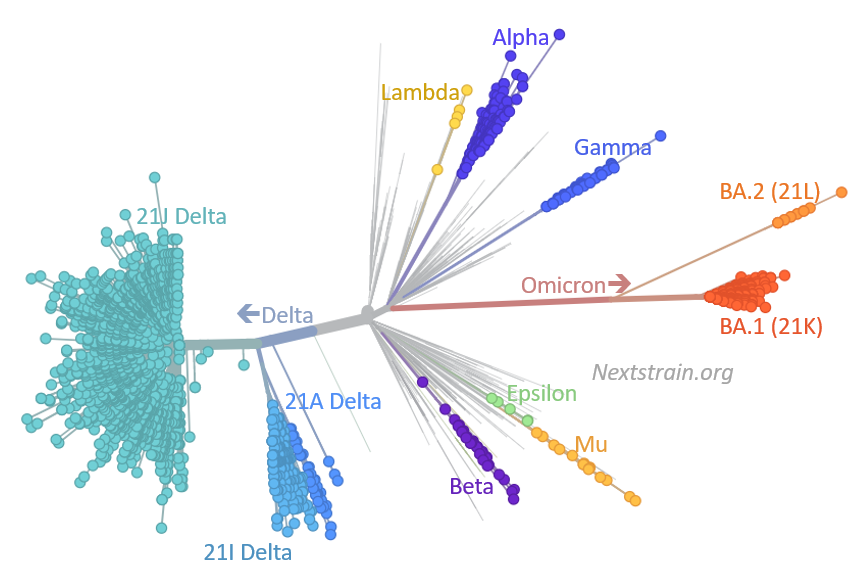
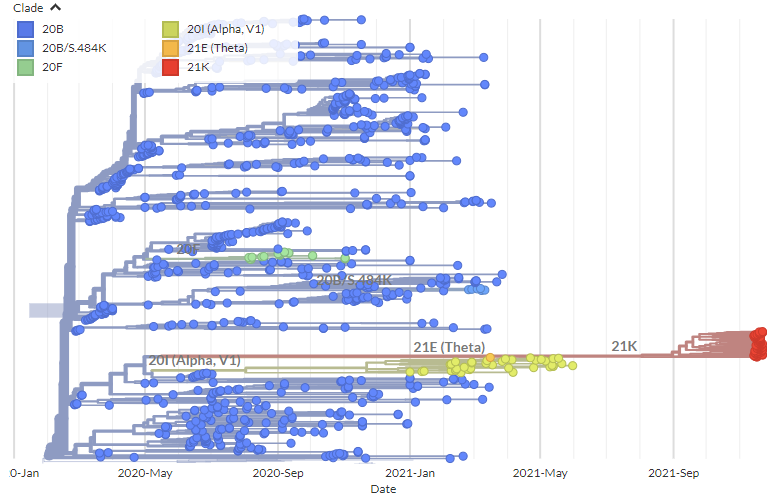
This filtered @Nextstrain build gives a nice visual display of how distant the Omicron family is from everything else, & how different BA.1 (21K) & BA.2 (21L) are from each other. Distance is in mutations.
https://t.co/mrPRngyQFv
1/12 In our paper "The hyper-transmissible SARS-CoV-2 Omicron variant exhibits significant antigenic change, vaccine escape and a switch in cell entry mechanism", a huge team effort, we describe a fundamental shift in antigenicity and cell entry of the SARS-CoV-2 Omicron variant
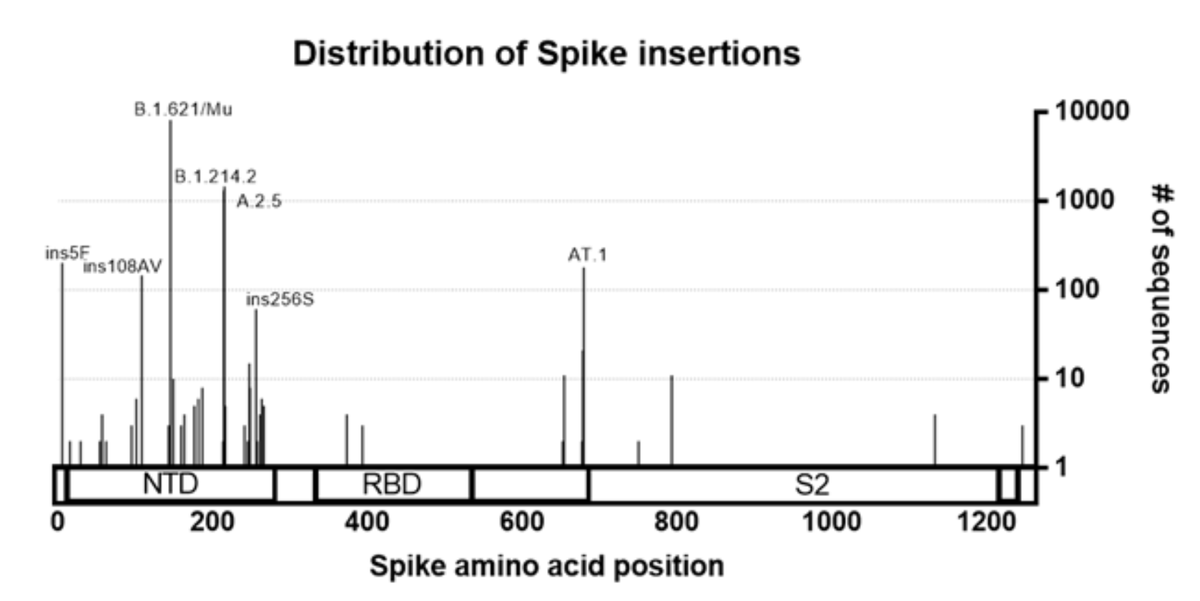
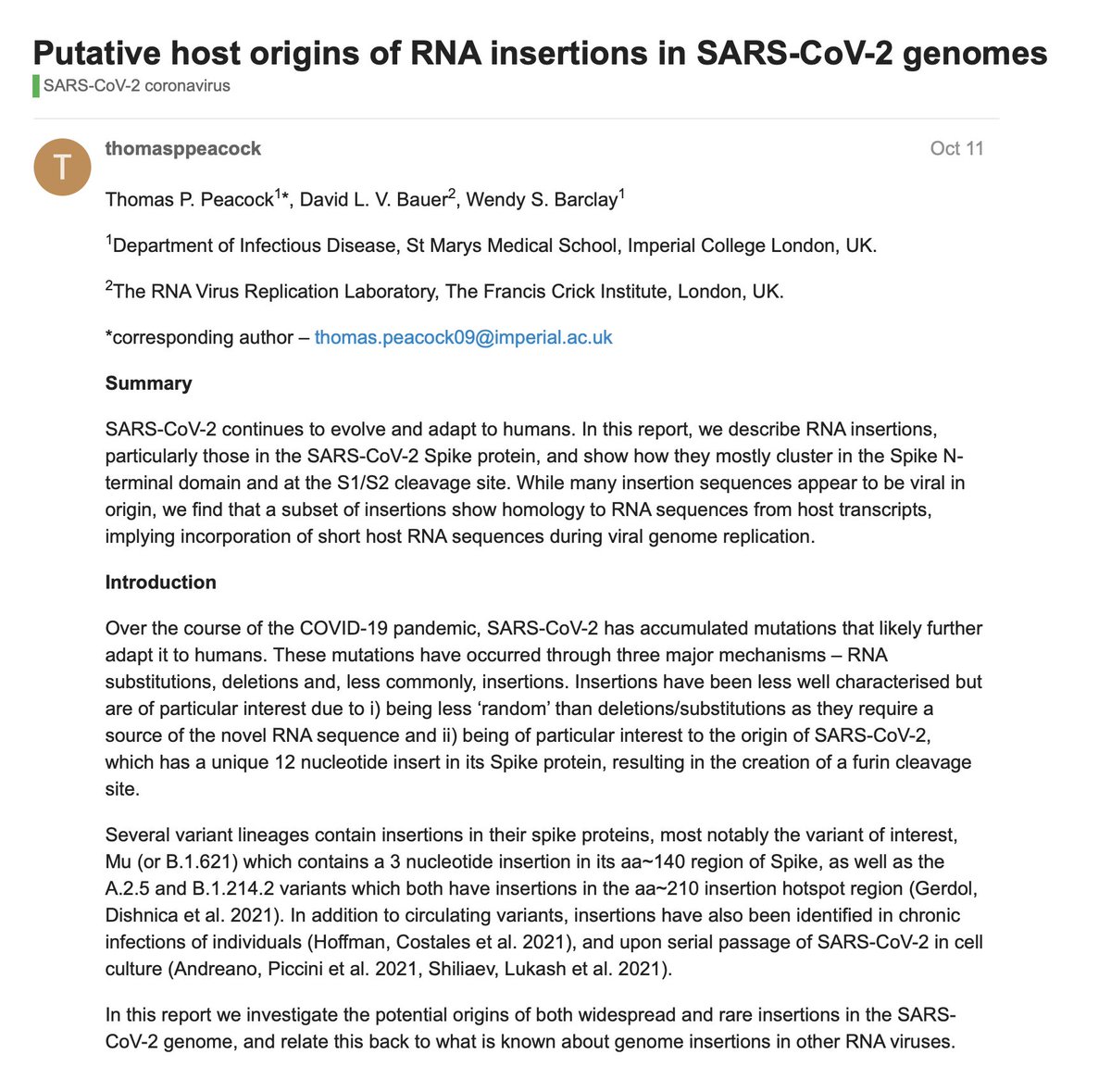
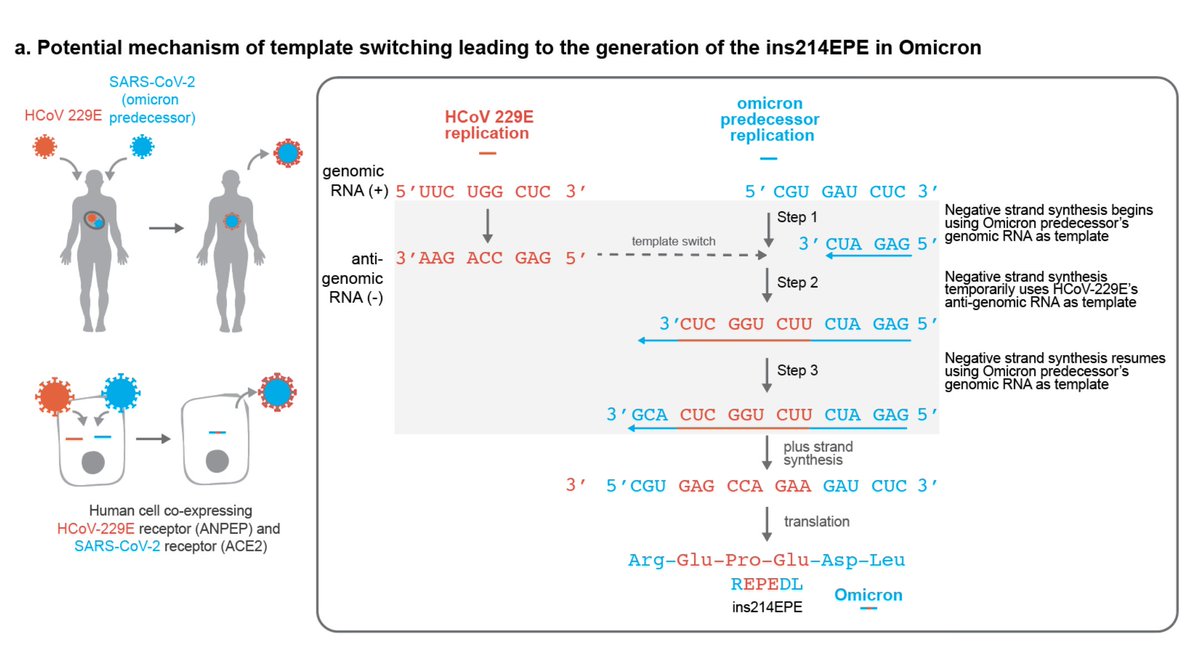
2 new reports on RNA insertions in the Omicron variant, potentially derived from (homology with) human host, that represent "wildcard" mutations, making their impact hard to predict https://t.co/u6JXMVw0EB via @JeremyFarrar
https://t.co/gUME3v9PEi via @PeterHotez
COVID-19 surveillance, England. The most recent 5 days (to 28 Nov) show an increase in S gene target failure in community testing data. An explainer follows. 🧵
The @nextstrain https://t.co/wVE7ubYBoy focal build for 21K (B.1.1.529) is now live.
https://t.co/UD1WPcJphP
As previously, the long branch leading to 21K is clearly visible, making it hard with current sequences to tell much about the evolutionary history.