Today, many households are living with multiple forms of malnutrition at the same time. A child may be stunted, a mother may be anaemic, and an adult in the same family may be overweight or living with diabetes.
Perhaps the most important contribution of NFHS-6 is that it changes the question.
For years, we asked:
Why is stunting so high?
Today, we may need to ask:
Why is stunting falling, and what will it take to sustain and accelerate that progress?
India’s poorest pay higher effective tax rates than the rich, finds major new study by Prof Mukulika Banerjee of the LSE.
Speaking on cine ink podcast London Vārta: New World Order, Prof Banerjee notes:
Lower-income Indians are shouldering a disproportionately heavy tax burden compared with the wealthiest sections of society, according to new research that challenges widely held assumptions about the country’s tax system.
Dr Mukulika Banerjee, a leading political anthropologist, has revealed that while everyone pays the same Goods and Services Tax (GST) on everyday items, the impact falls far more heavily on the poor when measured as a proportion of their income.
“Everyone pays GST – indirect tax – and the poor in India end up paying a higher proportion of their income in tax than the rich,” Dr Banerjee explained. “If you buy a packet of biscuits and a rickshaw puller also buys a packet of biscuits, the GST charged on that packet is exactly the same for both of you. But the rickshaw puller earns far less than you, so in proportion to his income, he is paying a much higher rate of tax. When you aggregate this across the country, the bottom fifty per cent of the Indian population is paying a higher proportion of their income in tax.”
Her findings, part of a British Academy-Leverhulme Senior Fellowship, raise serious questions about taxation, inequality, and the health of India’s democracy. Fieldwork data paints a stark picture of the country’s extreme wealth gap: a daily-wage construction worker, fruit vendor, or pavement tailor earning around ₹30,000 per month qualifies for the top 10 per cent of earners, while half of all Indians survive on just ₹6,000 a month. Meanwhile, the top 1 per cent captures a strikingly large share of national income.
#londonvārta #profmukulikabanerjee #cineinkpodcast #hindipodcast
My wife (Ria) went to AIIMS. I went to IIT Delhi.
We watched 'Hello Bachhon' on Netflix this weekend. One kid in the show breaks down walls in his village to sell bricks so he can afford coaching fees. A girl hides her textbooks because her parents want her married off.
Throughout the show, Ria and I realized that we never had to fight for any of that.
We had access to coaching. Good coaching. Neither of us ever worried about whether we'd get to prepare.
The IIT-AIIMS crowd loves talking about the grind. # of hours of self-study per day, the pressure, and sleepless nights. I've done it too. But that grind starts after you already have access. Most of us skipped the actual hard part and don't even know it because the people who are capable but can't afford access are invisible. They're not in your coaching batch. They're not in your college. You never compete against them because they never got the chance to show up.
We credit hard work more than it deserves. Sometimes the biggest advantage was just being born in the right city to the right family.
'Hello Bachhon' made this truth hard to ignore. Great watch.
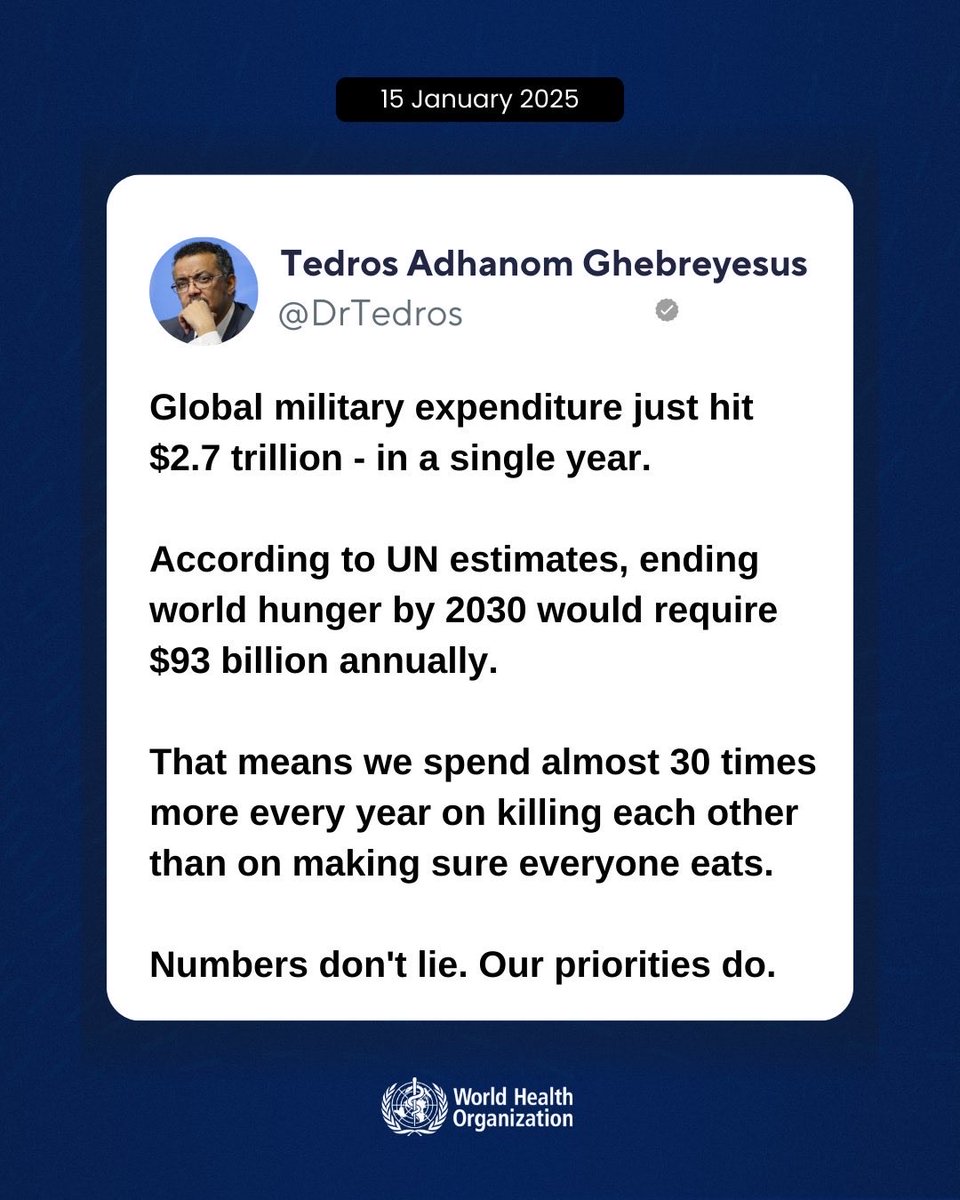
Global military expenditure just hit $2.7 trillion - in a single year.
According to @UN estimates, ending world hunger by 2030 would require $93 billion annually.
That means we spend almost 30 times more every year on killing each other than on making sure everyone eats.
Numbers don't lie. Our priorities do.
Climate change is playing havoc with Magahi paan
Small farmers who cultivate the famed betel leaf in south Bihar say erratic and extreme weather is ruining their crop.
Magahi paan leaf received a GI tag in 2017 but cultivators say that it hasn't helped
https://t.co/ISFVQvmrTB
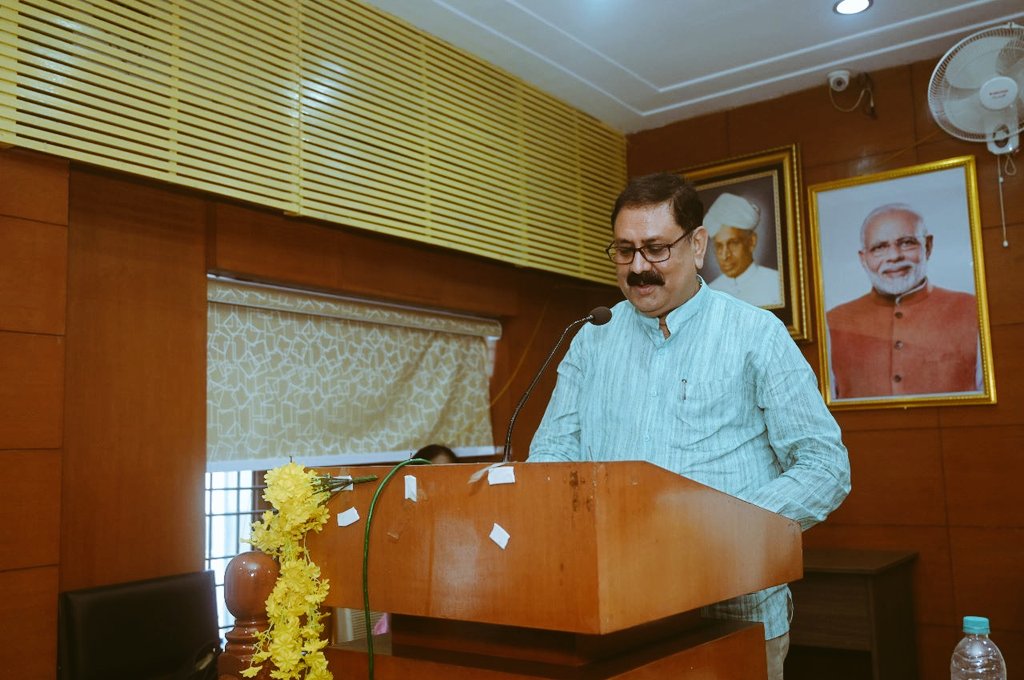
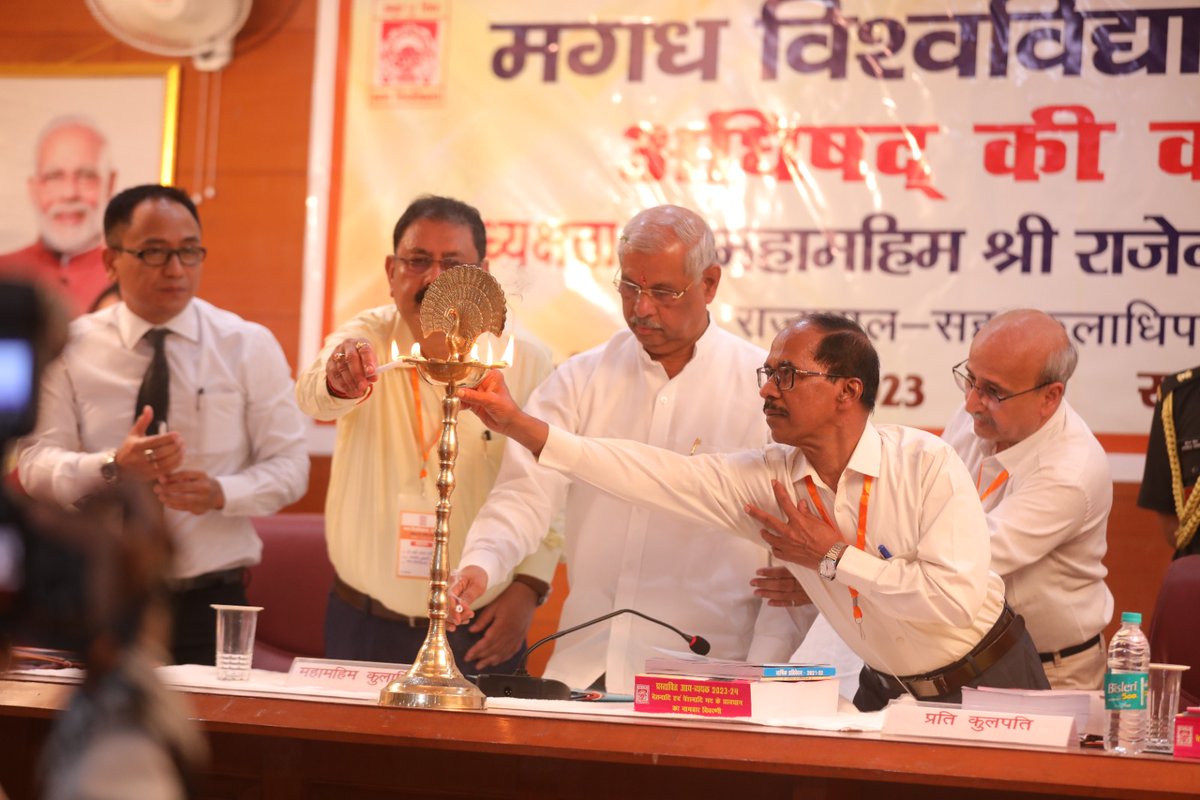
Magadh University is set to appoint 504 guest faculties, enhancing academic diversity and expertise across various subjects. Looking forward to a thriving learning environment!
@GovernorBihar@prof_shahi
Special lecture on "Importance of G-20 Nations in the Changing Global Power Order" is organized by Department of Geography,MU on July 19, 2023.
@GovernorBihar
Special lecture on "Importance of G-20 Nations in the Changing Global Power Order" is scheduled to be organized by Department of Geography,MU on July 19, 2023.
@GovernorBihar
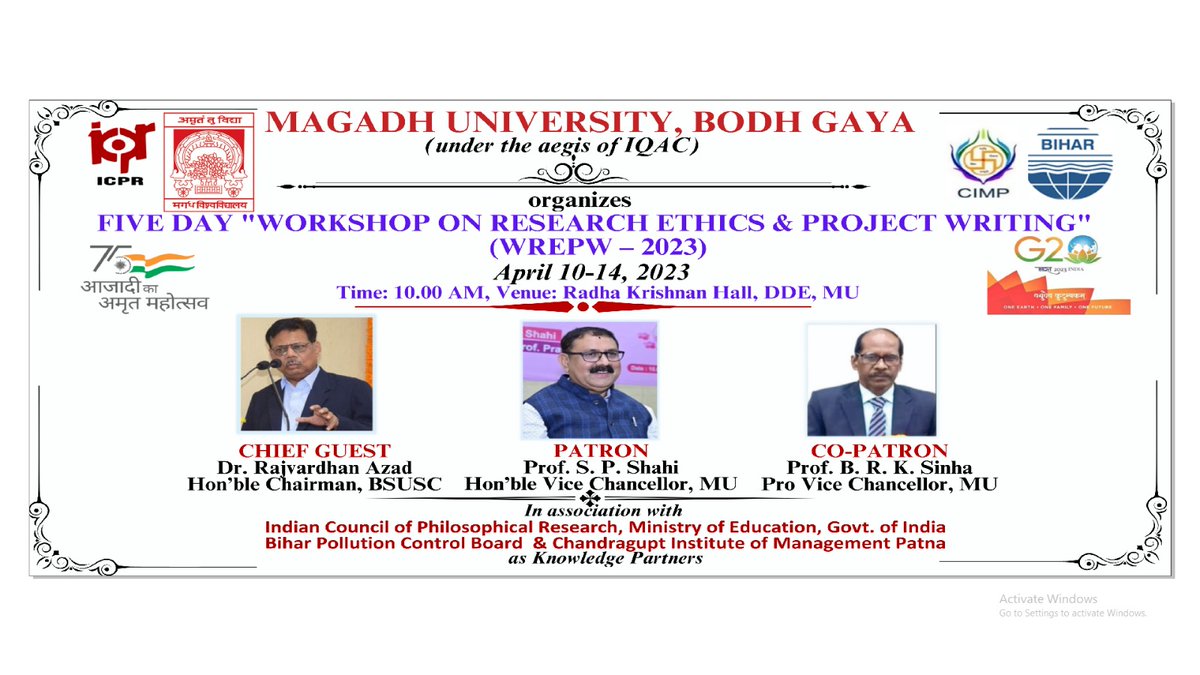
मगध विश्वविद्यालय,बोधगया में दिनांक 10-14 अप्रैल 2023 को भारतीय दार्शनिक अनुसंधान परिषद, बिहार प्रदूषण नियंत्रण बोर्ड, चंद्रगुप्त प्रबंधन संस्थान के सहयोग से "रिसर्च एथिक्स एंड प्रोजेक्ट राइटिंग" विषय पर पांच दिवसीय कार्यशाला (हाइब्रिड मोड) का आयोजन किया जा रहा है
@GovernorBihar