After owning New Mexico's only geothermal power plant for 1 yr (as of this week 🥳), we (@ZanskarGeo) have fully repowered the plant back to it's nameplate capacity after drilling, completing and tying-in a new (monster) production well
Below are some follow-on thoughts about how we did this and why this is just the beginning 🧵
Remember trying to dig the deepest hole possible as a kid? You’d dig and dig, then give up bc your hole kept collapsing. Going deeper was harder than you thought.
But what has emerged over more than a century of Americans digging holes is a tech stack and supply chain that now make it routine to drill thousands of feet through bedrock, construct a well inside that void to keep it open and doing that basically anywhere in this country.
For a rock nerd like me, it’s pretty incredible to see it all happen for hot rocks. Highly recommend a rig visit if you ever get the chance. You’ll come away with a new vision for how to dig deeper holes.
Better drilling outcomes start long before a rig arrives on site, and the work doesn’t stop until we reach our target.
Our field data campaign fuels subsurface intelligence that simulates what we’ll find, allowing us to drill with greater confidence and develop new geothermal resources faster and more cost effectively than ever before.
You’re in your cubicle. We’re out here.
More time in the field ➡️ better data ➡️ better models ➡️ new discoveries & better drilling outcomes
Fieldwork is the key to unlocking the future of energy.
Our field teams work 160 hour stints exploring millions of acres across the West, gathering the data that powers our understanding of what lies below.
Better data makes new discoveries possible. And better data starts out here.
America's biggest and hottest geothermal systems are still out there, but if we can't get permission to go look for them, we won't find them
that's why we support BAAJA and hope Congress gets it passed; it's a serious, bipartisan effort to make it faster to build clean, cheap power in this country
most geothermal discovery starts with someone at a BLM field office opening a file with a proposed set of activities, but when the laws or regs are inconsistent or unclear, these permits stall out
also, a lot of these field offices are super stretched thin right now, see the GAO's (nonpartisan) breakdown of these staffing problems, among other ongoing issues, https://t.co/W2TjpjBRV6
these problems compound as exploration scales, and delayed or abandoned exploration means the difference between finding a few new reservoirs vs finding the best reservoirs
and the best reservoirs dwarf everything else! each geothermal giant we discover can power large cities for centuries to come
today, we desperately need an improved permissioning framework for geothermal to scale, and BAAJA is just that; let's get it done!
to all the geothermal believers out there, the flippening has come
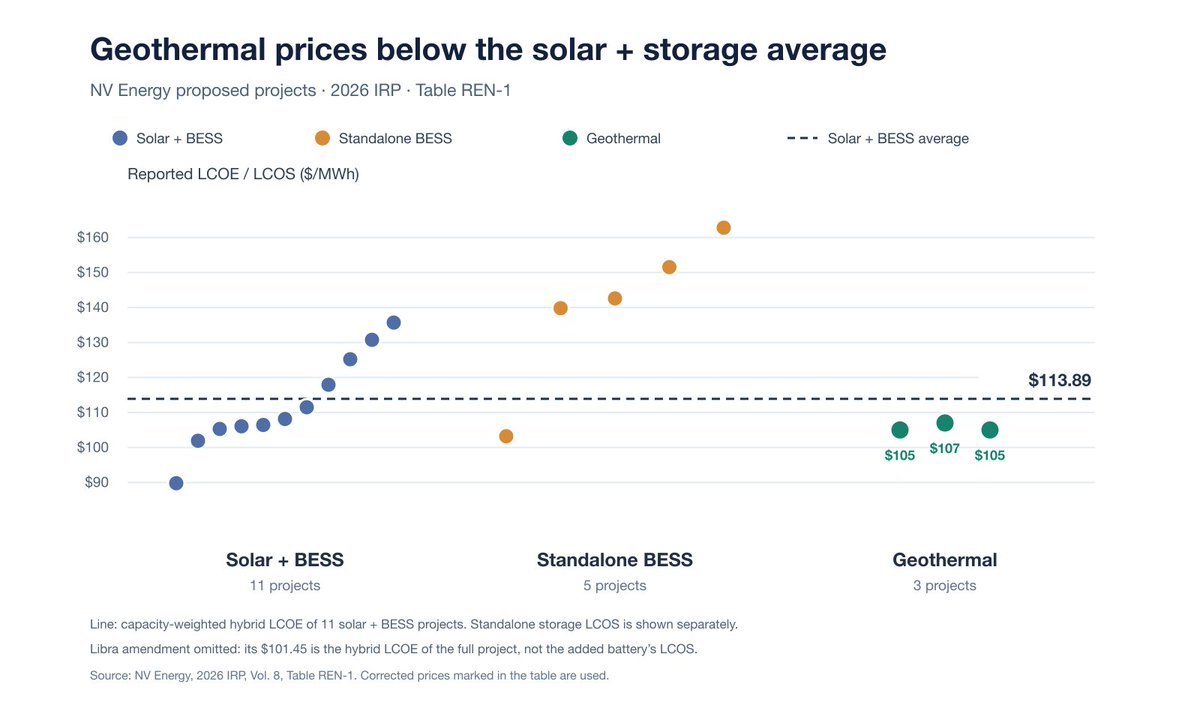
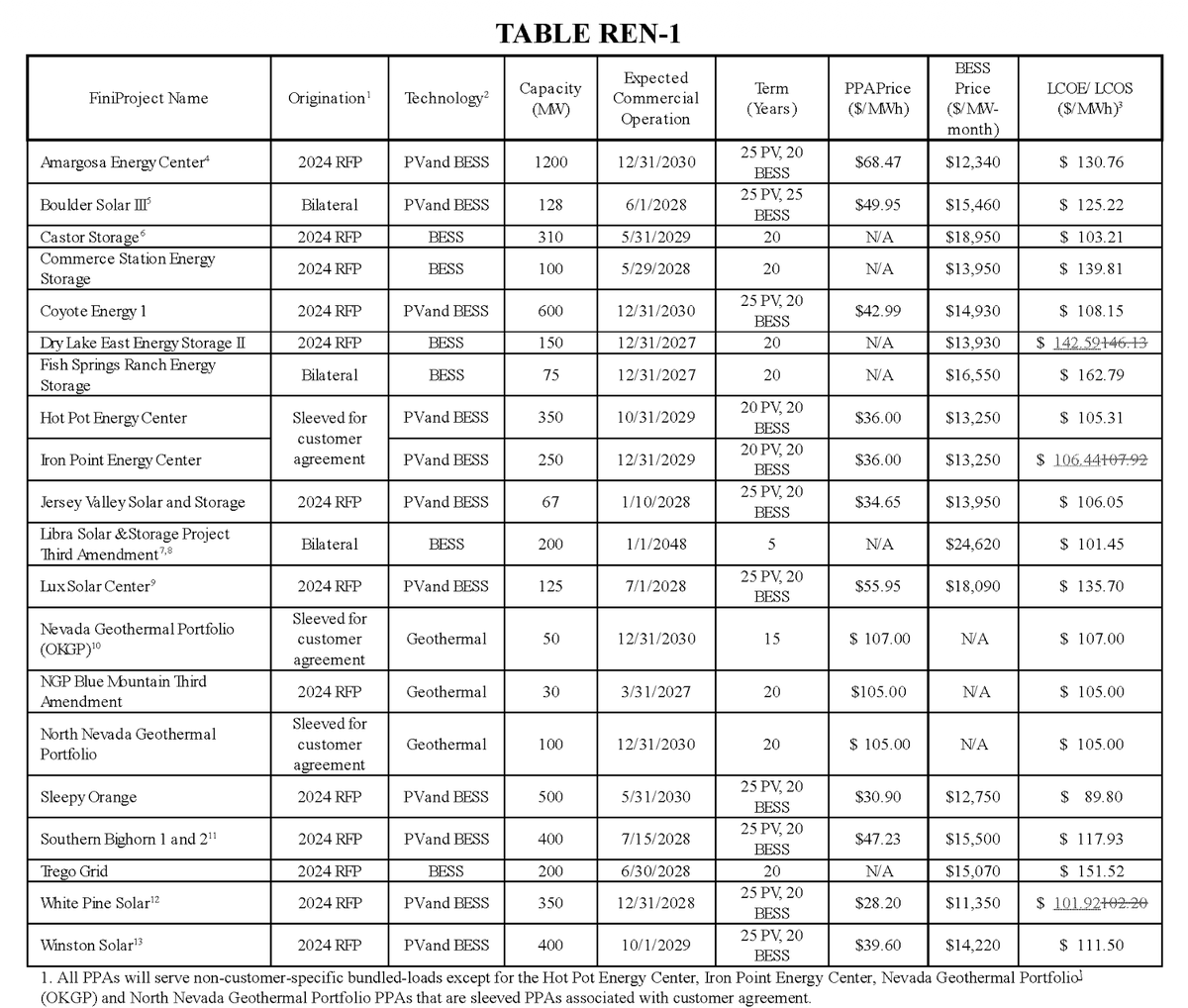
in NV Energy’s 2026 filing, 3 geothermal offers came in at $105–107/MWh, below the ~$114/MWh capacity-weighted average for 11 solar + bess offers
in Nevada, of all the sunny places
the 3 solar + bess projects NV Energy put forward in 2024 averaged ~$94/MWh, but this 2026 slate is pricier, e.g., Boulder Solar III’s levelized price jumped from ~$85/MWh to ~$125/MWh after permitting delays, land carrying costs, higher financing costs, and, of course, big, bad tariffs.
could geothermal pull off a solar + wind circa 2010 move and scale faster to come down the cost curve? it now has a much longer tax-credit runway than new solar + wind projects (oh how the tables have turned), plus firm output and higher energy density (all true for nuclear too)
and for the 24/7 solar crowd: the ~$114/MWh average covers solar paired mostly with 4-hour batteries, and we all know 12+ hours of storage would cost more and still wouldn’t cover multi-day gaps
it might be time for more geothermal, people
@SimonMahan GWs of known geothermal projects work at ~$100/MWh (true for last few decades), and many of these are getting built today, but broadly we need to get to geo to <$75/MWh for durable growth (few projects can do that price today)
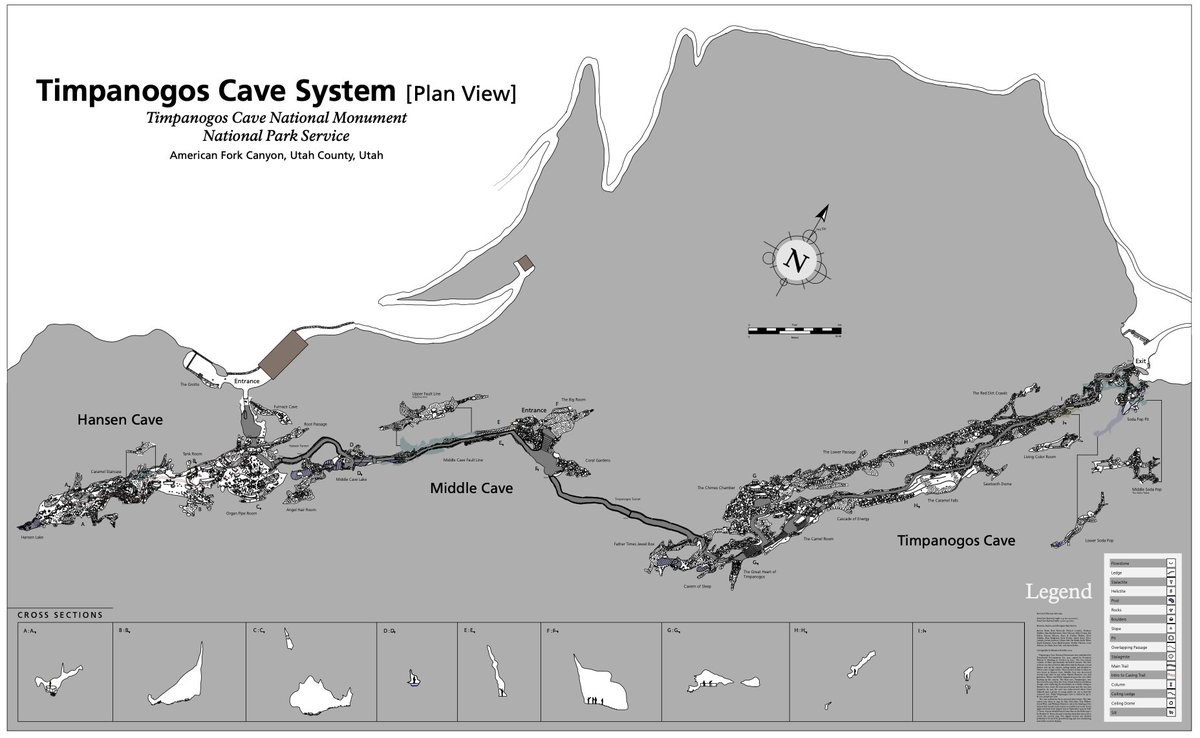
the best way to teach yourself about geothermal reservoirs is to walk through one, and the Timpanogos Caves in Utah is the best public example I know of
the tour guides will show you neat looking cave rocks or talk about cave explorers, but you can ignore these distractions and look for 3 obvious features that point to its hydrothermal origins
-the yellow and green cave rocks (nickel substitution in calcite and aragonite)
-the open cracks along the ceilings and the orientation of the caves (visible faults)
-solution sculpting, aka "bubble tracks" along the walls and "scoops" in the ceilings (boiling conditions)
and even after hundreds of thousands of years of cave rock deposition after the hydrothermal system shut off (processes that close caves up), the caves are still large enough to walk through today
this concept breaks people brains (including geologists)
that conventional geothermal reservoirs can be such large, open, interconnected fracture systems, extending tens of thousands of feet into the crust, that you can drill into and produce enormous volumes of hot brine and steam
if you don't believe me go visit these caves, you will become a believer
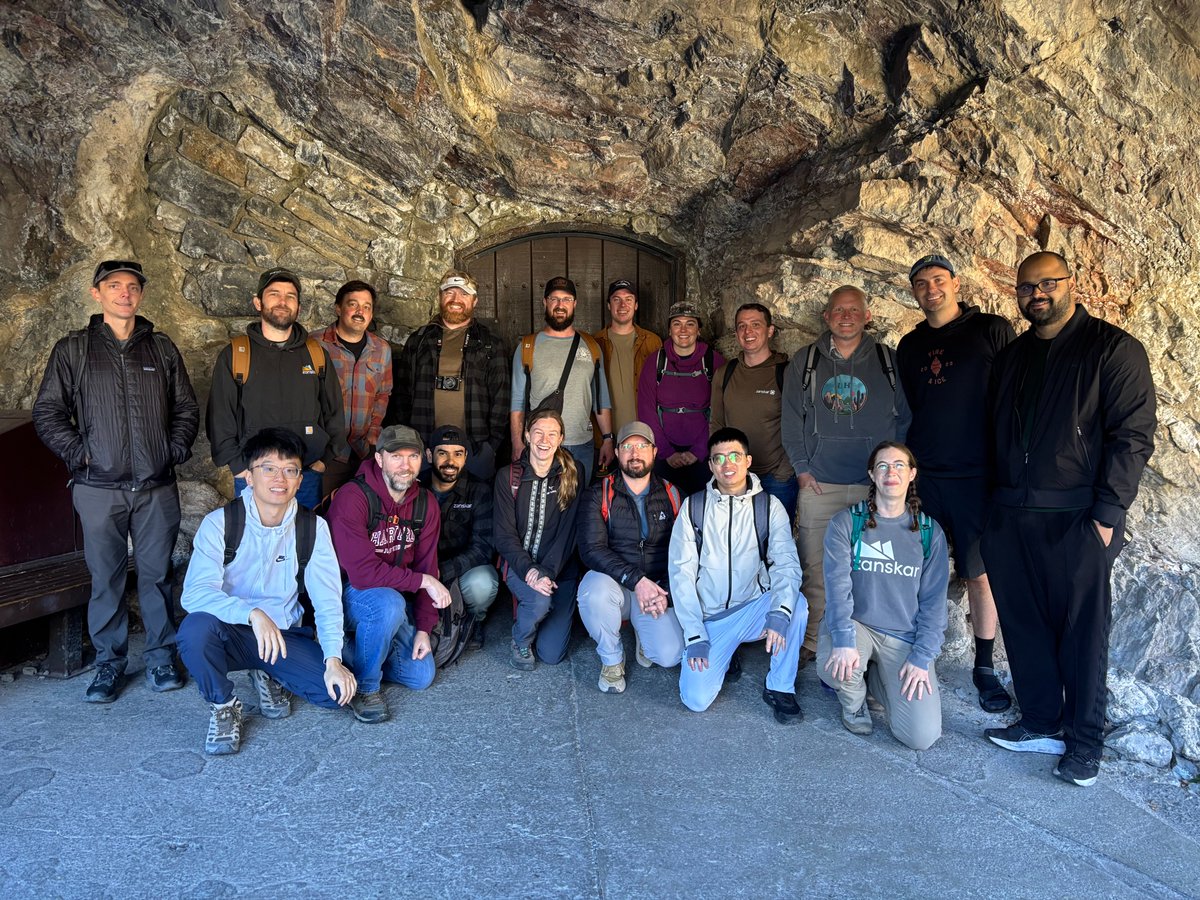
the zanskar r&d team traversed through them last week and we were all changed geothermal souls