After WWII, the United Nations was created to prevent future global wars, reshaping diplomacy worldwide.
Japan adopted a new constitution and shifted to a peaceful, democratic state under US guidance.
The Middle East also changed as former colonies gained independence.
Eastern Europe fell under Soviet influence, beginning the Cold War and shaping global politics for decades.
Read more: https://t.co/tmOLvpW5Zs.
@EndWokeness This signals a potential shift toward dialogue. Cooperation could reduce tensions and address economic challenges, but critics worry about legitimacy concerns. Long-term impact depends on mutual trust, clear terms, and whether the international community accepts this approach.
@Polymarket This reflects growing internal pressure driven by economic and social strain. While unrest can signal potential change, outcomes remain uncertain and depend on many factors, including state response, public support, and institutional stability.
BREAKING: Iran enters its 8th night of national protests against the regime, and armed citizens have now taken to the streets.
43% chance the Supreme Leader loses power this year.
South Sudan’s independence made it the first country created in the 21st century, backed by a major international peace effort.
The young nation holds vast oil reserves, but most pipelines run through Sudan, causing frequent disputes.
Ethnic tensions between political leaders sparked renewed fighting in 2013. Floods, food shortages, and limited infrastructure continue to hinder stability and development.
Read more: https://t.co/tmOLvpW5Zs.
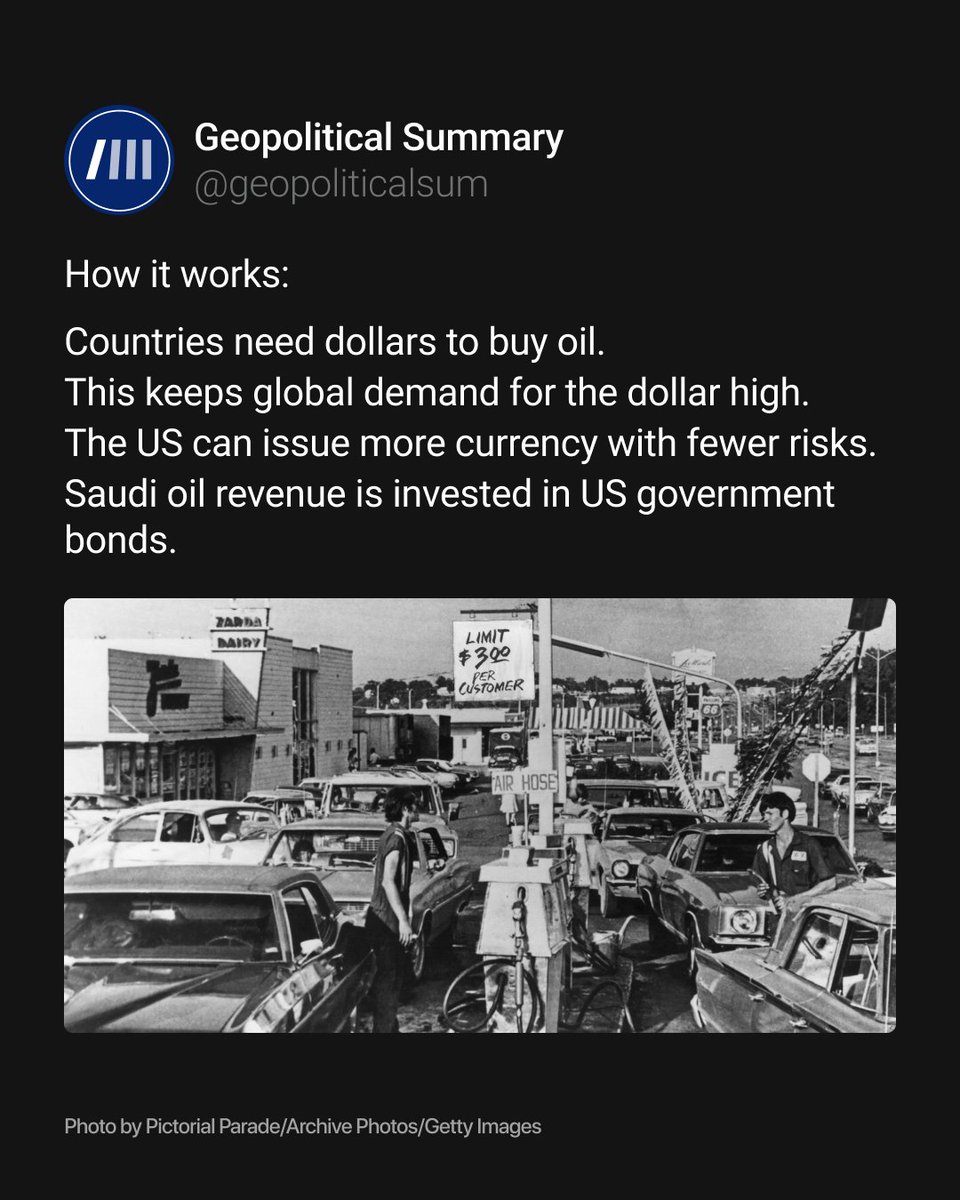
The petrodollar system began quietly after the 1974 deal, but few people know how deeply it shaped global trade.
The agreement encouraged other OPEC members to use dollars, too, making the US currency the center of energy markets.
Over time, this system helped the US borrow money more easily, strengthened its global influence, and tied many countries’ economies to American stability.
Read more: https://t.co/tmOLvpW5Zs.
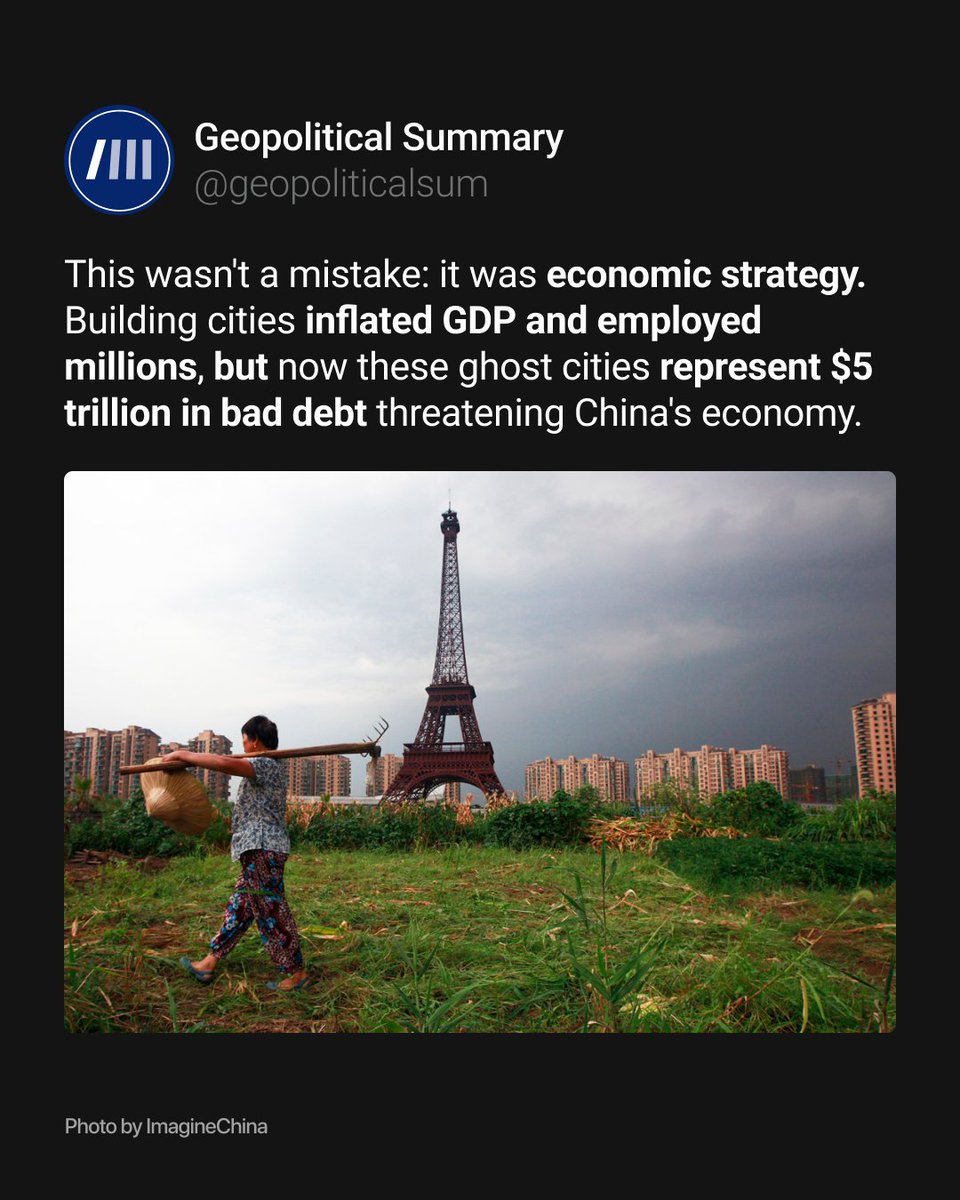
China’s empty cities were built to keep construction companies busy and local governments earning money from land sales.
Many apartments were bought as investments, not homes, so people never moved in. Now, with fewer buyers and slowing growth, these cities have become a problem.
Empty buildings need maintenance, loans must still be repaid, and the debt is creating serious financial pressure.
Read more: https://t.co/tmOLvpW5Zs.
Many countries also link New Year’s to cleansing rituals, hoping to remove bad luck before the year begins.
In Turkey, people wear red for prosperity, while in Colombia, some run around the block with empty suitcases to attract travel in the coming year.
In Estonia, families eat multiple small meals on January 1 to ensure abundance and good fortune.
Read more: https://t.co/tmOLvpW5Zs.
The Vatican’s influence comes from its long history and global network, not military power.
Its diplomats work quietly in many countries, sharing information and guiding negotiations. The Church’s institutions also run schools, charities, and hospitals that reach millions of people.
Many world leaders seek the Vatican’s advice because it is seen as neutral and focused on peace.
Read more: https://t.co/tmOLvpW5Zs.
The Line is part of Saudi Arabia’s larger NEOM project, which aims to create a high-tech city powered only by clean energy.
The plan includes mirrored walls, floating ports, and an artificial moon. Thousands of workers have already been brought in, but the project faces delays, rising costs, and engineering problems.
Many experts believe the full design may be scaled down or changed in the coming years.
Read more: https://t.co/tmOLvpW5Zs.
This narrow strait is one of the most important trade routes in the world.
Many countries watch it closely because any accident, attack, or blockade could disrupt global markets.
China worries that its energy supply depends on a place it cannot fully control. This fear is a major reason behind China’s new ports, pipelines, and growing military presence in the region.
Read more: https://t.co/tmOLvpW5Zs.
Brasília was designed by architect Oscar Niemeyer and planner Lúcio Costa as a symbol of Brazil’s future.
The city’s shape looks like an airplane from above. Many government workers moved there quickly, but everyday services grew slowly.
Because buildings are far apart, people rely on cars. Over time, the city became famous for its bold design but also for feeling cold and distant.
Read more: https://t.co/tmOLvpW5Zs.
Many countries already face water stress because rivers are shrinking and populations are growing.
Some governments are building dams to secure their own water, which creates fear and anger in neighboring states.
Experts warn that without clear agreements, even small disputes can grow into conflict. Water is now seen as a key resource that can shape future politics and security.
Read more: https://t.co/tmOLvpW5Zs.
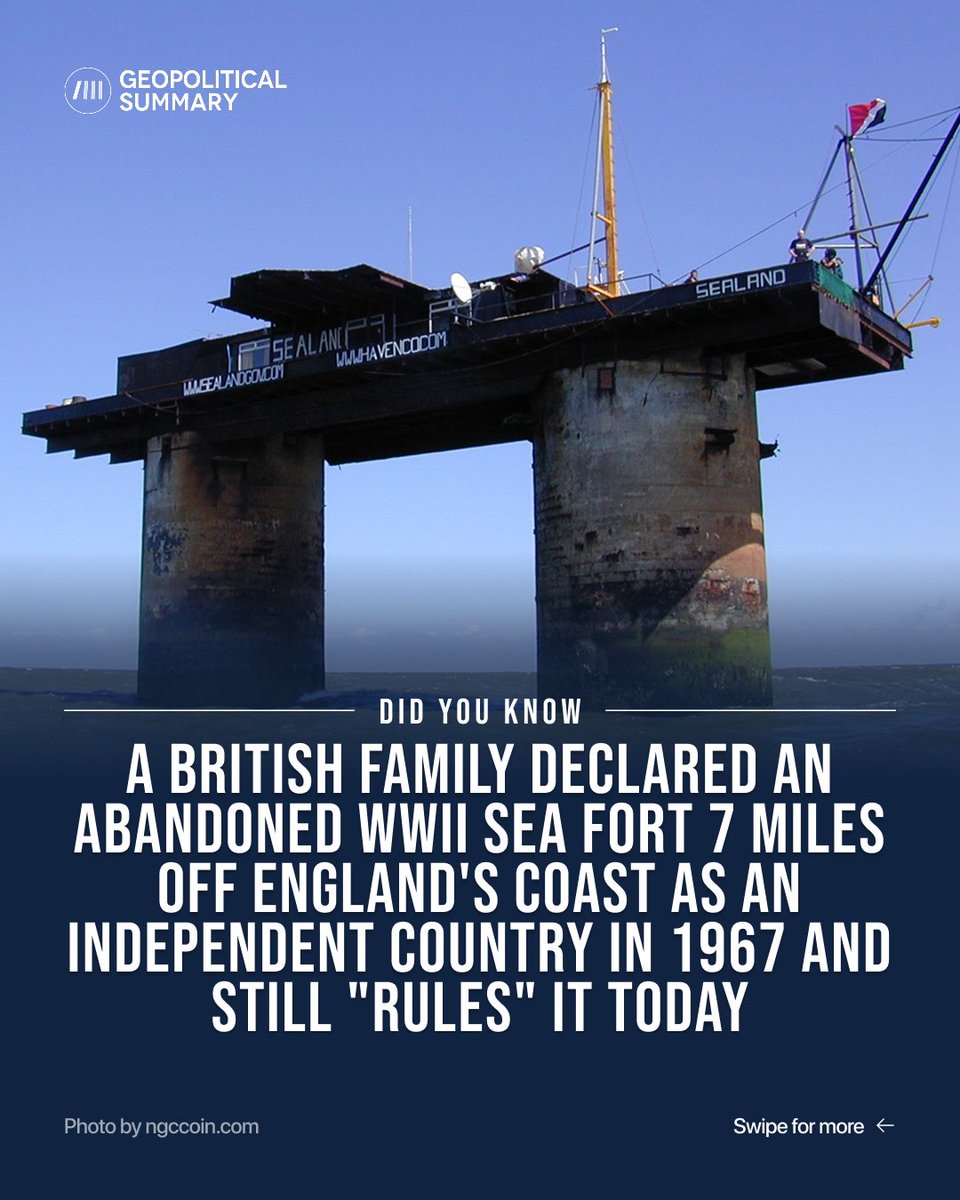
Sealand began as a military platform called Roughs Tower during World War II.
After it was claimed, the family created a constitution and issued stamps to raise money. A fire in 2006 nearly destroyed the structure, but they rebuilt it.
Sealand once hosted data-storage companies because its owners said it offered “digital freedom” outside normal laws.
Read more: https://t.co/tmOLvpW5Zs.