“El destino es una palabra enorme que desprecié durante mis años de juventud; en cambio, en mis años maduros, la invoco a menudo, he entendido que el destino es el lugar donde está ocurriendo la vida”.
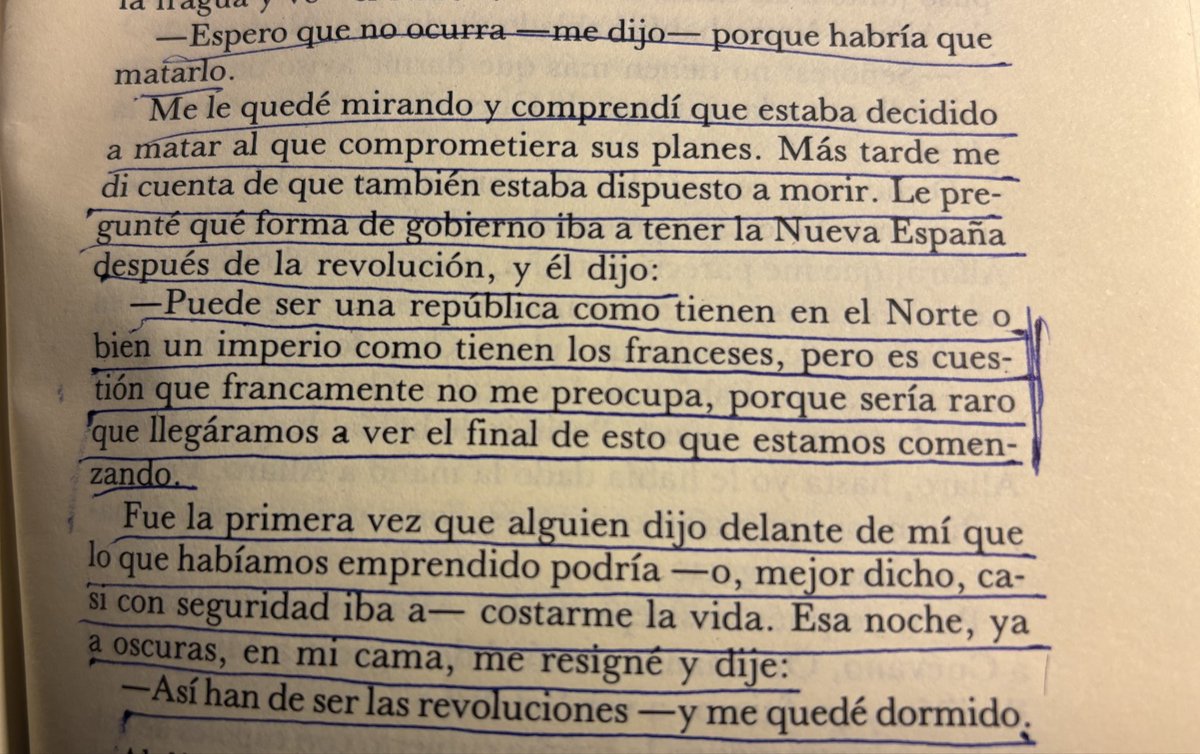
“El engaño y su descubrimiento nos hacen ver que también el pasado es inestable y movedizo, que ni siquiera lo que parece ya firme y a salvo en él es de una vez ni es para siempre, que lo que fue está también integrado por lo que no fue, y que lo que no fue aún puede ser”.
Detecto en muchos magistrados de altos tribunales de diversos países una gran preocupación por los sesgos que pueda tener la IA que los jueces utilicen como herramienta. A muchos de esos preocupados magistrados sus sentencias se las redactan auxiliares que ellos mismos han seleccionado a su gusto. Pero, claro, sus preferencias, las de ellos y sus auxiliares, nunca están sesgadas. Indudables ventajas de las ideologías sobre las tecnologías.
De un Mundial y un desamor a la revelación literaria: Juan Jésus Garza Onofre (@garza_onofre) recuerda cómo Juan Villoro se convirtió en brújula para entender la vida y el fútbol.
https://t.co/eKKFXPqBk2
Last night, Isabella was reading to me from the newspaper. Listening to her, while thinking of other things, I suddenly said, “What do you think we would be doing now, you and I, if this accident hadn’t happened?”
Her face changed. With some distress, she said, “We can’t go there. It is not fair to indulge in that kind of thinking. The comparison would kill us.”
But I thought: who doesn’t imagine another life, a better one, running parallel to their own; an ideal other world, which feeds us emotionally, sexually, intellectually?
The Buddhist idea of living in the so-called present is impossible and against reality because our lives are built around a necessarily imagined future. We are constantly in dialogue with this phantasised world; an ongoing conversation about our jobs, creative pursuits, sex, our partners, or money. We negotiate and argue with it, building it up and adding details.
To be motivated, there must be an imaginary, a store of images that nurture our desire, allowing us to construct cities, space stations, and write novels. The immigrant experience, for instance, is centred around desire: a better world is possible.
But in other circumstances, this alternative world could be used as a stick to beat yourself with; the further away you get from your ideal, the more punishing the phantasy becomes. It’s the “I could have been a contender” syndrome. Failure can be an act of rebellion—pathologised, indulged, and even enjoyed.
Online shopping creates a phantasy space. When making a purchase, we are plunged into an ecstatic waiting period where our desire for the object increases. We order a jumper and believe it will substantially improve our lives. And we know how it feels when it does arrive: some pleasure but not the whole-body anticipatory orgasm of the wait.
The only solution is to keep buying. This anticipatory feeling is a useful engine. But being consumed or addicted to shallow forms of desire—narrowing the range of what you are interested in—will block a more nurturing and sustaining phantasy.
The essential question is: how do we keep our desire alive? What keeps us moving?
At the end of the 1920s, Freud’s colleague and biographer Ernest Jones developed a theory called aphanisis, which is concerned with the extinction of sexual desire and with the question of what happens to us—as in depression—when we can no longer demand anything. What he implies is that to remain alive, we have to want and make demands of ourselves and others. Demand is the currency of social intercourse.
When I was young in the ’60s, we were enveloped in an enervating boredom: sitting in your tiny living room with your grandparents in front of a coal fire, watching a gloomy Dickens adaptation on a tiny black-and-white television. There was little to want until pop opened our world. Now, we must create opportunities for reflection and ennui—there is too much to want—and we need space where new aspirations can arise.
In Britain, desire is dead. Austerity and a lack of industry have destroyed our enterprising culture. There are pockets of ambition—individuals empowered by new technologies—but we lack a story or sense of direction that must come from the state working in collaboration with private inventiveness. Our country is sick, impoverished, and mentally ill.
As is America. Still, they have a president in Trump who, in many ways, desires too much. This is what is beguiling about him. René Girard, the French sociologist, argues that desire is mimetic: we envy others’ excitement and want it for ourselves. What liberal commentators usually miss about Trump is how contagious his activity is. This is what populist leaders do; they tickle your libido, promising anything without accountability, and have you believe in an exciting future.
“What would we be doing now, you and I, if this accident hadn’t happened?”
This thought isn’t serving me. As Isabella said, it takes us nowhere. You must learn to give up or suppress certain phantasies in order to make space for new, more realistic ones.
I’ve been wanting to get my left ear pierced since my accident. When I was seventeen, I had it done for the first time. I remember my dad having a fit as I looked at myself in the bathroom mirror while he railed at me, asking if I had become homosexual. People were nervous in those days that the genders were fusing.
Anyway, this weekend I decided to get it re-pierced. So Isabella and I, on our way to Sachin’s for lunch, decided to hit Westfield, where I received a small diamond stud that pleased the children and gave everyone a good laugh. Next, I will be getting a tattoo, possibly on my hands or my neck. My repunking is an onward project.
Salgo a correr y vivo dos amagos de atropellamiento en tres cuadras: uno cuando un conductor se pasa el rojo de Obregón y Victoria, otro al cruzar Purcell hacia la Alameda. Me pregunto por qué dejan salir a los automovilistas saltillenses sin supervisión parental.
¿Cómo compruebo cotidianamente que soy un analfabeto digital? La mitad de las fotos que tengo almacenadas en el celular son capturas de pantalla que obtengo, sin querer, cuando intento apagarla. Así de burro, nomás. 😀
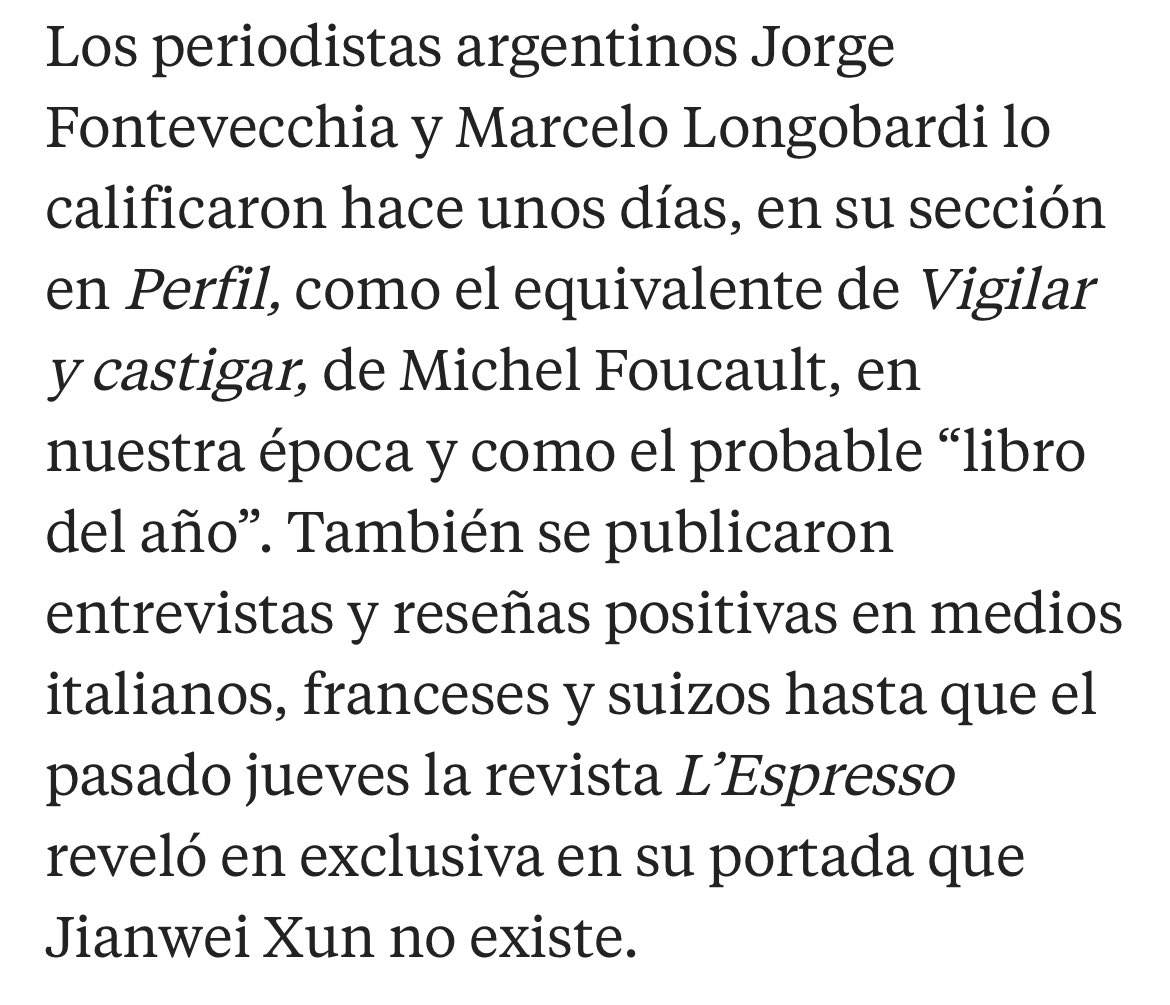
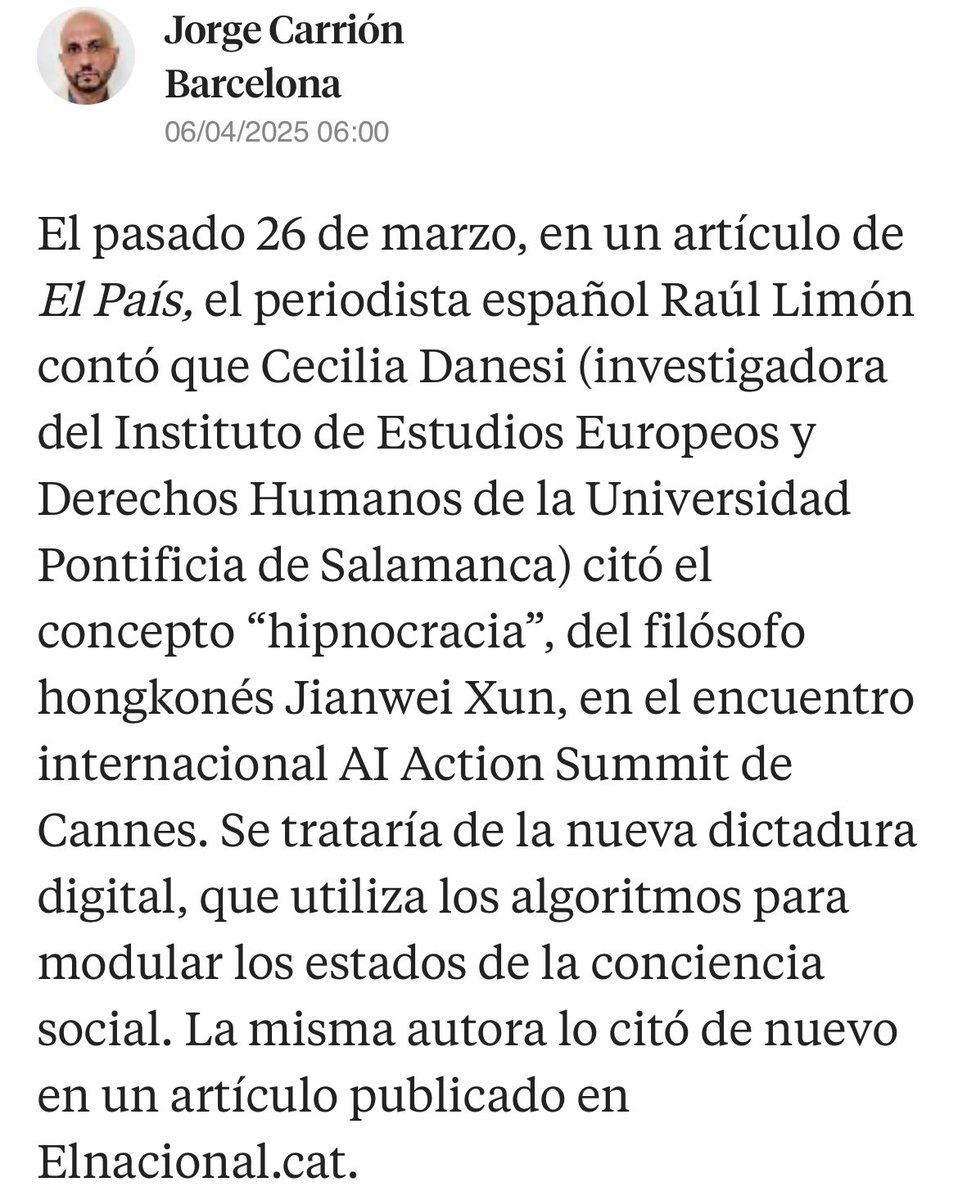
Escribo en La Vanguardia sobre el primer gran fake literario construido con IA. El hongkonés Jianwei Xun era en realidad el italiano Andrea Colamedici en colaboración con ChatGPT y Claude: https://t.co/NxiMdpBgKd