Claude Tag is the next evolution of agents.
It's a proactive, multiplayer agent with memory and identity, built on top of Claude Code.
Learn more about how Claude Tag works and best practices for using it in this deep dive.
Introducing the Open Knowledge Format (OKF), an open specification that formalizes the LLM-wiki pattern into a portable, interoperable format.
AI is only as smart as the context we give it. As we build more advanced, agentic AI systems, they need accurate metadata and context to be useful. But in most organizations, that context is locked inside fragmented data catalogs, isolated wikis, scattered code comments, or the minds of senior engineers. Every time a new AI agent is built, teams are forced to solve the exact same context-assembly problem from scratch.
To solve this, we've announced OKF, a vendor-neutral, open specification that formalizes the "LLM-wiki pattern" into a portable, interoperable format. It provides a standardized way to represent the enterprise knowledge that modern AI systems rely on.
— Just markdown: readable in any editor, renderable on GitHub, indexable by any search tool
— Just files: shippable as a tarball, hostable in any git repo, mountable on any filesystem
— Just YAML frontmatter: for the small set of structured fields that need to be queryable: type, title, description, resource, tags, and timestamp
We’ve also shipped reference implementations to help you hit the ground running, including an enrichment agent for BigQuery, a static HTML visualizer, and live sample bundles on @github → https://t.co/ilhAMCrcTc
➕ Knowledge Catalog can now natively ingest OKF!
Stop reinventing data models and building bespoke integrations for every new AI tool. Here's more about how OKF works → https://t.co/FR4kJRsgEH
Introducing Claude Fable 5: a Mythos-class model that we’ve made safe for general use.
Its capabilities exceed those of any model we’ve ever made generally available.
@fmontes Un directorio donde guardas, ficheros de instrucciones en markdown, tools en python y estructuras en json. Al que tu LLM de preferencia o el que permite tu presupuesto, te retorna un output que algún humano una vez hizo manualmente.
@xurxodev Suena a novatada...
Cualquier dev serio que use ClaudeCode de forma profesional sabe usar un sistema de memoria externa como primera medida, después la cuenta es personal y no se comparte... Y finalmente generas docs para la IA así continúas con cualquier agente tus tareas 🙄
Llevo un par de horas haciendo cola por un maple de huevos (crisis social en La Paz - Bolivia).
Sin embargo con #Claude y /remote-control ya mate 3 bugs, implemente 1 feature y todavía tengo tokens para 2 horas más de cola. No sé si sentir frustración o felicidad... 😵💫
Para que la IA genere código sin romper tu sistema de diseño, creamos DESIGN.md. 🎨🤖
Un formato open-source desde Google Labs que le enseña a los agentes de IA las reglas exactas de tu marca, para que dejen de "adivinar".
Te explicamos cómo funciona. 🧵👇
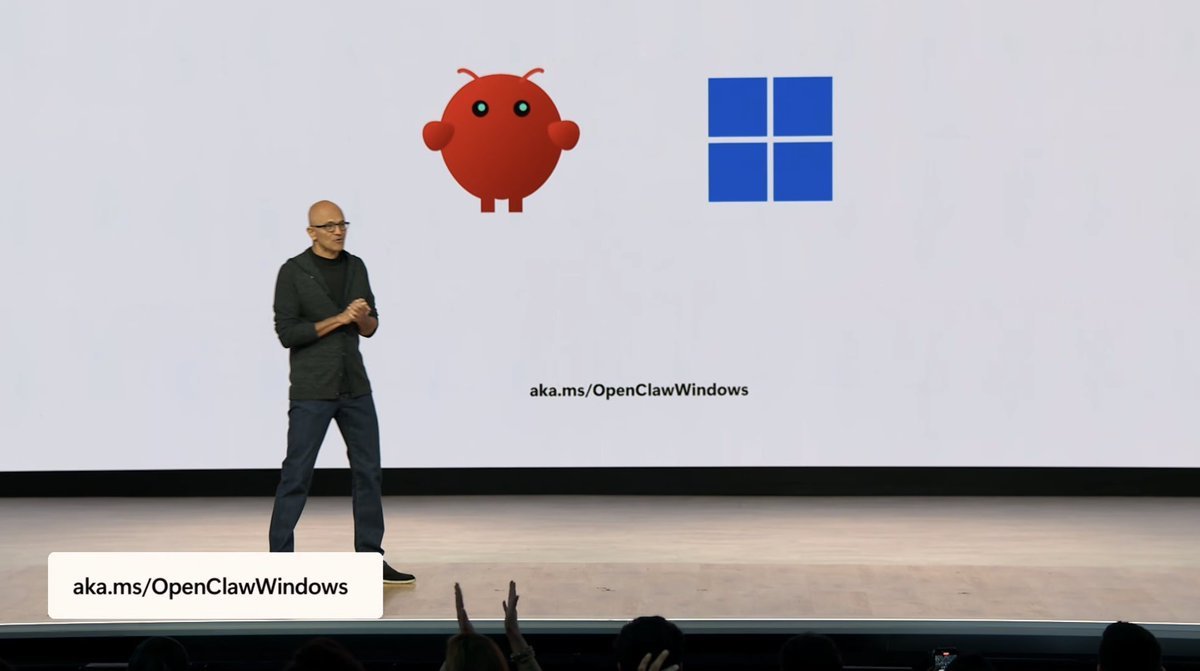
"You can run OpenClaw inside your company now." Annoucing our work with @Microsoft to bring OpenClaw to the Microsoft and Windows ecosystems. Claws now work securly in the enterprise.
Si aún no usan #ClaudeCode ... aquí les dejo mi enlace de referido, para q tengan una semana gratis de Pro y puedan probarlo (recién salió Opus 4.8)...
go go go https://t.co/UerQ9FhVvp
We’ve shipped a security-guidance plugin for Claude Code that helps identify and fix vulnerabilities as you’re writing code.
Available for all Claude Code users. Install from the plugin marketplace (/plugins).
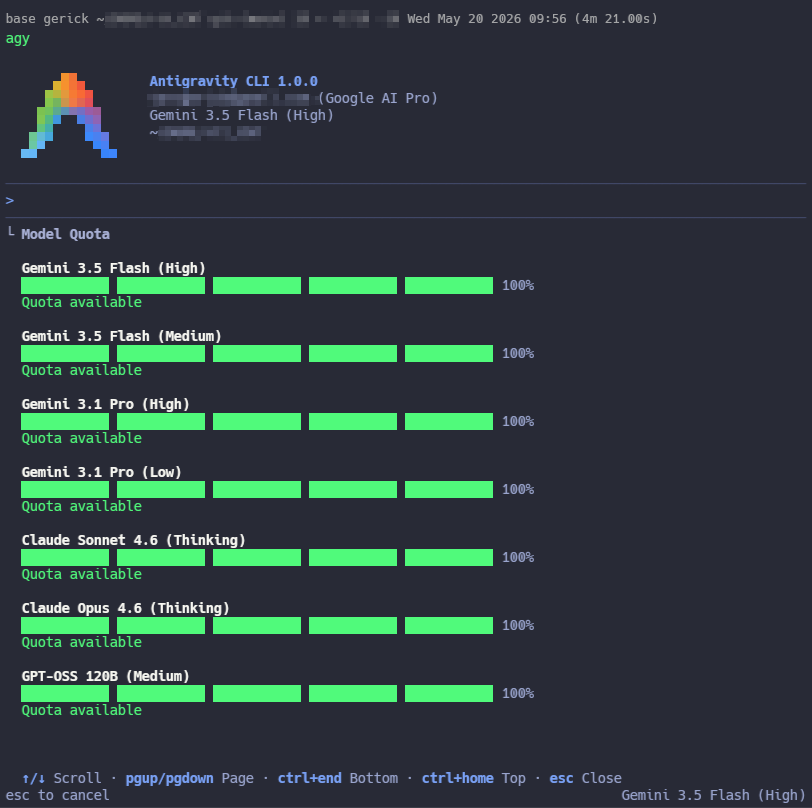
Introducing Antigravity 2.0, a new standalone desktop application that delivers fully on that original glimpse of a truly agent-optimized experience.
Rebuilt from the ground up with multi-agent teams, scheduled tasks, native voice and one-click integration with other Google products.
Learn how to get started with Antigravity 2.0 👇