Cross-border distribution in Europe is structurally harder than it was two years ago.
Not a temporary friction. The new baseline.
Here's what the smart operators are doing differently 🧵
Nothing in logistics is ever "just a small delay."
It's a small delay that misses the window that pushes the next drop that becomes three angry customer calls before 9am.
The problem is never the first thing. It's the chain reaction nobody caught in time.
The first 30 minutes of a shift shouldn’t be spent figuring out what happened overnight.
Certin prepares the briefing before the next team logs in.
#Logistics#SupplyChain#Operations
Most morning meetings are spent explaining yesterday.
The best depot managers focus on what could impact service today, what needs intervention now, and what decisions cannot wait.
The goal isn't to explain the past. It's to prevent what happens next.
#Logistics#SupplyChain
The morning standup runs 45 minutes. Most of it rebuilding last night from WhatsApp threads and driver call logs.
By the time anyone talks about today, the first SLA risk is already a breach.
45 minutes reconstructing. Or 5 minutes directing.
Most mid-sized operations run their standup on data that was already hours old when the shift began. By 11am, the windows to act have already closed.
Full breakdown 👇
[https://t.co/koIvMz4PQA
The morning ops standup is not the problem. It is the evidence of the problem.
When a 30-minute meeting spends 24 of those minutes reconstructing what happened yesterday, the team is not undisciplined.
The operation has no system capable of telling the team what is at risk today. So they do the only thing available to them. They account for the past and hope the present takes care of itself. That hope is expensive. And it compounds.
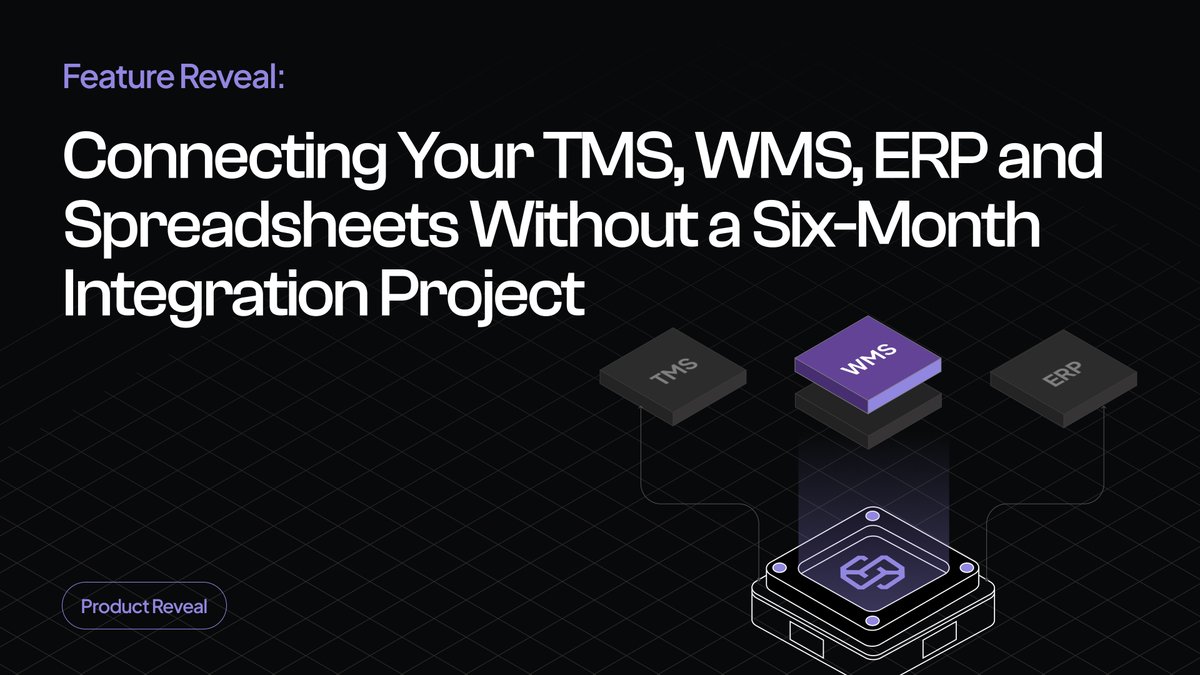
Six months of meetings, IT tickets, and process changes before anything actually works.
Some operators are doing it differently. Connecting to what already exists. Old systems, new ones, spreadsheets, group chats.
When a package loses traceability, most companies focus on the value of the shipment.
The bigger cost is often the investigation itself: hours spent piecing together information that already exists across the operation.
That's the cost most operators never measure.
The cost of waiting for the vendor roadmap isn't theoretical. It's penalty invoices, disputed claims, and deteriorating client relationships.
Full breakdown 👇
[https://t.co/uRbu7mQZ6Q]
Most distributors have the systems. TMS, WMS, ERP, carrier integrations.
What's missing is the layer above that reads all of it together, detects risk 4 hours before SLA breach, and routes the alert to the person who can act.
Not a dashboard. An operational brain.
Full breakdown on what's changed, why now, and the execution layer behind the three adjustments:[https://t.co/nQzSvP0sVg] Or follow @getcertin for more on how operators are running execution in real time.
Cross-border distribution in Europe is structurally harder than it was two years ago.
Not a temporary friction. The new baseline.
Here's what the smart operators are doing differently 🧵
What separates managed delays from penalty events?
Usually 4 hours.
Catching a developing customs hold 4 hours early vs 4 hours late changes the outcome completely.