Collards got me through late winter—seedlings shrugged off frosts down to 20°F (-6°C) and leafed out like legends by March. Mulch thick, side-dress with compost monthly, and pick leaves from the base up. Younger leaves taste sweeter; avoid bolting by harvesting fast.
Comfrey changed my compost game: Chop fresh leaves and let them mellow in rainwater for a week—liquid gold for tomatoes and cucumbers. Plant crowns 2 feet (60 cm) apart, full sun, deep watering. Bumblebees brawl for those blooms every June. Watch your mulch heap explode!
I plant pinto beans after soil warms to 70°F (21°C). I space seeds 4 inches (10 cm) apart, rows 18 inches (45 cm) wide. Once, I forgot to inoculate with rhizobium—my yield flopped. Lesson learned: the right bacteria means plump pods and creamy beans every time.
Spaghetti squash loves room to sprawl, full sun, and rich loam with solid drainage. I always direct sow after soil hits 65°F (18°C). Saplings want two feet (60 cm) between them. Hand-pollinate flowers for fruit that shreds into pasta by September—sweeter than you’d expect.
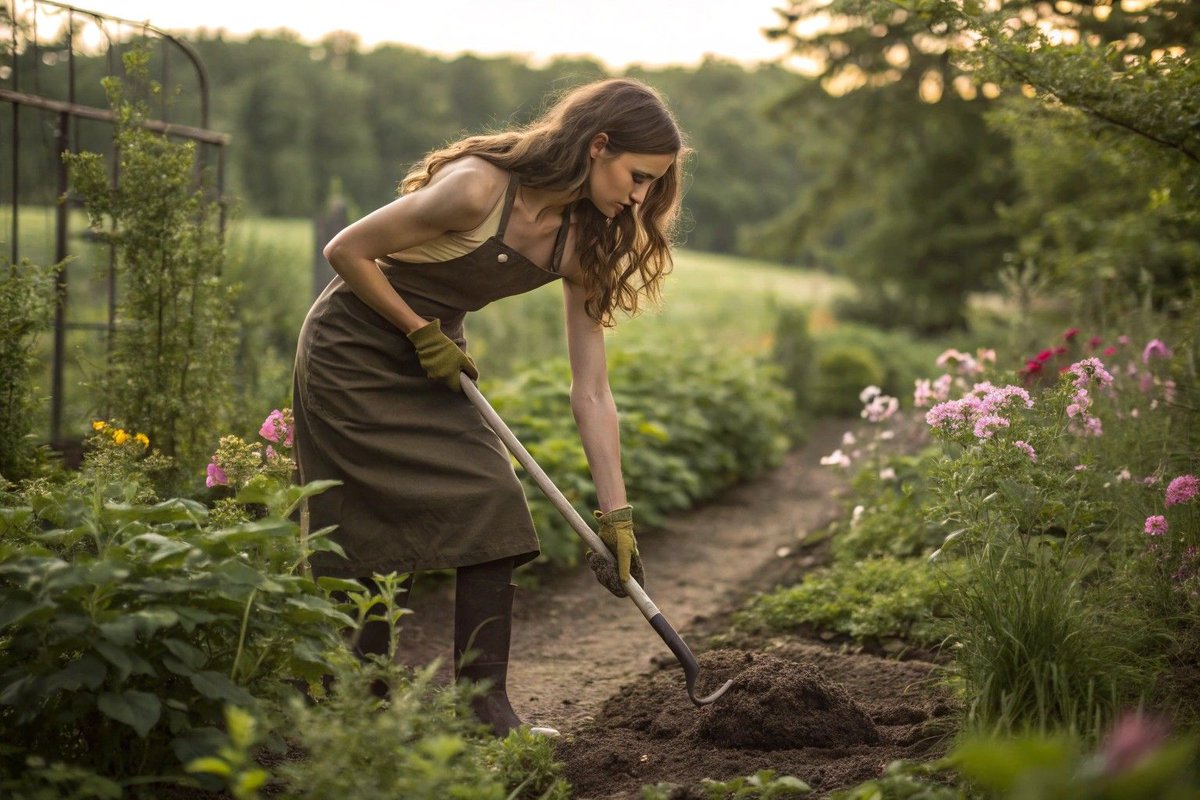
Swing a garden hoe early, while weeds are still tender. Glide the blade parallel to the soil, just skimming the surface—think gentle shuffle, not deep dig. On clay soil after rain, I’ve turned beds effortlessly, but in heat above 90°F (32°C), I switch to morning work.
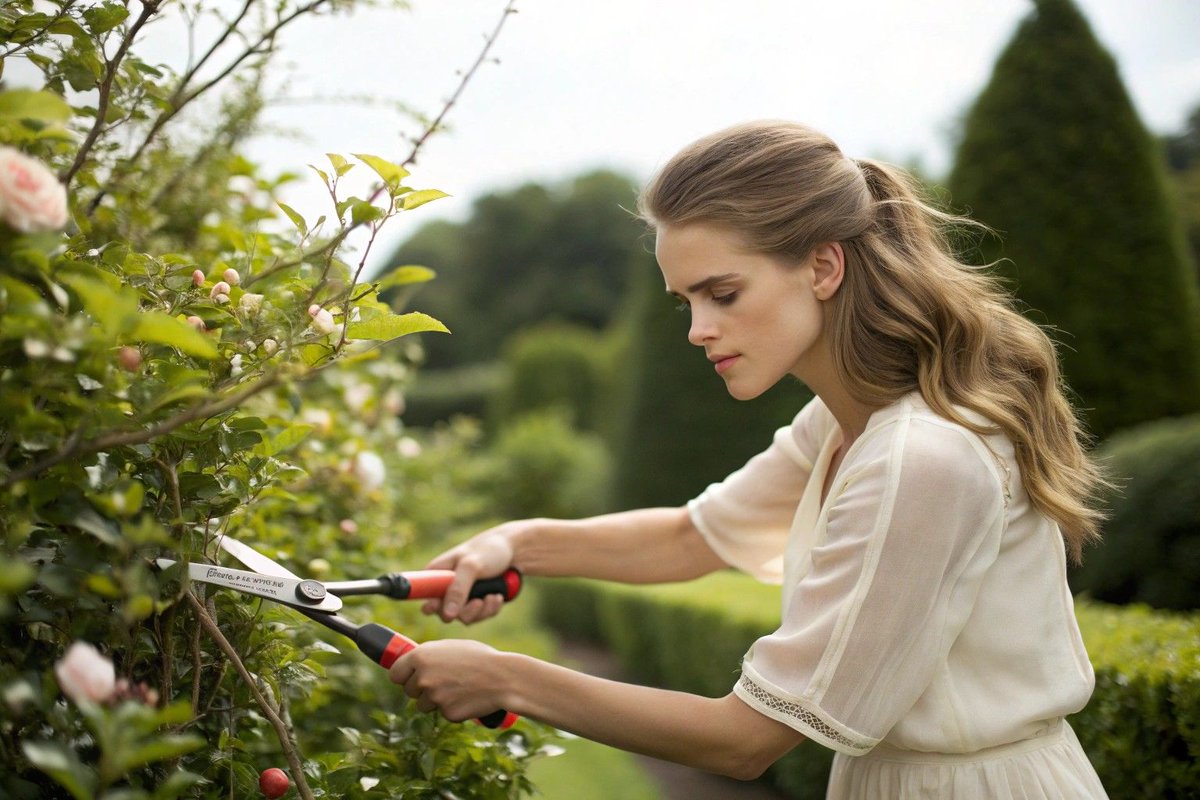
Sharp bypass pruning shears glide through stems like buttered knives through sourdough. I've snapped woody hydrangea canes and tidied up boxwood with little hand fatigue. Clean cuts heal faster, so plants stay healthier. Your fingers and your shrubs will thank you.
I’ve pulled carrots from clay that would snap a trowel, yet a sturdy garden fork fractures tough soil, aerates around roots, and loosens compacted beds in minutes. Skip the spade for thick loam: your tomatoes and chard thrive when roots can really breathe.
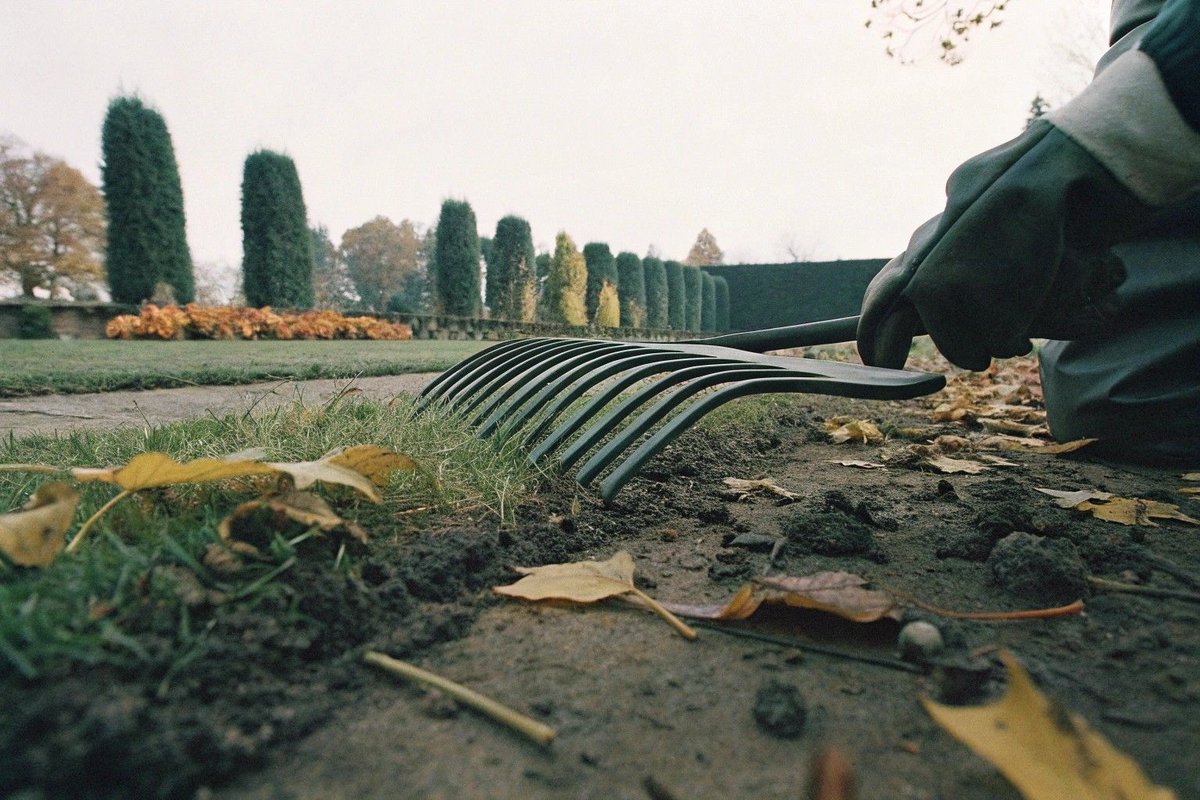
Nothing wakes up dormant turf better than a brisk pass with a spring-tine garden rake. Each spring, I rake at dawn and swear by the difference: stolons breathe, moss loosens, and thatch piles up like evidence. Grass greens quicker and roots run deeper. Try it.
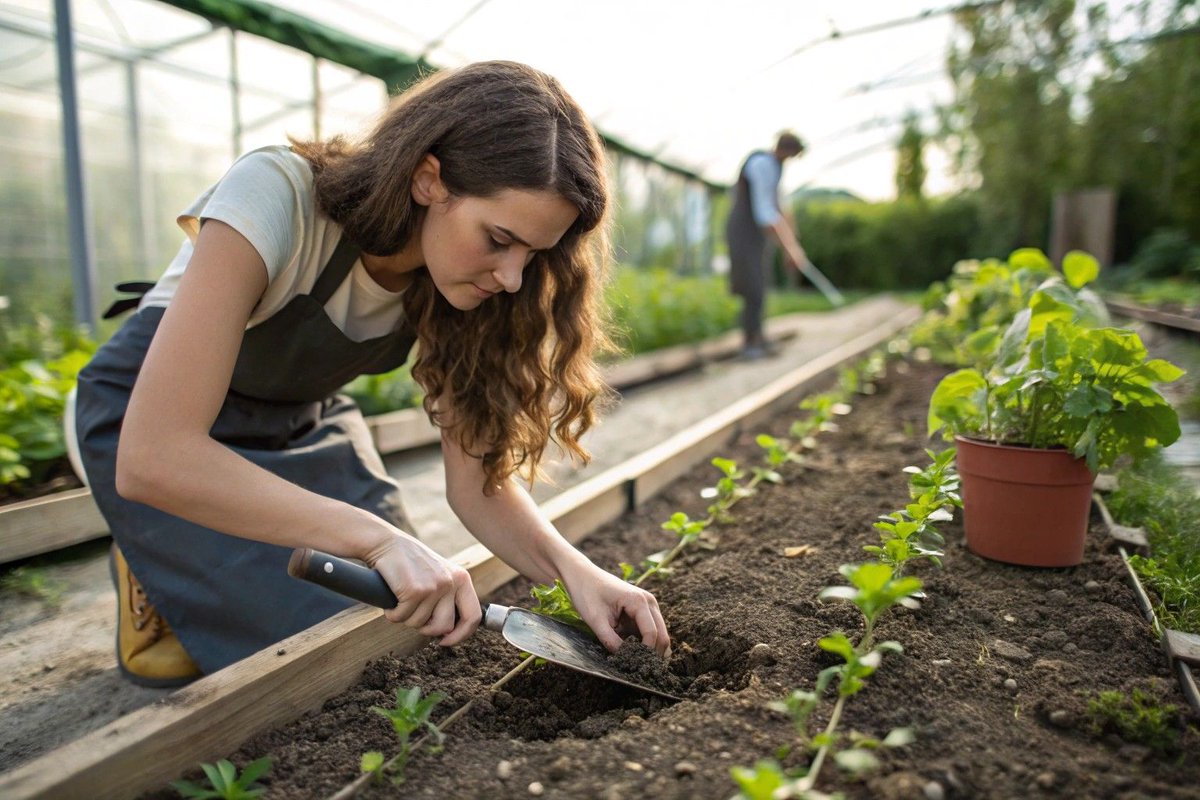
My old stainless trowel has pried roots from New England clay and tucked rare tulips into Dutch sandy loam. A solid tang and deep scoop make transplanting and mixing compost feel effortless. Trust me, a dependable hand trowel always saves the day.
Nothing beats hand-watering on a cool morning—slowly teasing the soil so roots drink deep, not just surface moisture. I swear by a rose spout for a gentle, even soak. Skip mid-day in July when the sun cooks (above 85°F / 29°C); save the drama for your tomatoes.
Once hauled two yards (1.5 m³) of mulch with a wobbly single-wheel barrow—never again. For heavy loads or hilly beds, I always reach for a dual-wheel model. Stable, no tipping, saves my back. Poly trays shrug off rust; steel trays muscle through gravel.
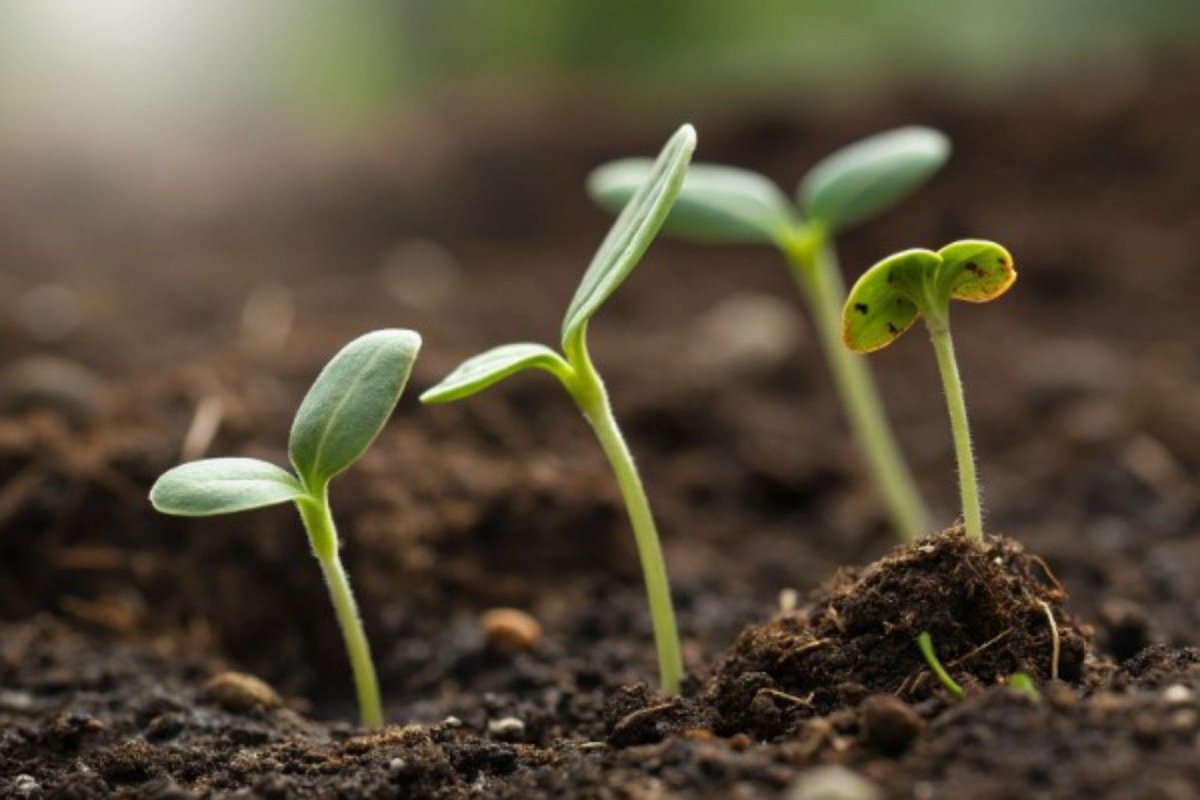
Cotyledons—the seed’s maiden leaves—are photosynthetic workhorses and vitamin packs rolled into one. I’ve seen tomatoes explode with vigor when these first leaves stay intact. Never pull them off early; they’ll feed the seedling until true leaves take over.
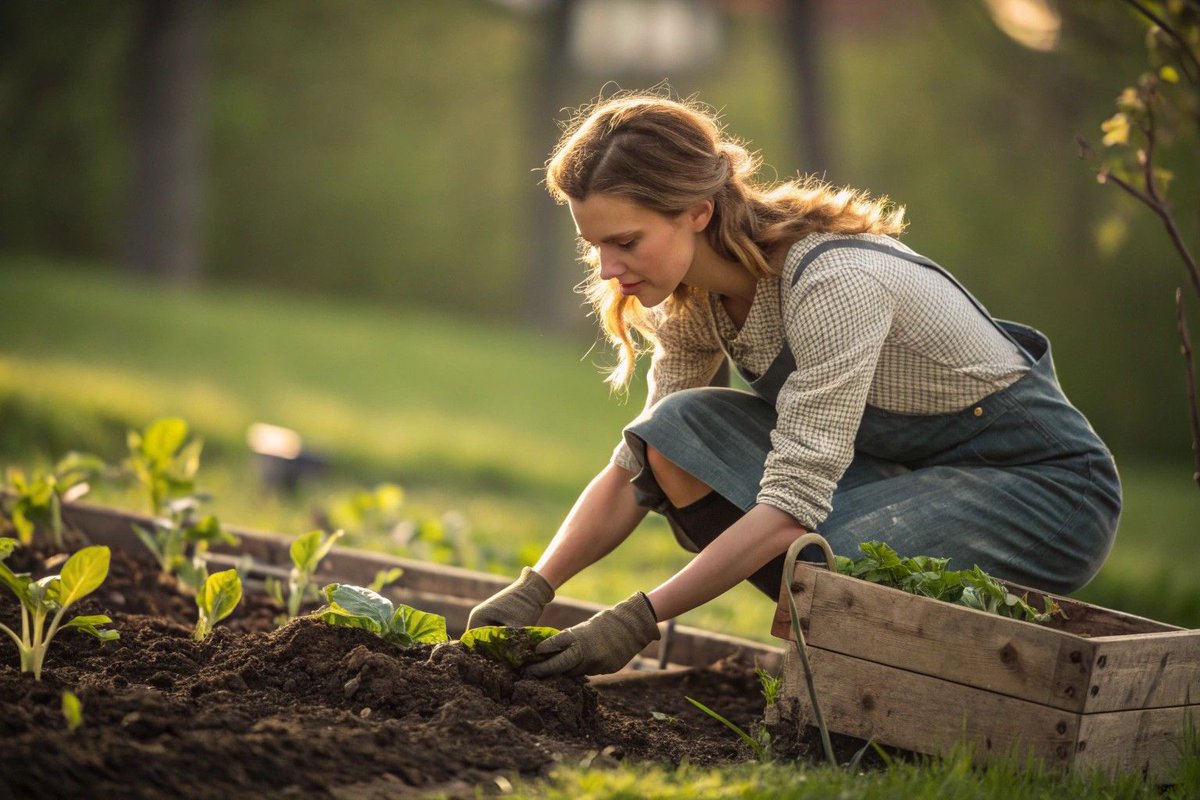
Every May, I tuck kale, echinacea, and peonies into my Zone 6 beds once soil warms to 60°F (16°C). Echinacea handles the late spring chills, while zinnias outshine any summer drought. Avoid direct-seeding tomatoes before the last frost—I learned that lesson the soggy way.
Every spade tells a story. I’ve split clay with a classic digging spade for roots and rocky spots, turned compost with square-mouthed versions, and shaped crisp beds using border spades. For heavier soils, keep the blade forged and shorter—my wrists thank me later.
I mulch religiously—wood chips and leaf mold halve my water use, even in July heat topping 90°F (32°C). Swale trenches in my beds slow runoff and recharge roots. Drip irrigation wins over hose spray every time; plants thrive while my water bill shrinks.
Annuals live fast—sprout, bloom, seed, die, all within one season. Biennials tease patience: leaf in year one, flower and seed in year two, then bow out. Perennials thrive for years. My old peonies outlasted three owners and shrugged off -20°F/-29°C winters.
Tucked a grafted dwarf pomegranate (Punica granatum 'Nana') beside the patio; at 3 feet (90 cm), it puckers with fruit yet never gobbles space. Espaliered apples along the fence reward me with flavor absent in supermarket clones. Prune smart, mulch deep, savor big.
The hand cultivator glides through loamy, chocolate-brown beds like a jazz riff, teasing out weeds while keeping roots intact. I once unearthed a rogue tulip from clay soil with just three twists. These nimble claws let you sculpt perfect tilth in minutes.
Shake old soil loose, check for circling roots (I tease them out with my thumbs—gentle but firm). Drop into a pot two inches (5cm) wider with fresh potting mix. Water deeply, let excess drain. My snake plant perked up overnight like it hit Vegas.
I once sowed crimson clover between rows of tomatoes—by late July, the soil teemed with life and every fruit looked smug. Legumes, lupins and vetch pull nitrogen from air, stash it in roots and feed microbes. Plant, chop, drop and let roots rot: free fertilizer, pure poetry.