this is one of the most useful GitHub repos I've found this year
32,251 repos tracked, and it's completely free.
Someone built a live leaderboard ranking Claude Code plugins by what devs actually keep installed NOT star count.
Most "awesome" lists go stale in a week. This one pulls real adoption data from GitHub via n8n! So the ranking updates as usage shifts.
Sort by adoption instead of stars good place to start if you're deciding what to install this week.
YOUR OBSIDIAN VAULT IS A GRAVEYARD
Thousands of notes. Years of thinking. And you can't find 90% of it when you actually need it.
Vector search "RAG" plugins promised to fix this - and mostly lied to you.
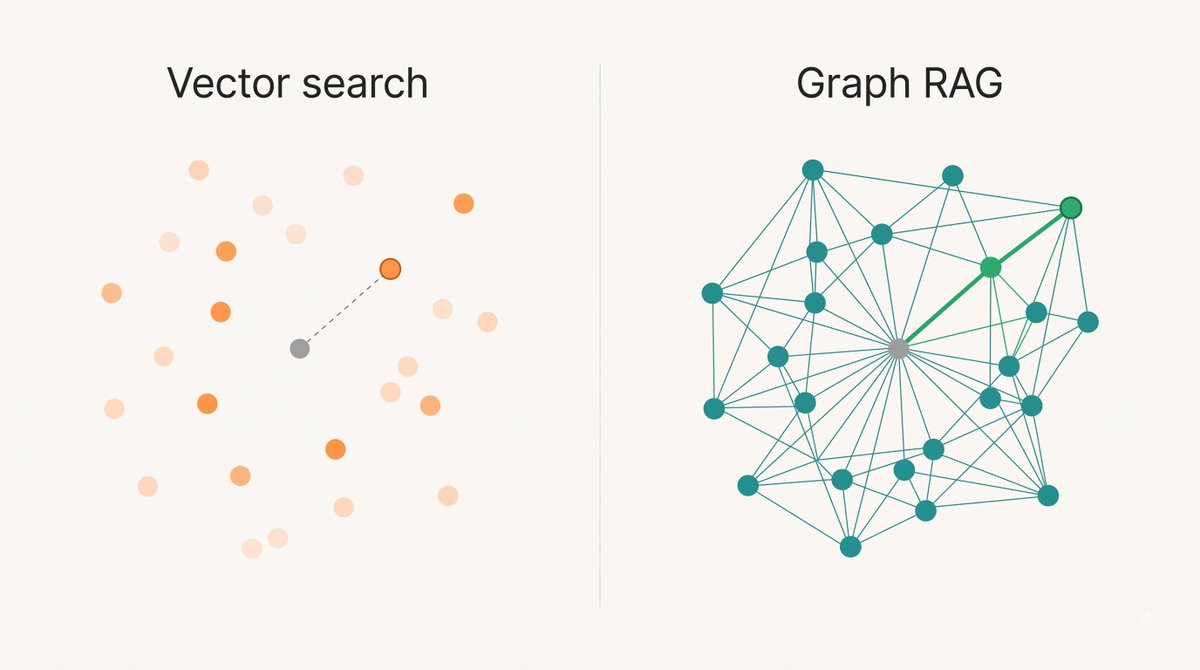
They chunk your notes into fragments, embed them, and retrieve whatever's mathematically similar to your question. Not what's actually related to it.
Ask "how does my time management approach compare to that PDF I read last month?" - and it returns nothing. Because similarity search doesn't know your notes are connected. It just knows they sound alike.
That's not a second brain. That's autocomplete with extra steps.
2026 quietly killed vanilla RAG and replaced it with graph RAG.
Instead of chunking and guessing, tools like Neural Composer build an actual graph of your vault - entities, relationships, "causes," "contradicts," "is based on." It reads your notes the way YOU think in them: as a web, not a pile.
And the wild part? It's running fully local. Ollama, no API key, no cloud, nothing leaves your laptop.
If your notes app still can't answer "what did I actually think about X back in March," you're not using RAG wrong.
You're using the wrong RAG. 👇
@twelvepills12 Ten million views. Almost nobody wrote the framework down. That's the real problem - not that people forget lectures, but that their notes never connect the dots between them.
Vector search finds one lonely match and stops.
Graph RAG follows the thread — connected node to connected node — and shows up with an answer that's actually tied to your thinking.
This is the shift.
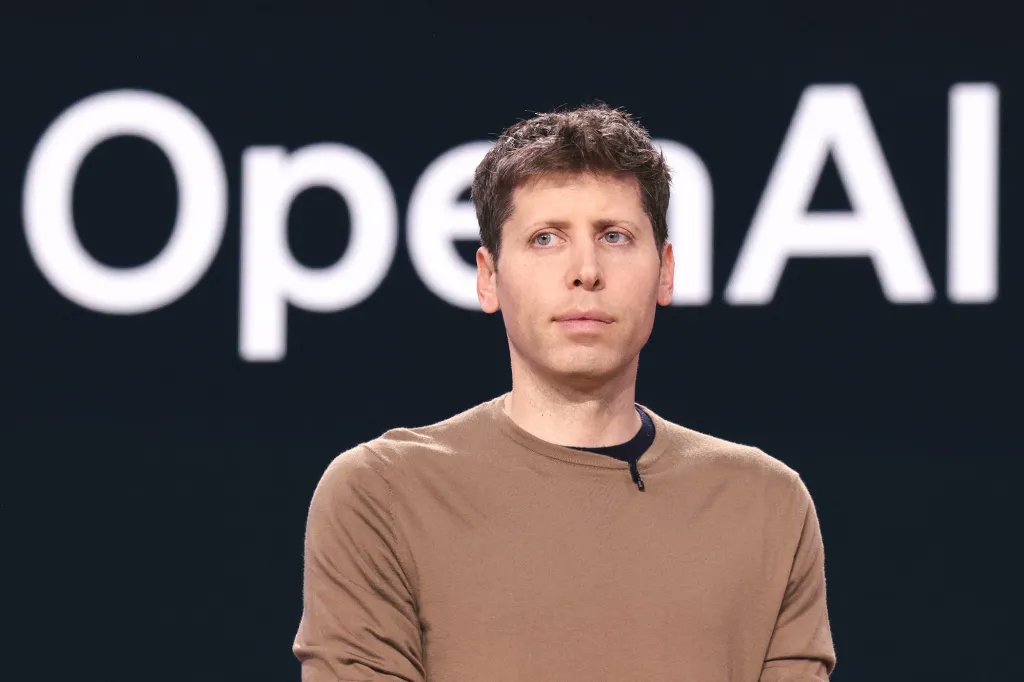
SAM ALTMAN IS SELLING AD SPACE NEXT TO YOUR ANSWERS. RIGHT NOW. IN 6 COUNTRIES
OpenAI just expanded its ChatGPT ads pilot to the UK, Mexico, Brazil, Japan, and South Korea - sponsored content mixed into free and Go tier responses, while paid tiers stay ad-free. Which tells you exactly who's the product.
My honest take: OpenAI says ads won't influence answers and will be clearly labeled - fine, but once ad revenue is in the room, "clearly labeled" is carrying a lot of weight. Would you trust an answer more or less knowing an advertiser paid to sit next to it?
@Skaly__Bull@ProblyHQ The ultimate bottleneck in prediction markets isn't liquidity or regulation—it's attention allocation. Algorithmic discovery is the missing link