Bringing the microscopic world into focus.
Magnify2 lets engineers, ai-developers, researchers & educators capture gigapixel images with clarity, depth & repeatability.
Explore our interactive viewer to see small things in a big way 👉 https://t.co/nqDLgyMvJN
#MacroImaging #Gigapixel
Training AI to spot wear? We captured a 573 MP gigapixel comparing new vs. used milling bits (51,269×11,181 pixels) 👉https://t.co/a1NyhBabxy
High‑resolution images of tool wear help teach models to detect subtle fractures and extend tool life.
The White‑spotted African fruit chafer (Stephanorrhina guttata) from Cameroon looks like a jewel under the lens. Our 799 MP gigapixel captures its dotted green armor across 42,176×18,947 pixels 👉 https://t.co/ZA2lCq3v1b
Nature’s design never ceases to amaze.
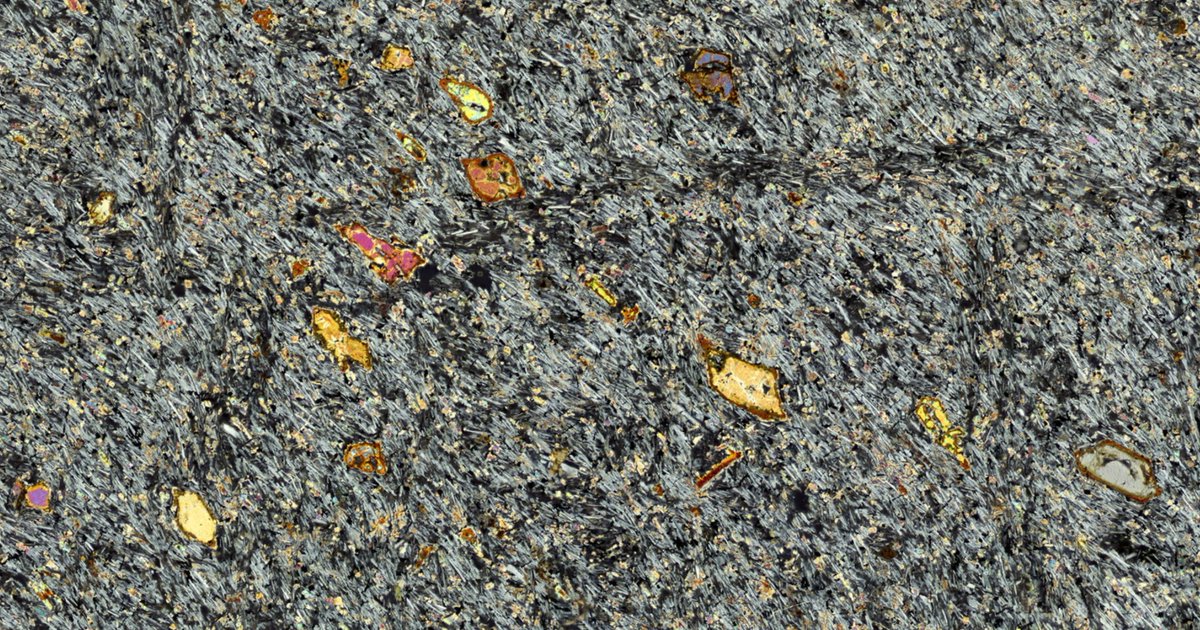
A cross‑polarized thin section turns a slice of Columbia Gabbro into a colorful map of minerals. Our 1.24 GP image (46,925×26,455 pixels) uses the same technique geologists apply to microscope slides 👉 https://t.co/6EmB6n1rDl
See how crystals reveal their secrets!
#Geology #CrossPolarization #MacroPrecision
Every board tells a story. Our 393 MP gigapixel of an Arduino Mega board (26,895×14,613 pixels) reveals subtle solder joints and traces. Captured with a telecentric lens and cross‑polarized light 👉https://t.co/4M1YyOs0Pe
Ever marvel at what goes into a chipset? This 748 MP panorama shows hundreds of tiny components on a single module. Macro imaging helps engineers map layouts, locate failing parts, and feed CAD models for AI inspection.
#Manufacturing#Electronics#MacroPrecision
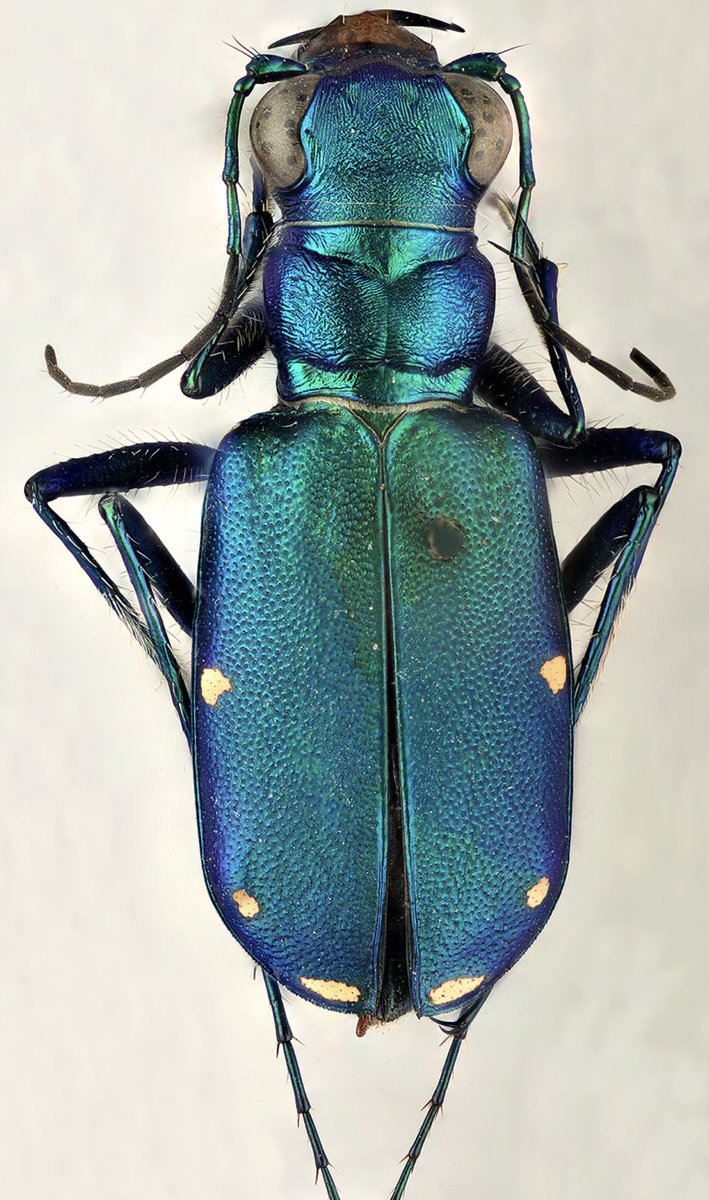
The six‑spotted tiger beetle (*Cicindela sexguttata*) shines metallic green, hunting along forest floors. At 1.21 GP you can see every hair and spot. Macro precision imaging turns predators into portraits.
#MacroArt#Beetle#Nature
Image of the Week: *Aristobia freneyi* from Thailand sports striking orange‑black patterns and spiny antennae. Our 748 MP mosaic reveals each scale and hair. What specimen should we magnify next?
#ImageOfTheWeek#MacroPrecision#Beetle
From beetles to moths, gigapixel images let us crop thousands of training samples. Consistent lighting and focus ensure that models learn features like antennae shape and spot patterns—not noise. Which insect would you like AI to identify next?
#AI#Entomology#Dataset
By day 8, honey bee larvae have grown dramatically. Our 591 MP frame captures capped brood cells and developing pupae. Gigapixel timelapses help educators teach metamorphosis and colony health.
#Entomology#Education#Bees
How roughness affects color? In fiber‑reinforced polymer panels, a 50 microinch surface roughness (~1.27 µm) can shift color by 30%. Magnify² imaging ties profilometer readings to microstructure, helping manufacturers achieve consistent finishes. Read the full article 👉 https://t.co/AtQEPlMmNY
Chatoyant quartz: tiger’s eye glimmers with golden fibres of crocidolite replaced by silica. Our 5.32 GP panorama (99 k × 53 k pixels) turns a polished stone into a landscape of shimmering bands. What do you see in the patterns?
#MacroArt#Minerals#Nature
Tachinid flies may not win beauty contests, but they’re heroes of the garden. With over 8,200 species, most are parasitoids that control pest populations. Our 478 MP gigapixel lets students explore their bristly hairs and wing venation in detail.
#Entomology#Education
Creating AI models for mineral identification requires consistent imaging. Magnify²’s multi‑lighting, focus stacking and 16 µm XY positioning enable repeatable captures. From thin section to segmentation, we produce thousands of labelled patches to train robust classifiers.
Answer: it’s the heart of a DLP projector. Each micro‑mirror corresponds to a pixel and switches thousands of times per second to create images. Capturing 8,190 photos reveals the engineering behind your movie nights.
#Technology#Engineering#MacroPrecision
Thousands of tiny mirrors march across this 1.06 GP mosaic. Each one tilts to direct light. What everyday device uses this micro‑machined array? Guess before the reveal tonight!
#WhatIsIt#TechPuzzle#Guess
New vs used: our 573 MP image compares two milling bits side by side (51 k × 11 k pixels, built from 9,270 photos). Minute chips and wear scars reveal how high‑speed machining takes its toll. Training AI on these textures helps predict tool life.
#Manufacturing#DefectDetection
Meet the scorpionfly: in this 3.62 GP image (78 k × 45 k pixels) you can explore the male’s curved abdomen and delicate wings. These ancient insects aren’t dangerous; their ‘stinger’ is a mating organ. Macro imaging reveals their strange beauty.
#MacroArt#Insects#Gigapixel
Scaling up insect classification? A single gigapixel brood frame yields tens of thousands of labelled regions. Consistent lighting and positioning allow us to train AI models to recognize stages of development and even detect pests 👉 https://t.co/LKQQNM9Cc7
#AI#Data
Need throughput? Batch digitization templates let you image multiple specimens in one run. Load subjects, open the matching software template, add metadata, set home, and hit GO!. Each sample gets its own folder, perfect for archives and datasets. Check it out: https://t.co/c40MpvIvGr