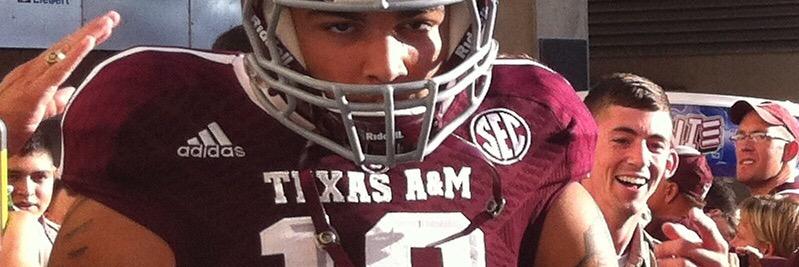
You do not have permission to use our chant. This is not a free usage chant.
Please stop this chant and refrain from using our chants in the future.
#Ball5
DO NOT subscribe to the new ESPN stand alone app.
They pulled their channels from YouTube TV to FORCE you to pay for their app.
It’s a scam.
Once again, ESPN ruins everything.
If you believe free speech is for you but not your political opponents, you're illiberal.
If no contrary evidence could change your beliefs, you're a fundamentalist.
If you believe the state should punish those with contrary views, you're a totalitarian.
If you believe political opponents should be punished with violence or death, you're a terrorist.
The Arcane Texas Fact of the Day is a whopper!
If you ever stroll through Prairie Lea Cemetery in Brenham, you’ll see a modest little stone with the name “Phil Coe” carved on it. Born in 1839, gone by 1871. Nothing about that plain marker tells you that this young Texan spent his short life ricocheting between war, cards, saloons, and gunfights before meeting his end at the hands of none other than Wild Bill Hickok.
Philio Houston “Phil” Coe first saw the light in Gonzales, Texas, one of the earliest Anglo settlements west of the Colorado River. He was the fourth of nine children born to Phillip Haddox and Elizabeth Parker Coe. By the time the Civil War came around, Coe was riding with the 2nd Texas Mounted Rifles and had earned himself a lieutenant’s commission. After the war, it’s likely he followed his friend Ben Thompson into Mexico to fight for Emperor Maximilian, although the paperwork for that adventure has never surfaced.
What we do know is that once back in Texas, Coe took up with some colorful company. He befriended the notorious gunman Bill Longley, and he learned the ins and outs of gambling from Ben Thompson, who became a lifelong associate. Before long Coe drifted north into Kansas, where he set himself up as a saloon owner and a skilled gambler.
In 1871, he and Thompson opened the Bull’s Head Saloon in Abilene, Kansas, a place that quickly became infamous thanks to the giant bull mural painted on its wall—complete with a very obvious anatomical detail that scandalized the locals.
At the Bull’s Head, Coe crossed paths with many of the Old West’s larger-than-life characters, among them John Wesley Hardin and Abilene’s marshal, Wild Bill Hickok. Thompson and Hickok respected each other, but Coe bristled at Hickok’s authority.
Their relationship soured almost instantly. Coe bragged that he could “shoot a crow on the wing,” and Hickok cut him down with a quip: “Did the crow have a pistol? Was he shooting back? I will be.” From then on, the two men were destined for a collision.
That collision came on the night of October 5, 1871. After a street brawl broke out, Hickok faced down a crowd alone. Coe raised his pistol and fired two shots at Hickok—both missed. Hickok’s return fire did not. Coe went down with a serious wound, but in the chaos Hickok also fatally shot his own deputy, Mike Williams, who had been rushing in to help. That tragic mistake gnawed at Hickok for the rest of his days.
Phil Coe lingered for four days before dying on October 9, 1871.
He was only 32 years old, and his death marked the last man Wild Bill Hickok would ever kill. Coe’s body was returned to Brenham, where his relatives buried him in Prairie Lea Cemetery. Today, all that remains is his plain, unadorned grave maker. You'd never know the backstory if you didn't read @TracesofTexas 😃😉
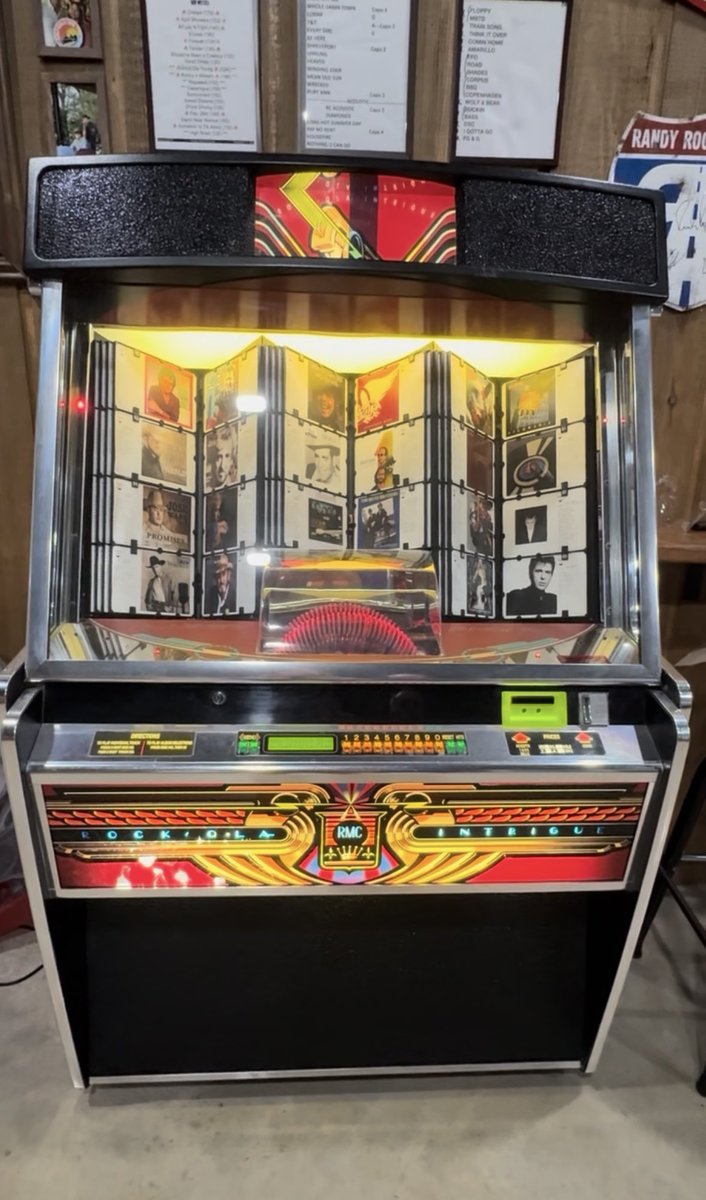
@RichOToole@MyMaverickRadio 100.9 out of College Station is the best. It’s TX Country and local artist. Download the app and you can listen from anywhere.
https://t.co/k9qaJkNlAq
Since 2017, America has lost nearly 150,000 family farms, and the past four years have been brutal for our producers.
The One Big Beautiful Bill delivers the stability our farmers and ranchers need to survive and thrive.